





 Portuguese
  English
  Spanish
  4 min of reading
  0 comments


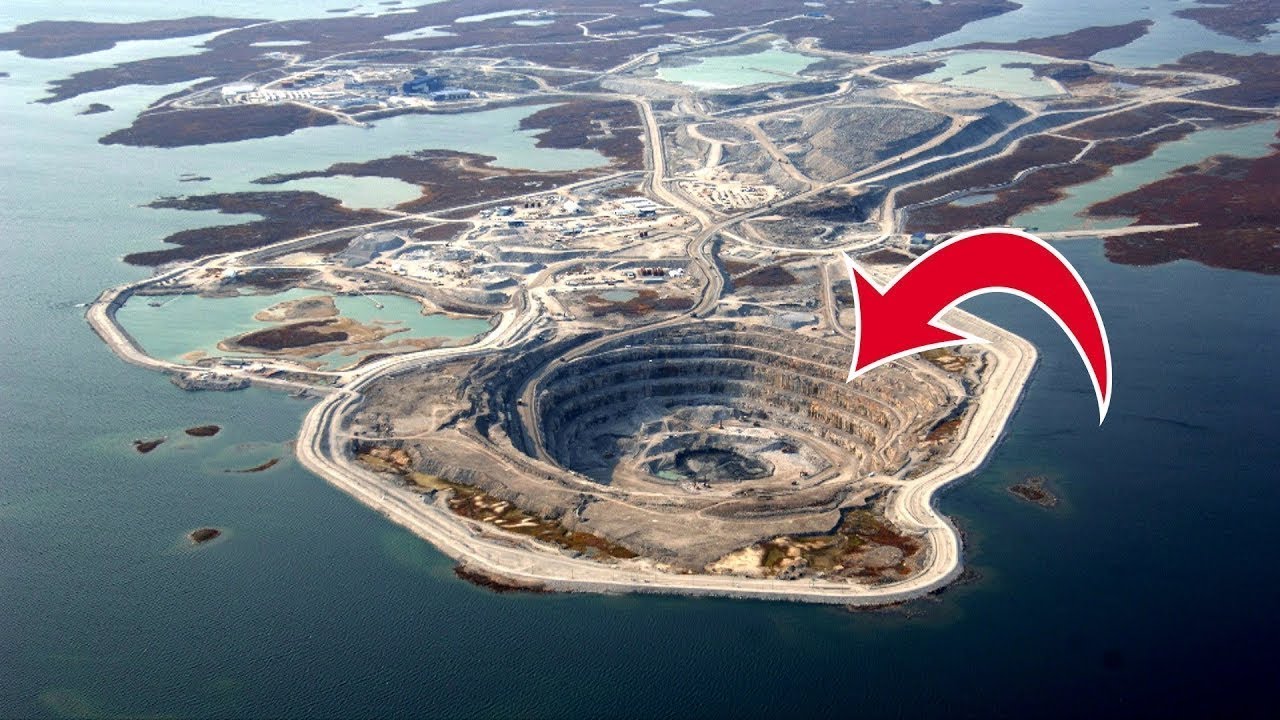
In Addition to Being the Largest Diamond Mine in the World, the Structure Breaks Records by Producing 4.2 Million Kilowatt-Hours of Solar Energy per Year, Standing Out for Its Sustainability.
The Diavik Diamond Mine, located in the Northwest Territories of Canada, is breaking records by generating 4.2 million kilowatt-hours (kWh) of solar energy annually. Owned by the mining giant Rio Tinto, this mine stands out not only for its diamond production but also for its commitment to sustainability.
The solar installation, which is the largest of its kind in Canada, reflects the growing trend of industries adopting greener practices.
-
Brazil extracts 26.3 million tons of ore from what was previously treated as waste, transforming residues into wealth, producing over 3 million tons of sand, and demonstrating how national mining is relearning to generate value.

-
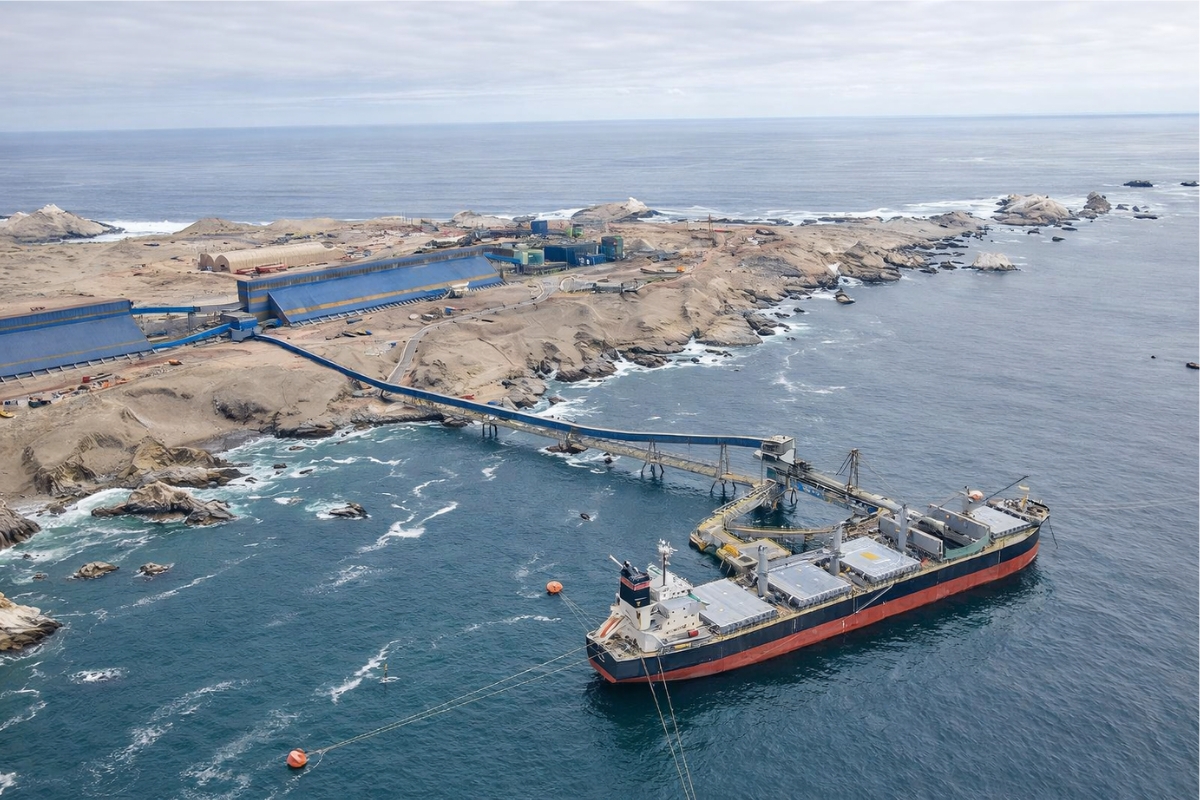
A $3.5 billion megaproject in Latin America pumps desalinated seawater at 1,050 liters per second over 194 km to keep a copper supermine in the Andes operational for another 20 years.
-
A hidden mine in the Andes valued at nearly R$ 1 trillion is starting to attract global attention, containing copper, gold, and silver, and raises an intriguing question: why do Argentina and Chile need to act together to exploit this gigantic wealth?
-
A silent discovery in the interior of Bahia could change the future of energy in Brazil: a uranium reserve in Lagoa Real has an estimated capacity to produce 400 tons per year and is already attracting the attention of energy sector specialists.
Pioneering Environmental Initiative
The solar energy project at Diavik not only reduces operational costs but also helps decrease greenhouse gas (GHG) emissions, a crucial step in the fight against climate change.

The solar plant, with 6,620 panels, is a pioneering initiative by Rio Tinto in Canada, with a capacity of 3.5 megawatts. This investment aligns with the company’s vision to reduce its carbon emissions and has led the transition to cleaner energy sources.
This solar plant also allows Diavik to cut diesel consumption, a polluting resource, by 1 million liters per year. This represents a significant saving in both costs and environmental impact.
The change will be particularly important during the mine’s closure process, expected to occur in late 2026, when operations will gradually cease. During this time, the solar plant will supply up to 25% of the electricity needed for operations, harnessing direct sunlight and even light reflected off the snow.
Environmental and Social Impact
The solar project at Diavik is not only a milestone in the mining sector, but it is also crucial for local communities and the industry as a whole. The reduction in greenhouse gas emissions will be equivalent to removing 630 cars from the roads each year.
Additionally, the project’s funding has the support of the Northwest Territories government, which invested CAD 3.3 million (approximately US$ 2.4 million).
Matthew Breen, operations director at Diavik, emphasized the importance of the solar plant not just for sustainability but also for the energy efficiency of the mine’s operations. He stated: “We are proud to lead the way for large-scale renewable energy projects in Northern Canada.”
The Diavik Mine: The Largest Diamond Mine in the World
The Diavik Diamond Mine is a joint venture between Rio Tinto and Dominion Diamond Diavik Limited Partnership. Located 186 miles northeast of Yellowknife, the mine began operating in January 2003, following the construction of the first kimberlite pipes. Over the years, the mine has ranked as one of the largest diamond producers in the world, making a significant contribution to the local economy.
However, the future of the mine is on a countdown. Its lifespan is projected to end in 2026, with complete closure expected by 2029.
Though this marks the end of an era for the operation, the solar installation will continue to generate power for several years after closure, helping the mine meet its environmental obligations.
Rio Tinto’s Commitment to Sustainability
Rio Tinto, a British-Australian multinational, has shown an increasing commitment to decarbonization and sustainability in its global operations. The mining company has set ambitious targets to reduce its Scope 1 and 2 GHG emissions by 50% by 2030 and achieve net-zero emissions by 2050. The Diavik mine is just one example of how the company is fulfilling these promises through initiatives like the solar project.
Furthermore, the solar project is a key component of Rio Tinto’s efforts to lead the mining industry towards a greener future. Although the primary focus of the mine is on diamond extraction, the increasing reliance on renewable energy sources shows that even the most traditional industries can evolve towards more sustainable models.
The Future of Solar Energy in the Mining Sector
With Diavik at the forefront of this transformation, it is possible that other mines and companies in the mining sector will follow suit, investing in renewable energy solutions.
Rio Tinto has stated that it is possible to balance the energy needs of an operation with a commitment to sustainability, creating a model that can be replicated in other parts of the world.
The Diavik Diamond Mine, with its new solar plant, is not only helping to shape the future of mining in Canada but also plays an important role in the fight against climate change. By continuing to invest in clean energy and reduce carbon emissions, Diavik is an example of how the industry can be part of the solution to the environmental challenges we face today.
The Diavik Diamond Mine, with its impressive solar plant, not only breaks records but also demonstrates that mining can evolve towards more sustainable and environmentally responsible practices. Rio Tinto continues its journey towards decarbonization, and the solar project is one of several initiatives the company is undertaking to ensure that the future is greener without compromising operational efficiency.









-

-

-

3 pessoas reagiram a isso.