





 Portuguese
  English
  Spanish
 4 min of reading


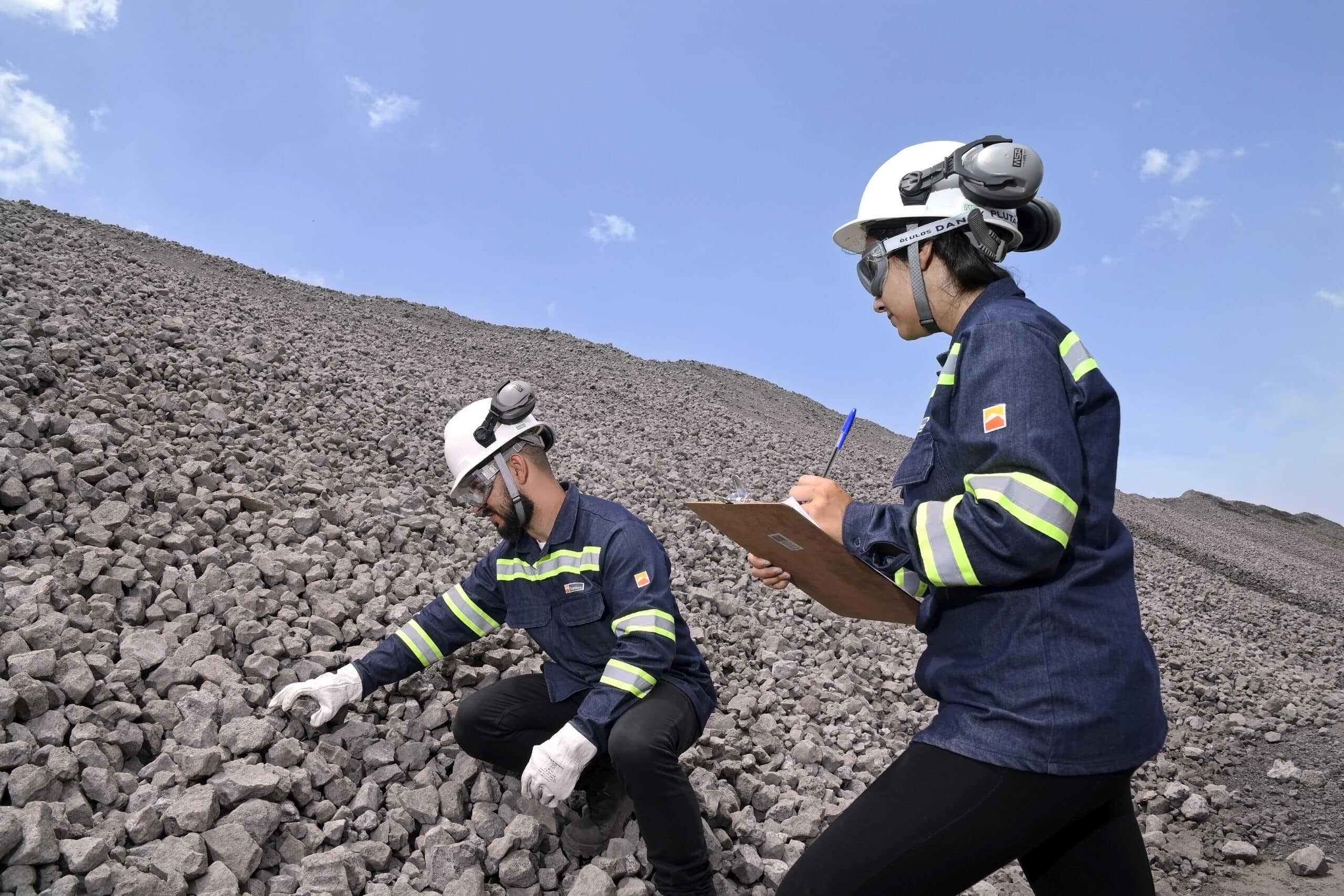
The Sale of Steel Aggregate from Ternium to the Waste Treatment Center (CTR) of Seropédica Promotes the Circular Economy in Rio de Janeiro
Ternium has signed a contract for the sale of steel aggregate with the Waste Treatment Center – CTR of Seropédica, managed by the company Ciclus. The steel aggregate will initially be used for truck access to the CTR cells. HOLD ON! A FLOOD OF OFFSHORE JOBS IN MACAÉ! A massive offshore recruitment process in Macaé with updated job openings as of 6 PM yesterday.
Read Also
- Offshore Jobs for Mechanical, Electrical, and Instrumentation Professionals in Macaé
- For Christmas Tree Installation, There Are Offshore Jobs Today for Technicians and Engineers
- Offshore Recruitment and Selection in Macaé with 10 Job Openings for Area Man
- Platforms on Alert! Navy Forecast Comes True! Cyclone Forms Offshore with Winds Exceeding 63 km/h
This product can be used for paving roads, in bases and sub-bases, and as a primary coating on rural roads, replacing gravel. The negotiated volume of steel aggregate will be 15 thousand tons per month for the CTR of Seropédica, in RJ.
The steel aggregate is the result of steelmaking slag, generated by the transformation of liquid pig iron into steel, which undergoes a process of removing metallic content, screening, and storage, in addition to treatment to reduce expansion. The final product of this process is globally applied in area leveling/fills, concrete artifacts, gabions, asphalt concrete, railway ballast, among many others. It can also be used in agriculture as a corrective for soil acidity instead of limestone.
-
Historic bankruptcy of Centauro shocks the market, and the century-old company puts more than 500,000 products, machines, and complete infrastructure up for online auction.

-
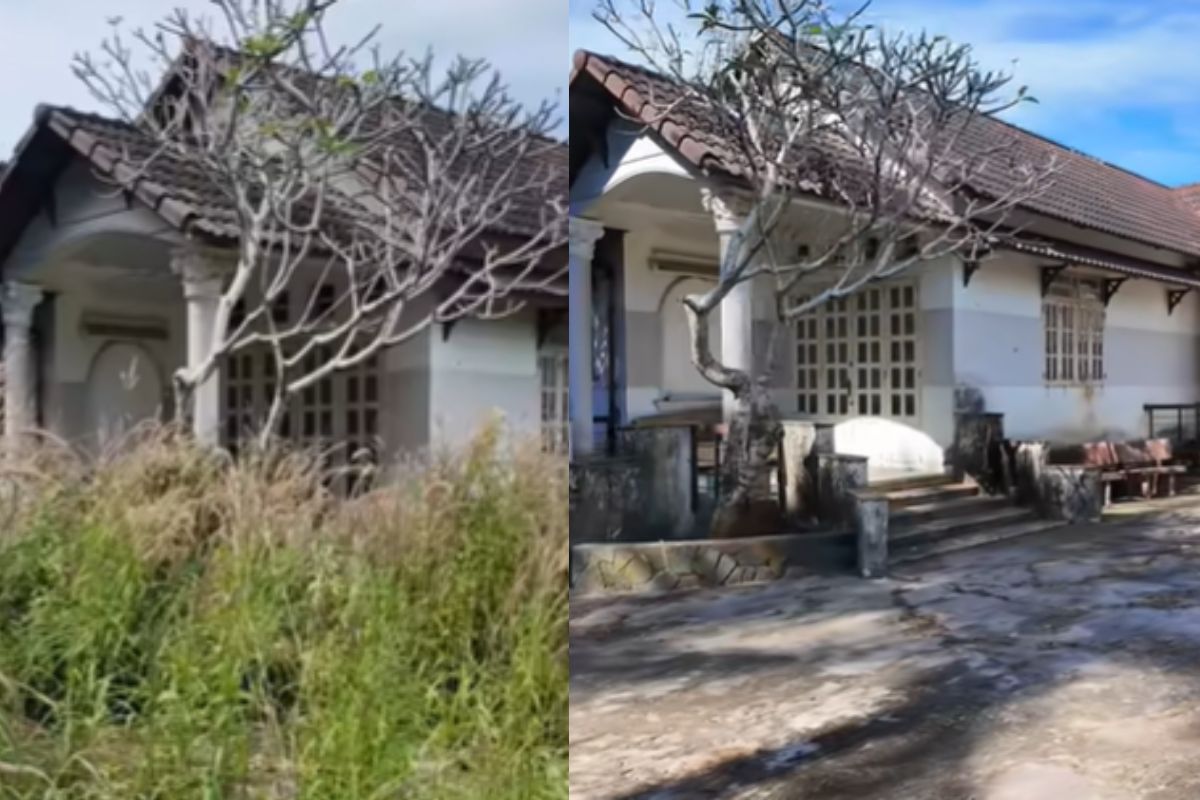
Abandoned house for 15 years disappears in the woods, shocks owner with unrecognizable scenery and is reborn in an intense transformation after almost 90 hours of work in just 10 days.
-
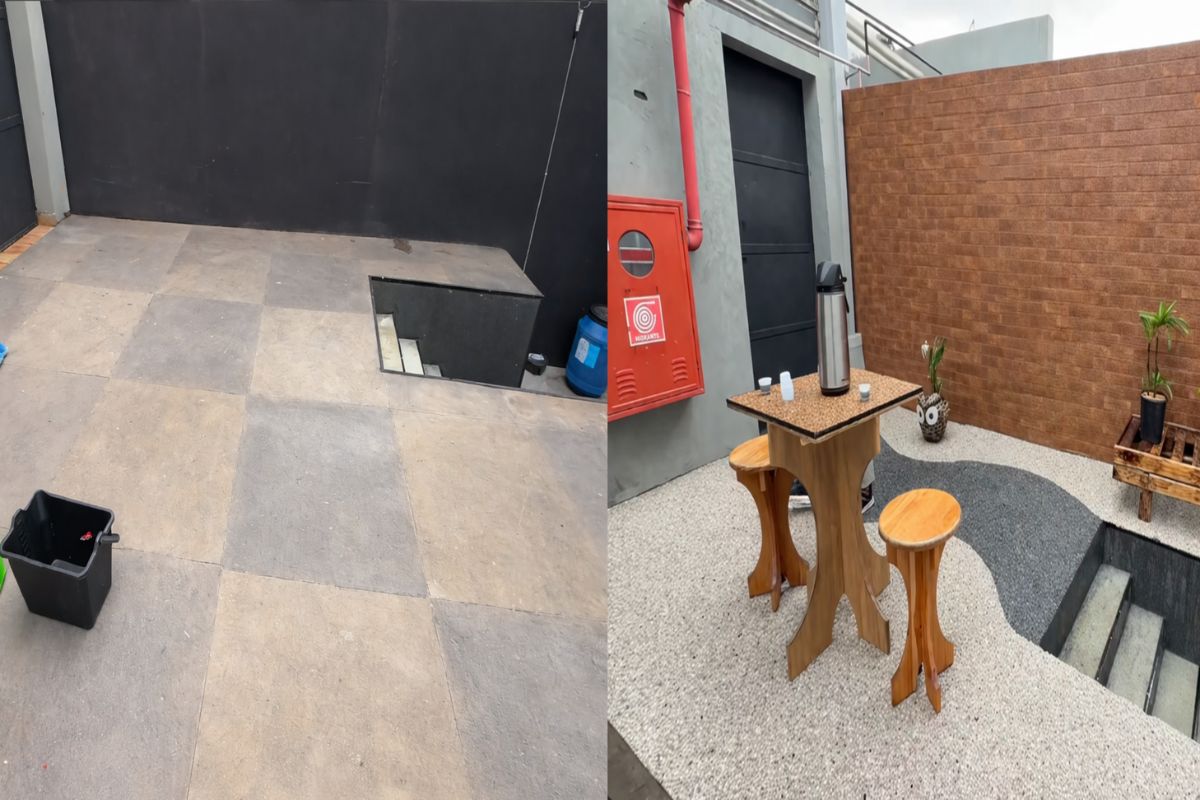
In just three hours, a natural stone floor transforms the entrance of the house with an organic effect, immediate drainage, and a sophisticated non-slip finish that doesn’t puddle water, dries quickly, and impresses with the final result.
-
‘Interlocking brick’ made of earth arrives in the construction industry with cost reductions of up to 40% on the project.

Seventy-five thousand tons of slag are produced monthly, which is processed and treated within Ternium. Between 2016 and 2018, the company saved approximately R$ 16 million by replacing gravel with steel aggregate. The benefits are numerous, but environmental and economic advantages are particularly noteworthy, especially compared to the use of gravel, one of the primary materials consumed in paving and construction works. Advantages include the preservation of natural resources, thereby reducing the impacts caused by the extraction of natural aggregate, the elimination of waste, and the reduction of energy consumption and costs in obtaining gravel.
The initiative is part of a range of actions that make up Ternium’s strategy to invest in the continuous development of technologies to transform waste/by-products from steel production into raw materials. These by-products replace inputs in our production processes, primarily seeking internal recycling or application in other companies, ensuring reuse and preventing external disposal. The goal is to minimize impacts, generate value, and contribute to the reduction of natural resource consumption. In addition to steel aggregate, Ternium generates other by-products that help reduce environmental impacts being used in the cement, ceramics, mortars, fertilizers, and lime industries among others.
The By-Products Manager, Leila Kauffmann, highlights the environmental gains from this deal with the CTR of Seropédica, RJ:
“The use of steel aggregate in paving the access roads of the Waste Treatment Center in Seropédica is a great alternative to replace the use of gravel and clay, thus avoiding extraction from quarries. It is a high-quality material that replaces resources whose extraction generates numerous detrimental impacts on natural reserves. Other applications are already being evaluated for the use of steel aggregate in drains, embankments, cell preparation, internal roads, and at the treatment station of this CTR.” The Circular Economy is a practice at Ternium, where we always seek application for everything we generate. We prioritize internal consumption that creates value for the company, aiming for business sustainability, environmental responsibility, and striving for zero waste – Leila stated.
What Is Circular Economy?
Circular economy is an economic concept that is part of sustainable development, inspired by notions of green economy, functionality, and industrial ecology. The circular economy proposes itself as an alternative to the linear economy. The main proposal is that waste/by-products from one industry be used as recycled raw material in another industry or in the same one. Moreover, it aims to develop products with an eye toward reuse that keeps materials in the productive cycle. This economy consists of a continuous positive development cycle that preserves and enhances natural capital and promotes the efficient management of natural resource use. Its objective is to keep products, components, and materials at their highest utility and value at all times.
The circular economy suggests a paradigm shift in social relationships and attitudes: being a user instead of a consumer, sharing instead of accumulating. The transition to a circular economy will not occur without fundamental changes in behavior and mindset.
About Ternium
Ternium is the largest steelmaker in Latin America and is part of the controlling block of Usiminas. Since 2017, it has had an industrial center in Brazil, in Rio de Janeiro. The Santa Cruz unit (RJ) has a production capacity of five million tons of steel plates per year, with a high level of sophistication that serves industries in the USA, Mexico, Brazil, and Europe. Ternium’s unit in Rio de Janeiro is the largest steel producer in the entire company and generates more than eight thousand jobs, with safety and environmental and social commitments. In addition to Brazil, the company has 17 other production centers spread across five countries: Mexico, Argentina, Colombia, Guatemala, and the USA. Ternium sold 12.4 million tons of high-quality steel in 2018.










Seja o primeiro a reagir!