





 Portuguese
  English
  Spanish
  4 min of reading
  0 comments


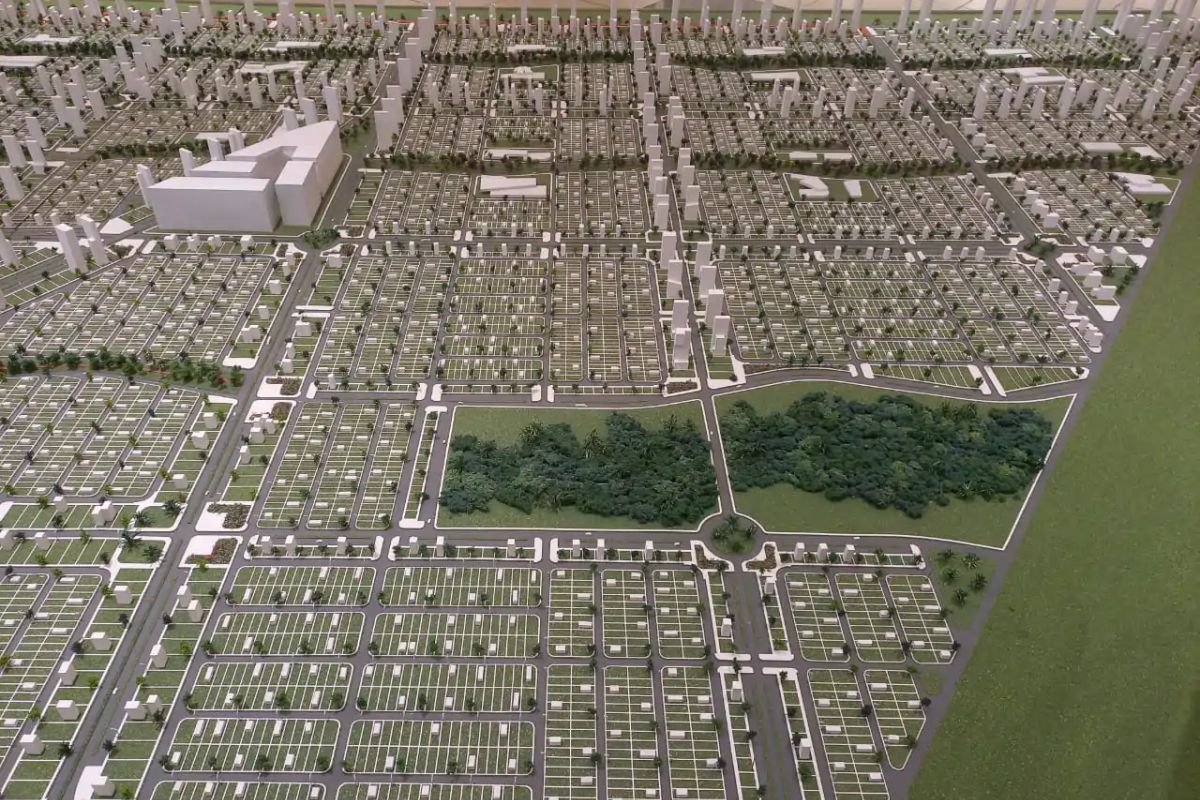
Founded in 1989, Palmas (TO) is the last major planned Brazilian city of the 20th century. Discover its history, the challenges of its construction, and how it became a development pole and a case study in national urbanism.
In the heart of Brazil, amidst the Cerrado biome, Palmas was born, the capital of Tocantins. As the youngest planned Brazilian city, its founding in 1989 marked not only the creation of a new administrative center but also the continuation of a national urbanistic tradition, inspired by examples like Brasília and Goiânia, seeking a new model of development for the North region.
Brought up from scratch, Palmas symbolized a new beginning for the newly created state of Tocantins. This article explores the genesis, the bold planning, and the transformations of this unique planned Brazilian city throughout its young yet intense history.
Palmas: The Realization of a Dream and the Creation of a New Capital in the Heart of Brazil
The creation of the state of Tocantins, formalized by the Federal Constitution of 1988, fulfilled a long-standing desire for autonomy from the northern region of Goiás. With the new state, the need for a capital that symbolized a new era emerged. The decision was made to build a planned Brazilian city from scratch. The chosen area was Fazenda Triângulo, on the right bank of the Tocantins River, near the Serra do Lajeado, a location considered strategic for geopolitical reasons.
-
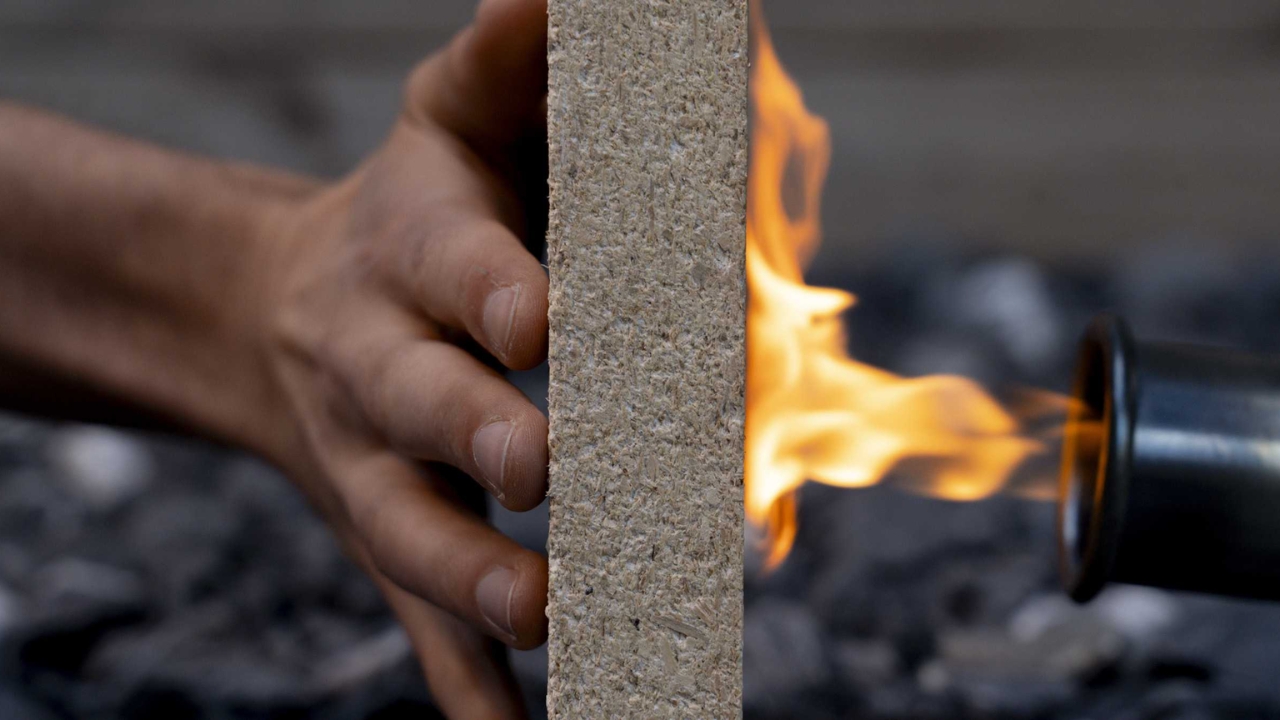
Scientists transform sawdust into fire-resistant panels, stabilize the compound with an enzyme extracted from watermelon seeds, and turn waste into promising material for construction.
-
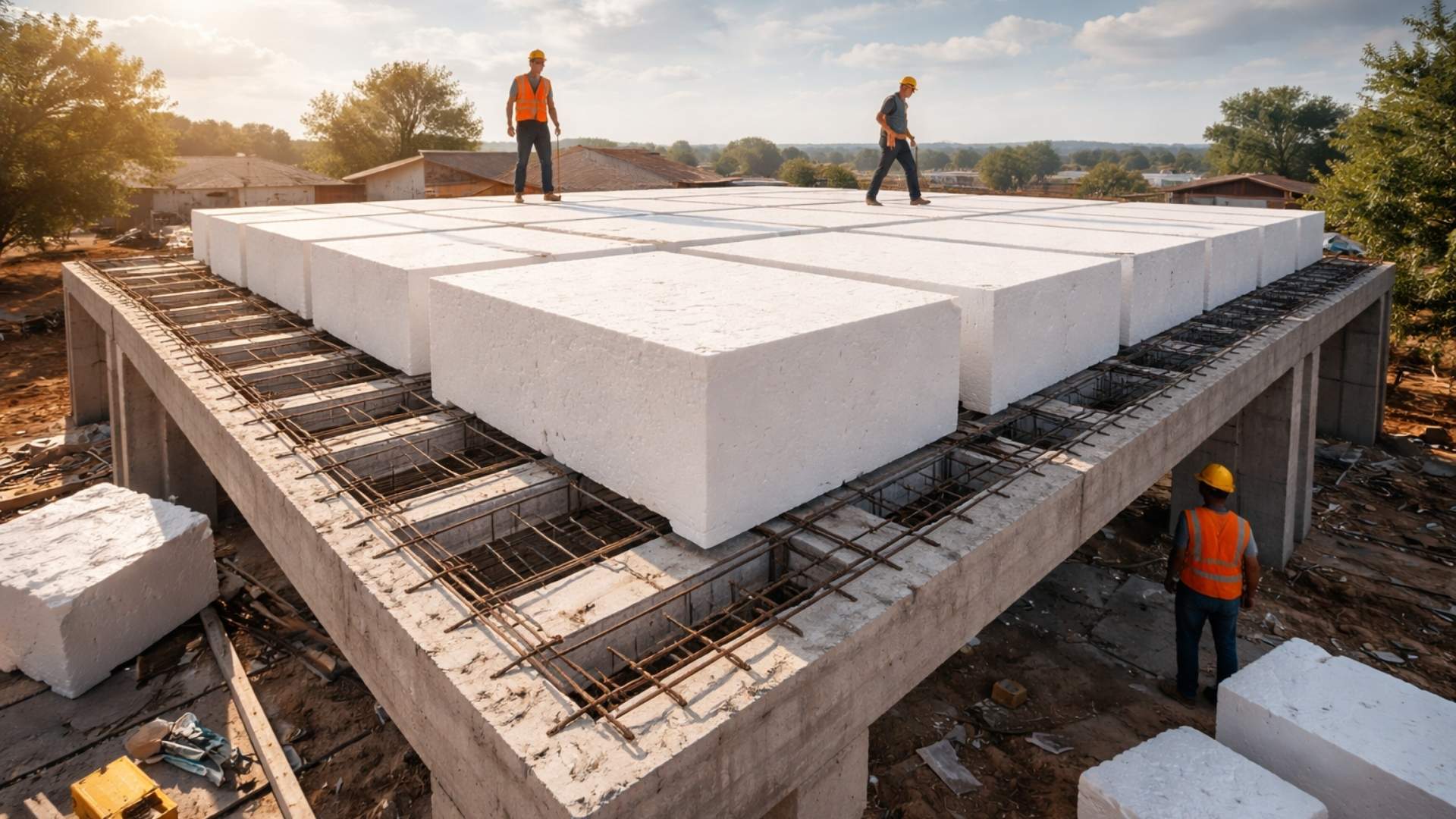
Forget concrete: architects are replacing tons of concrete with giant blocks of expanded polystyrene to build the roofs of houses and reduce structural weight by up to 50%, cut costs, improve thermal insulation, and speed up construction.
-
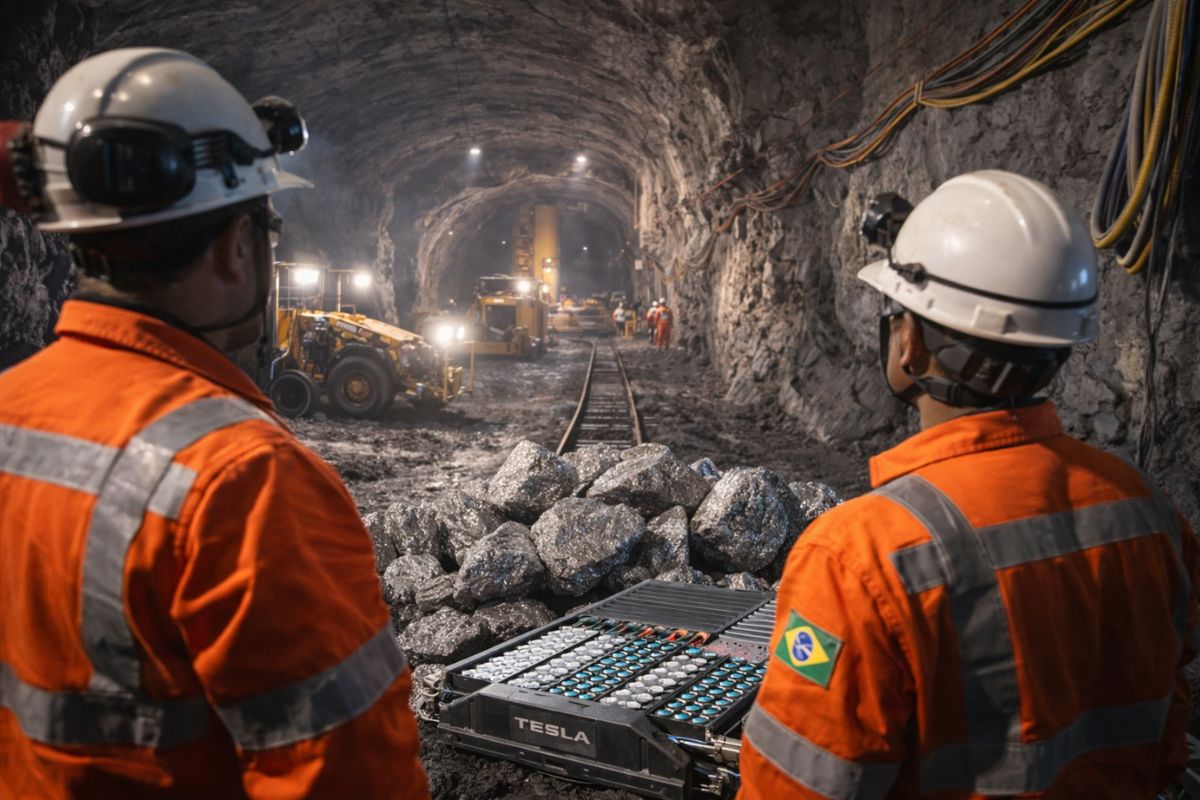
The Brazilian state enters the center of the global race for critical minerals by starting the construction of the largest underground nickel mine in Latin America, a mineral essential for electric car batteries that the entire world is competing for at this moment.
-
New CCR concrete paving technology promises roads up to 3x more durable, less maintenance, and cost reduction in Brazil.


While Palmas was being designed, Miracema do Tocantins served as a temporary capital. The milestone of Palmas’s founding occurred on May 20, 1989, with the laying of the cornerstone at the future Praça dos Girassóis. The official transfer of the capital took place on January 1, 1990.
Modern Urbanism in a New and Ambitious Planned Brazilian City
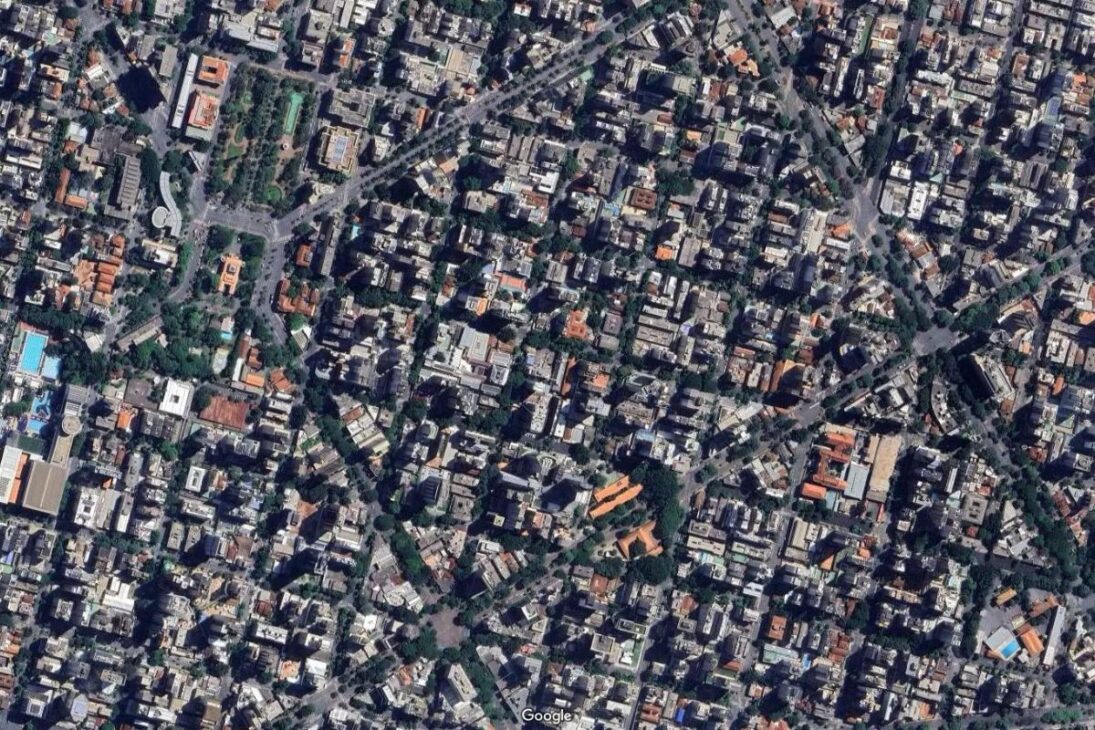
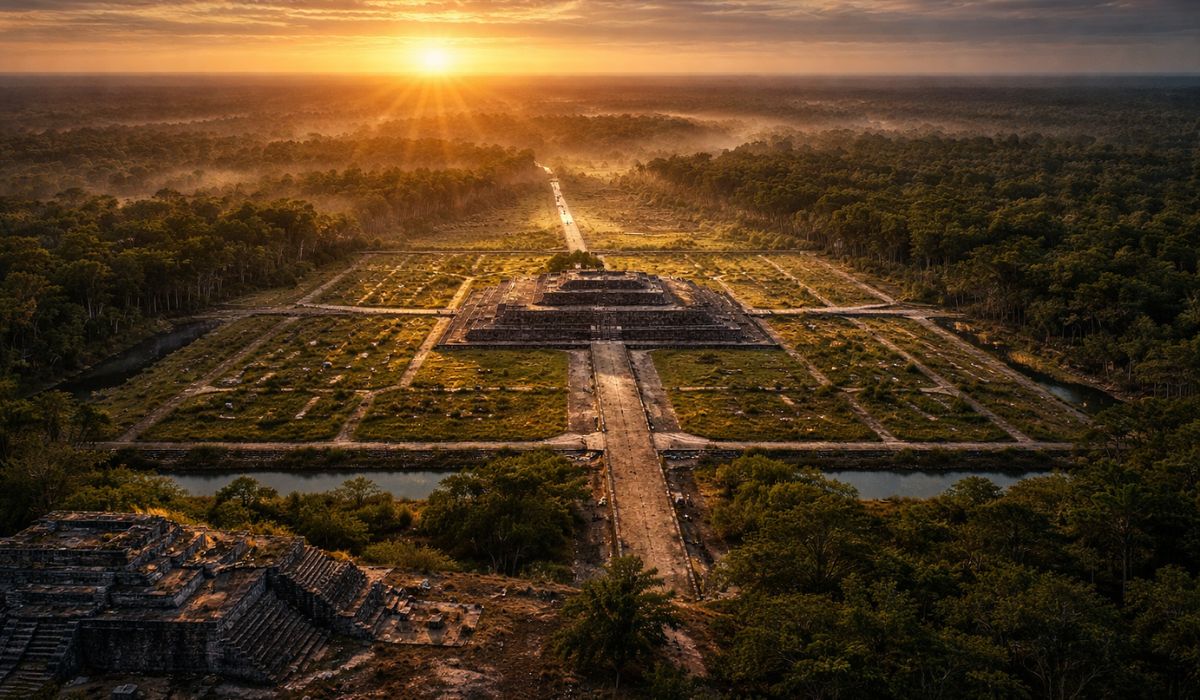
The urban project of Palmas was conceived by the Goiás architects Luiz Fernando Cruvinel Teixeira and Walfredo Antunes de Oliveira Filho, heavily influenced by Brasília and Goiânia. The urban structure is hierarchical, with an orthogonal road system and wide avenues, such as Teotônio Segurado and Juscelino Kubitscheck, which intersect at Praça dos Girassóis, the civic heart of the city.
Palmas was organized into large superblocks, planned with functional zoning for administrative, residential, and commercial activities. The goal was to integrate the city with the Cerrado biome, valuing landscaping elements and planning green areas. The first ten blocks of the plan were signed by the renowned architect Ruy Ohtake.
The Construction of Palmas
The news of the new capital attracted workers from all over Brazil, driven by the hope of opportunities. The pioneers faced adverse conditions, with little infrastructure, makeshift homes in canvas tents, a lot of dust in the dry season, and mud during the rains. Transportation and communication were inadequate.
Despite logistical and climatic obstacles, the implementation of the first administrative structures occurred remarkably quickly, driven by political urgency. The “Palacinho,” the first provisional government headquarters, for example, was built in just 45 days. This accelerated pace was crucial to solidifying Palmas as the capital.
The Development of Palmas Between the Master Plan and the Built Reality
Since its founding, Palmas experienced accelerated population growth, reaching 302,692 inhabitants in the 2022 Census. Its GDP surpassed R$ 10 billion in 2021. However, urban expansion significantly deviated from the original master plan, which envisioned progressive densification. A sprawling growth was observed, with distant developments emerging before the consolidation of central areas.
This phenomenon, driven by real estate appreciation in the center and policies directing population to the periphery, resulted in extensive urban voids and socio-spatial segregation. The sanitation infrastructure, although with good water coverage, still presents challenges in sewage collection and treatment, especially in the more distant areas of this planned Brazilian city.
Quality of Life, Contemporary Challenges, and the Legacy of a Planned Brazilian City for the 21st Century
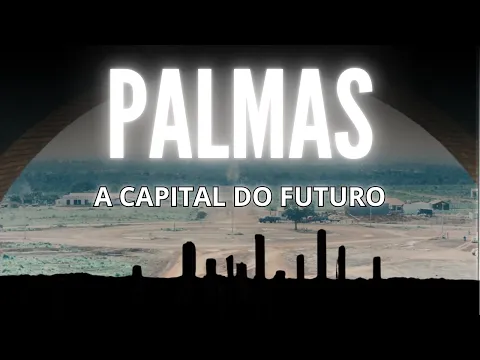

Palmas frequently receives positive ratings for its quality of life and has sought to position itself as a “smart city,” with initiatives in connectivity and entrepreneurship. However, the planned Brazilian city faces challenges such as the need to improve sustainable urban mobility, manage flooding, and promote land regularization.
The Municipal Urban Mobility Plan for 2024 and partnerships for strategic projects aim for more balanced development. Palmas, as the last major planned Brazilian city of the 20th century, offers valuable lessons about the limits of large-scale planning and the importance of adaptive and inclusive strategies for the future of cities.






Seja o primeiro a reagir!