





 Portuguese
  English
  Spanish
  3 min of reading
  0 comments


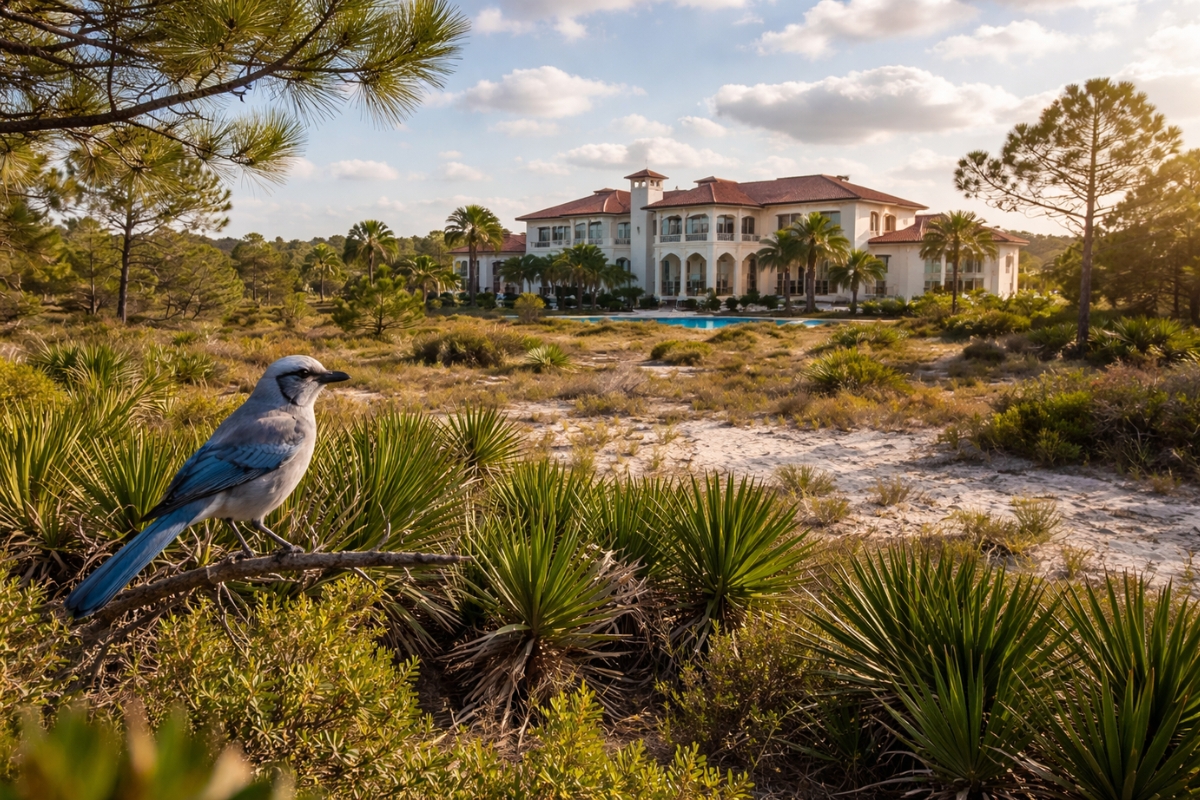
A businessman went to court after being charged for environmental rules related to the use of his land in the U.S. The dispute questions wildlife protection criteria and could provoke broad changes in the country’s environmental legislation
A businessman in the technology sector decided to build his home in southwestern Florida and ended up involved in a dispute that goes far beyond the property. The purchase of a piece of land has turned into a legal case with the potential to affect environmental rules across the country.
The amount charged is surprising. Even before starting any construction, he received a fee of 118,527 dollars, related to the possibility of a protected bird being present on the site.
Purchase of land in Florida becomes an environmental issue
The land, about two hectares, located in Punta Gorda, was acquired with the goal of building a permanent residence. However, the area is considered a potential habitat for a rare bird.
-
Brazilian city next to Natal holds the massacre of 1645, gathers the first saints of Brazil, and concentrates a cultural, religious, and popular heritage that many people still ignore.

-
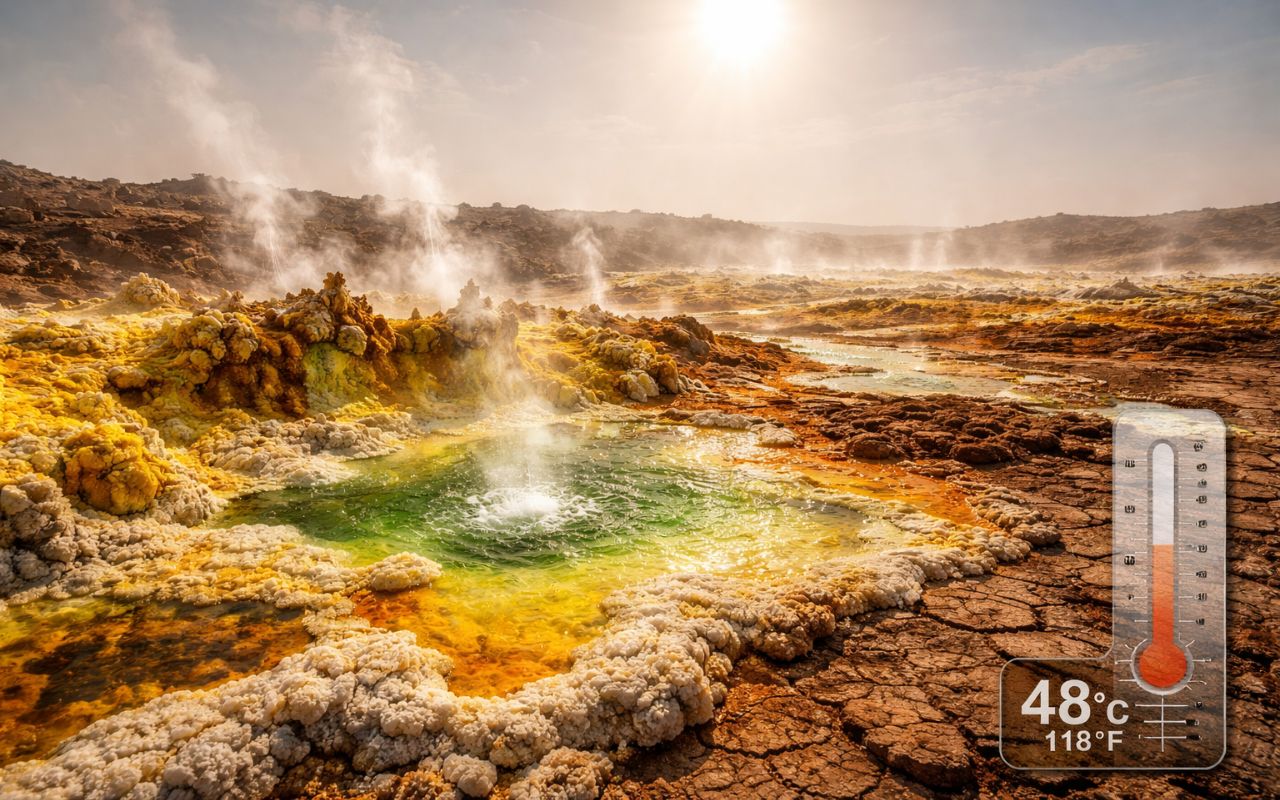
Few people know, but no one lives in this place, as it is considered the hottest on the planet; still, it surprises with unreal landscapes and extreme temperatures. Discover Dallol, in Ethiopia.
-
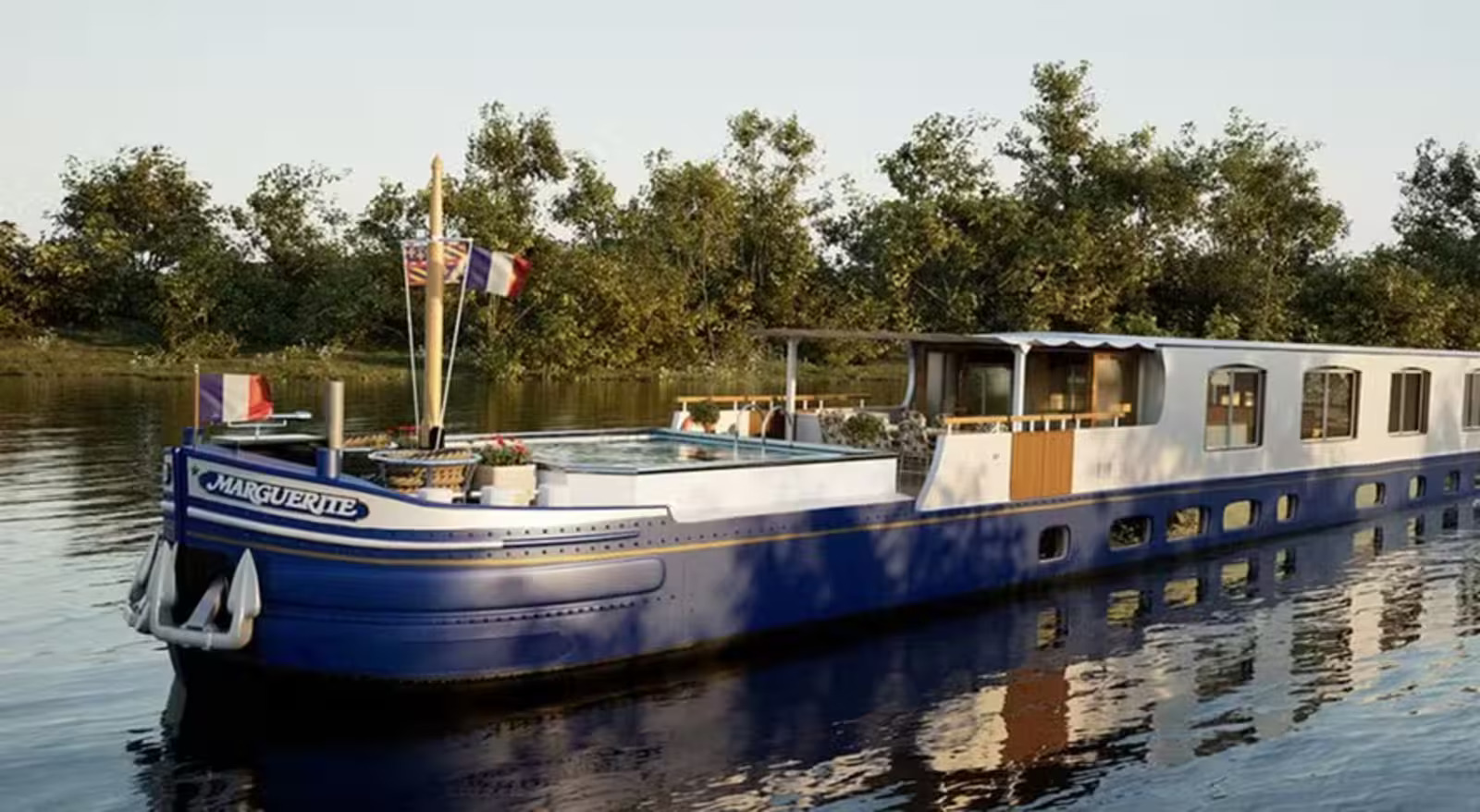
This 39-meter hotel boat offers luxury trips through France for around R$ 500,000, accommodates 8 guests, features 4 cabins inspired by golden daisies, and will debut in the European summer of 2026.
-
Measuring 13 meters in wingspan, the Boeing F-15EX Eagle II is an American multirole strike fighter capable of carrying 22 missiles and speeds exceeding Mach 2.5.

The financial impact appeared quickly. The charge was applied based on the total size of the area, regardless of how much would actually be used for construction.
Rare bird places property at center of dispute
The area is associated with the Florida scrub jay, a species considered threatened since 1987 by U.S. environmental legislation.
This type of protection allows local authorities to charge preservation fees in areas classified as potential habitat, even without direct confirmation of the bird’s presence on the land.

Charge could be cut in half with small change
The structure of the fee draws attention. If the land were about 280 square meters less, the amount would drop to 52,696 dollars, less than half.
The owner argues that the model is disproportionate and does not take into account the actual impact of the construction. Furthermore, he claims that there has been no concrete verification of the species’ presence in the area.
The legal dispute goes beyond the financial charge. The action questions whether the fee should be linked to the actual impact of the construction and also whether federal protection of the species is valid.
One of the central arguments maintains that, because it exists only in one state, the bird would not influence trade between regions, which could limit the federal government’s role in this type of protection.
Debate over economic value of the species generates reaction
Another controversial point involves the claim that the bird would not have significant economic value. Conservation experts contest this view with data from tourism and scientific research.
Records show that thousands of visitors and researchers travel to observe the species, generating indirect economic impact and relevant academic interest.
More than 1,200 species could be affected
The case could set a precedent. There are at least 1,229 threatened species that live in similar conditions, restricted to specific areas.
If the thesis advances, the protection of these species could be reviewed, significantly altering the environmental preservation system in the United States.
Records indicate presence of the bird in the region
Local data indicate that at least 15 individuals of the species were sighted around the property in the last year. Additionally, records show that other owners have already paid similar fees over the past years.
The land also already had prior notice about possible environmental impact, indicating that the value of the area could be affected by the presence of the protected habitat.
The dispute continues in court and could redefine how environmental laws are applied to private properties. The outcome has the potential to alter the balance between real estate development and environmental preservation.
The final decision is not expected to be limited to the individual case. The outcome could influence public policies and pressure how endangered species are protected in the United States.







Seja o primeiro a reagir!