





 English
  Francês
  Alemão
  Italiano
  Japonês
  Norueguês
  Portuguese
  Spanish
  3 min of reading
  0 comments


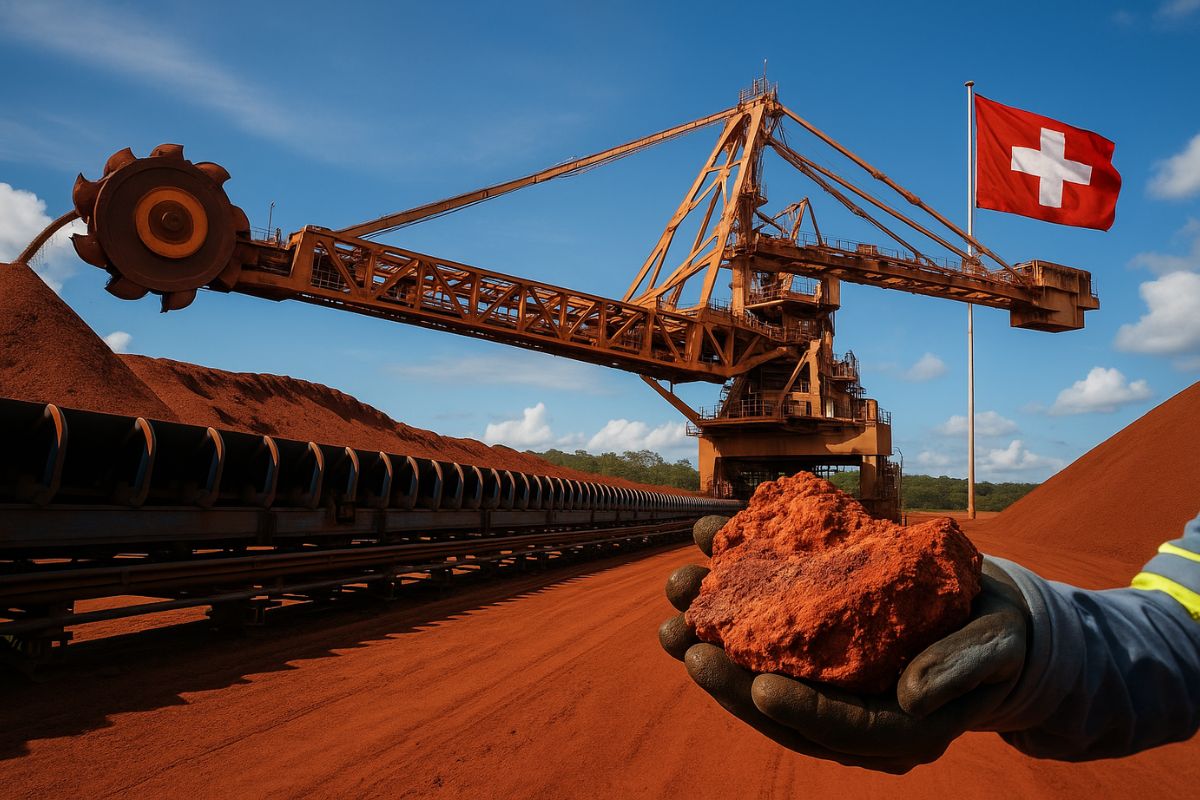
In A Complex Operation Involving Vale And Norsk Hydro, The Swiss Giant Glencore Became The Largest Shareholder Of The Rio Do Norte Mining Company (MRN), Redefining The Aluminum Market In Brazil.
A major transaction reconfigured the mining landscape in Brazil. The Swiss commodities giant Glencore acquired a 45% stake in Mineração Rio do Norte (MRN), the country’s largest bauxite producer. The deal, finalized at the end of 2023, involved the strategic exit of Vale and a portfolio optimization of the Norwegian Norsk Hydro.
The entry of Glencore into the Rio do Norte Mining Company, located in the heart of the Pará Amazon, was not a simple purchase, but a move that signals the growing competition for low-emission metals and the realignment of the world’s largest mining companies.
The Transaction Involving Vale, Norsk Hydro And Glencore
The acquisition was a complex operation, announced in April 2023 and completed on December 1, 2023. The mechanism, known as “back-to-back”, occurred in two stages.
-
Brazil extracts 26.3 million tons of ore from what was previously treated as waste, transforming residues into wealth, producing over 3 million tons of sand, and demonstrating how national mining is relearning to generate value.

-
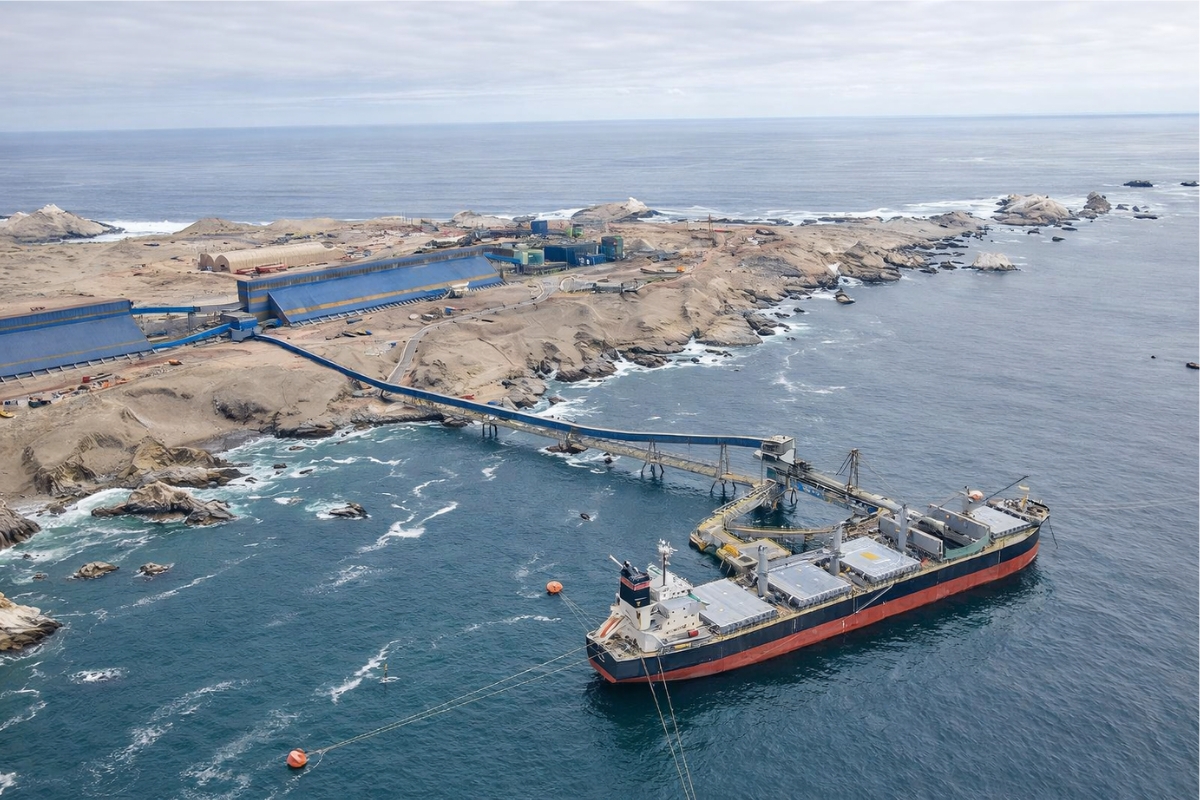
A $3.5 billion megaproject in Latin America pumps desalinated seawater at 1,050 liters per second over 194 km to keep a copper supermine in the Andes operational for another 20 years.
-
A hidden mine in the Andes valued at nearly R$ 1 trillion is starting to attract global attention, containing copper, gold, and silver, and raises an intriguing question: why do Argentina and Chile need to act together to exploit this gigantic wealth?
-
A silent discovery in the interior of Bahia could change the future of energy in Brazil: a uranium reserve in Lagoa Real has an estimated capacity to produce 400 tons per year and is already attracting the attention of energy sector specialists.

First, Vale sold its 40% stake in MRN to an affiliate of Norsk Hydro. Immediately afterward, Hydro transferred that same stake to Glencore, along with its own 5% already held in the mining company. Thus, Glencore consolidated 45% of the business, Vale exited completely from the operation, and Hydro also wiped out its stake in MRN.
What Is Mineração Rio do Norte (MRN)? The Bauxite Giant In Oriximiná (PA)
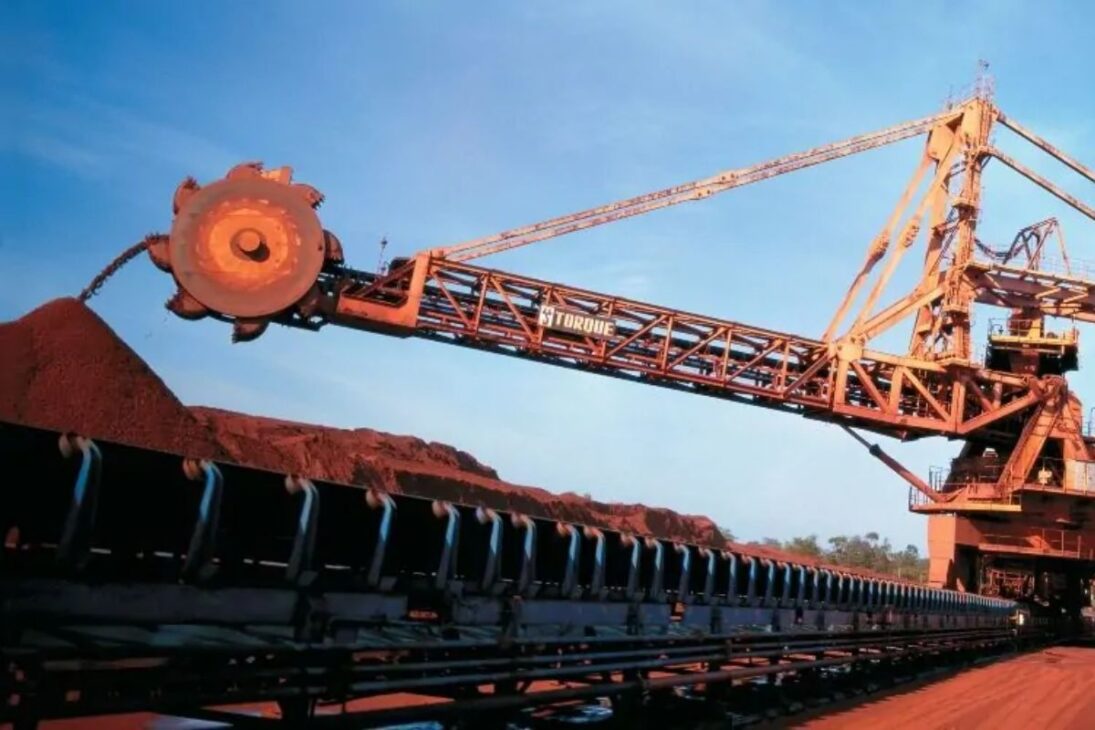
MRN is a globally scaled asset. Located in Porto Trombetas, in the municipality of Oriximiná (PA), it is the largest producer of bauxite in Brazil, with a capacity to produce about 12.5 million tons per year.
Despite the impressive volume, the company faced financial challenges. In 2023, MRN reported a net loss of R$ 717.6 million. This scenario, impacted by falling aluminum prices, was one of the factors that motivated the restructuring among its partners.
The Exit Of Vale And The Optimization Of Norsk Hydro
For Vale, the sale of its 40% stake for US$ 67.9 million was the final chapter of a long divestment program. The Brazilian miner is focusing all its efforts on its core and more profitable businesses: iron ore, copper and nickel. Bauxite was no longer a priority.
For the Norwegian Norsk Hydro, the deal was a maneuver for optimization. By selling its small stake in MRN and a 30% stake in its main refinery, Alunorte, to the same Glencore, the company raised capital and brought on a strong strategic partner to share future investment costs.
Glencore’s Bet: The Domination Of Low-Carbon Bauxite
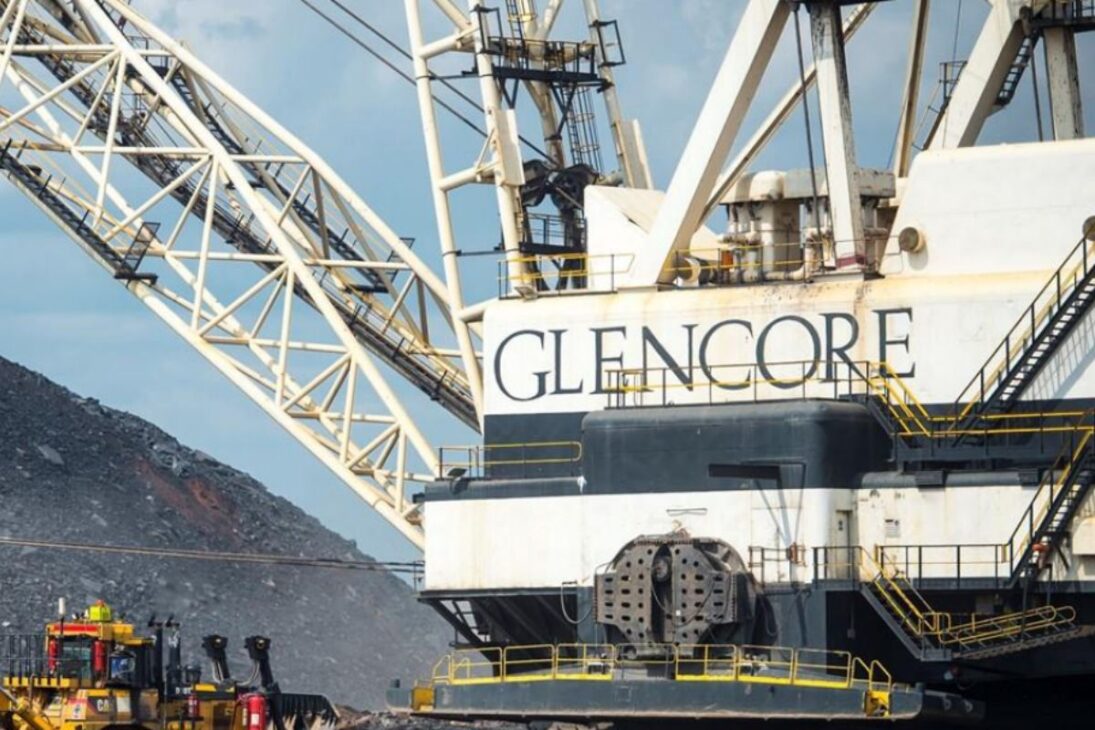
The entry of Glencore into the MRN is a strategic bet on the energy transition. The main attraction of the deal was access to a long-term supply of bauxite and alumina with a low carbon footprint, a product increasingly demanded by industries such as automotive.
By becoming the largest shareholder, Glencore secured the right to purchase 45% of the total production from MRN. This strengthens its powerful trading division and positions it as a dominant force in the aluminum supply chain across the Atlantic Basin.
The New Power Configuration In Brazilian Bauxite
With the completion of the deal, MRN has a new structure of shareholders. Glencore now holds the largest share at 45%. The other partners are South32 (33%), Rio Tinto (12%), and the Brazilian Companhia Brasileira de Alumínio (CBA) with 10%.
It is important to note that despite being the largest shareholder, Glencore enters as a non-operational partner. The daily management of the mine continues with an independent team that reports to a board made up of representatives from all partners. This move, however, marks a new era for the largest bauxite operation in Brazil.







-

Uma pessoa reagiu a isso.