





 Portuguese
  English
  Spanish
  3 min of reading
  4 comments


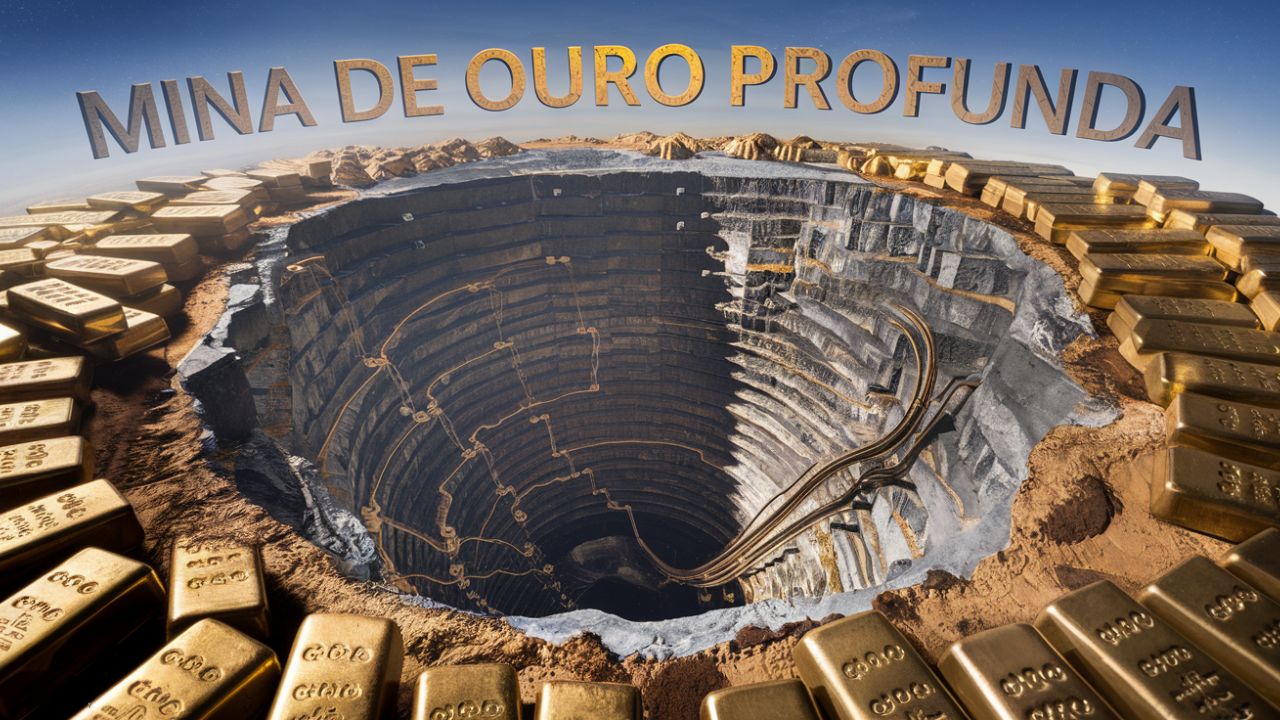


With More Than 3.8 Km Depth, Temperatures of 65°C and an Annual Production of Almost 240 Thousand Ounces of Gold, the Deepest Gold Mine in the World is a Marvel of Engineering and an Extreme Challenge for Miners.
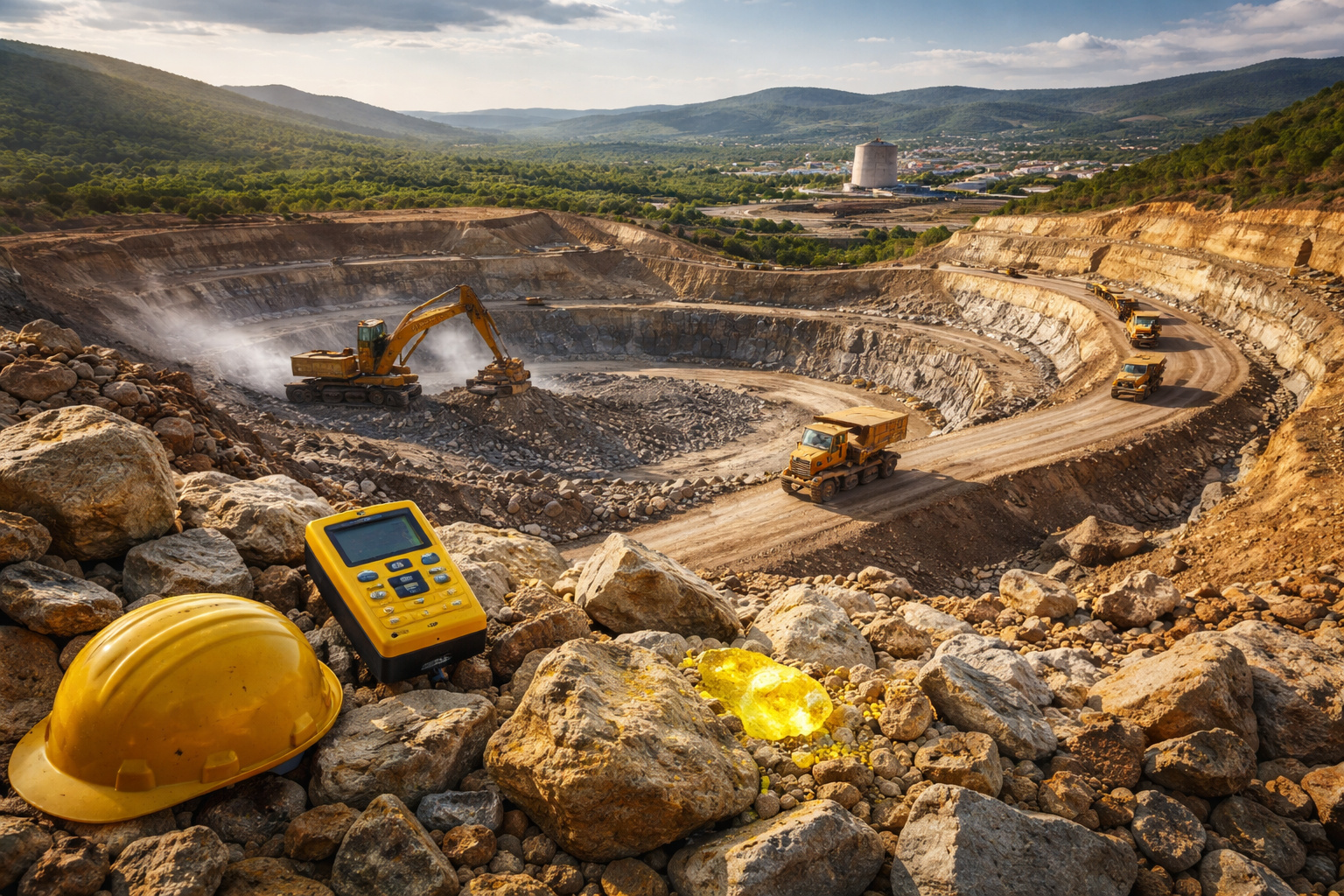
In South Africa, there is a mine that goes deeper into the Earth than any other. The Mponeng Gold Mine, located in Gauteng, is a true engineering colossus. With an impressive depth of 3,891 meters, it is a monument to human effort and the quest for precious wealth. Let’s explore this underground wonder?
Where Is the Deepest Gold Mine in the World?
The Mponeng mine is located in South Africa, a country known for its vast mineral reserves. Opened in 1986, it was previously called Western Deep Levels No1 Shaft. Currently, the mine belongs to Harmony Gold Mining, one of the largest mining companies in the world.
In addition to being an economic landmark, Mponeng is proof of what modern mining can achieve. In 2023, the mine produced about 239.49 thousand ounces of gold, solidifying its importance to the global market.
-
Brazil extracts 26.3 million tons of ore from what was previously treated as waste, transforming residues into wealth, producing over 3 million tons of sand, and demonstrating how national mining is relearning to generate value.
-
A $3.5 billion megaproject in Latin America pumps desalinated seawater at 1,050 liters per second over 194 km to keep a copper supermine in the Andes operational for another 20 years.
-
A hidden mine in the Andes valued at nearly R$ 1 trillion is starting to attract global attention, containing copper, gold, and silver, and raises an intriguing question: why do Argentina and Chile need to act together to exploit this gigantic wealth?
-
A silent discovery in the interior of Bahia could change the future of energy in Brazil: a uranium reserve in Lagoa Real has an estimated capacity to produce 400 tons per year and is already attracting the attention of energy sector specialists.
Diving to the Center of the Earth

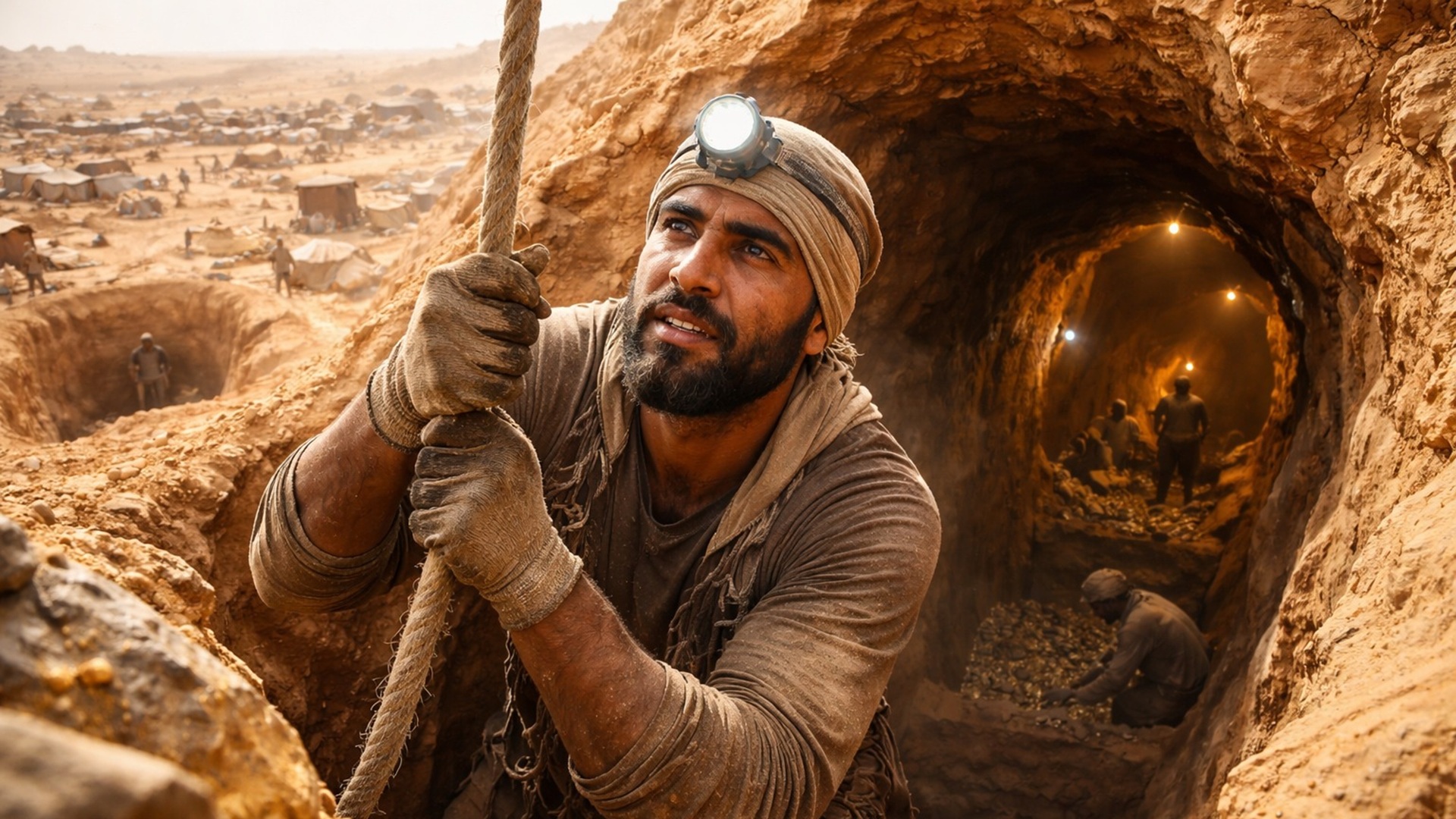
Entering the Mponeng mine is like embarking on a journey to the planet’s core. At more than 3.8 km deep, it is equivalent to half the height of Mount Everest… but in the opposite direction! The journey to the deepest levels can take more than an hour, and every inch is a testament to cutting-edge engineering.
The gold mine tunnels are reinforced with concrete and steel, ensuring safety in such a hostile environment. Interestingly, even artificial diamonds are used to reinforce the protective mesh.
Extremely Hot Challenges
At the deepest levels, heat is one of the biggest challenges. The rocks reach temperatures of up to 150°F (approximately 65°C). To combat this, an innovative cooling system pumps ice throughout the mine, keeping the environment at manageable temperatures for the workers.
It’s like trying to cool a giant oven — a task that requires creativity and cutting-edge technology. Miners depend on this system to endure long work shifts.
The cooling of the gold mine is done using enormous blocks of ice, which are distributed along the tunnels. An insulation system helps keep the circulating air cooler, reducing the impact of extreme heat. Without this technology, mining at such extreme depths would be impossible.
Economic and Social Impact of the Mponeng Mine
The Mponeng gold mine is not just a deep pit; it is an economic engine. The annual gold production supports not only the mining company but also the surrounding communities. Entire cities depend on the mine’s activity for jobs and infrastructure.
The mine houses thousands of workers who face daily challenges in search of hidden riches. These professionals play a vital role in maintaining the global flow of gold.
Engineering at the Limit
The depth of the Mponeng mine is a testing ground for modern engineering. From giant elevators that transport hundreds of workers to advanced excavation techniques, everything is designed to maximize efficiency and safety.
The future of the mine is equally impressive: there are plans to explore even greater depths. This could mean even more gold — and more challenges to overcome.







E o povo lá passa fome como pode isso as riquezas do povo e vendida deus tenque acaba com esse mundo mesmo
Muito interessante! Parabéns pela matéria.
romulorangel.blogspot.com
Uma onça de ouro equivale a 28,35 gramas. Aí é só fazer a conta.