





 Portuguese
  English
  Spanish
  3 min of reading
  0 comments


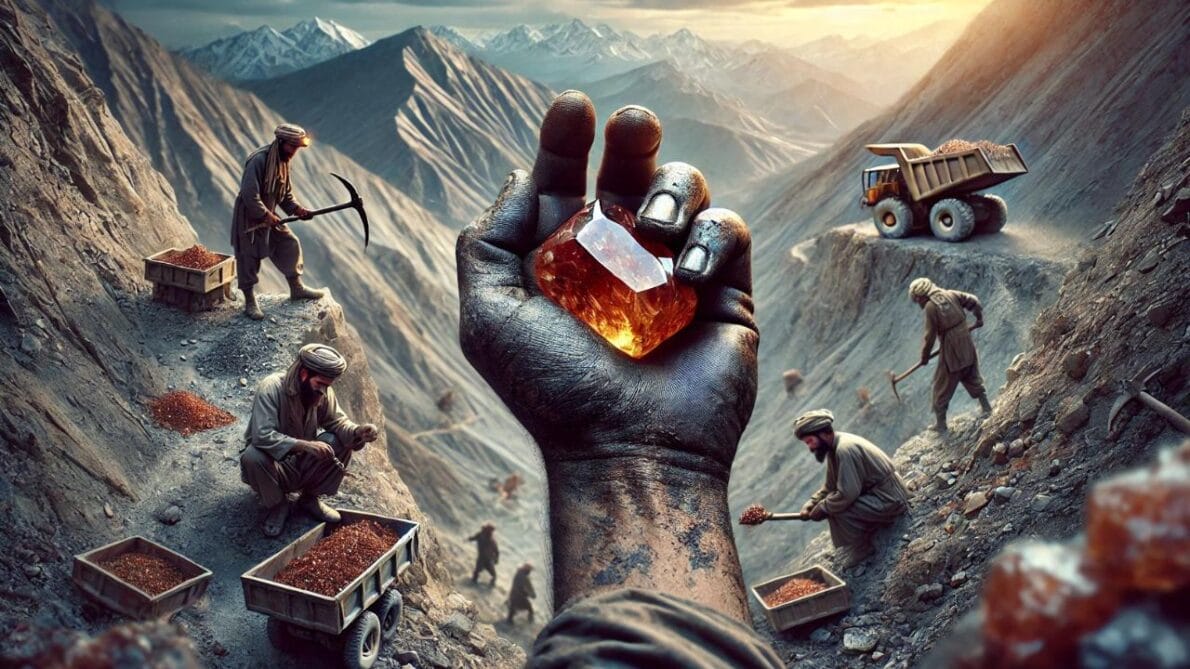
The Untold Story: Tourmaline Mining in Afghanistan
Tourmaline mining in Afghanistan is a story full of contrasts, where the beauty of gemstones meets the harsh reality of a country ravaged by decades of conflict. But, what do we really know about this process? And how does it affect the lives of those who risk their lives daily in the mines in search of these valuable gems?
Imagine dusty tunnels, blasted by men who inherited explosives from past wars. These underground corridors, carved over the years, hold unimaginable secrets and riches. Habibah, an experienced 55-year-old miner, knows every inch of these treacherous mountains and leads a group that seeks the coveted tourmaline.
Afghanistan Houses About 3 Trillion Dollars in Precious Minerals
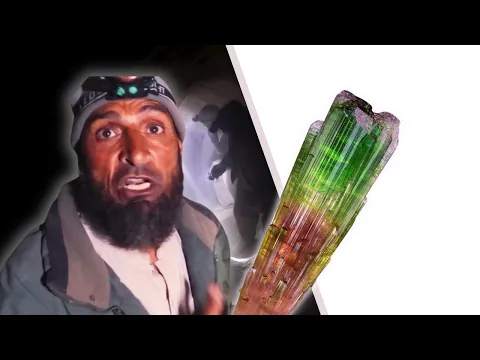

The mountains of Afghanistan hold about 3 trillion dollars in precious minerals, without regulation or defined ownership. For decades, insurgents and the Taliban have extracted and smuggled these stones, using the profits to fund conflicts. This vicious cycle keeps the country trapped in poverty, despite its vast natural wealth.
-
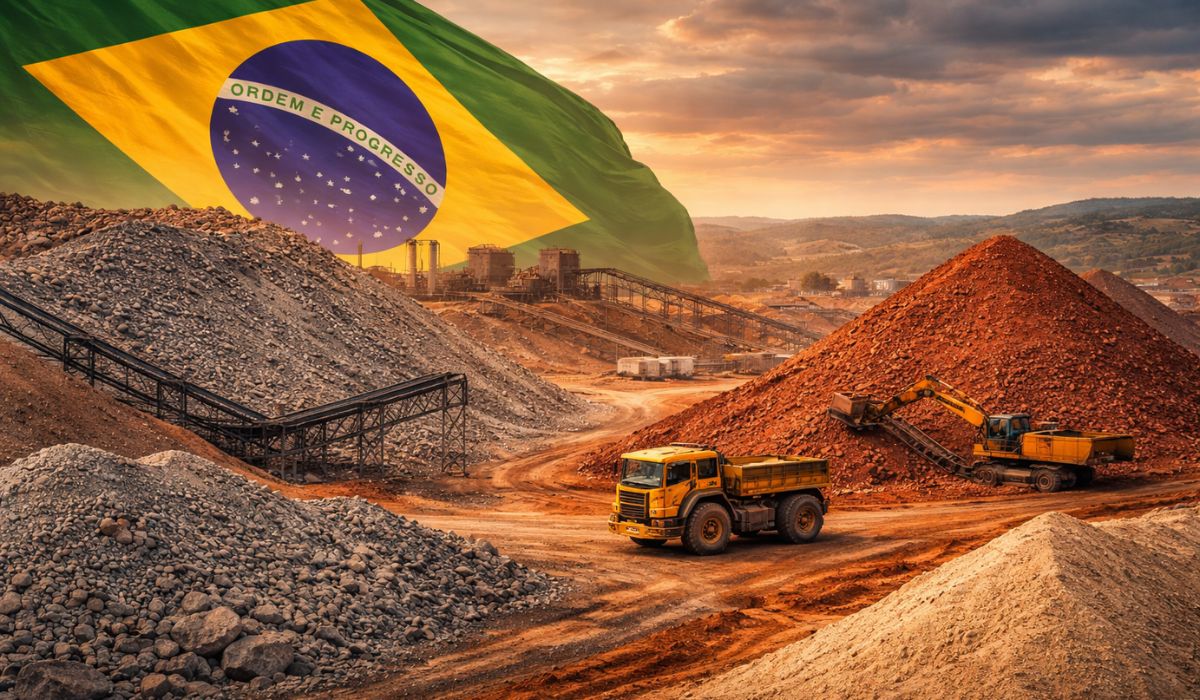
Brazil extracts 26.3 million tons of ore from what was previously treated as waste, transforming residues into wealth, producing over 3 million tons of sand, and demonstrating how national mining is relearning to generate value.
-
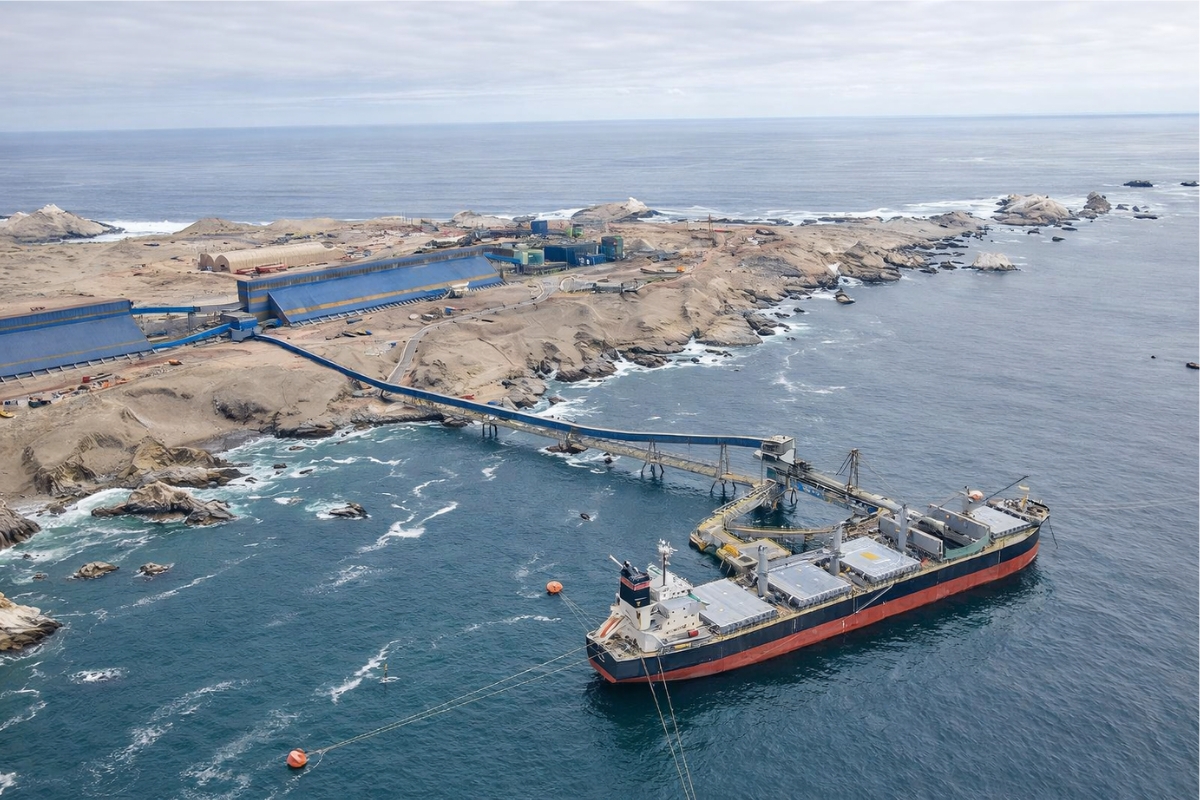
A $3.5 billion megaproject in Latin America pumps desalinated seawater at 1,050 liters per second over 194 km to keep a copper supermine in the Andes operational for another 20 years.
-
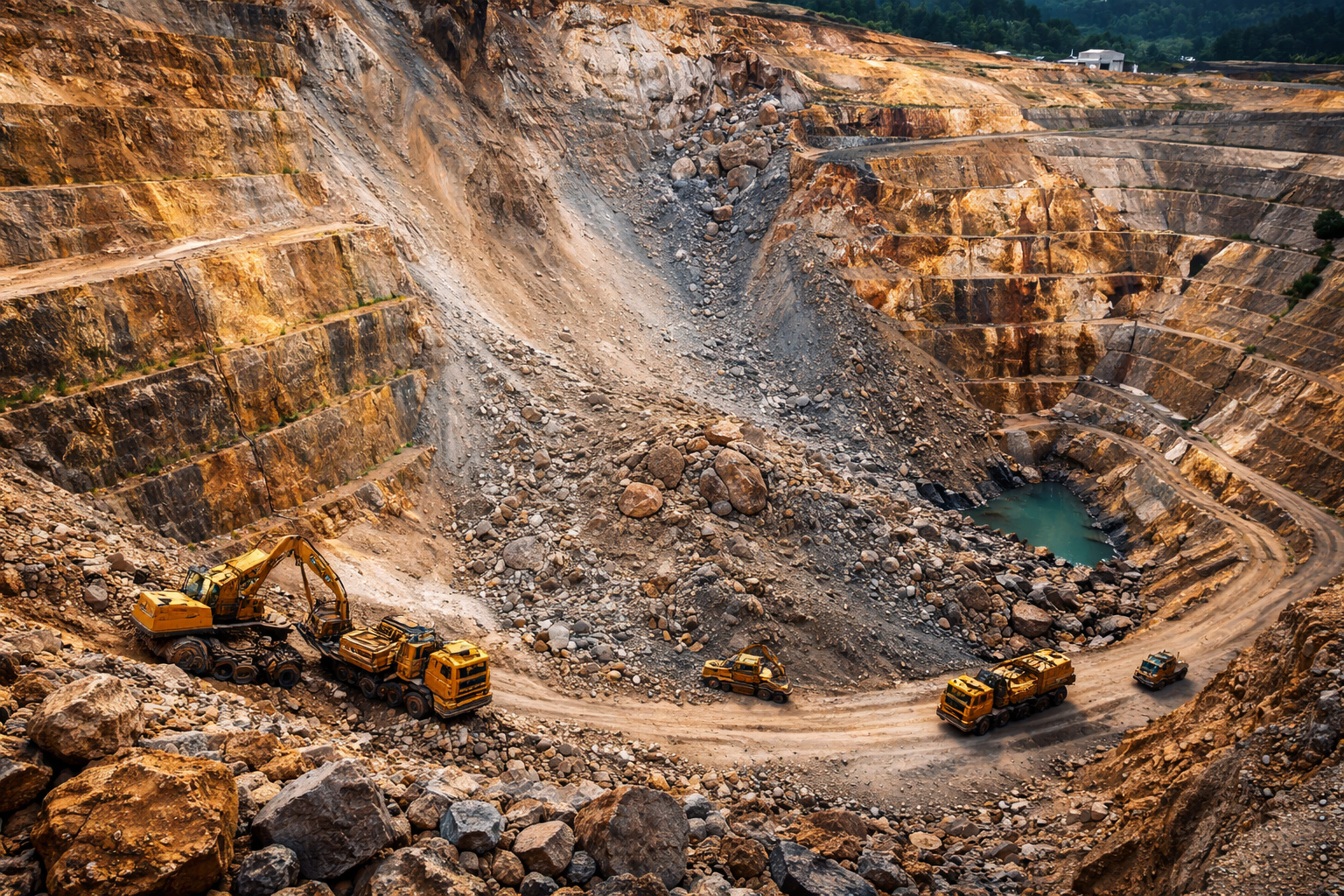
A hidden mine in the Andes valued at nearly R$ 1 trillion is starting to attract global attention, containing copper, gold, and silver, and raises an intriguing question: why do Argentina and Chile need to act together to exploit this gigantic wealth?
-
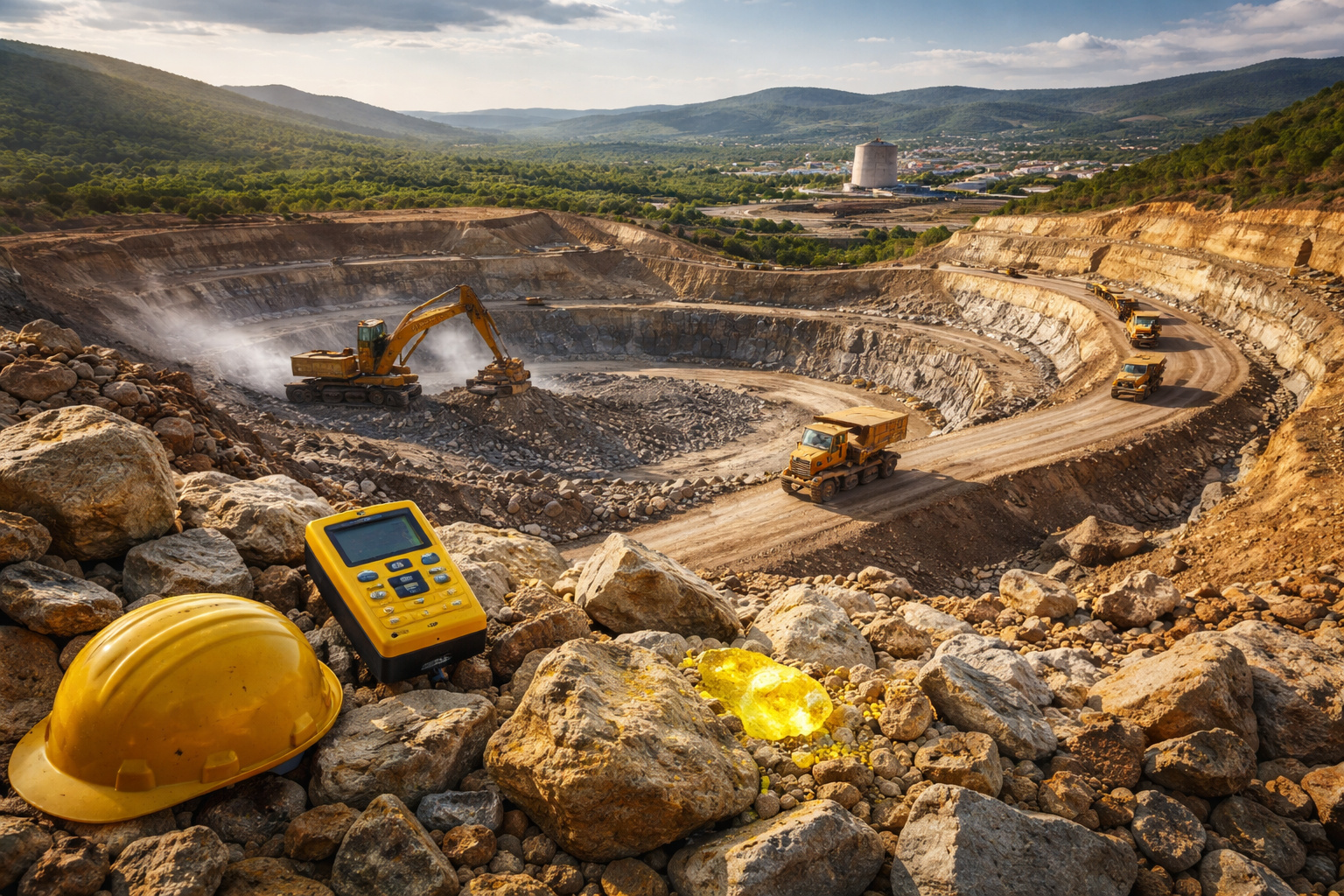
A silent discovery in the interior of Bahia could change the future of energy in Brazil: a uranium reserve in Lagoa Real has an estimated capacity to produce 400 tons per year and is already attracting the attention of energy sector specialists.

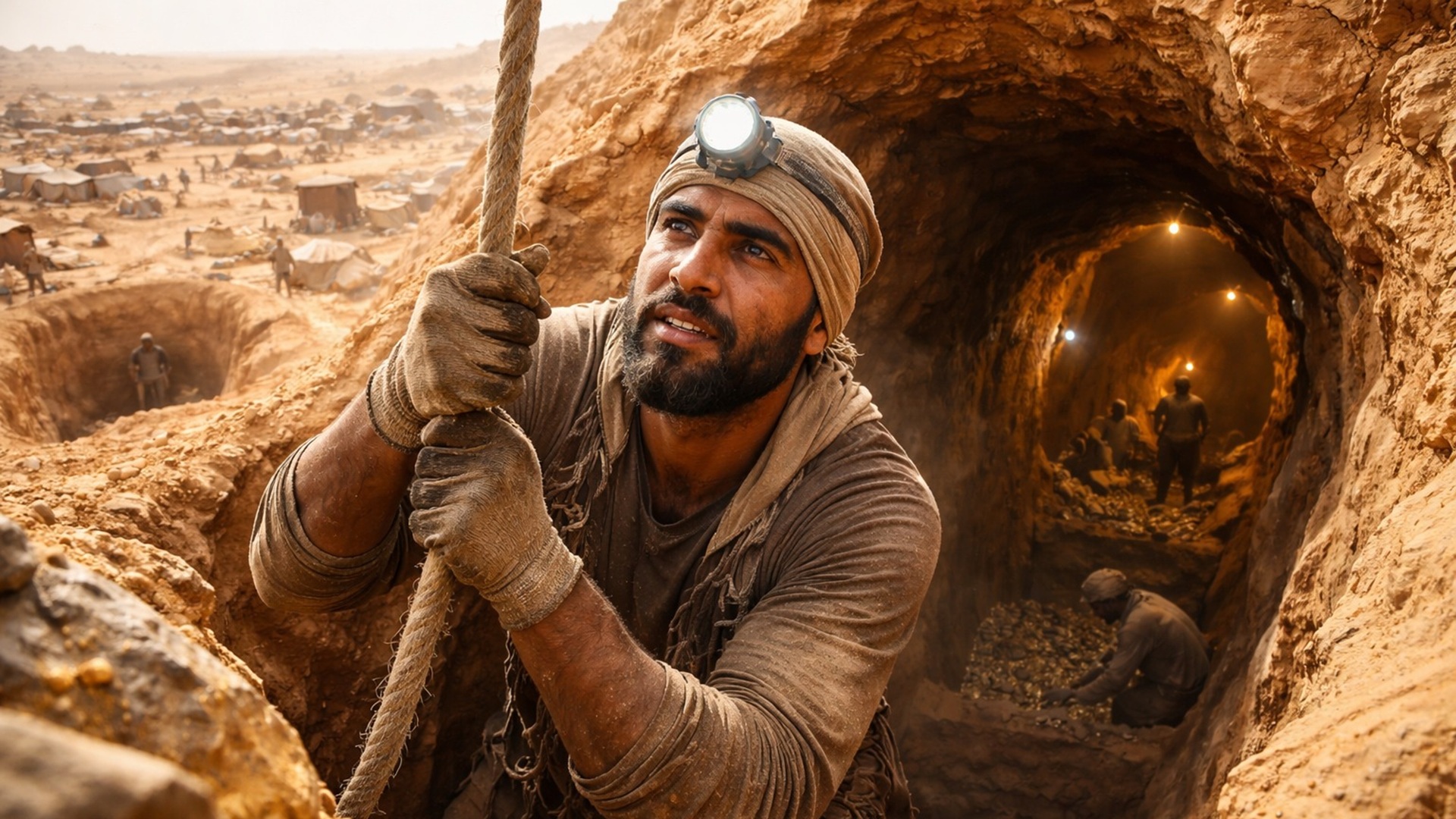
Habibah and his cousins, armed with decades of experience, face arduous journeys to reach the mining sites, located over 3,000 meters above sea level. Using donkeys to transport equipment, they live in extreme conditions for months on end. The first time Habibah spotted a tourmaline in these mountains was 25 years ago. Since then, his passion and need for sustenance have kept him steadfast in this dangerous pursuit.
Tourmaline Mining Is Not Just a Matter of Perseverance and Technique
Inside the mines, the challenges are numerous. The lack of oxygen is fought with narrow pipes that pump fresh air from fans on the surface. The constant inhalation of dust can cause irreversible damage to the workers’ lungs. But that does not deter them. Determined, they drill the rock, insert explosives, and hope that the dynamite reveals the precious gems.
Unfortunately, tourmaline mining is not just a matter of perseverance and technique. In 2019, 30 miners were buried alive in a gold mine in another province, demonstrating the constant dangers of this activity. And the Taliban’s threat is a constant presence. Recently, Habibah and his team had to abandon the mine in haste upon hearing rumors of the insurgent group’s approach.
Smuggling of Precious Stones
During the 20-year war, the Taliban and other insurgent groups controlled most of the mines, profiting up to 20 million dollars a year from the smuggling of precious stones. With the Taliban reclaiming control of Afghanistan, these resources continue to finance the regime, while miners like Habibah struggle to find buyers in an international market reluctant to trade with the country.
Tourmaline mining in Afghanistan is a reflection of the country’s paradox: a land rich in resources yet marked by poverty and conflict. For Habibah and many others, hope lies in the depths of the mountains, where each explosion of dynamite can bring not only shining gems but also a spark of change and opportunity.








Seja o primeiro a reagir!