






 Portuguese
  Spanish


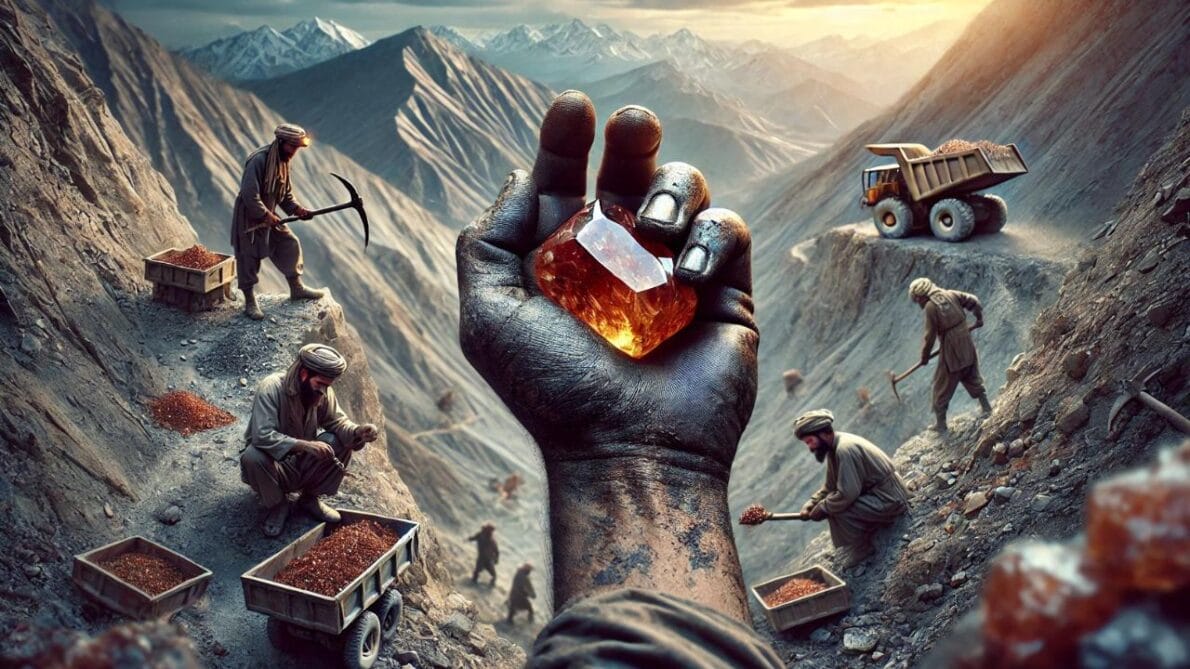

The Untold Story: Tourmaline Mining in Afghanistan
Tourmaline mining in Afghanistan is a story full of contrasts, where the beauty of gemstones meets the harsh reality of a country ravaged by decades of conflict. But, what do we really know about this process? And how does it affect the lives of those who risk their lives daily in the mines in search of these valuable gems?
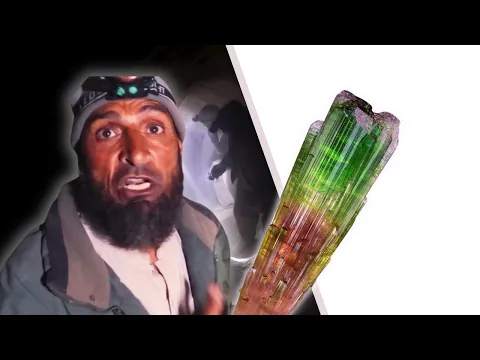
Imagine dusty tunnels, blasted by men who inherited explosives from past wars. These underground corridors, carved over the years, hold unimaginable secrets and riches. Habibah, an experienced 55-year-old miner, knows every inch of these treacherous mountains and leads a group that seeks the coveted tourmaline.
Afghanistan Houses About 3 Trillion Dollars in Precious Minerals

The mountains of Afghanistan hold about 3 trillion dollars in precious minerals, without regulation or defined ownership. For decades, insurgents and the Taliban have extracted and smuggled these stones, using the profits to fund conflicts. This vicious cycle keeps the country trapped in poverty, despite its vast natural wealth.
-
U.S. Invests $75 Million in Projects to Extract Rare Earths, Gallium, Germanium, and Aluminum from Coal Waste

-
Eni Acquires 25% Stake in Chilean Lithium Project, Plans to Invest Up to $225 Million in Eco-Friendly Extraction Method
-
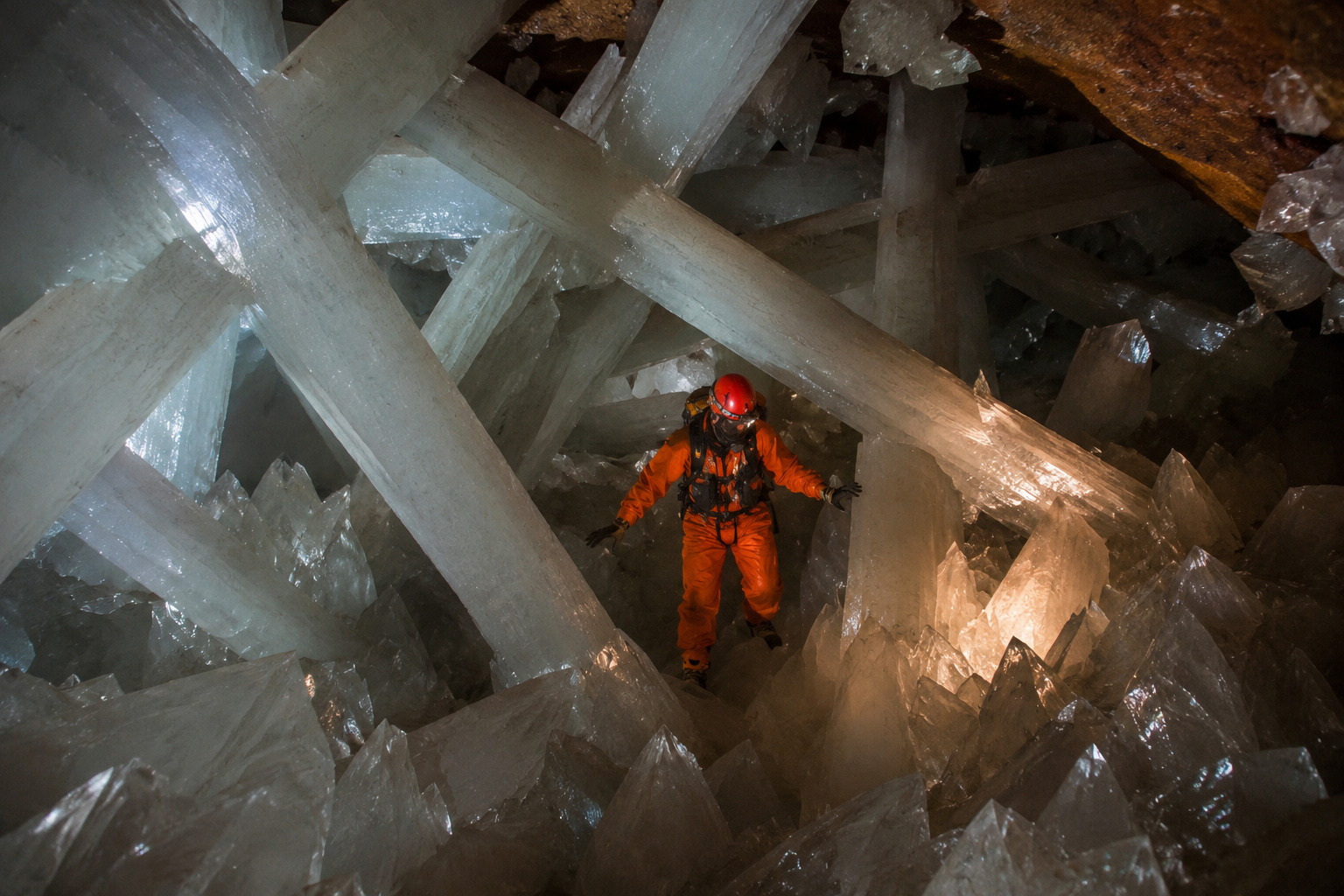
Mexico’s Giant Crystal Cave: A Deadly 58°C Underground Palace with 11-Meter Crystals Formed Over Nearly a Million Years

-
China Dominates Over 90% of Rare Earth Refining, Prompting Global Concerns: Canada and Japan Launch Billion-Dollar Plan to Reduce Dependency and Safeguard Batteries, Semiconductors, and Defense


Habibah and his cousins, armed with decades of experience, face arduous journeys to reach the mining sites, located over 3,000 meters above sea level. Using donkeys to transport equipment, they live in extreme conditions for months on end. The first time Habibah spotted a tourmaline in these mountains was 25 years ago. Since then, his passion and need for sustenance have kept him steadfast in this dangerous pursuit.
Tourmaline Mining Is Not Just a Matter of Perseverance and Technique
Inside the mines, the challenges are numerous. The lack of oxygen is fought with narrow pipes that pump fresh air from fans on the surface. The constant inhalation of dust can cause irreversible damage to the workers’ lungs. But that does not deter them. Determined, they drill the rock, insert explosives, and hope that the dynamite reveals the precious gems.
Unfortunately, tourmaline mining is not just a matter of perseverance and technique. In 2019, 30 miners were buried alive in a gold mine in another province, demonstrating the constant dangers of this activity. And the Taliban’s threat is a constant presence. Recently, Habibah and his team had to abandon the mine in haste upon hearing rumors of the insurgent group’s approach.
Smuggling of Precious Stones
During the 20-year war, the Taliban and other insurgent groups controlled most of the mines, profiting up to 20 million dollars a year from the smuggling of precious stones. With the Taliban reclaiming control of Afghanistan, these resources continue to finance the regime, while miners like Habibah struggle to find buyers in an international market reluctant to trade with the country.
Tourmaline mining in Afghanistan is a reflection of the country’s paradox: a land rich in resources yet marked by poverty and conflict. For Habibah and many others, hope lies in the depths of the mountains, where each explosion of dynamite can bring not only shining gems but also a spark of change and opportunity.








