





 Portuguese
  English
  Spanish
 5 min of reading
  1 comment


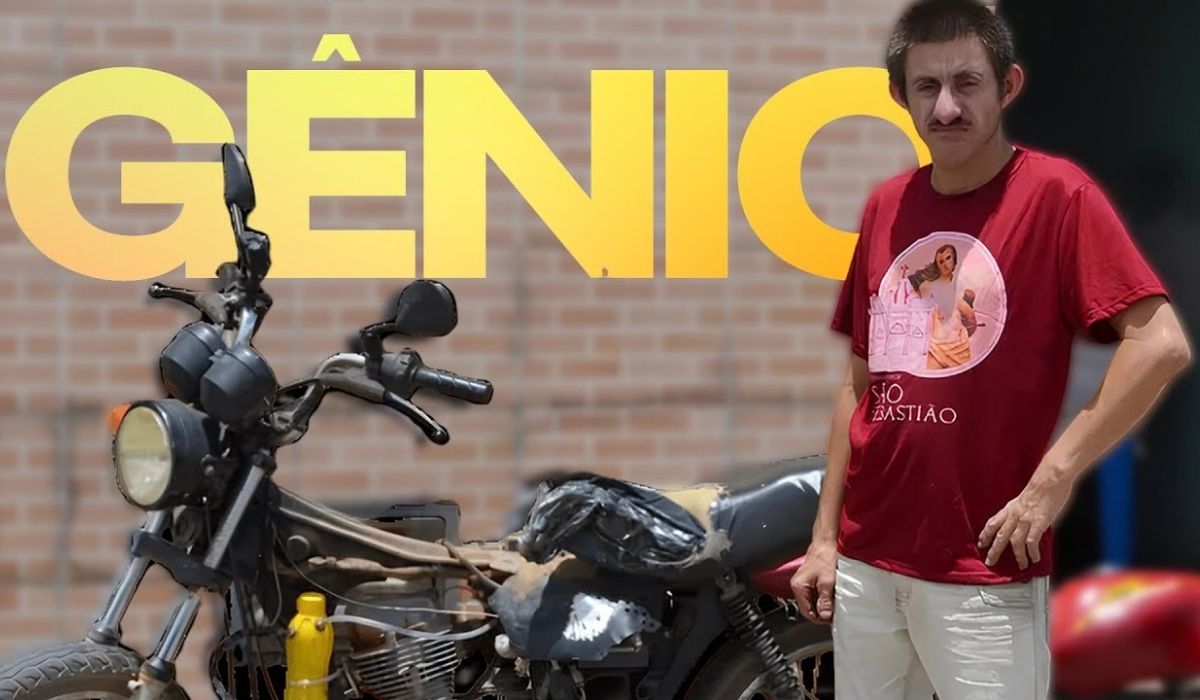


Invention Created in the Interior of Paraíba Returns to the Spotlight with Promises of High Autonomy and Low Consumption, While the Lack of Technical Validation Keeps the Case in Debate Over Innovation, Safety, and Alternative Mobility.
A prototype developed by the Paraíba resident Sandro Alves de Oliveira, who lives in Alagoa Nova in the Agreste region of Paraíba, has returned to circulation on social media due to the autonomy announced for the vehicle.
According to the inventor, the motorcycle he adapted would be capable of running 1,000 kilometers on 1 liter of water.
The case gained prominence in 2018, during the fuel supply crisis caused by the truck drivers’ strike, but this performance has not been publicly confirmed in independent tests nor has it received any known technical certification.
-
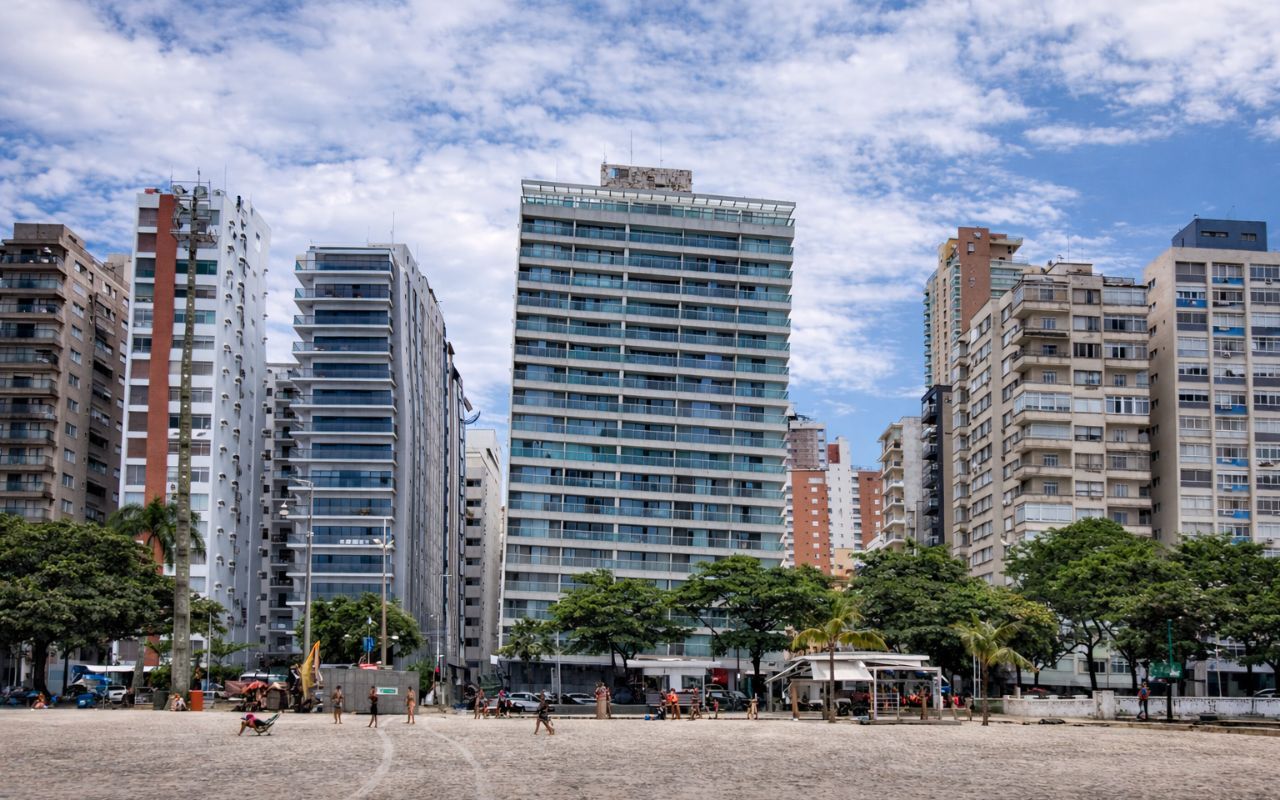
The Brazilian city has 319 crooked buildings built on sandy soil without proper deep foundations, houses the largest beach garden in the world, with over 5 km, and is still considered the birthplace of surfing — meet Santos, in São Paulo.
-
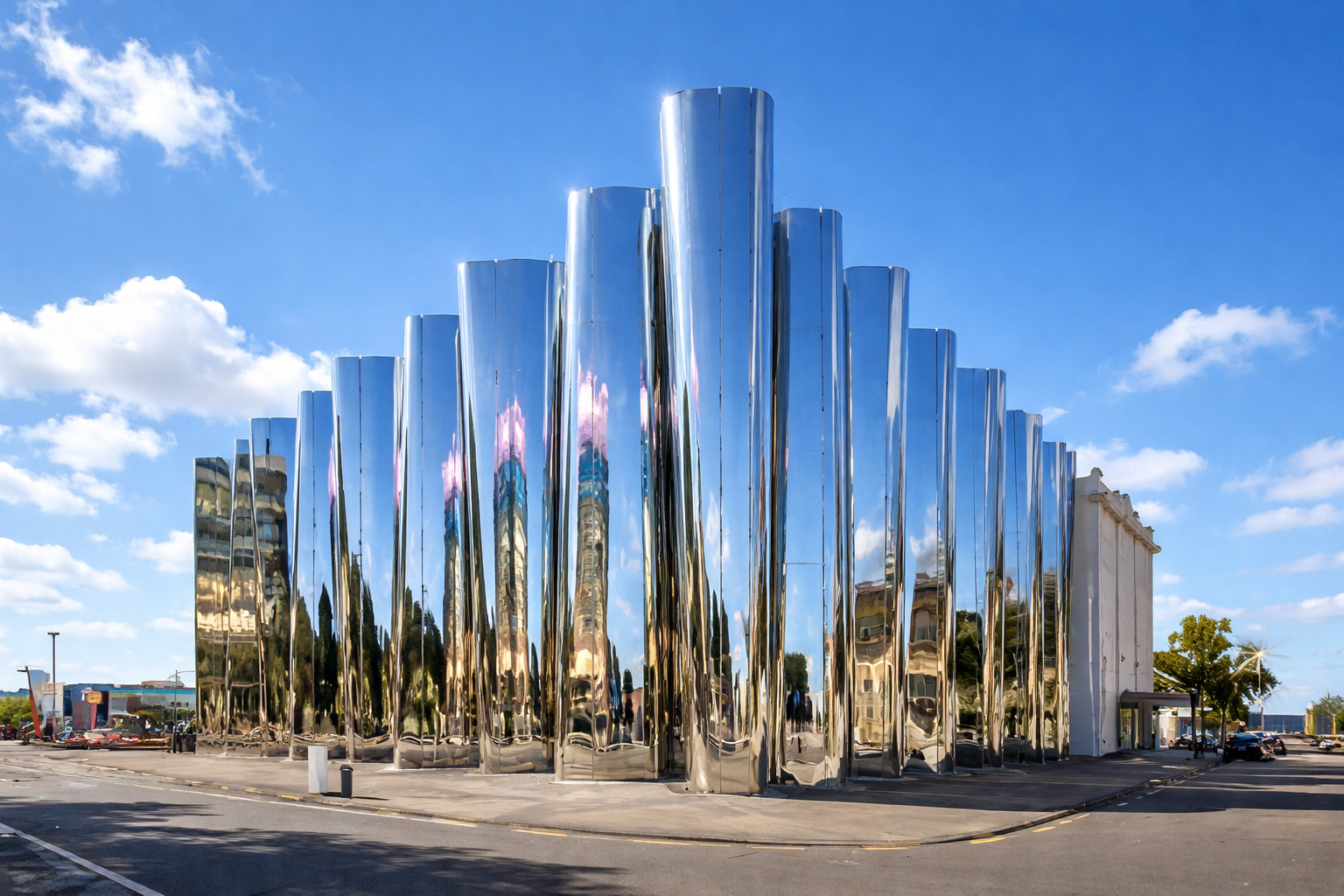
New Zealand builds a shimmering building that vibrates, featuring a 62-seat cinema, moving sculptures, and an environment where sound, light, and energy are felt in the body.
-
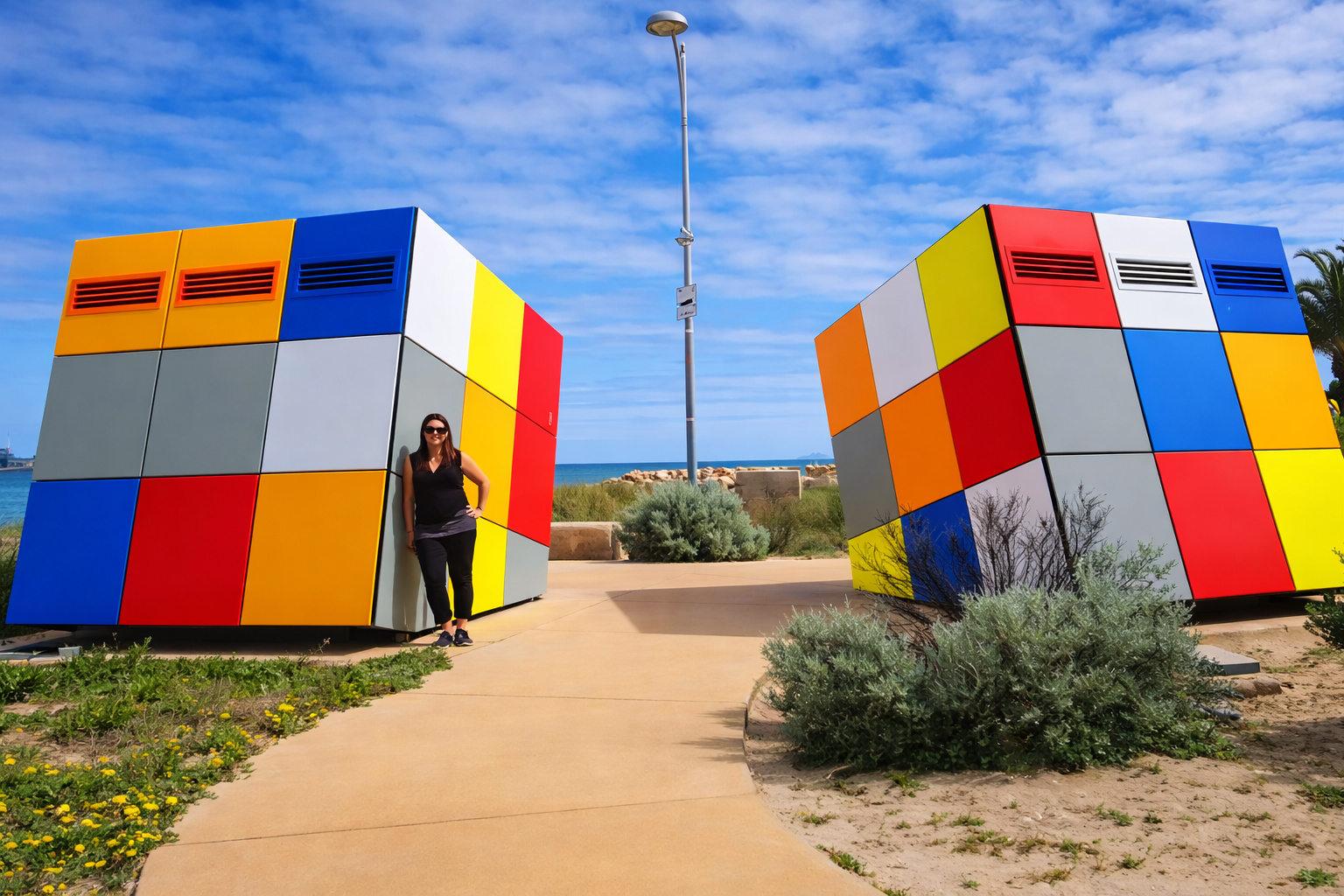
Two colored cubes of 2.5 m transform a public bathroom into a selfie spot in Western Australia, costing up to 75% less than traditional construction and helping to reduce vandalism in public spaces.
-
Santa Catarina produces up to 7 times more than it consumes in some sectors, and its century-old industries founded by grandparents and great-grandparents now compete on equal footing with Germany and the United States in the international market.

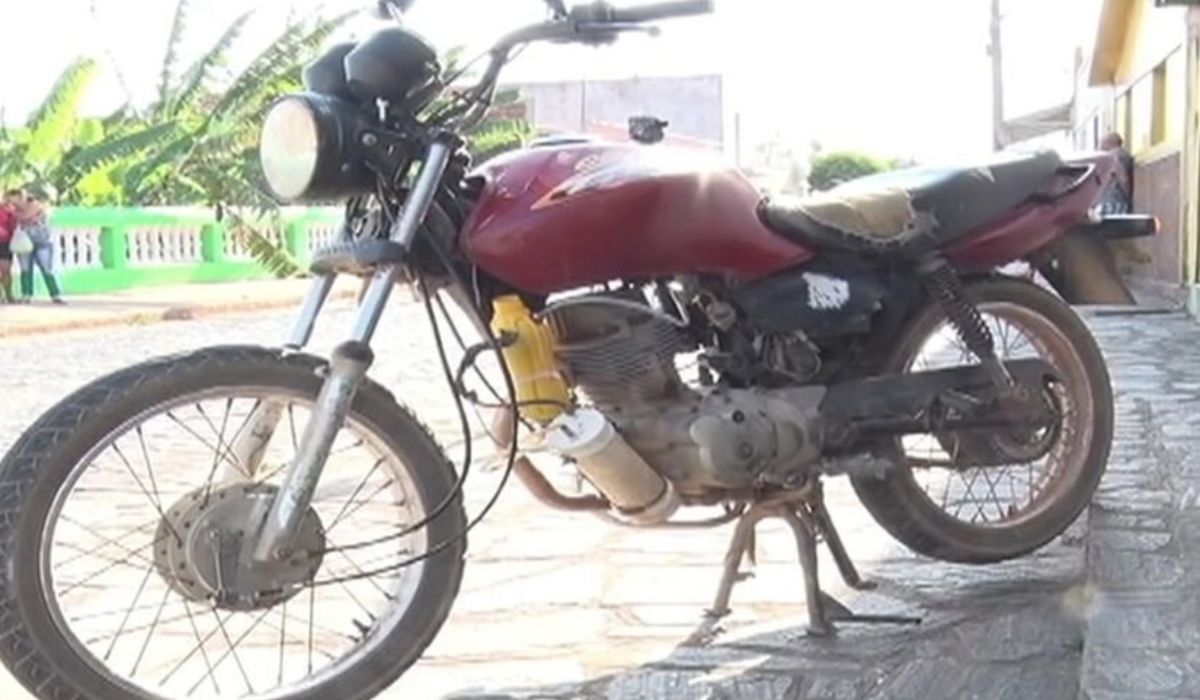
The adaptation was presented as an alternative to traditional fuel.
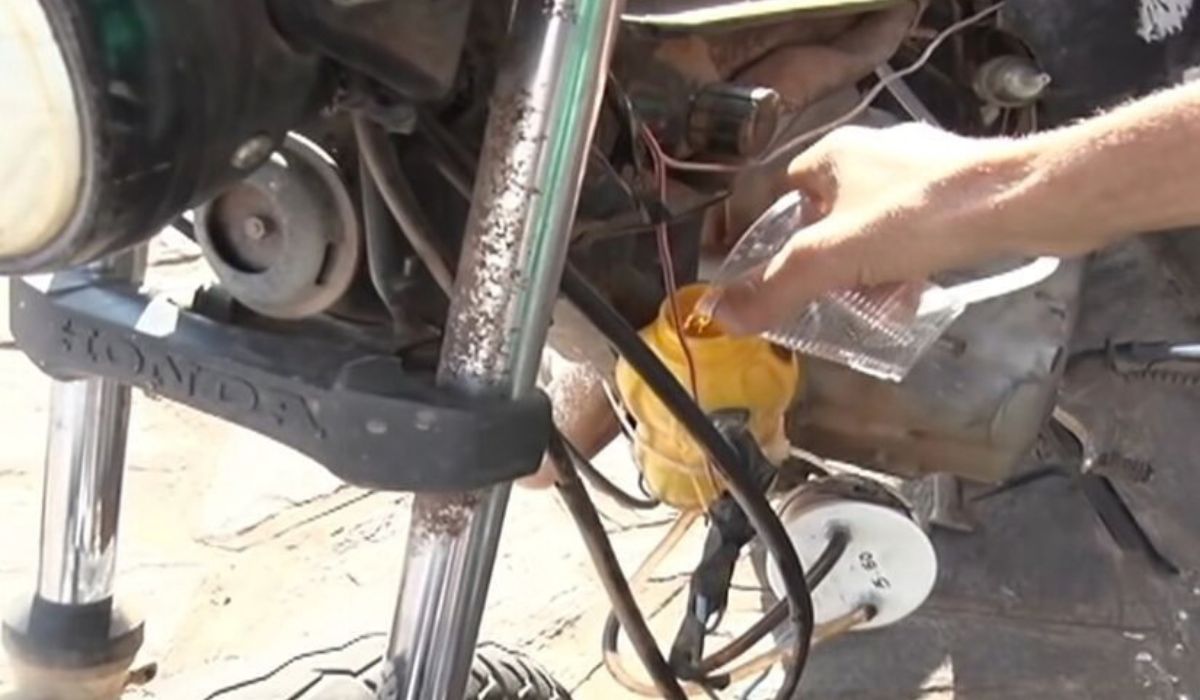
According to reports reproduced by outlets that revisited the story, Sandro claimed to have assembled a system with hydrogen cell, battery, and an aluminum reactor.
According to him, this set would use water as a raw material to generate the gas used to power the engine.
At the time, the inventor reported that the idea arose amid rising fuel prices and difficulties in refueling.
In one of the published statements, he said: “With the lack of gasoline at that time and the high fuel prices, I decided to create this system with water to save.”
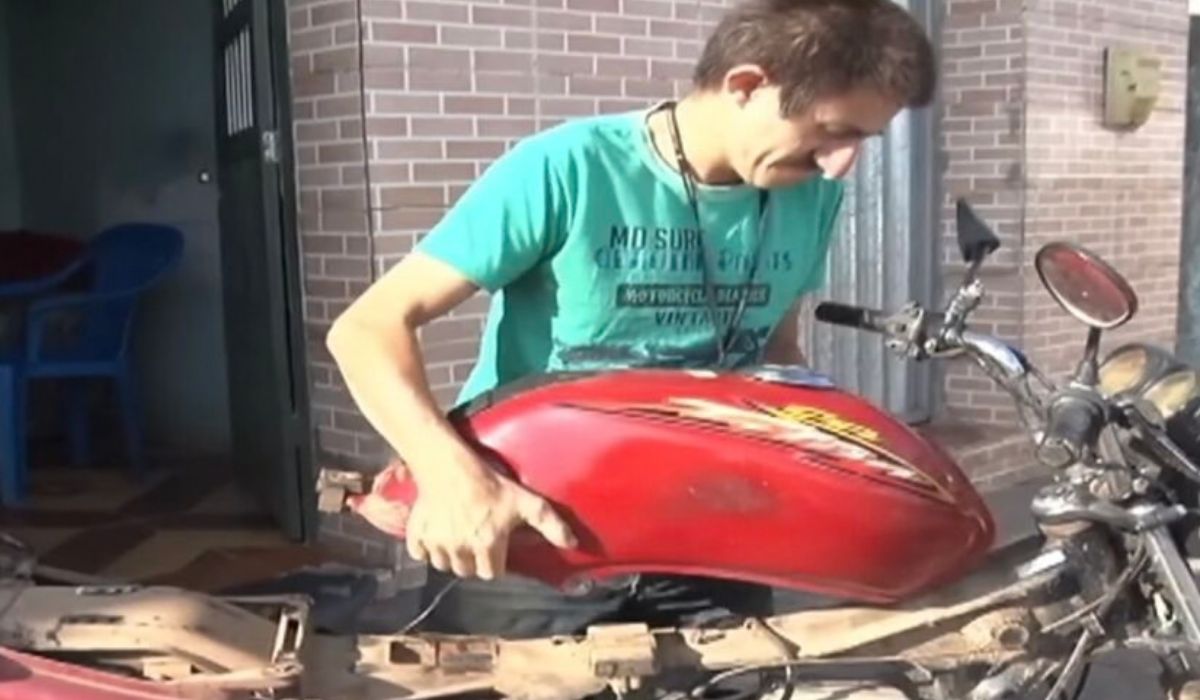
Water-Powered Motorcycle: What Was Disclosed About the System
The basis of the adaptation described by Sandro is the production of hydrogen from water.
Technically speaking, hydrogen is not treated as a primary energy source but as a energy carrier.
To be obtained, it needs to be separated from other elements through a chemical or electrochemical process.
In the case of the Paraíba prototype, the disclosed description mentions a reaction involving water, reagents, and aluminum inside a reactor attached to the motorcycle.
According to the inventor, the gas released in this process would then fuel the engine.
So far, however, no public reports from universities, research institutes, manufacturers, or certifying organizations have been located to attest to the system’s efficiency, the reported autonomy, or the stability of the set in prolonged use.
This is the main open point of the story.
The existence of the prototype and the inventor’s report have been documented by news articles, but the announced performance remains without public technical validation.
Therefore, the autonomy of 1,000 kilometers on 1 liter of water should be treated as a claim from the creator and not as a fact proven by independent tests.
Inventor from Paraíba and Origin of the Prototype
Sandro Alves became known in his city for developing practical solutions using recycled parts and materials.
Reports on the case describe him as self-taught and state that he has worked on projects related to electronics, antennas, and small equipment.


The adapted motorcycle emerged in this context, as yet another initiative aimed at tackling a concrete everyday problem.
In 2018, the combination of fuel scarcity and rising prices opened the door for homemade experiments and low-cost projects.
It was in this scenario that the invention gained local visibility and later started circulating in reports and publications on social media.
Years later, the case was remembered by outlets that revisited the story of the prototype.
Common to these reports is the notation that the creation went viral but did not progress to commercial production.
There is also no public news, from the sources consulted, of consolidated patents, industrial licensing, or market validation for the adapted motorcycle.
Safety with Hydrogen and Lack of Technical Validation
Commenting on the risks of the system, Sandro said that the experiment would not be dangerous when the correct amounts of product were respected.
In one of the reports reproducing his statement, he said: “It is not dangerous when we know exactly the amount of product that needs to be mixed with water, I did it right and it worked.”
However, technical assessment requires greater caution.
According to agencies and experts handling hydrogen use, systems of this type depend on strict control of storage, sealing, pressure, leaks, and material resistance.
In automotive and industrial applications, fuel is subject to specific safety protocols and technical operational standards.
Additionally, hydrogen storage often requires appropriate solutions to prevent accidents.
For this reason, the inventor’s statement about the safety of the prototype does not replace independent technical testing, laboratory analysis, or validation by competent authorities.
Challenges to Turn the Invention into a Product
The use of hydrogen in automotive projects is not uncommon in the international mobility debate.
There are industrial initiatives aimed at vehicles with fuel cells and low-emission hydrogen production.
Still, specialists and industry organizations point out that large-scale adoption depends on infrastructure, competitive costs, advanced engineering, and specific operational rules.
In this context, a homemade experiment faces considerable obstacles to move from the garage to the market.
Any vehicular adaptation with potential combustion risk, changes to the power system, or alteration to the refueling process would require reliability testing, inspections, and regulatory compliance.
Without these steps, the technology finds no formal path to commercialization.
The absence of certification, therefore, is one of the factors limiting the project’s reach.
The lack of validation by independent institutions also weighs heavily, a condition considered necessary to measure real performance, safety, and scalability.
What Is Proven and What Remains Unconfirmed
The story compiles, on one side, an invention that sparked public interest and received attention in reports.
On the other hand, there are objective limitations to proof.
The secure fact, based on the sources located, is that a Paraíba inventor presented an adapted motorcycle, associated the operation of the system with hydrogen generation from water, and claimed to have achieved significant savings in fuel usage.
However, the exact extent of this performance remains unconfirmed publicly.
No independent tests have been found to prove the autonomy of 1,000 kilometers on 1 liter of water, nor open technical documentation detailing the efficiency of the system under controlled conditions.
There is also, from the verified sources, no public record of homologation or commercial production of the system.
The case’s resonance partly explains the recurring interest in cheaper alternatives for mobility.




De novo essa balela, vocês tem coisa mais interessante não?PQP