





 Portuguese
  English
  Spanish
 3 min of reading


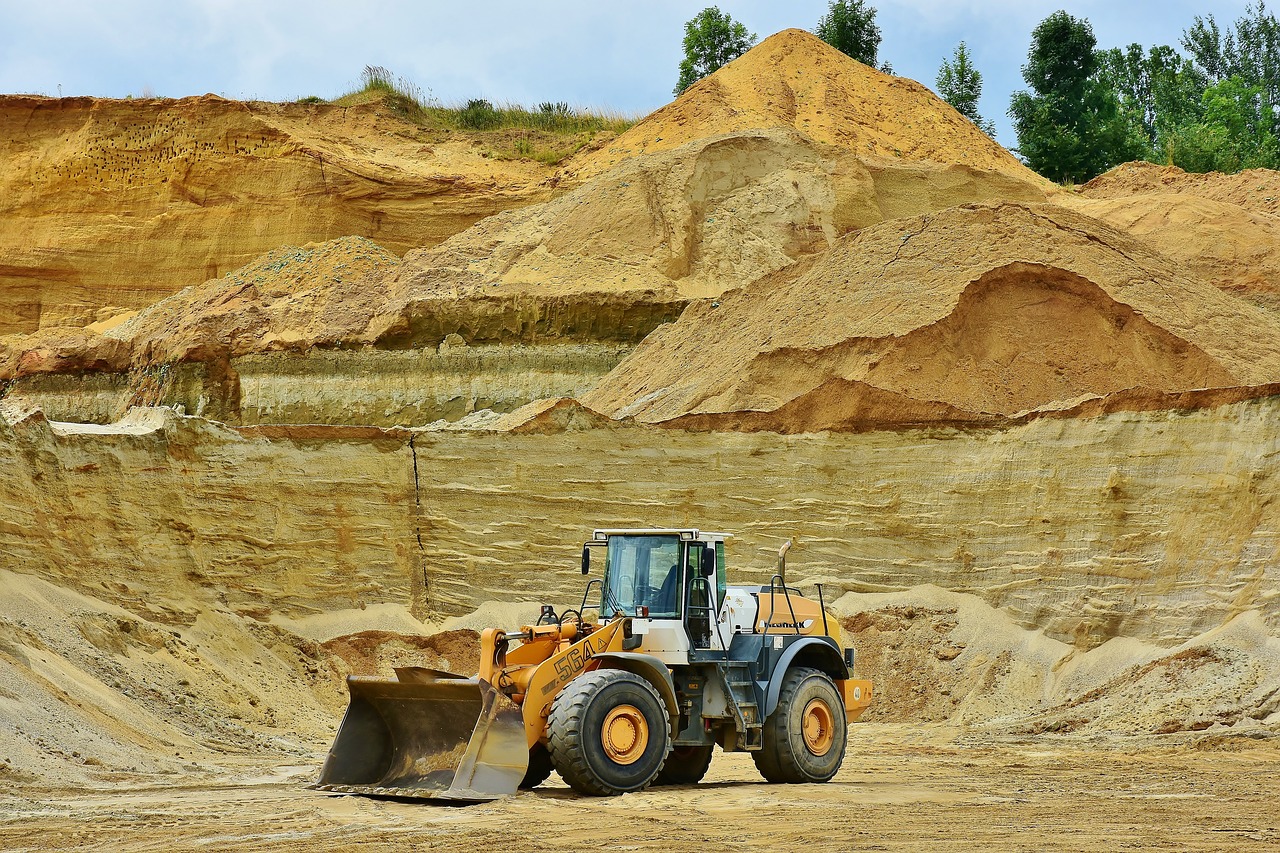
Owner of All the Gold Produced in Brazil, Kinross Mining Provides Nearly 6,000 Jobs in Paracatu, Northwestern Minas Gerais
The mining company, owner of all gold production, belongs to Kinross Gold Corporation, which is headquartered in Toronto, Canada. The president of Kinross in Brazil, Gilberto Azevedo, comments that the gold production expected for this year, 2022, is 570 thousand ounces, which is equivalent to 18 tons of gold at the mine in Paracatu – Minas Gerais.
Kinross Group
The Kinross Group was established in 1993 and has grown since then through mergers and acquisitions of other companies. The group is headquartered in Toronto, Canada – where Brazil will present business opportunities in the mining sector of the country – and its shares are traded on the New York and Toronto stock exchanges.
Kinross manages about nine mines in seven different countries, including Brazil. Nationally, in Paracatu specifically, the company produces about 16 to 18 tons of gold annually and is one of the most important mines in the group. Only in Minas Gerais, the company generates about 6,000 jobs.
-
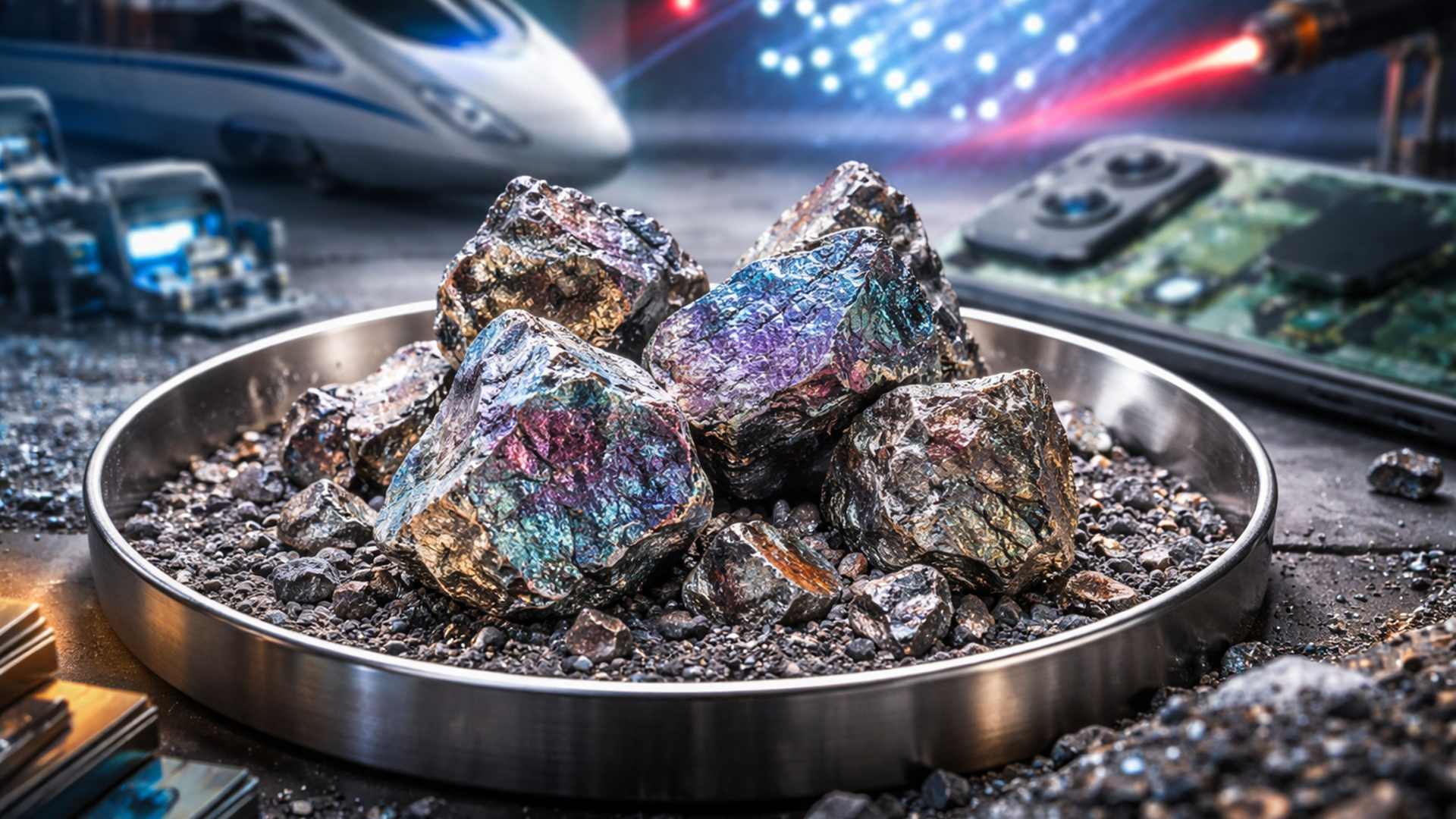
Rare earths are in everything, from cell phones to bullet trains, and what almost no one realizes is why they have become the target of such a delicate global war.
-
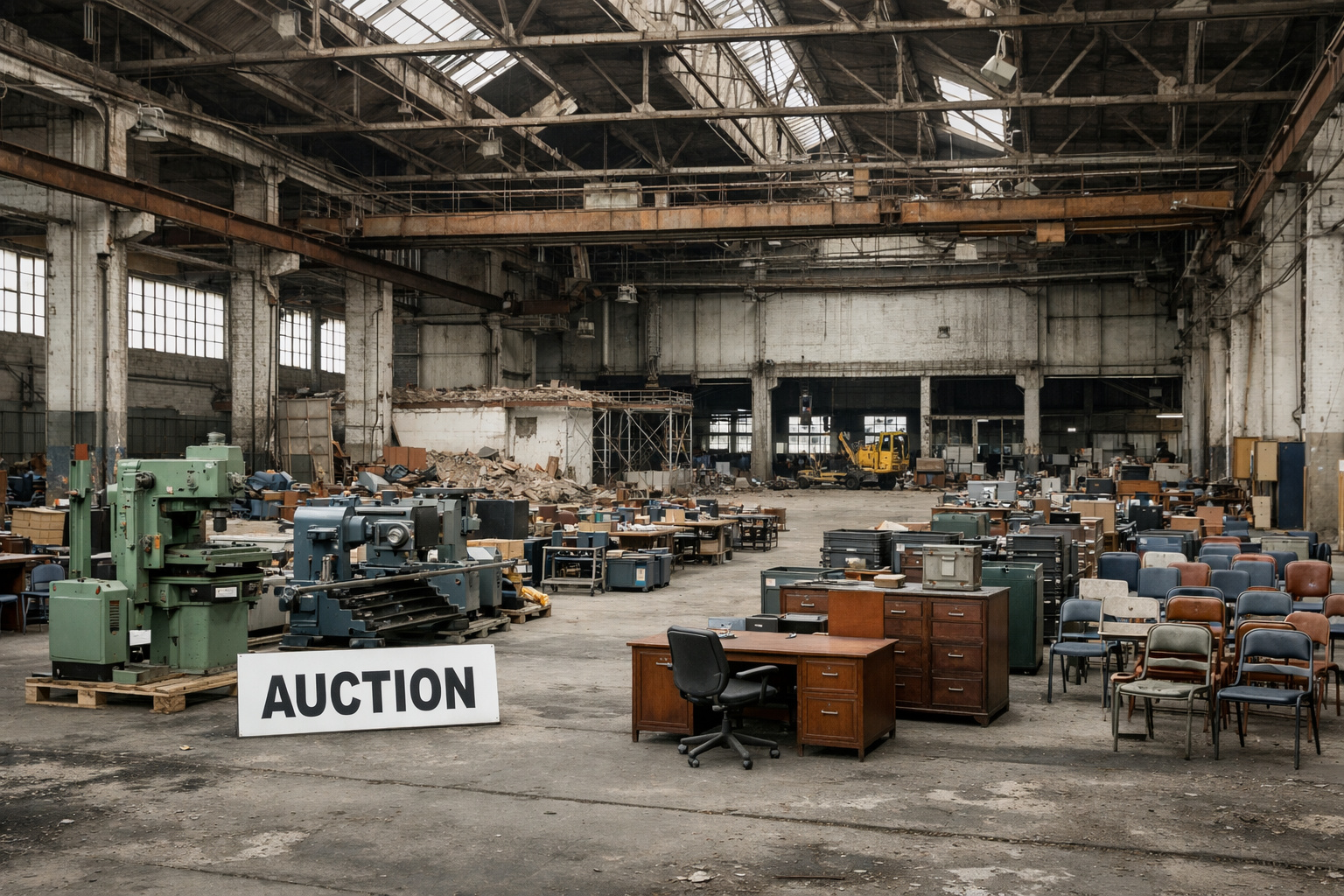
Historic bankruptcy of Centauro shocks the market, and the century-old company puts more than 500,000 products, machines, and complete infrastructure up for online auction.
-
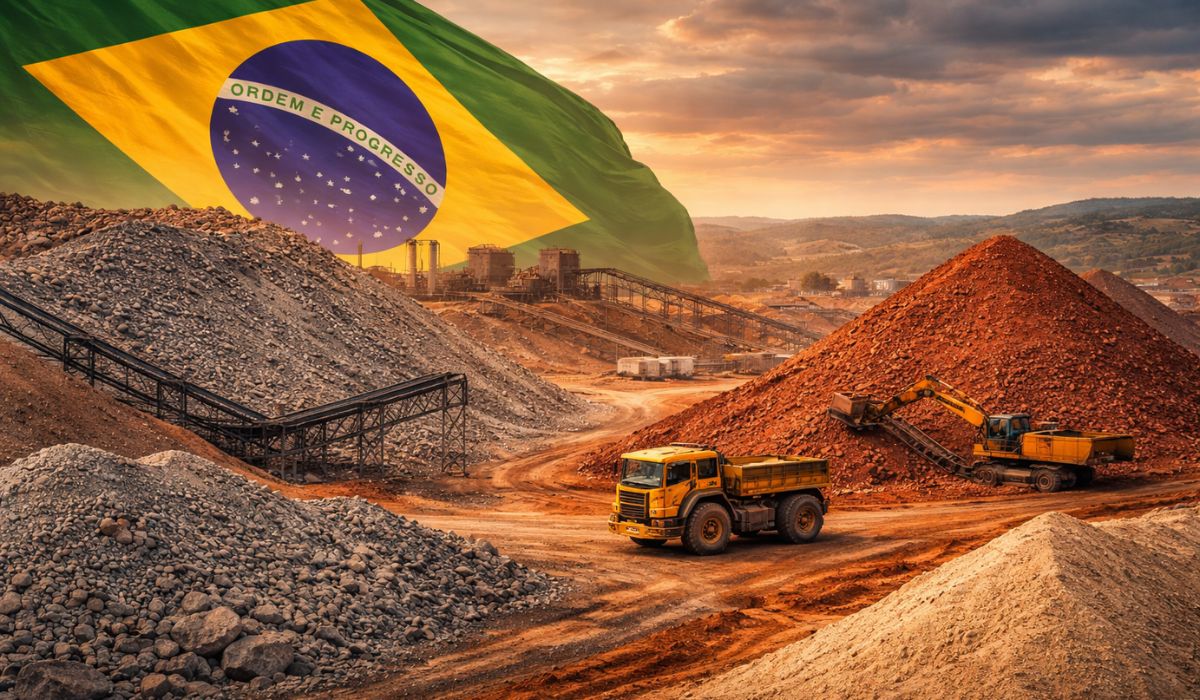
Brazil extracts 26.3 million tons of ore from what was previously treated as waste, transforming residues into wealth, producing over 3 million tons of sand, and demonstrating how national mining is relearning to generate value.
-
A $3.5 billion megaproject in Latin America pumps desalinated seawater at 1,050 liters per second over 194 km to keep a copper supermine in the Andes operational for another 20 years.
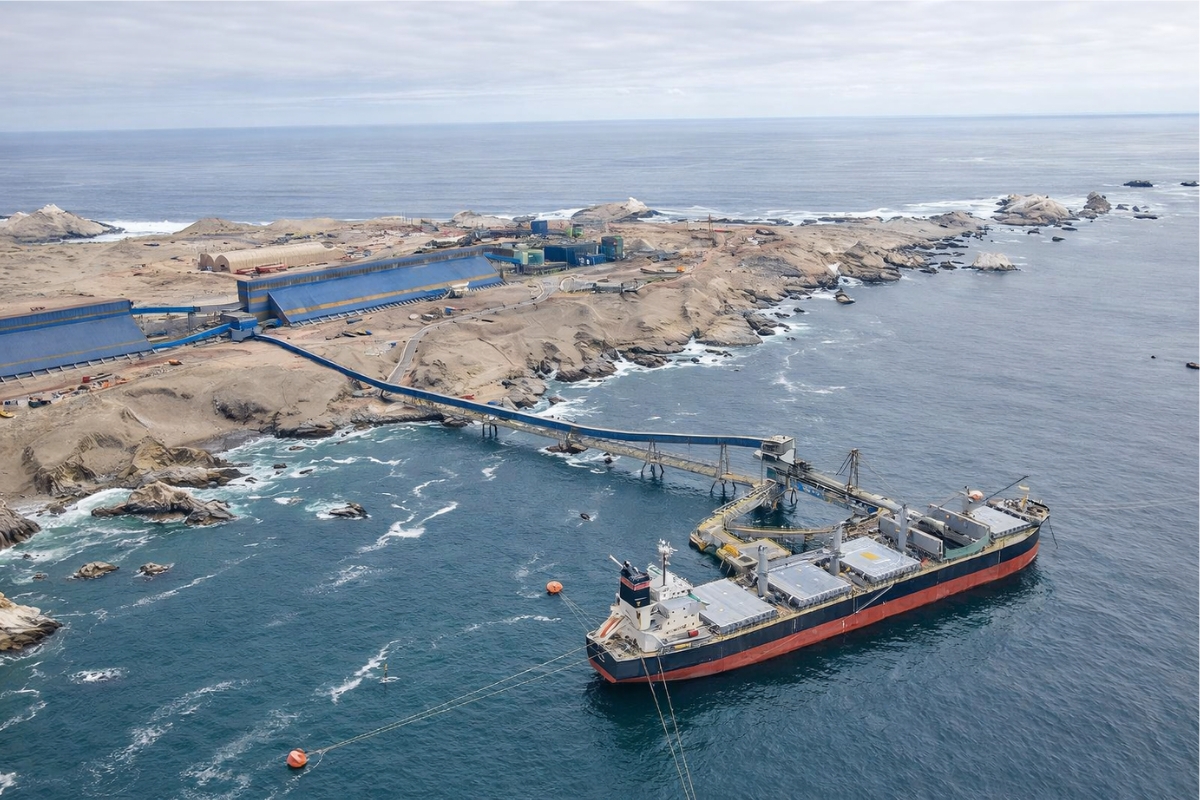

Mining Potential Was One of the Reasons for Establishing the Mine in Paracatu (Minas Gerais)
The potential to be considered a long-life, high-production mine was one of the reasons for Kinross to choose the city of Paracatu, Minas Gerais, as the location for its mining unit. For Gilberto Azevedo, when it comes to gold production, being able to sustain a production above 16 tons for consecutive years is very important.
Investments in Gold Production
According to Gilberto, investments in gold production are quite high. In the case of the Paracatu mine, for example, if there hadn’t been an investment in the expansion of mines in Minas Gerais, it is likely that the mine would have depleted in 2014.
With the investments made in the mining operation, the lifespan of the mines has been extended beyond 2030. Moreover, there are still many exploration and technological development actions for the gold mines to further extend their lifespan. The expansion of the gold mines involved an investment of over US$ 1 billion.
Importance of Gold Mines to Kinross
Two aspects are very important for the significance of the gold mining operations in Paracatu for the Kinross group. The first is volume: about a quarter of the group is produced here. The second aspect, which is proportional to the first, is the longevity of the operation.
Evolution of Kinross Production
Kinross began its gold production in Brazil in 2004, and before the expansion of the mines, its production was around 170 thousand ounces. Currently, the mines produce 550 thousand ounces. Over the past few years, Kinross has been heavily investing in continuous improvement of the mines, always seeking greater efficiency in the processes.
After the expansion of the mines, the operation was at a level of 490 thousand to 500 thousand ounces, which is now surpassed by operations of 550 thousand ounces.
For the year 2022, the expectation is to produce about 18 tons of gold, 570 thousand ounces, a number greater than last year, and this is achieved through efficiency and gains in efficiency in our operation.
Multi-Year Investment Plan for Kinross in Minas Gerais
The investments made in Kinross amounted to US$ 2 billion. The group’s annual investment is about US$ 120 million, which is around R$ 600 million at today’s exchange rate.
It is necessary to maintain this level of investment to ensure the sustainability of the business and the gains in terms of continuous improvement and efficiency.






Seja o primeiro a reagir!