





 English
  Francês
  Alemão
  Italiano
  Japonês
  Norueguês
  Portuguese
  Spanish
  2 min of reading


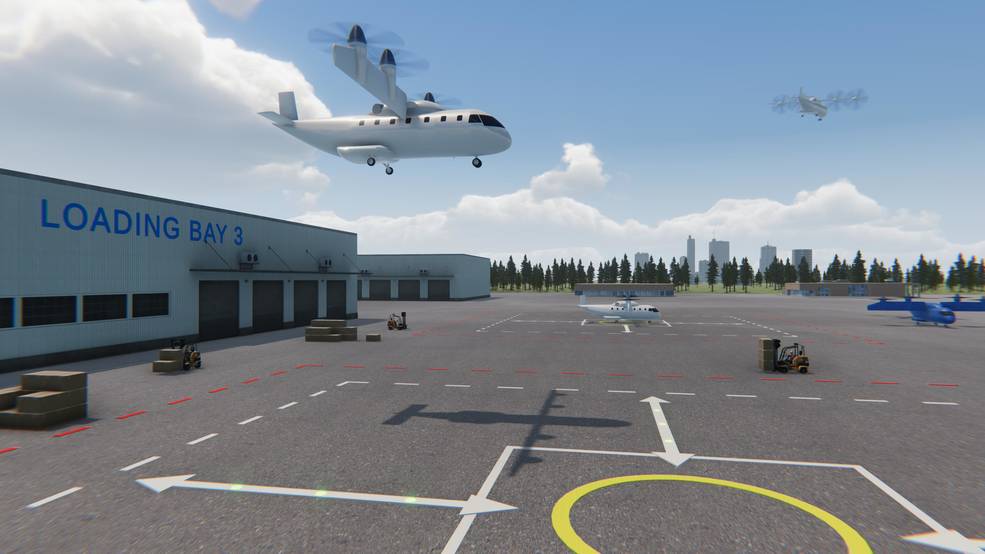
Today, we can receive orders faster than ever, thanks to online orders and quick delivery services. The demand for this fast delivery approach continues to grow, and new cargo transport methods must be found to keep pace.
NASA (the American aeronautics and space agency) emphasizes that it has the means to revolutionize the cargo transport industry by developing faster and cleaner transport methods, utilizing large cargo delivery planes and small package delivery drones.
NASA is working with Elroy Air and Reliable Robotics to learn more about these Advanced Air Mobility (AAM) cargo delivery vehicle prototypes. The partnership is focused on developing knowledge about these vehicles as they are being built and tested.
-
São Paulo surprises the world with a colossal railway network project that promises over 1,000 km of tracks, R$ 194 billion in investments, and 40 projects connecting the capital to the interior with fast and sustainable trains.

-
The world’s largest escalator, measuring 905 meters in China, reduces urban travel time from 1 hour to about 20 minutes and transforms mobility in mountainous regions with an engineering solution adapted to the terrain.

-
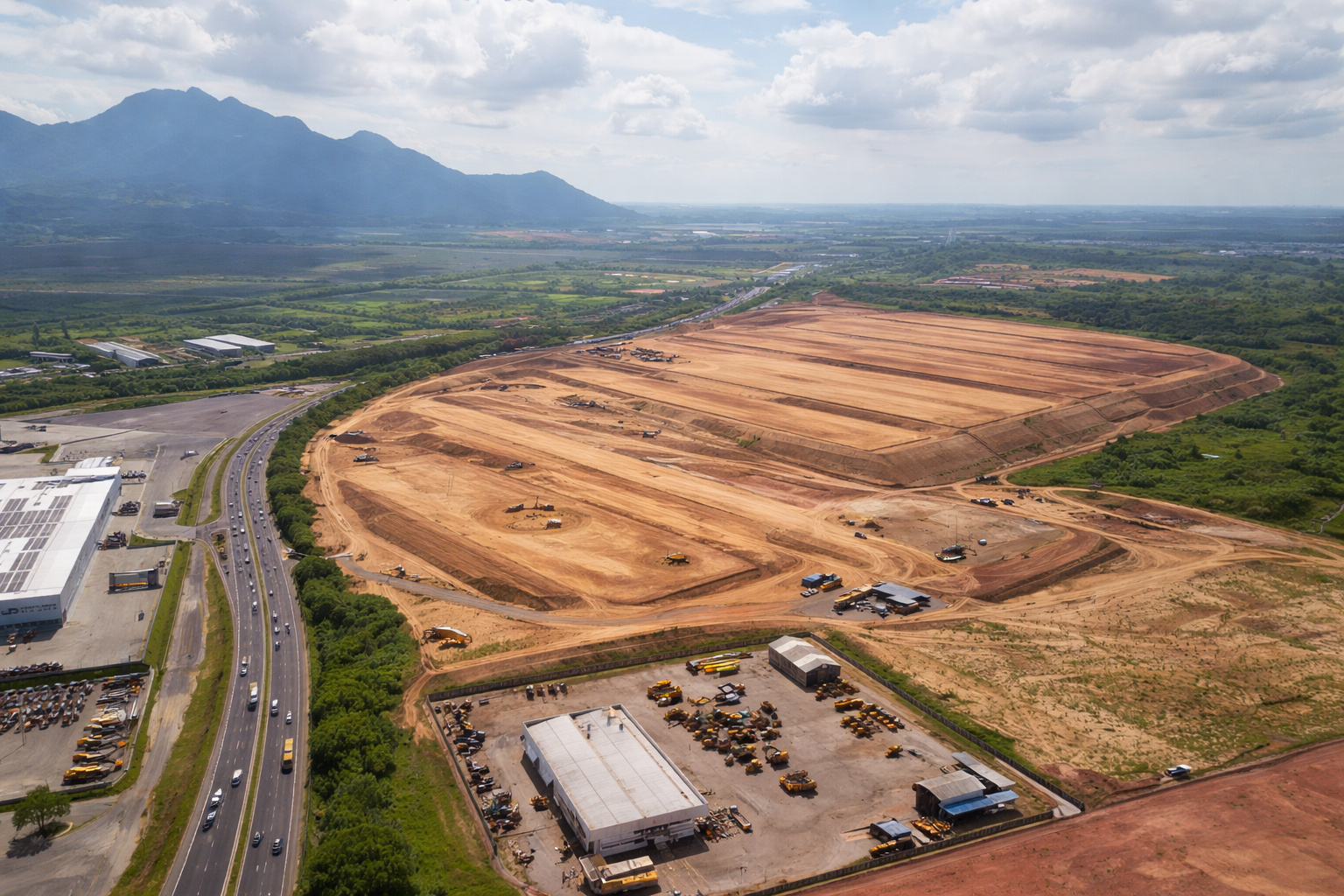
A R$ 300 million logistics giant is taking shape in Serra with over 100,000 m² and raises a question: how can this transform e-commerce and distribution in the state?
-
Could Uber Rides Lose Minimum Fare? Understand What’s Happening!


“We are interested to see how new aviation operations compare to conventional cargo transport because we believe they do not have the same issues,” says Kurt Swieringa, Deputy Project Manager of Technology for the ATM-X (Air Traffic Management eXploration) project.
NASA is investigating how these new vehicles will fit into the existing airport environment and U.S. airspace as a whole. Many cargo and package flights can be moved using a large number of aircraft.
The NASA AAM mission, expected to integrate new air traffic management systems into airspace, would require additional confidence in digital communications and autonomy to safely integrate these new operations into the airspace.
The AAM is likely to be able to move more packages by air, addressing areas of research in air traffic management, automation, aircraft design, and safety assurance and combining them into a practical operation. Government agencies, the industry, and the public must work together to safely integrate this new class of aircraft.
NASA’s goal is to create new air transportation systems that are safe, accessible, and economically sustainable, charting new air transportation systems with industrial and community partners and the Federal Aviation Administration (FAA).
Automated aircraft could travel between cities and within city areas, among other cities, or to other places currently accessible by car. These new features would allow passengers and cargo to travel on demand in innovative and automated aircraft across the city, between neighboring cities, or to other locations currently accessible by car.
SOURCE: NASA








Seja o primeiro a reagir!