





 Portuguese
  English
  Spanish
  3 min of reading
  0 comments


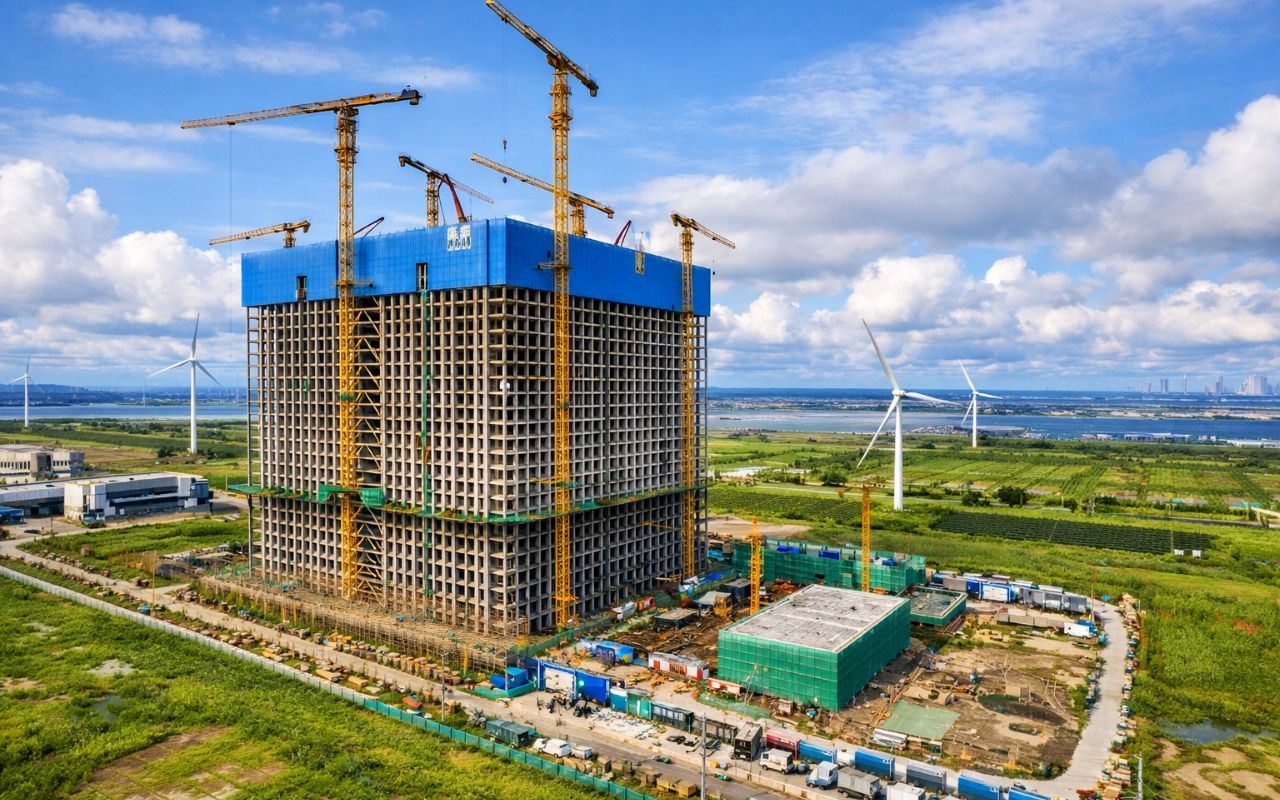
Without lithium or cobalt, gravity tower in China emerges as a sustainable alternative to traditional batteries. Technology uses gravity to store and return energy to the electrical grid.
China has a gravity tower from Energy Vault that stores electrical energy by lifting solid blocks, providing up to four hours of continuous electricity. The sustainable and efficient system reinforces the renewable energy matrix and represents a scalable alternative to traditional batteries.
Without lithium or cobalt, gravity tower in China emerges as a sustainable alternative to traditional batteries
In the city of Rudong, Jiangsu province, a gravity tower from Energy Vault has come into operation, promising to transform the way electricity is stored.
With 25 megawatts (MW) of power and a capacity of 100 megawatt-hours (MWh), the installation can provide continuous energy for about four hours.
-
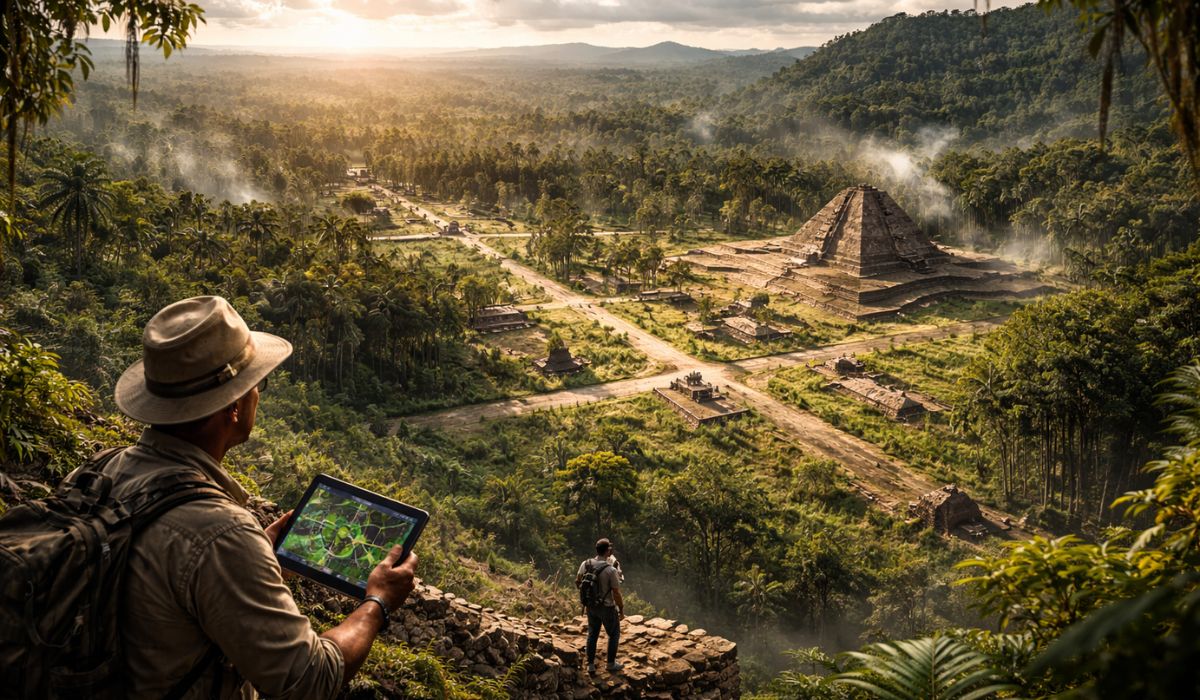
Hidden beneath the dense vegetation of the Amazon, scientists have discovered a monumental network of 6,000 structures that reveal 2,500-year-old garden cities and change everything that was thought about the forest’s past.
-
Scientists dive into an underwater cave in Texas and find a rare fossil treasure with giant sloths, saber-toothed tigers, giant turtles, and other creatures from about 100,000 years ago.

-
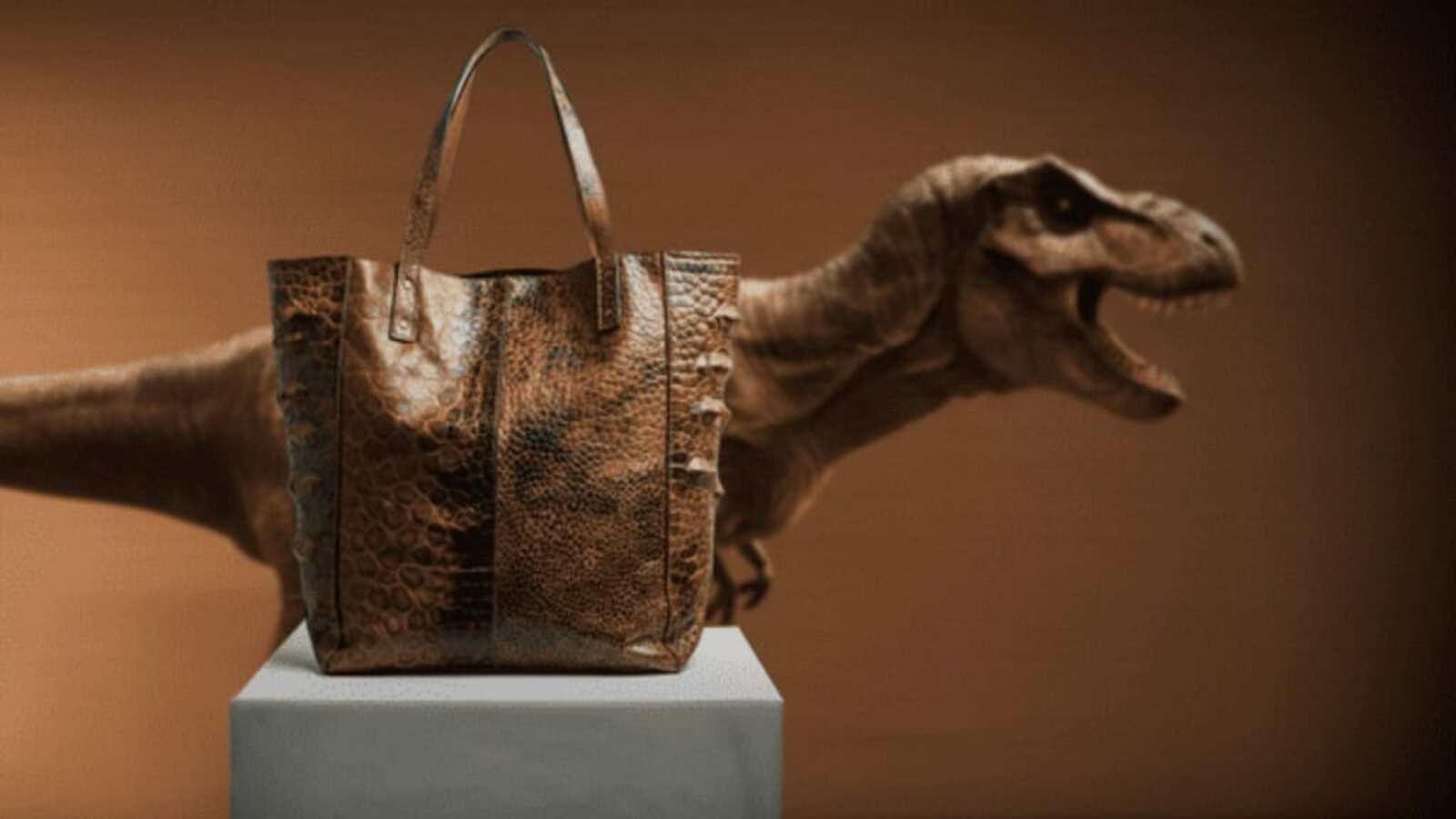
Bag “made of T. rex” becomes a sensation in the news after being valued at millions and raising questions about the true origin of the material.
-
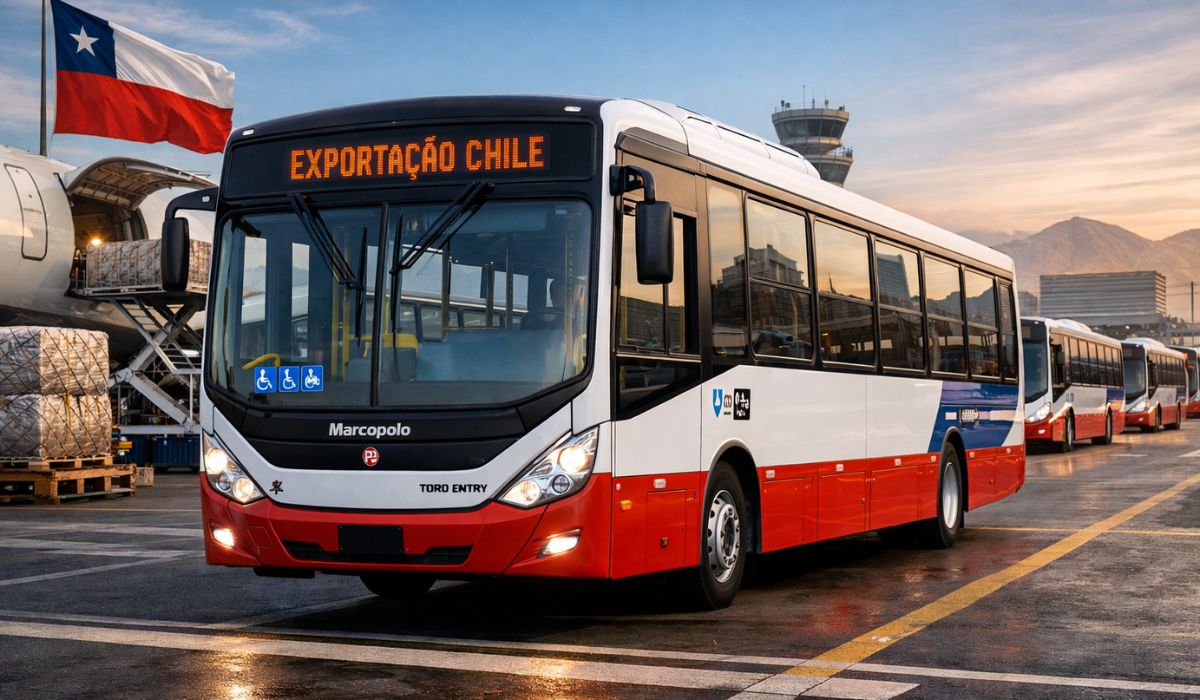
With 1,000 buses sent abroad, the Brazilian manufacturer consolidates the strength of national technology and takes on a leading role in public transportation across all of Latin America.
This interval is crucial for balancing fluctuations in production from intermittent sources, such as solar and wind, and ensuring stability in the electrical grid.
The tower is part of China’s strategy to expand energy infrastructure and support the growing share of renewable energy in the country’s electrical matrix.
Innovative operation with solid blocks
The system operates ingeniously, but based on known physical principles. In times of excess generation or low demand, electric motors activate cranes that lift heavy blocks made from industrial waste.
This lifting stores energy in the form of gravitational potential energy. When electricity is needed, the blocks descend in a controlled manner, moving generators that return energy to the grid.
The entire process is monitored and automated by software that adjusts the descent speed and controls structural stability, ensuring safe and efficient operation.
Sustainability and extended lifespan
Unlike lithium-ion batteries, the tower does not rely on critical metals like lithium, cobalt, or nickel.
The blocks are made from low-cost materials, including construction waste and mining tailings, reducing environmental impacts.
According to Energy Vault, the tower has a lifespan of over 30 years, with much lower performance loss than traditional electrochemical systems.
Additionally, it has a round-trip efficiency of over 80%, showing that a large portion of the energy applied to lift the blocks is recovered when they descend.
Comparison with pumped-storage hydropower
The concept resembles pumped-storage hydropower, which stores energy by lifting water to release it.
The difference lies in flexibility: while hydropower depends on rivers and specific terrain, the gravity tower can be installed in industrial areas or near urban centers, without the need for large reservoirs.
This feature makes the system scalable and applicable in regions where chemical batteries are expensive or unfeasible.
The tower combines efficiency, sustainability, and adaptability, meeting the growing demand for reliable storage solutions.
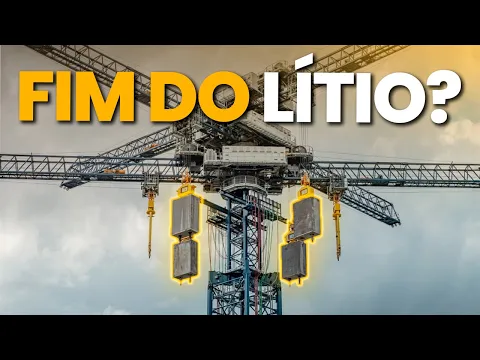

Inspired by hydropower, tower stores energy with solid blocks and can be installed in urban areas
The installation in Rudong represents the transition of a technology that was previously restricted to pilot tests to a viable commercial application.
The expectation is that similar towers will be replicated in other regions of China and in other countries, offering a strategic alternative for energy storage.
The gravity tower from Energy Vault signals a promising path for the energy future: it combines technology, sustainability, and planning, ensuring a cleaner, more efficient, and reliable matrix.
Source: Casa Vogue





Seja o primeiro a reagir!