






 Portuguese
  Spanish
  3 min of reading


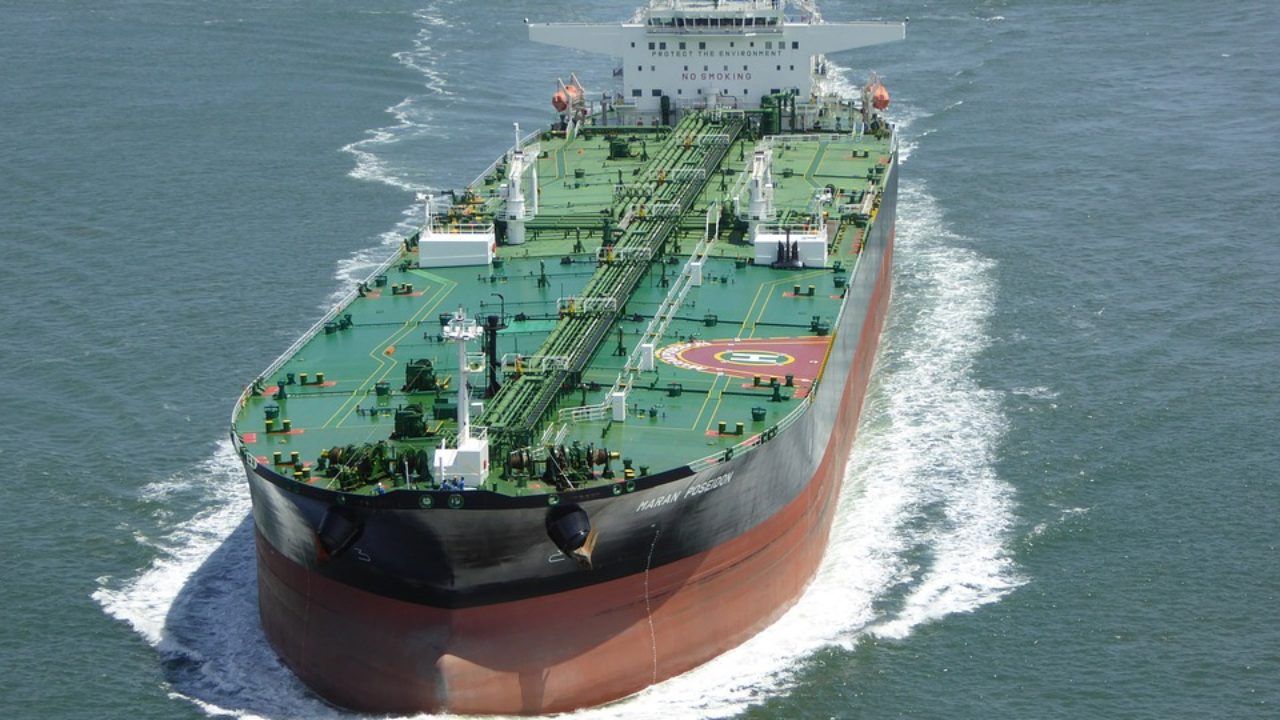
AET Brings The First Of Three Fully New Salvage Tankers For Shell
A AET received on Wednesday the delivery of Eagle Campos – the first in a series of three commissioned DP2 salvage tankers. It was built specifically for a long-term charter for Brazil Shipping I Limited, a wholly-owned indirect subsidiary of Shell, and will operate in Brazil as the Eagle Pilar, which AET already operates there for Shell. The remaining two vessels are still under construction at Hyundai Heavy Industries shipyard in South Korea.
See Also:
- VISION EQXX, The Electric Car From Mercedes-Benz, Proves To Be The First Electric Vehicle Capable Of Reaching 1,000 Km Of Real Range On A Single Charge
- Chinese “Artificial Sun” Project Focused On Nearly Endless Renewable Energy Reaches New Historic Milestone
- Believing In The End Of The Semiconductor Crisis, BMW Will Hire More Than 5,000 New Employees For Electric Car Production
The company explained that its commitment to moving energy in a more responsible and environmentally friendly way led to the agreement with Shell in December 2019 to operate these three Suezmax DP2 tankers in the international and Brazilian basin under a long-term charter.
The two sister ships of Eagle Campos are currently under construction at Hyundai Heavy Industries in Ulsan, South Korea, and are expected to be delivered later this year. In an effort to ensure that all health and safety precautions were in place to safeguard the construction and delivery of the ships during the ongoing pandemic, AET’s on-site teams and Eaglestar have been working together with the team from Hyundai Heavy Industries.
-
Long before sustainable construction became a trend, China built earthen fortresses with multiple floors, a central courtyard, and the capacity to house up to 800 people living in a community.

-
He got tired of renting, bought an old school bus, removed the seats, modified the roof, reinforced everything with steel, and created a two-story mobile home that looks small on the outside but houses two bedrooms inside.
-
A mother of four sought a safer family environment, watched tutorials on the internet, built a 325 m² house with her family, and learned foundation, walls, plumbing, and electrical work without any professional experience.
-
Iron ore falls to 762 yuan in China as real estate sales decline and steel production hits lowest level since 2018




Captain Amit Pal, Global Director, DPST, commented upon receiving the delivery: “My sincere thanks to everyone at Shell, Hyundai Heavy Industries, DNV, Eaglestar, and AET for this remarkable collaboration and safe execution. This achievement showcases the unity across the industry to deliver innovative solutions that contribute to a brighter future and create a sustainable global trade network.”
The 153,000 DWT DP2 vessel was constructed according to Shell’s technical requirements for DP2 tankers in Brazil. Thanks to the collaboration between Hyundai Heavy Industries, DNV, and Eaglestar, the Eagle Campos DP2 tanker will operate to the highest operational and environmental standards, including full compliance with the IMO’s Level 3 NOx and SOx emission requirements, according to AET’s statement.
Classified Vessel
Additionally, the vessel is classified with DNV and equipped with frequency-controlled electric cargo pumps (VFD) and high-powered thrusters for greater fuel efficiency. It is also fully capable of operating in the expected weather conditions for its class. AET further added that the eco-efficient vessel is also equipped with energy-saving devices, such as the Hi Pre-Swirl Duct and Rudder Bulb for enhanced propulsion efficiency, and is already compliant with Phase 2 of the EEDI before the regulations take effect.
“For AET, this latest vessel delivery further strengthens our position as the leading owner and operator of 12 of these highly specialized DP tankers worldwide, with eight vessels currently operating in the Brazilian basin (including Eagle Campos). Witnessing the fulfillment of our contract with Shell signifies both parties’ commitment to high-quality, safe, and responsible operations,” concluded Pal.
Furthermore, AET also confirmed that it has another five DP2 tankers under construction, which are also expected to be delivered in 2022, raising its global DPST fleet to 17, with 13 operating offshore in Brazil.


Be the first to react!