






 Portuguese
  Spanish


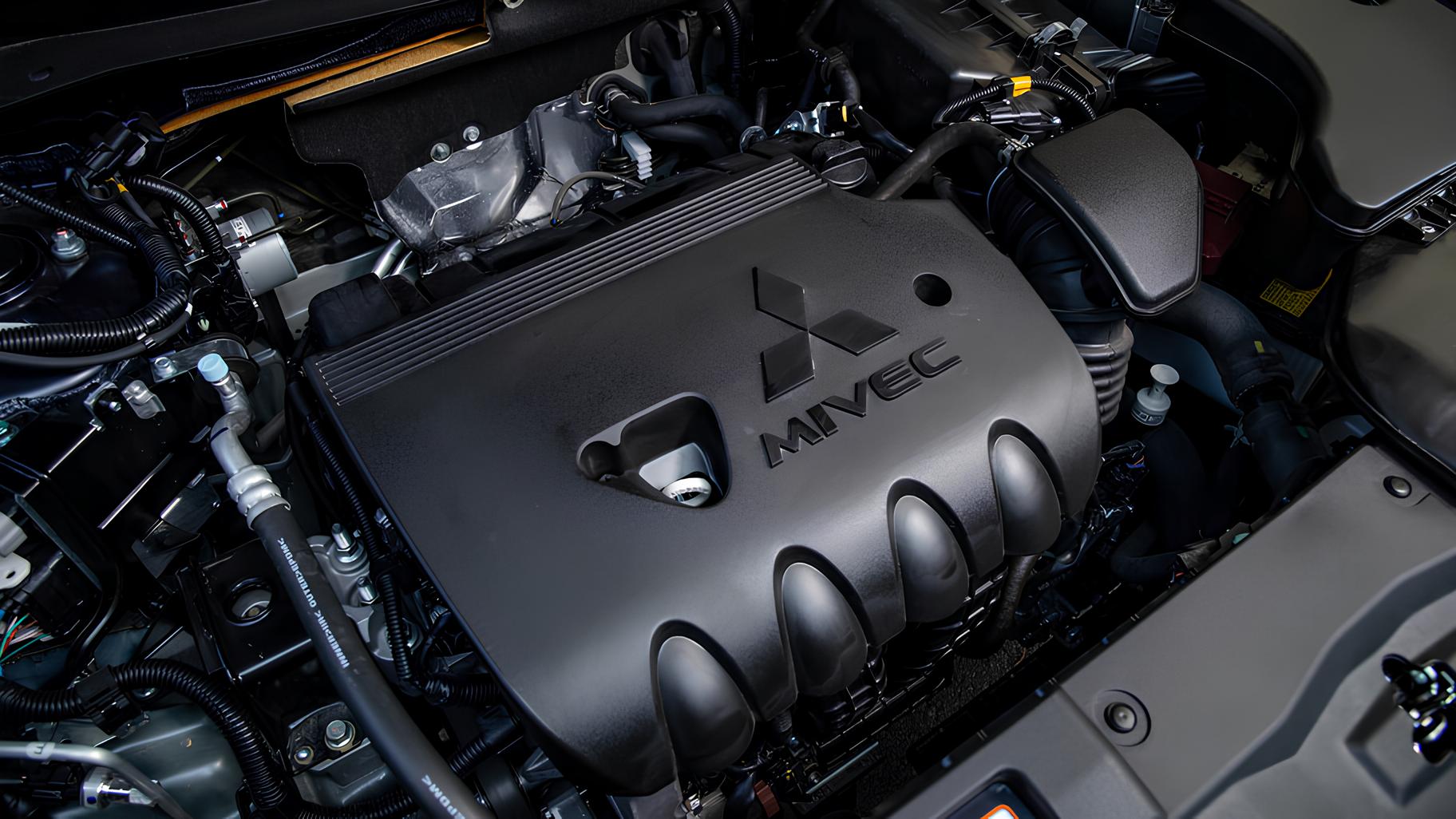


Lancer, ASX and Outlander 2.0 Are Reborn in 2025 as Mitsubishi’s Most Robust Used Cars, with Engines up to 170 HP, Low Consumption, and Excellent Durability.
The Brazilian automotive market has changed profoundly in recent years. The rising costs of new cars and the advancement of electronic technologies at the expense of mechanical robustness have led many consumers to switch to used cars capable of delivering durability, reliability, and real performance and not just large screens and promises of “connectivity.” It is precisely in this scenario that three traditional Mitsubishis have returned to the spotlight in 2025: Lancer, ASX, and Outlander 2.0.
With prices now starting at around R$ 75 thousand, these models form a trio that combines durable engines, competitive consumption for their size, superior dynamic behavior, and a reputation for resilience built over decades of Japanese engineering focused on severe use. More than just ordinary used cars, they have become a direct response to the public seeking cars that “can handle anything,” that don’t leave the driver stranded, and that remain sturdy even after years of intense use.
These vehicles escape the norm of extremely depreciated and fragile modern machines, offering Brazilian consumers a solid, reliable technical package suitable for those who need mechanical peace of mind. This is why they have been reborn as safe, powerful, and extremely desirable options in 2025.
-
Sales of Brazil’s Cheapest Electric Car Halted Before First Deliveries: E-Motors Suspends Emova Easy Due to Import Tax Increase and Rising Freight Costs

-
Nissan Discontinues Qashqai SUV Amid Cost-Cutting, Chinese Competition, and Product Line Review

-
BYD Patents Revolutionary System Using Computer Vision to Detect Animals Under Cars Before Starting, Preventing Tragedies

-
Study Reveals Why Cars Are More Expensive to Produce and Buy in Brazil Compared to Mexico, Highlighting Taxes, Logistics, and Industrial Costs as Key Factors.


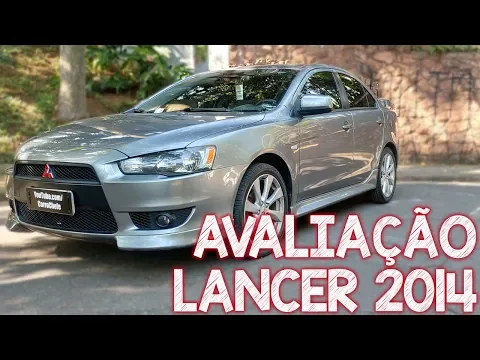
Lancer: The Japanese Sedan that Combines Sportiness, Mechanical Solidity, and One of the Best Dynamic Setups in the Category
The Mitsubishi Lancer is one of the most respected sedans in the used car market. Equipped with a 2.0 16V engine that delivers up to 160 HP in the most recent versions, it stands out for its balance between performance, consumption, and drivability.
Even over time, the Lancer has maintained its impeccable reputation for robustness, thanks to the original project developed to withstand extreme conditions in the global market.

The rigid body, firm suspension tuning, and well-calibrated CVT make the Lancer an engaging option for drivers who appreciate good dynamic responses without sacrificing comfort for daily use.
Another highlight is consumption: averages of 12 to 13 km/l on the highway with gasoline place the sedan in a highly competitive position within its category.
Moreover, the Lancer ages well. Internal noises are rare, the ergonomics remain modern, and the Japanese finish maintains a sense of quality, even in vehicles over 8 years old. It is a used car that delivers more than it costs and remains among the safest purchases in the segment.
ASX: The Compact SUV that Combines Absolute Reliability with One of the Best Mechanical Sets in the Category
The Mitsubishi ASX is an SUV that, unlike many rivals, has stood the test of time with elegance and solidity. Equipped with the 2.0 16V engine with 160 HP, it offers linear performance, predictable responses, and an extremely reliable dynamic behavior.
The CVT, in turn, is known for its smoothness and durability, especially compared to more complex solutions used by other brands.
The great differential of the ASX is the combination of ground clearance, robustness of the front and rear suspension, and a structural set designed to tackle uneven surfaces without suffering twists.
It is not uncommon to find units with over 200,000 km that continue to deliver comfort and stability. It is not just an urban SUV: it is a car that handles rough roads and uneven terrains without feeling the wear that affects more delicate models.

The consumption stands at around 12.5 km/l on the highway, an excellent figure considering the vehicle’s size. The trunk’s 415 liters guarantees versatility, and the internal ergonomics, with good height and visibility, make the ASX one of the most sought-after used SUVs at the moment. In 2025, it has become the “rational response” for those needing a resilient and balanced compact SUV.
Outlander 2.0: Space, Comfort, and a Reputation as a Battle Tank
The Outlander 2.0 is the largest of the three and also the most versatile. Equipped with a 2.0 MIVEC engine with 160 HP, it offers smooth driving, almost complete absence of vibrations, and a durability that few medium SUVs can match.
The CVT, once again one of the most reliable on the market, ensures efficiency even on long stretches, keeping consumption close to 12 km/l on the highway.
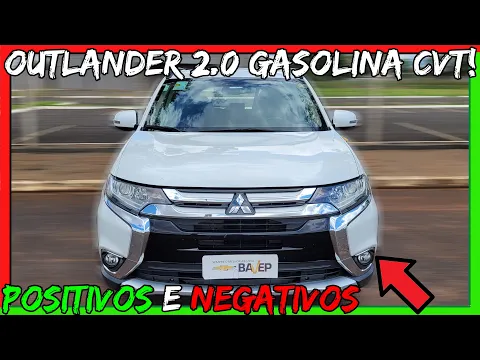
The Outlander impresses especially with its internal space and ride quality. The cabin is spacious, quiet, and comfortable, with suspension capable of absorbing irregularities without compromising stability.
In more complete versions, the model offers technologies that remain modern: traction control, torque vectoring, integrated multimedia, and acoustic insulation designed for long journeys.
The trunk with over 715 liters (depending on the configuration) makes the Outlander a superior alternative to even many more expensive modern SUVs. It is robust, versatile, and reliable — exactly the type of car that retains value because it delivers more than it promises.
The “battle tank” reputation is deserved: owners report impressive mileages without serious failures. For families and drivers needing real space, it is a safe and smart purchase in 2025.
Why Lancer, ASX, and Outlander Reemerged So Strongly in 2025
There are three reasons explaining this resurgence:
Proven Mechanical Robustness
All three models share simple, durable engines with low propensity for chronic failures. In a market saturated with sensitive electronics, Mitsubishi stands out for its reliability.
Superior Drivability
Lancer and ASX offer a dynamic behavior that many rivals cannot achieve. The Outlander delivers the comfort of a premium medium SUV at a much lower price.
Stabilized Depreciation
After the closure of factories in Brazil, prices fluctuated, but are now stable — and even appreciating in some versions.
These combined factors create a scenario where Mitsubishi models have become true “finds” for those seeking mechanical security without paying exorbitant prices.
The Three Mitsubishis Representing Strength, Balance, and Real Cost-Effectiveness
Lancer, ASX, and Outlander 2.0 show that Mitsubishi still excels in durability. At a time when Brazilian consumers seek solidity and predictability, these three models transform into smart choices, offering driving pleasure, reliable engines, low consumption, and generous space, all with prices starting at R$ 75 thousand that are fully justified by the mechanical quality delivered.
They are, indeed, the most durable Japanese used cars available today. And in 2025, this durability is worth gold.




Tenho um Lancer HLT 2019, e na cidade ele faz 7 e estrada uns 11 ou 12
Esse consumo aí da matéria não tá certo não
E não que isso seja ruim, afinal, quem vai pra um carro 2.0 com160cv, economia de consumo não é uma prioridade, é se for, está vendo o carro errado, afinal é um 2.0 com 160cv oras.
Se a ideia é consumo de 14 pra cima, tem que ver outra coisa
Tenho um também desse mesmo ano. Fiz o remaped e melhorou muito o consumo, a resposta do acelerador eletrônico, além de ter um leve ganho de potência. Se manter o giro em até 2.000 rpm, chega a fazer 14,5 km/ L na estrada. Fiz um **** andando a 80 km/h chegou a fazer 16,3km\L
Continuam insistindo nessa mentira de fazer 13 km por litro. A cada três meses repostam essa matéria. É mentira!!! Não faz 13 km por litro. Basta entrar em qualquer grupo que ASX e ver o depoimento dos proprietários. É 10, 11 na estrada e 7 na cidade.
O meu faz bem isso. Viajo bastante, em julho do ano passado fiz 7500km de ASX passando por Goiás, Tocantins e Piauí. Em trechos asfaltos e em condições normais a ASX fez quase 14km/l. Eu não soco o pé, viajo normalmente. No Tocantins o consumo baixou para 7,5 e 8 uma vez que tinha muitos trechos de terra e areia. Mas o consumo é realmente bom. A minha ASX é 2018.
Não sei o porque sempre informam um consumo errado. Minha ASX não passa de 8.3 na cidade e sem trânsito pesado. O restante eu concordo, baixíssima manutenção e muito confiável.