





 Portuguese
  English
  Spanish
  3 min of reading
  0 comments


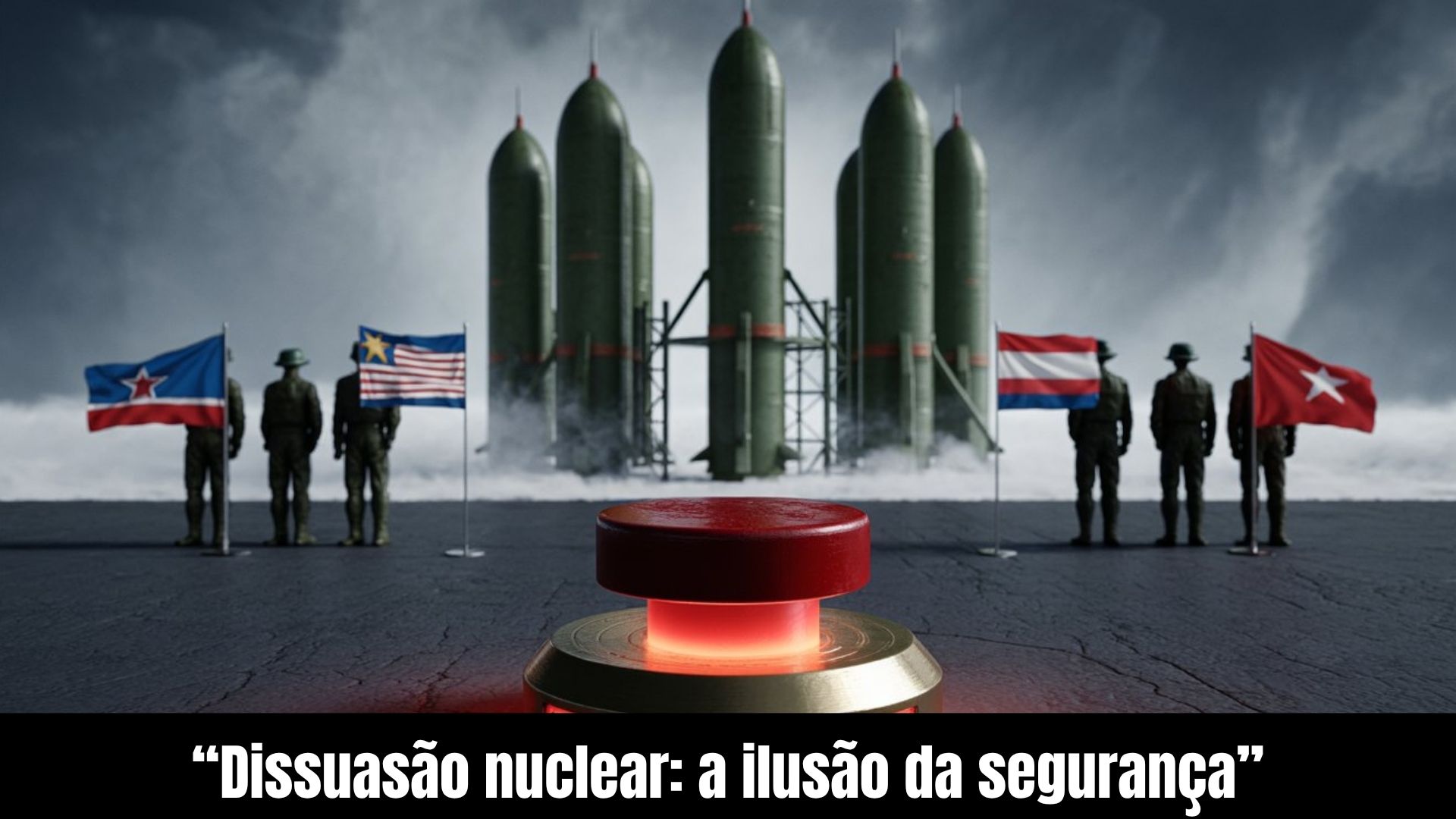
Although We Have Lived Decades Without a Direct Nuclear Confrontation, the World Remains on the Brink of Abyss — Sustained by a Dangerous Logic That Makes Destruction a Promise of Stability.
Since the explosion of the first nuclear bombs in 1945, the world has never been the same. The end of World War II did not bring only the defeat of the Axis, but inaugurated the era of armed peace, a concept where peace between nations is not the result of diplomacy, but of mutual fear of annihilation.
This logic, which strengthened throughout the Cold War, gave rise to what is called nuclear deterrence — a strategy based on the certainty that any attack with nuclear weapons will be met with equal or greater force, leading to mutually assured destruction.

This doctrine, nicknamed MAD (Mutual Assured Destruction), turned the planet into a gigantic macabre chessboard. Countries like the United States and Russia maintain nuclear arsenals on high alert, with armed submarines hidden in the oceans, missiles on constant alert, and automated systems ready to respond to any provocation. The objective is not to win a war, but to ensure that no one dares to start one.
-
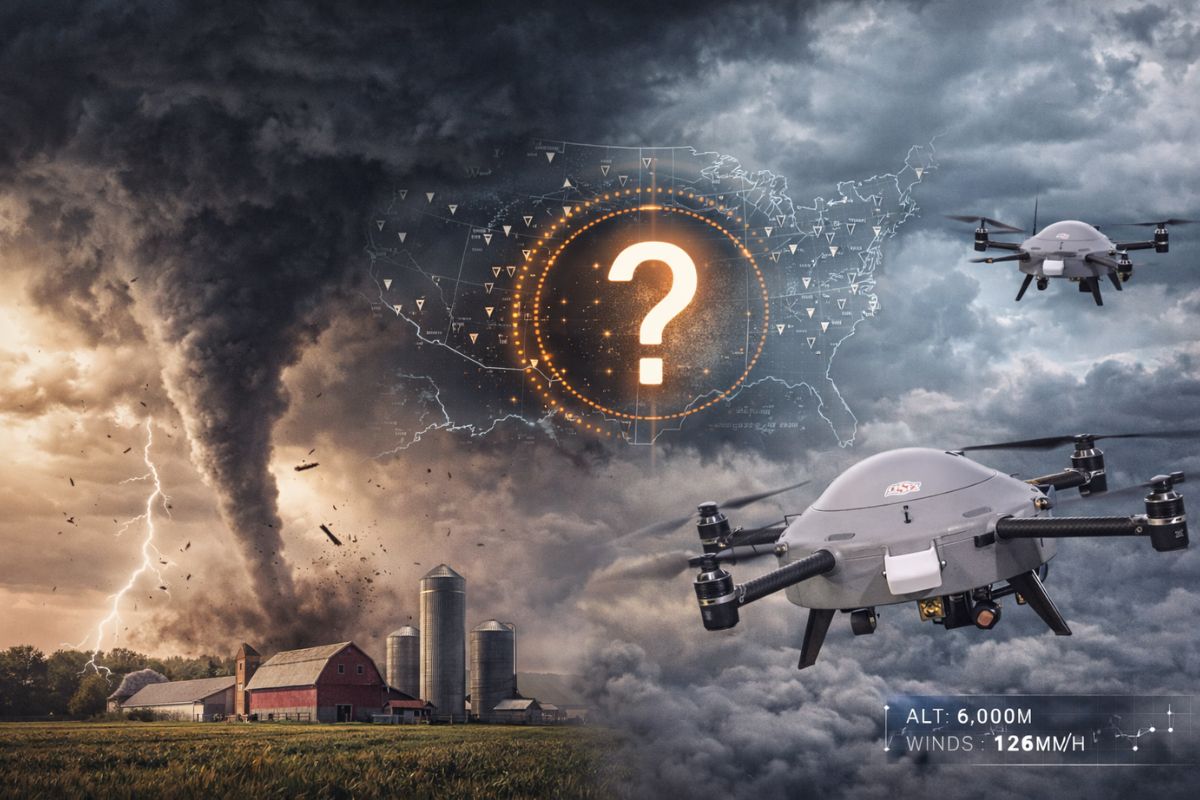
There is a gap of hundreds of kilometers between weather observation points in the United States, and now drones flying at 6,000 meters altitude in strong winds are filling this gap to predict tornadoes before they kill.
-
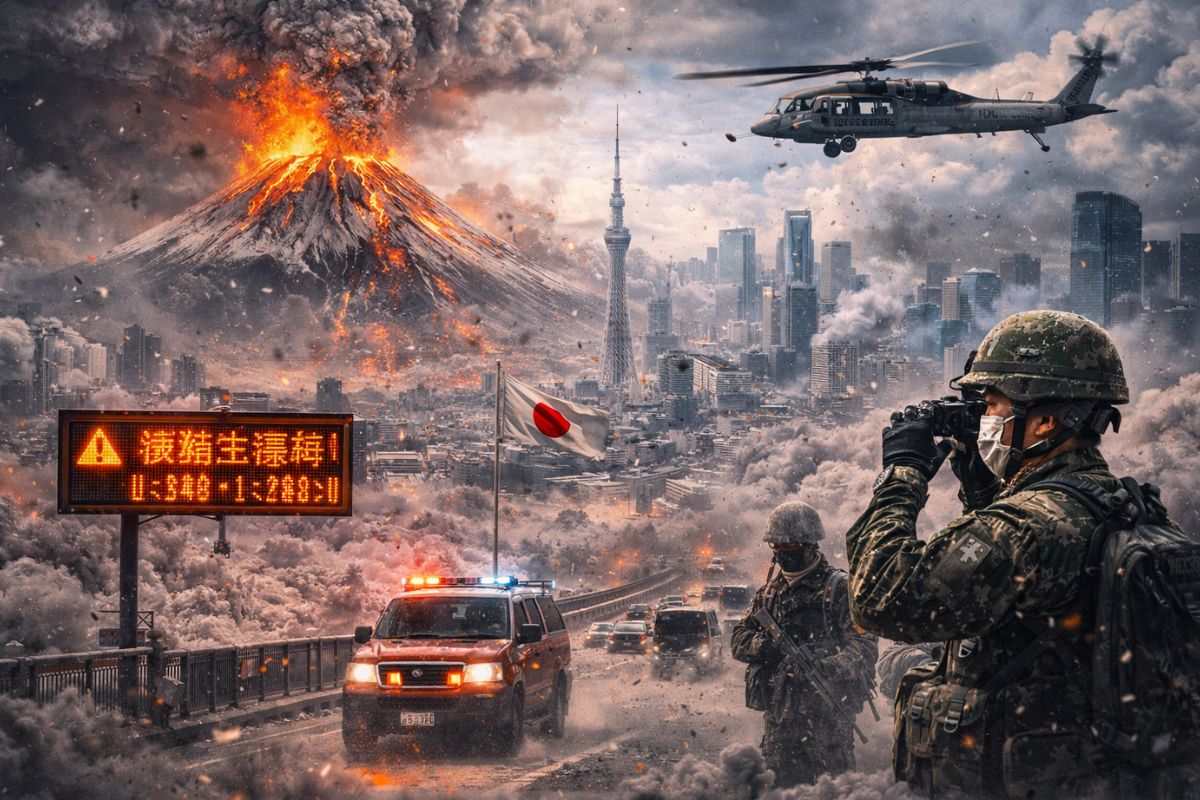
The most famous volcano in the world could paralyze one of the largest metropolises on the planet: Japan accelerates emergency plans for the eruption of Mount Fuji, which could bury Tokyo in ash for over two consecutive weeks.
-
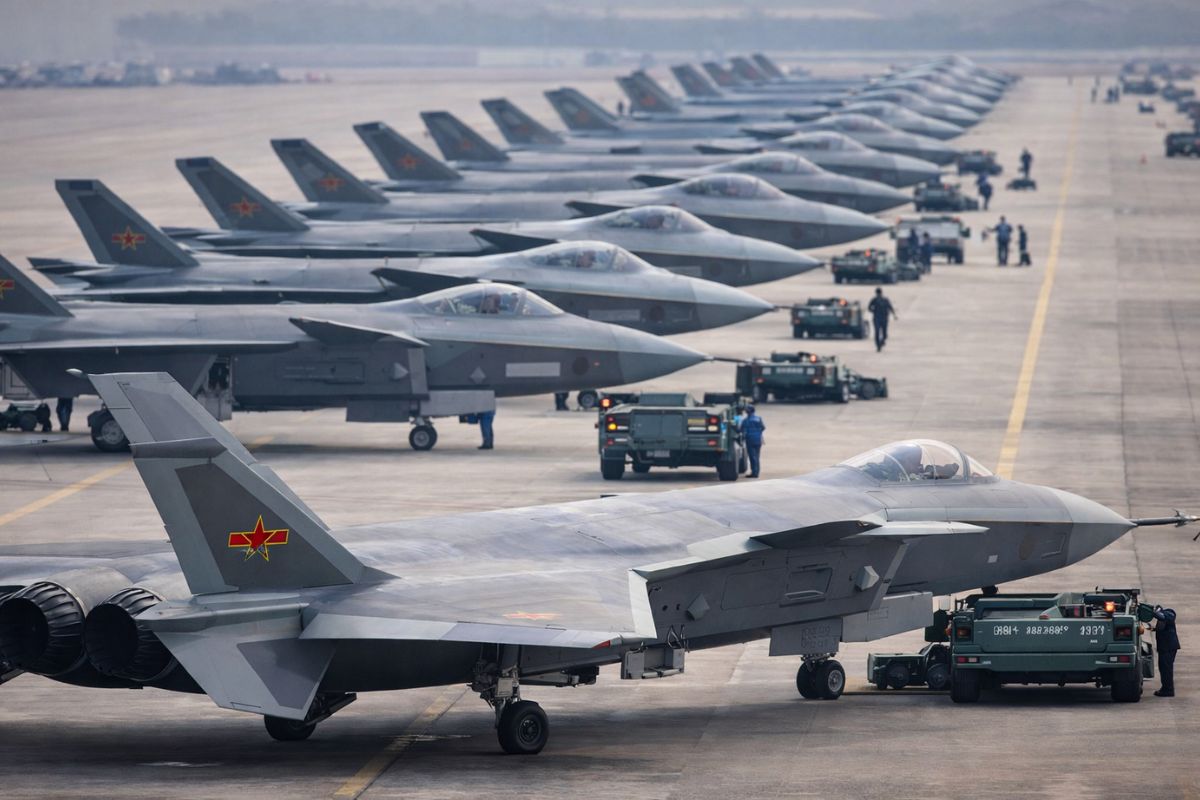
The United States has a serious problem with its F-35s: China is already producing fighters at a pace that exceeds American capacity and could manufacture up to 300 aircraft per year before the end of the decade, shifting the global military balance.
-
Remains with battle wounds of over 100 soldiers from the Roman Empire are found beneath a football field in Vienna, leaving everyone surprised.


As contradictory as it may seem, this game of threats worked during the Cold War. No superpower fired first, precisely because it knew there would not be a second shot. However, the effectiveness of nuclear deterrence depends on an unstable ingredient: the confidence that the other side will act rationally even under extreme pressure.
And this confidence is increasingly fragile in a world marked by regional tensions, unpredictable leaders, and technological advancements that reduce response time from minutes to seconds.
Moreover, the strategy of peace through fear assumes that systems will never fail. But there have been documented cases of near-nuclear accidents caused by technical errors, misinterpretations of radar, or human failures. In a scenario of military escalation, a single missile interpreted as a real attack can be the spark for a total war, calling into question the entire logic of deterrence.
Another aspect ignored in the debate about nuclear security is the lack of preparation for the post-war. Governments invest trillions in maintaining and modernizing their arsenals, but little is discussed about how to save the survivors of an attack.
Infrastructure, medical services, food chains — everything would be destroyed in a matter of minutes. What would remain is a world in collapse, where survival would depend more on luck than on strategy.
Today, nine countries possess nuclear weapons and at least five are involved in active military tensions. Despite apparent global stability, we live in a balance built on quicksand. The generation that will inherit the command of these weapons has grown distant from the terror that marked the 50s to 80s. And perhaps for that reason, it underestimates the risk. Armed peace, after all, may not be peace — just the silent truce of those living with their finger on the trigger.






-

-

3 pessoas reagiram a isso.