





 Portuguese
  English
  Spanish
  4 min of reading
  0 comments



Peugeot Hoggar Failed in Brazil: Stellantis’ Pickup Launched to Compete with Strada and Saveiro Sold Fewer Than 18 Thousand Units in Four Years and Was Discontinued in 2014.
In 2010, Peugeot decided to bet on one of the most competitive segments of the Brazilian market: compact pickups. Until then, models like Fiat Strada, Volkswagen Saveiro, and Chevrolet Montana dominated the streets and led the sales charts. The French brand’s proposal was bold: to create a pickup derived from the Peugeot 207, which combined modern design with versatility for work and leisure. Thus, the Peugeot Hoggar was born.
Launched with a strong advertising campaign and the promise of being a differentiated alternative to national competitors, the Hoggar had everything it needed to stand out. But the reality of the market was relentless: in just four years of sales, the model accumulated fewer than 18 thousand registered units. For comparison, the Fiat Strada sold that volume in just over a month.
Sales of Stellantis’ Pickup Were Well Below Rivals
The commercial performance of the Hoggar never came close to Peugeot’s expectations. The model did have some initial impact but quickly started to register dismal numbers.
-
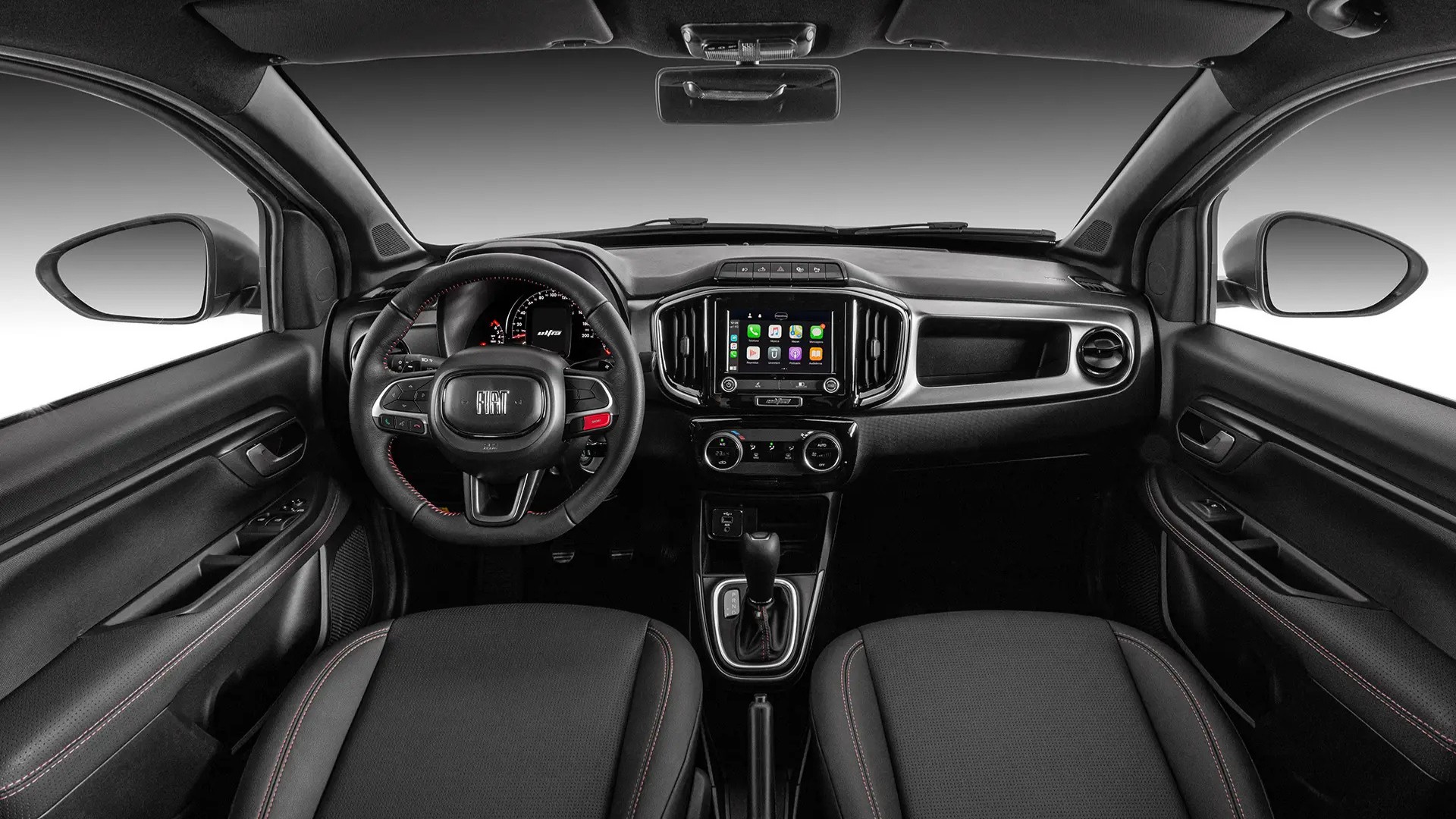
With a 1.3 engine, nearly 700 km of range, and Turbo 200, the Fiat model surpasses Polo, Tera HB20, and Onix, becoming the best-selling car in March; see the numbers for the Fiat Strada and others.
-
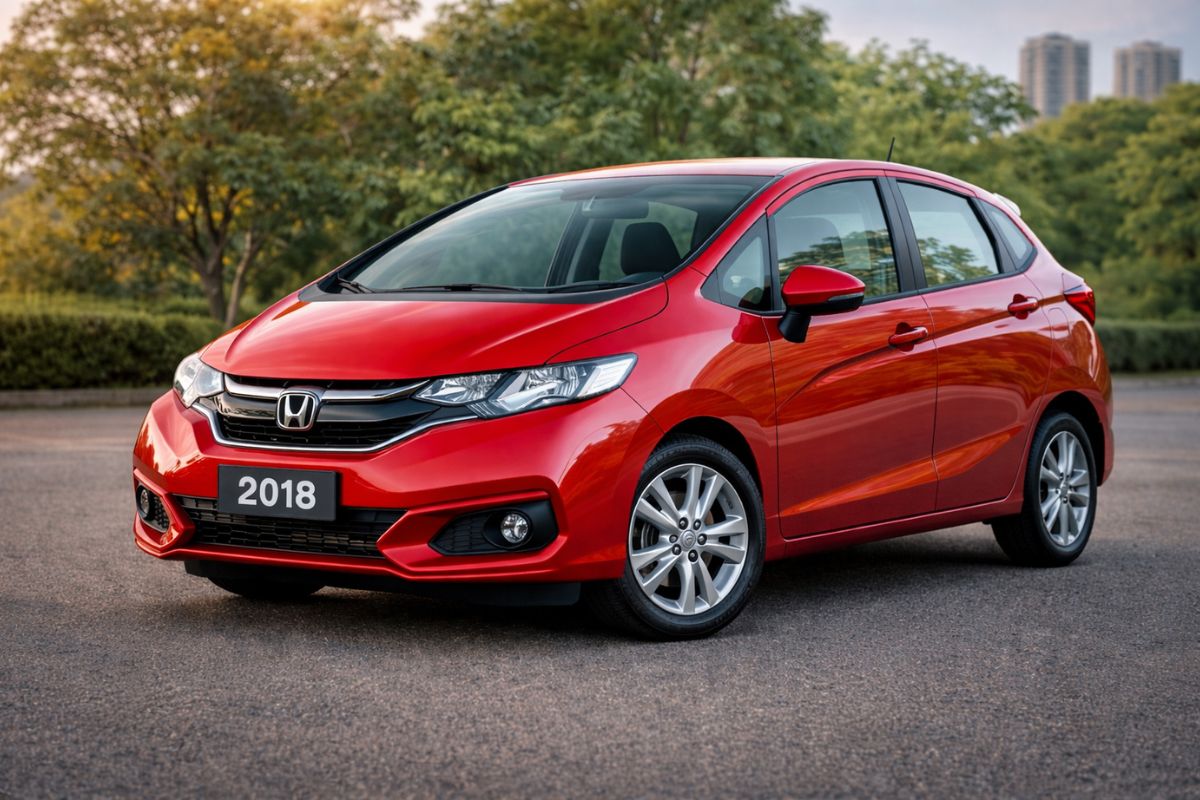
The Honda Fit has been discontinued for years, but the 2018 model is worth more today in the Fipe table than it cost brand new, proving that this used car, valued with a 1.5 i-VTEC engine and Magic Seat, only increases in price.
-
Volkswagen unveiled the 2027 Atlas with a 282-horsepower EA888 turbo engine, a 15-inch screen, massage seats, and a completely new interior to finally elevate the three-row SUV built on the MQB platform to a new level.

-
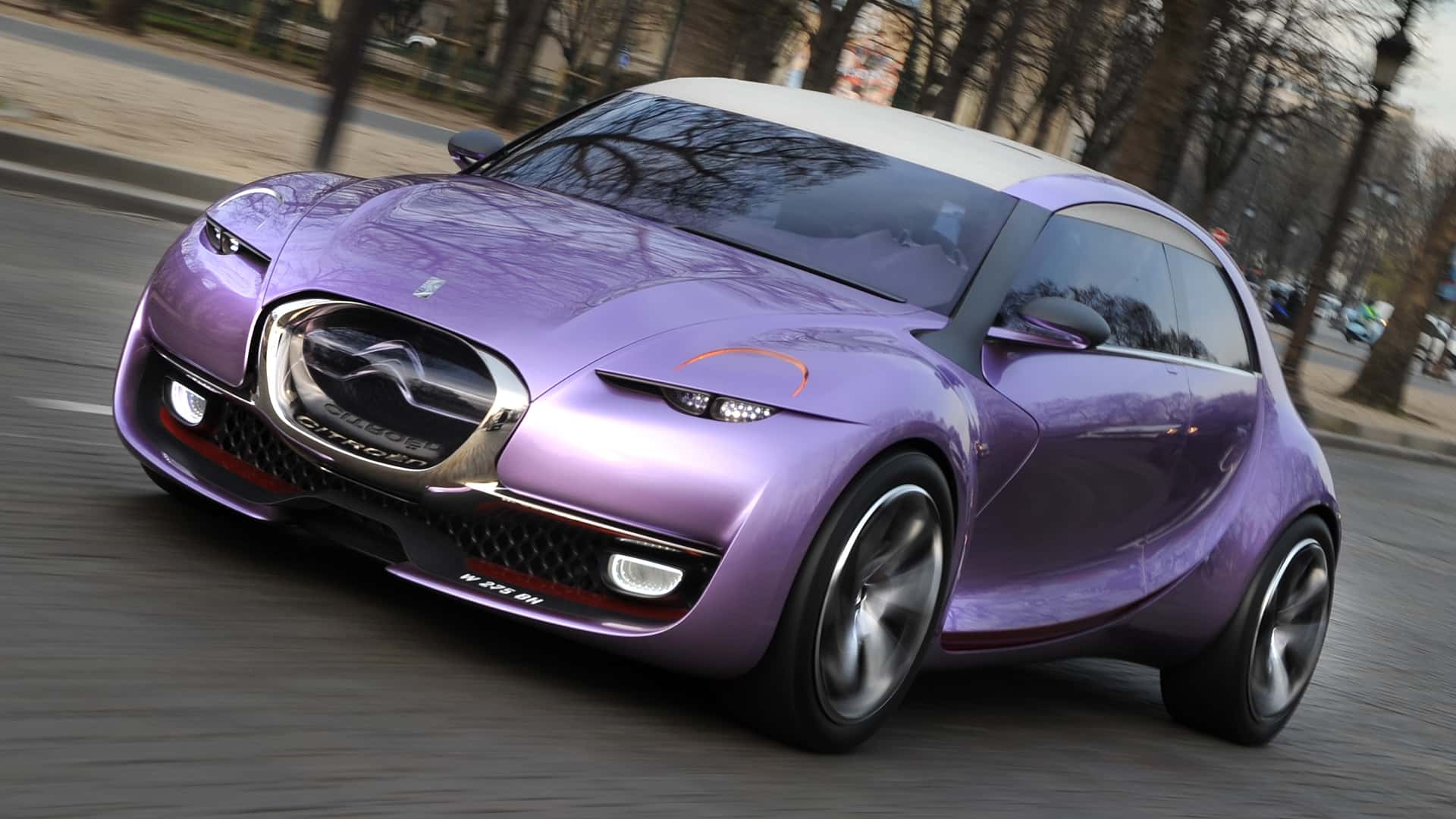
After decades out of the spotlight, Citroën is preparing to bring back the legendary 2CV as a low-cost electric vehicle, betting on the revival of one of the most popular cars in history and aiming to enter the race for affordable compact cars.

Between 2010 and 2014, its total sales didn’t exceed 18 thousand units – an annual average of just over 4.5 thousand vehicles.


During the same period, the Strada and Saveiro established themselves as absolute leaders, selling tens of thousands of units annually.
The discrepancy was so great that the Hoggar never threatened the dominance of its competitors. In dealerships, consumers showed little interest in the model, which ended up becoming a burden on Peugeot’s portfolio.
Why the Peugeot Hoggar Failed in Brazil
Several factors explain the commercial failure of the Hoggar:
- Improvised Project: The pickup was derived from the 207, a compact urban car. This raised criticisms regarding its robustness, as competitors were better suited for heavy-duty work.
- Limited Cargo Area: With a capacity lower than that of the Strada and Saveiro, the Hoggar didn’t deliver what the traditional small pickup consumer was looking for.
- Dealership Network: Peugeot had less penetration in regions where compact pickups were more popular, such as rural areas and the countryside.
- Brand Image: Peugeot was viewed as a manufacturer of urban and sophisticated cars, but not as a producer of utility vehicles. This lack of credibility turned away buyers.
- Established Competition: Strada, Saveiro, and Montana were already references, with a history of reliability, good resale value, and wide acceptance.
This combination of problems caused the Hoggar to be rejected by the public from the very beginning.
Discontinuation Came Early, in 2014
Faced with poor performance and no growth prospects, Peugeot decided to end the production of the Hoggar in 2014, just four years after its launch. The early withdrawal of the model from the market was an admission that the project had failed.
While the Fiat Strada solidified itself as the absolute leader of the segment – to the point of today being the best-selling vehicle in Brazil – Peugeot definitively abandoned the idea of competing in the small pickup market.
Hoggar Became a Symbol of Failure in the Brazilian Market
The trajectory of the Hoggar is marked as one of Peugeot’s biggest failures in the country. With fewer than 18 thousand units sold throughout its lifecycle, the model entered the list of the least remembered pickups in Brazil.
Today, finding a Hoggar on the streets is rare, and in the used car market, it is undervalued and little sought after.
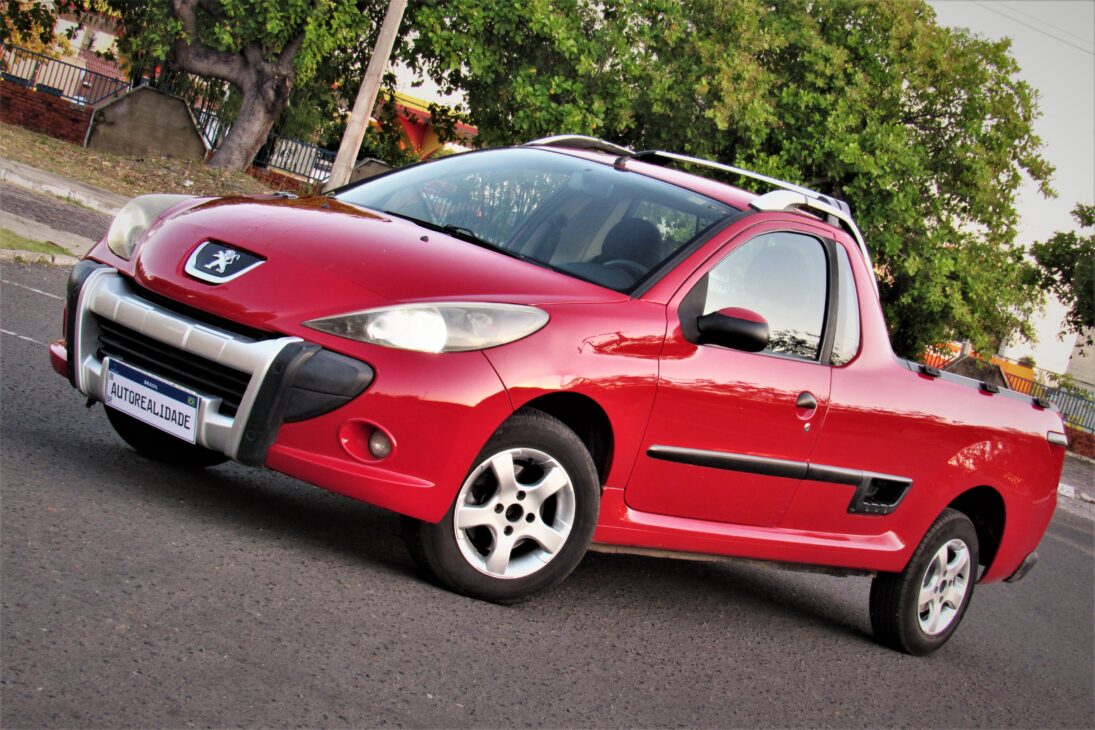
Despite some qualities, such as modern design and comfort inherited from the 207, the pickup never managed to deliver enough robustness and practicality to compete with established rivals. The image that remained was that of a car out of place: beautiful, but without a real vocation for work.
Lessons Learned from the Failure of Stellantis’ Pickup
The case of Stellantis’ pickup left important lessons for the automotive industry. It showed that launching a product in a promising segment is not enough – it is essential to understand consumer needs and offer compatible attributes.
Peugeot tried to compete in a niche dominated by traditional brands, but lacked the history, structure, or appropriate product for the competition.
The experience reinforced the idea that the brand should concentrate its efforts on urban cars, where it had a greater tradition, and made it clear that winning over pickup consumers in Brazil requires robustness, trust, and efficient after-sales service. Without these pillars, any launch is doomed to failure.









-

-

-

-

9 pessoas reagiram a isso.