





 Portuguese
  English
  Spanish
  4 min of reading
  0 comments


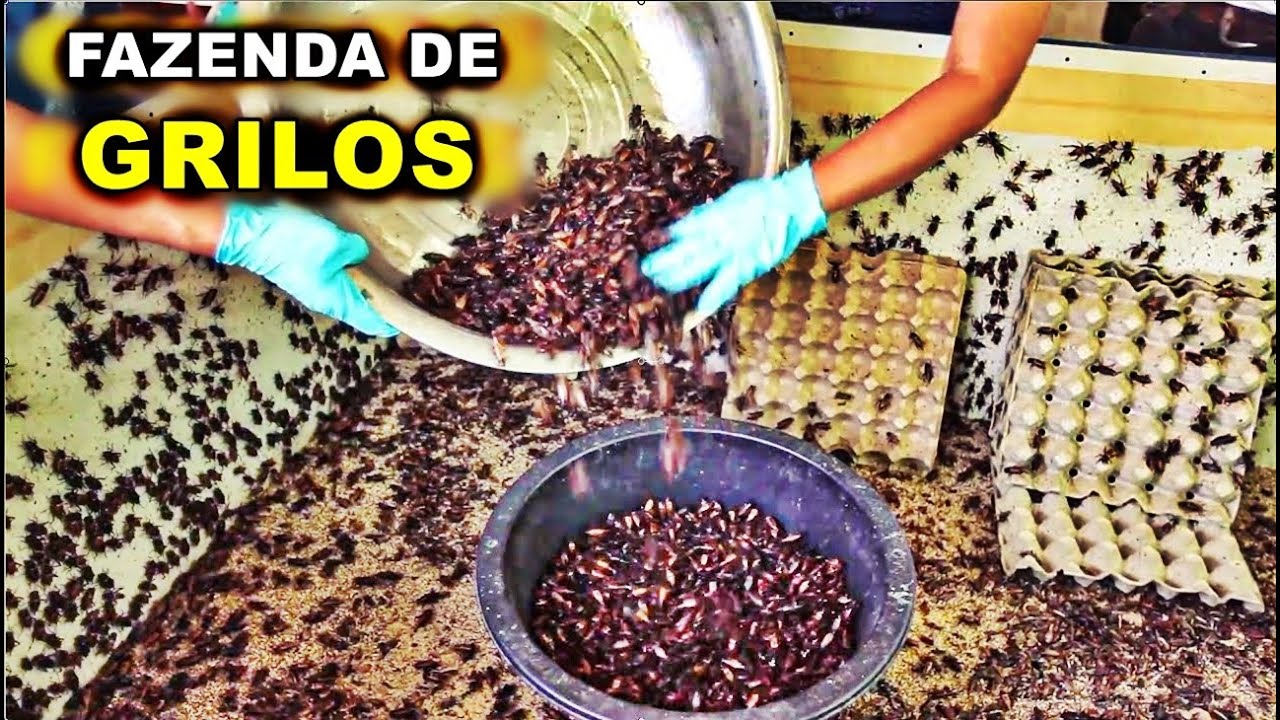
Southeast Asian Mega-Farms Produce Billions of Crickets Per Year with Climate-Controlled Nurseries and Advanced Technology, Driving the New Global Power of Alternative Protein.
In 2024 and 2025, a deep transformation is occurring far from major industrial centers, but in tropical and rural areas of the Southeast Asia, especially in Thailand, Vietnam, and Laos. These countries have become the largest hubs for edible insect farming on the planet, leading a chain that is growing faster than any other segment of animal protein. Thailand, according to studies cited by the FAO (Food and Agriculture Organization of the United Nations), produces hundreds of thousands of tons per year and records more than 20,000 active insect farms, many of them operating on an industrial scale.
These units operate as true high-density complexes, with climate-controlled nurseries, controlled lighting, standardized feed, and continuous breeding cycles that can generate billions of crickets per year in a single facility. It is the kind of production capacity that previously only existed in poultry or fish farming — now applied to insects, driven by demand from Europe, North America, and South Korea.
Why Does Thailand Lead? Structure, Climate, and Tradition That Became a Giant Business

Thailand brings together three fundamental elements:
-
Rain gains strength in April, potentially exceeding 150 mm, placing the North, Northeast, and the coasts of the South and Southeast at the center of the heaviest forecast of the week.

-
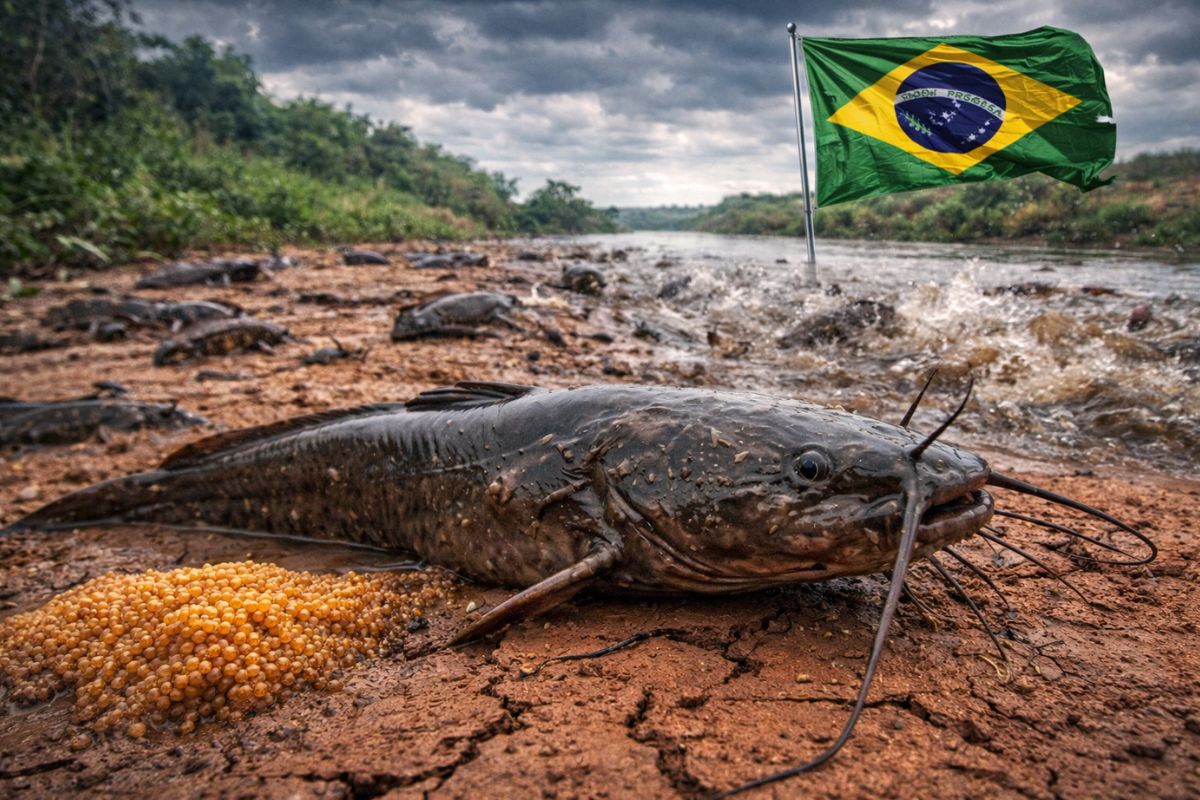
A fish that survives out of water, crawls on land until it finds another river, and whose female lays 80,000 eggs at once is infesting rivers and lakes in Brazil, and no one can stop this invasion.
-
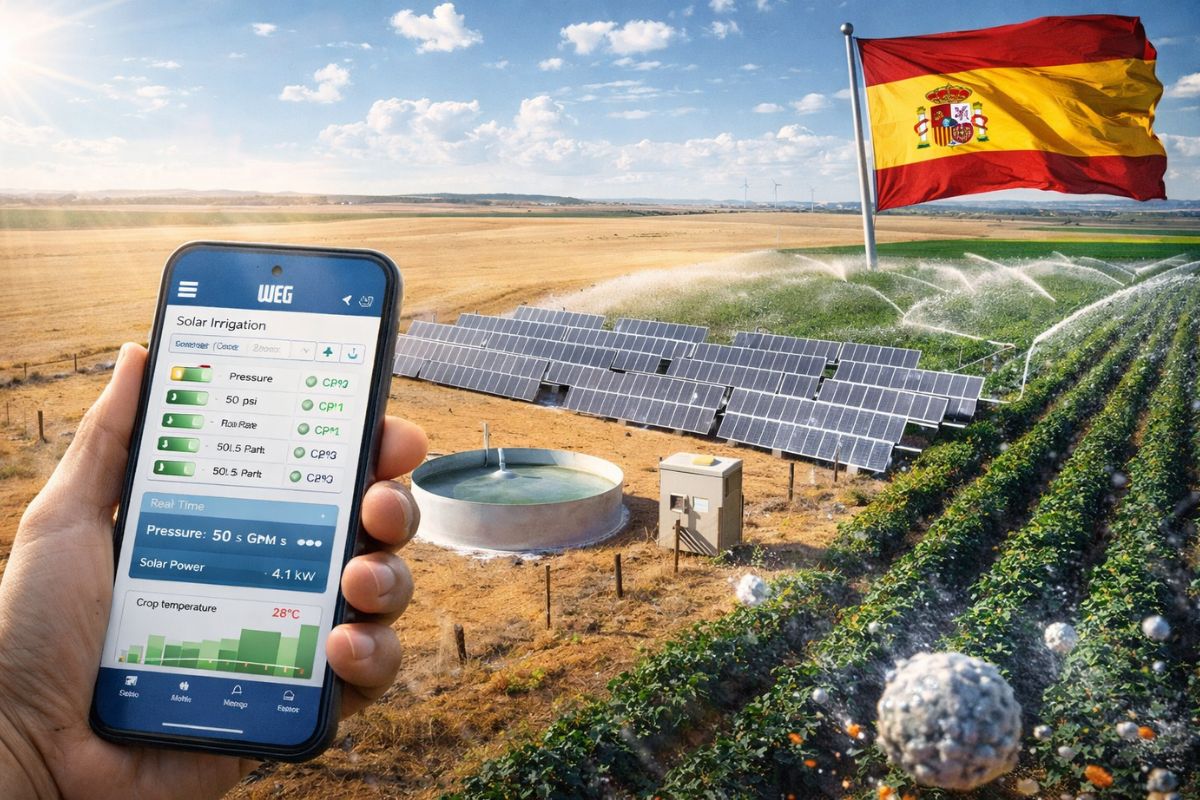
WEG took its technology to Spain to create a solar irrigation system that operates independently without needing an electrical grid, and now farmers control everything remotely via their mobile phones.
-
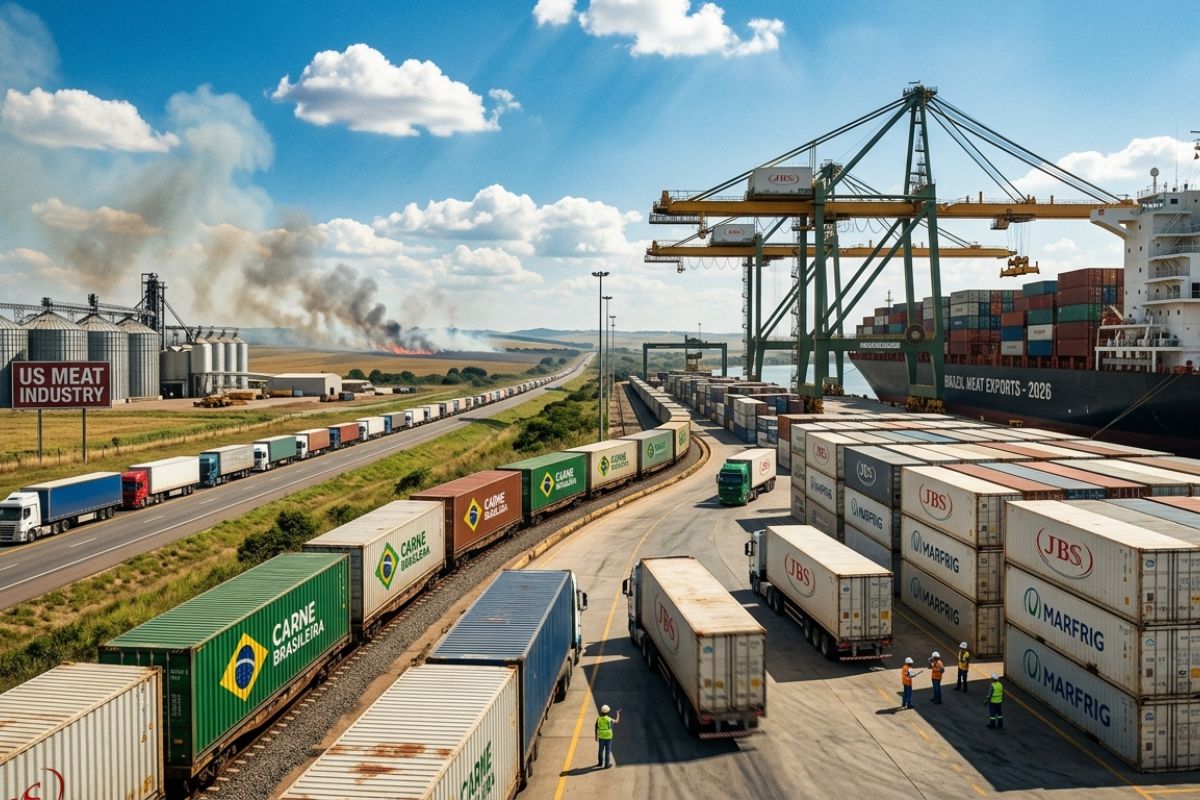
The US faces a meat crisis with fires, pests, and strikes, consumption rises and supply falls to the lowest level since 1952, creating a billion-dollar opportunity for Brazilian exports to grow in 2026.

- Warm Climate, ideal for insects — reducing energy costs and maintaining stable reproduction;
- Thousand-Year Consumption Tradition, especially of crickets, mealworms, and larvae;
- Government Investment, with official insect farming regulation since 2017.
This combination allowed the country to create a hybrid system: highly productive family farms and industrial mega-farms, both connected to an expanding export chain.
CNN and National Geographic have documented these nurseries, warehouses with hundreds of stacked boxes, cross-ventilation, digital humidity control, and harvest cycles that repeat every 35 to 45 days.
It is a continuous production, with no breaks, that transforms insect farming into a biological assembly line.
How Mega-Farms Operate: The Complete Cycle on a Billion Scale
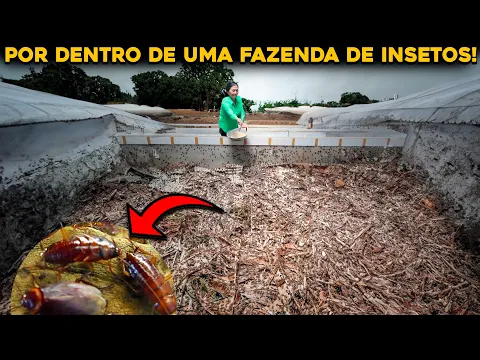
Within these structures, production follows an almost automated logic. The breeding boxes house between 3,000 to 5,000 crickets per compartment, and a single room can contain thousands of these modules.
The main processes include:
Climate-Controlled and Monitored Environment
Temperature between 28°C and 32°C, controlled humidity, and constant air circulation ensure maximum reproduction.
Standardized Feeding
Feeds with high plant protein, agricultural by-products, mixed cereals, and mineral supplements.
This control generates uniform, clean insects suitable for human consumption.
Accelerated Breeding
The cricket life cycle of about 6 weeks — allows for more than 8 annual generations, exponentially multiplying the herd.
Harvesting and Processing
The insects are harvested, sanitized, dehydrated, and ground, resulting in:
- protein flour,
- crunchy snacks,
- energy bars,
- pet food.
In the European market, cricket flour already appears in high-value-added products, such as premium pasta, bread, protein cookies, and functional beverages.
The Economic Impact: An Industry That Has Already Broken the Billion Barrier
According to reports from the FAO and market projections cited by Reuters, the global insect industry is expected to exceed US$ 3 billion in revenue by 2032, driven by:
- demand for cheaper proteins,
- sustainable agriculture,
- reduced environmental impact,
- utilization of agricultural waste.
Thailand alone accounts for a large part of this advance, thanks to its mega-farms. Many operate with:
- annual production of thousands of tons,
- partnerships with European companies,
- international certifications required by the European Union,
- exports to over 20 countries.
In 2024, Thailand reached new agreements to boost exports to Netherlands, Belgium, France, and South Korea, markets that already have regulations for human consumption of insects.
Why Insects Have Become a Power in Alternative Protein
The FAO considers insects one of the most efficient sources of animal protein ever produced:
- up to 70% protein by dry weight,
- use of 80% less water,
- almost zero methane emissions,
- superior feed conversion compared to chicken, beef, or fish,
- minimal land area requirement.
A 1,000 m² farm can produce more annual protein than a rural property of dozens of hectares dedicated to livestock.
This explains why large global companies are heavily investing: Nestlé, Ÿnsect, Protix, and Aspire Food Group already operate hyper-technology factories that receive Thai insects as input.
Critiques, Challenges, and the Global Debate
Despite the boom, the industry faces challenges:
- Western consumers still have cultural resistance;
- sanitary regulation is complex;
- bacteriological control requires continuous monitoring;
- there are debates about the ethical impact of mass insect farming.
Even so, the economic and technological advancement is undeniable, and Southeast Asia leads this race.
The Next Protein Revolution Does Not Come from Cattle, Chickens, or Fish; It Comes from Noisy Warehouses and Boxes Full of Crickets
The industrial nurseries that produce billions of insects per year represent a historic change in agriculture.
It is a sector that unites:
- tradition,
- technology,
- sustainability,
- international export,
- and a rapidly evolving production chain.
Where once there was only an exotic food, there is now one of the most promising food industries in the world, regarded by analysts as the “new frontier of global protein.”
The epicenter of this revolution? Tropical warehouses filled with lights, exhaust fans running 24 hours a day, and biological engineering capable of transforming small crickets into an economic giant.









Seja o primeiro a reagir!