





 Portuguese
  English
  Spanish
  4 min of reading
  0 comments


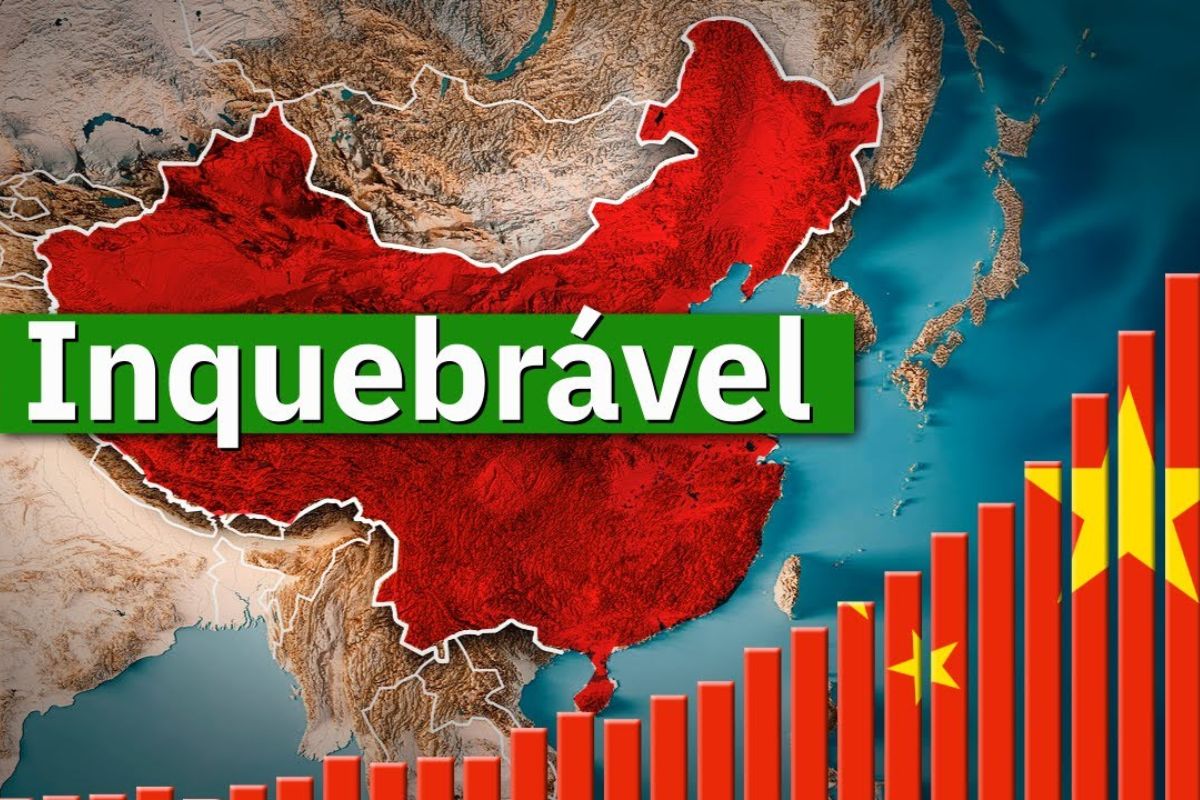
The Central Thesis Is Direct And Uncomfortable For Those Who Read China Through Western Lenses: China Structures Stability Avoiding Classic Crisis Triggers By Integrating State Finance, Information Control, And Social Mobility Management. The Result Is An Arrangement Where Shocks That Would Overwhelm Other Economies Are Institutionally Absorbed, Keeping China Functional.
The China has grown faster than any recent major economy and, despite recurring collapse predictions, has not reproduced the typical banking crises of the West. The key point, according to the system’s own logic, is that leading banks belong to the State, which can socialize losses and coordinate sectoral credit without market panic.
China, at the same time, closes the second door to instability by filtering the dissemination of destabilizing narratives, and closes the third by managing internal population flows to where industrial policy designates as priority.
The Financial Mechanism That Eliminates Panic
The China operates with a predominance of state banks in strategic sectors.
-
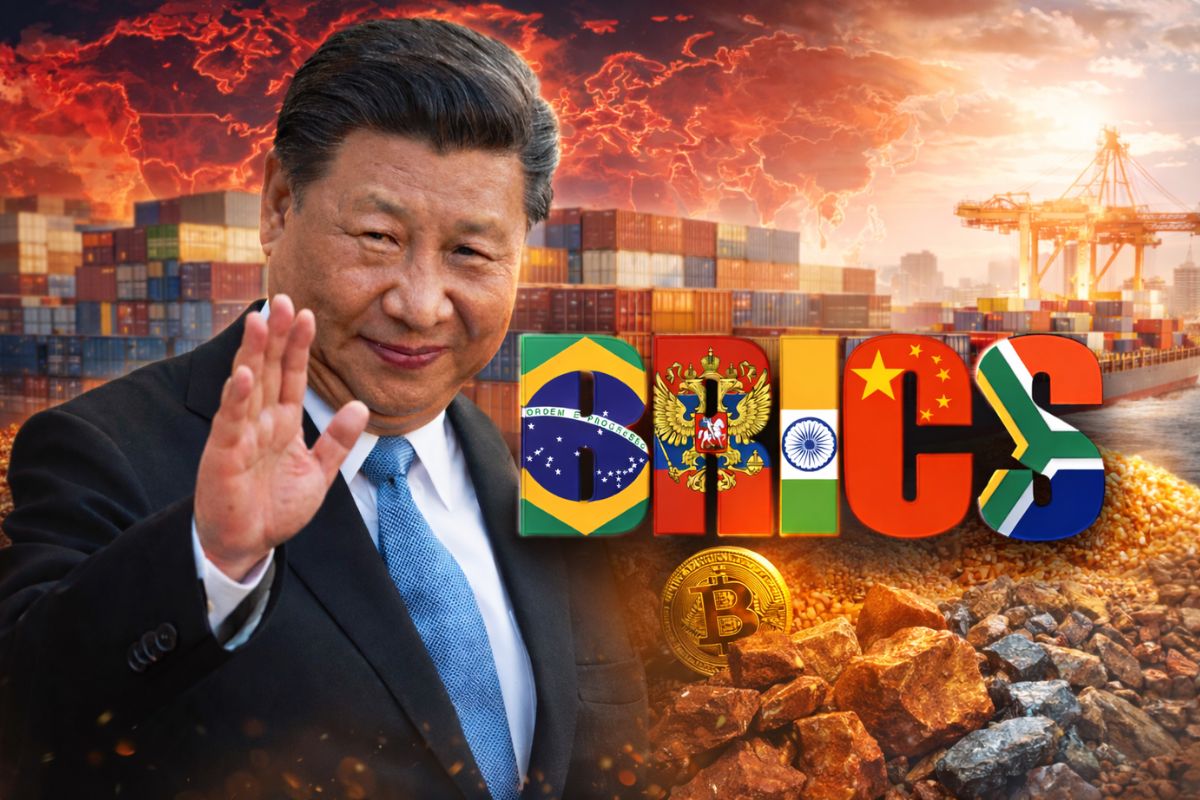
China alone accounts for 70% of trade within the BRICS, while Brazil establishes itself as an essential supplier of food and minerals: understand how the group, which already represents nearly 40% of the world’s GDP, is changing the game.
-
Starting in May, those who do not have registered biometrics will not be able to apply for Bolsa Família, sickness benefits, or unemployment insurance: understand the new rule that changes access to benefits for millions of Brazilians.

-
A new law being voted on in Brazil proposes a minimum fare of R$ 10 per trip and R$ 2.50 per kilometer for Uber and 99 drivers, and promises to ensure they earn as well as taxi drivers did during the golden age of taxis in the country.

-
Bauer Group collapses after failed judicial recovery: 25 years, 800 vehicles, and a network of gas stations leave a debt of R$ 50 million and 100 layoffs, exposing costs, tight margins, and expensive credit in Brazil.


This means that problematic loans do not trigger bank runs because there is no plurality of decision-making centers reacting in a chain.
In practice, the State absorbs losses and reprograms credit, locking in the continuity of projects it considers critical, from energy to electric vehicles.
This arrangement also reduces contagion triggers.
There is no independent market with the freedom to amplify systemic shocks, and the government has buffers such as reserves and sustained trade surplus to soften adjustments.
China, thus, replaces discipline via bankruptcy with discipline via command, preserving sectoral liquidity when necessary.
Information Control And Narrative Stability
The second lever is informational.
China filters platforms and search results, channeling public debate into a domestic ecosystem.
This disarms the viral spread of panic and coordinated protests which, in other contexts, accelerate political and financial crises.
Cases of intervention on prominent voices signal the limits of the acceptable.
The message is clear for corporations and business leaders: public contestation of pillars of the financial system does not turn into a national campaign.
China, through its digital architecture, lowers the probability of sudden rupture by narrative.
Directed Social Mobility And Flow Management
The third lever is demographic and territorial.
China manages internal mobility, conditioning access to local services and permanent residence on permits.
This directs workers to industrial hubs when and where industrial policy dictates, avoiding disorderly urban unemployment explosions.
This was the case in coastal advancement, when China channeled millions into specific economic zones, minimizing urban chaos and placing less pressure on the welfare systems of non-prioritized cities.
The result is a spatial adjustment of labor that follows the deployment of manufacturing and logistics.
The Safety Valve Of Continuous Performance
Unlike authoritarian regimes that have collapsed, China combines political authority with limited but verifiable social mobility, backed by growth and a supply of opportunities.
The pact is material: stability in exchange for measurable improvements in quality of life.
As long as there is sufficient expansion of income and services, social pressure dissipates, replacing the electoral valve with a performance valve.
China maintains credibility in this pact when it sustains employment, infrastructure, and educational advancement at a noticeable pace.
Who Wins, How Far They Advance, Where And Why
Those who win are sectors defined as strategic that receive coordinated credit.
How far they advance depends on the absorption and execution capacity of the chosen companies.
Where this materializes is in prioritized hubs, from industrial coastlines to new technological fronts.
The reason it works lies in the integration of the three levers: finance, information, and population, all under central command.
For domestic investors and workers, China offers predictability of employment and long-cycle projects.
For policymakers, the system reduces the randomness typical of fragmented markets, trading volatility for coordination and goals.
Risks And Limits Of The Arrangement


The architecture is not immune to tensions.
The accumulation of credit in champion sectors requires constant monitoring, and information control demands selective transparency, which can delay corrections.
China needs to calibrate incentives to avoid persistent inefficient allocation.
Even so, the institutional design was conceived to soften failures.
If a sector becomes over-leveraged, the adjustment is commanded and gradual, not chaotic liquidation.
If a narrative destabilizes, the channels of diffusion are modulated.
If a hub saturates the labor supply, the flows are redirected.
In your assessment, can China maintain this performance pact for another decade without relinquishing control over the three levers, or will it be forced to cede transparency and market to sustain productivity?










Seja o primeiro a reagir!