





 Portuguese
  English
  Spanish
  3 min of reading
  0 comments


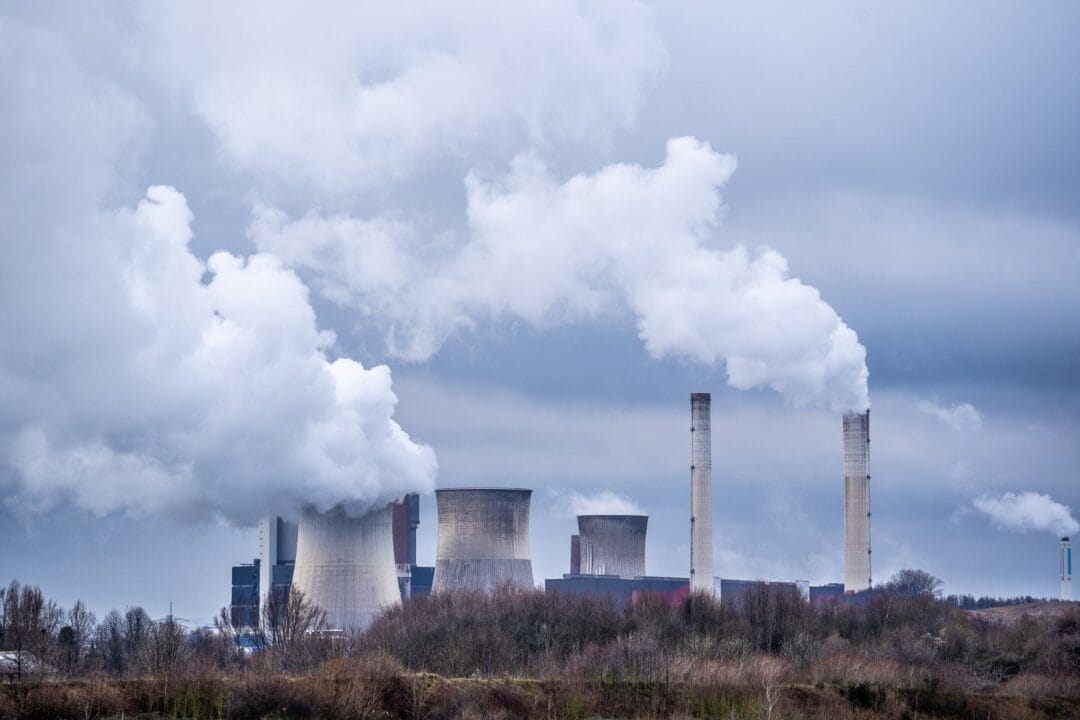
William Padilha Highlights The Need For Industries To Minimize The Impacts Of Global Warming.
The Industrial Commitment To Climate
Brazil faced its mildest winter in six decades, witnessed cyclones in the South, and suffered the fifth worst drought recorded in the Amazon. All these are alarming signs of climate changes, largely driven by human activities. William Padilha, a civil engineer and Technical Director of WEHRLE do Brasil, notes that while these changes cannot be quickly reversed, there is room for action, especially from companies.
Padilha expresses concern about the current situation, emphasizing the need for a global commitment to mitigate these effects. He mentions that certain observed changes exceed even the initial forecasts. “Some of the climate changes we are seeing are even more drastic than initial estimates, partly due to interactions with other phenomena, such as El Niño,” he says.
-
Historic bankruptcy of Centauro shocks the market, and the century-old company puts more than 500,000 products, machines, and complete infrastructure up for online auction.

-
New shoe factory in Ceará is expected to create 400 jobs and strengthen the local economy.
-
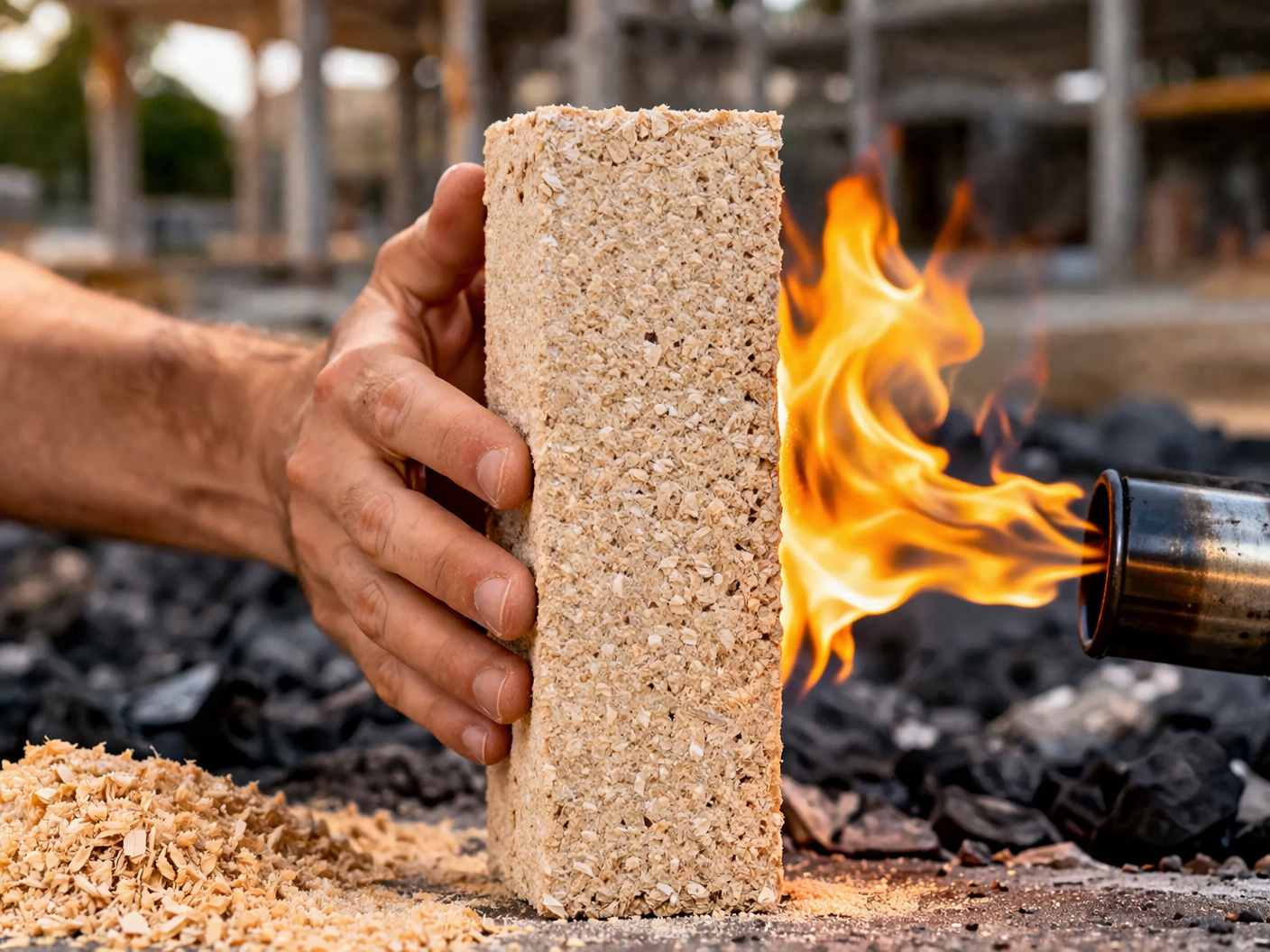
No one imagined it, but a mixture of sawdust with a mineral that fights fires surprises scientists with a result that changes the course of fire-resistant construction.
-
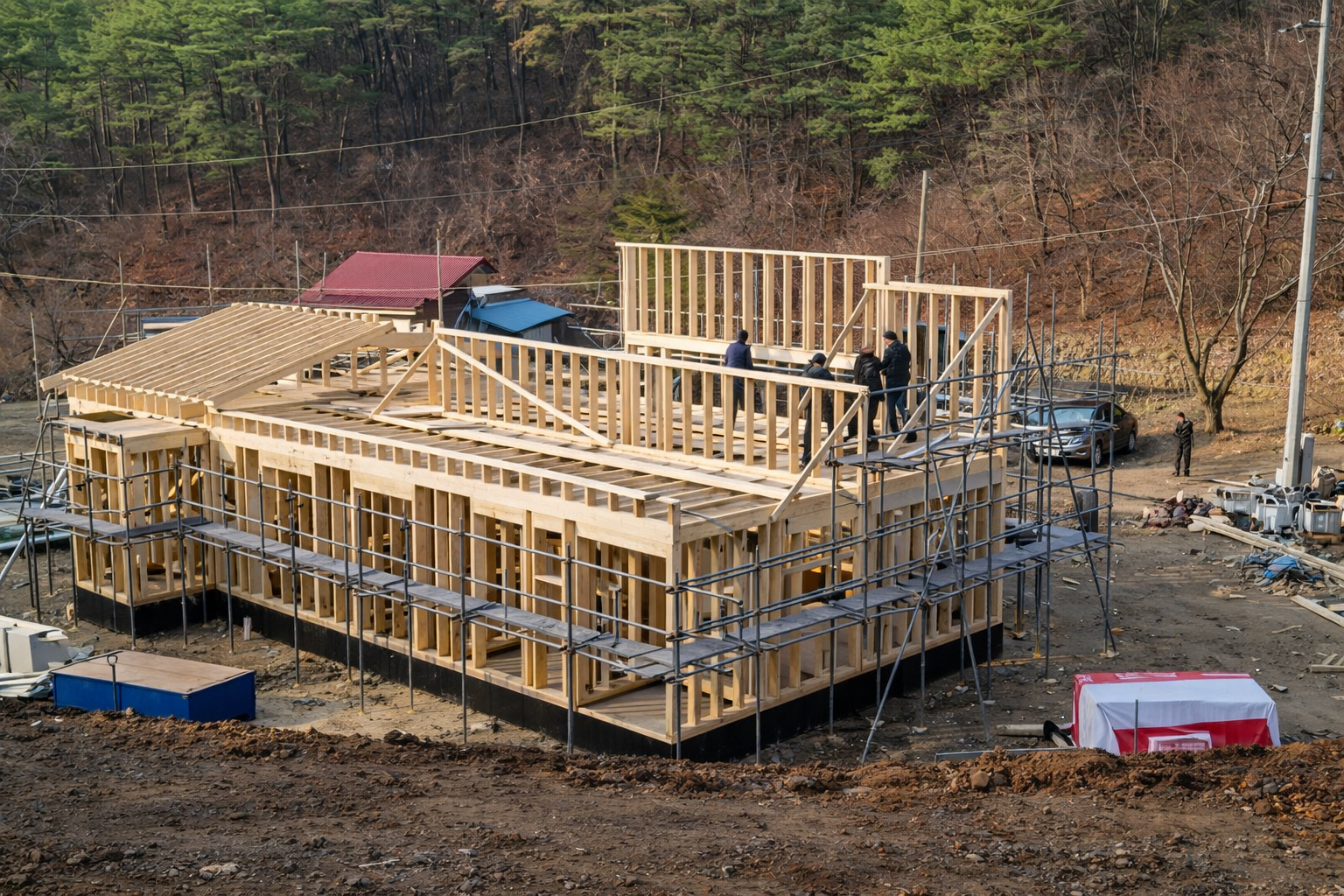
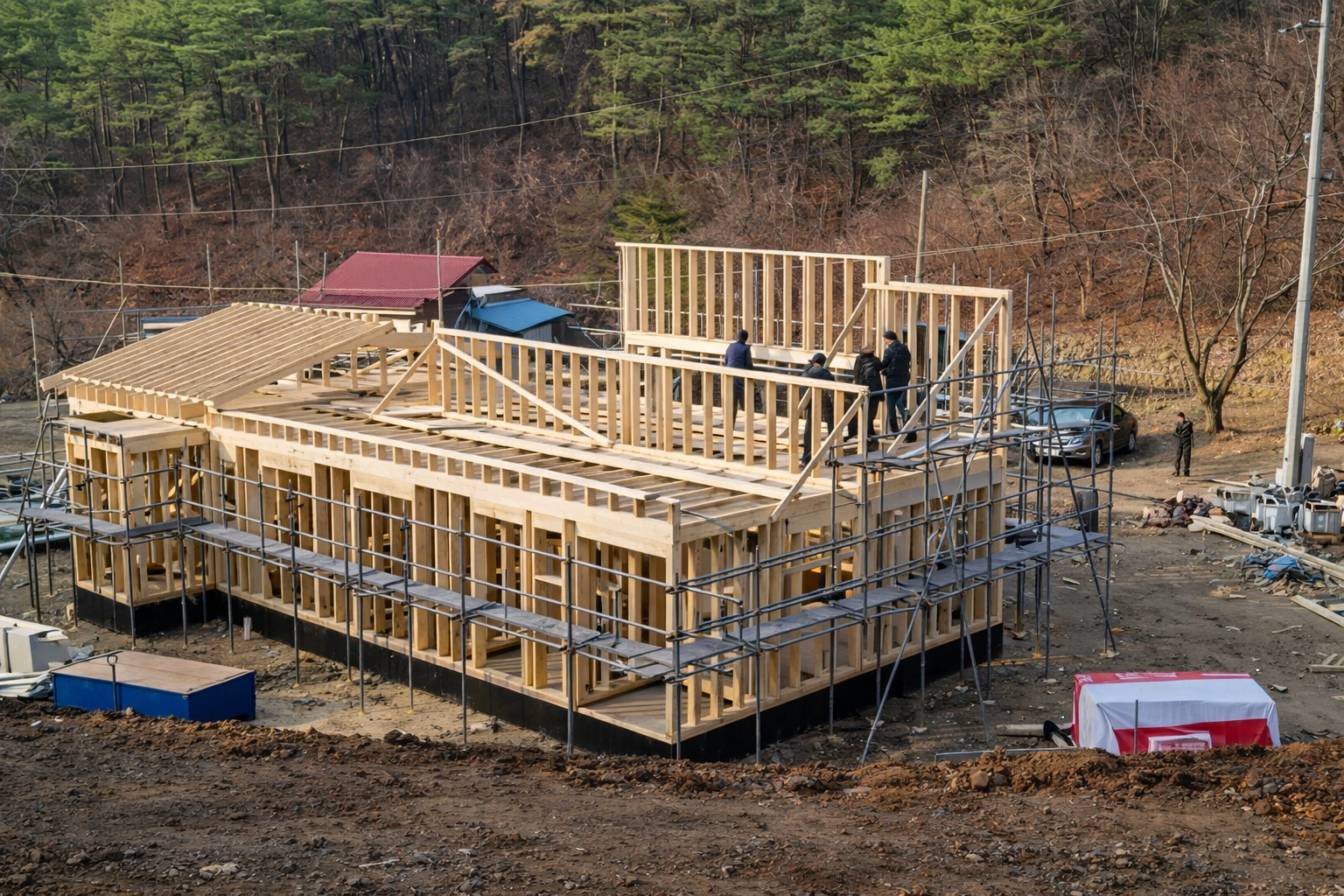
From empty land to a high-end house, wooden construction uses a lightweight system, metal structure for the foundation, ventilated ceramic cladding, and special windows to create an efficient and comfortable living space throughout the year.

Industry And Sustainability: A Vital Combination
Industrial companies have a crucial responsibility in this scenario. The key is not only to optimize resource and process management but also to minimize the negative impacts of their activities on society. To illustrate, Padilha cites the Water Risk Index – a tool that evaluates the water-related risks in business operations, considering both scarcity and excess.
He highlights that “climate changes intensify the risks. As we adapt to these new realities, it is crucial for companies to identify and understand these risks, as this provides us with a clearer perspective on the impacts of global warming on our operations.”
Moreover, the adoption of robust environmental, social, and governance (ESG) management policies becomes imperative. Padilha emphasizes that although ESG approaches vary among companies due to sectoral differences, they all share a common starting point: to recognize and take responsibility for the impacts of their products and services. “The goal is to create strategies that result in a positive influence on climate change, with methods aligned to the company’s values,” adds the director of WEHRLE.
In the current landscape, the pressure on companies to be responsible regarding climate change is increasing. As Padilha suggests, companies can adopt guidelines such as the UN Sustainable Development Goals or the Global Reporting Initiative (GRI) to ensure their actions align with climate change mitigation.
About AHK Paraná: The Brazil-Germany Chamber of Commerce and Industry (AHK Paraná) aims to strengthen the economic market by promoting investments, trade, and services between Germany and Brazil, as well as establishing global and regional economic cooperations. Currently led by Andreas F. H. Hoffrichter, Honorary Consul of Germany in Curitiba, the organization has proven to be a pillar in promoting bilateral economic interactions.
Source: William Padilha, civil engineer and Technical Director of WEHRLE do Brasil.







Seja o primeiro a reagir!