





 Portuguese
  English
  Spanish
  3 min of reading
  0 comments


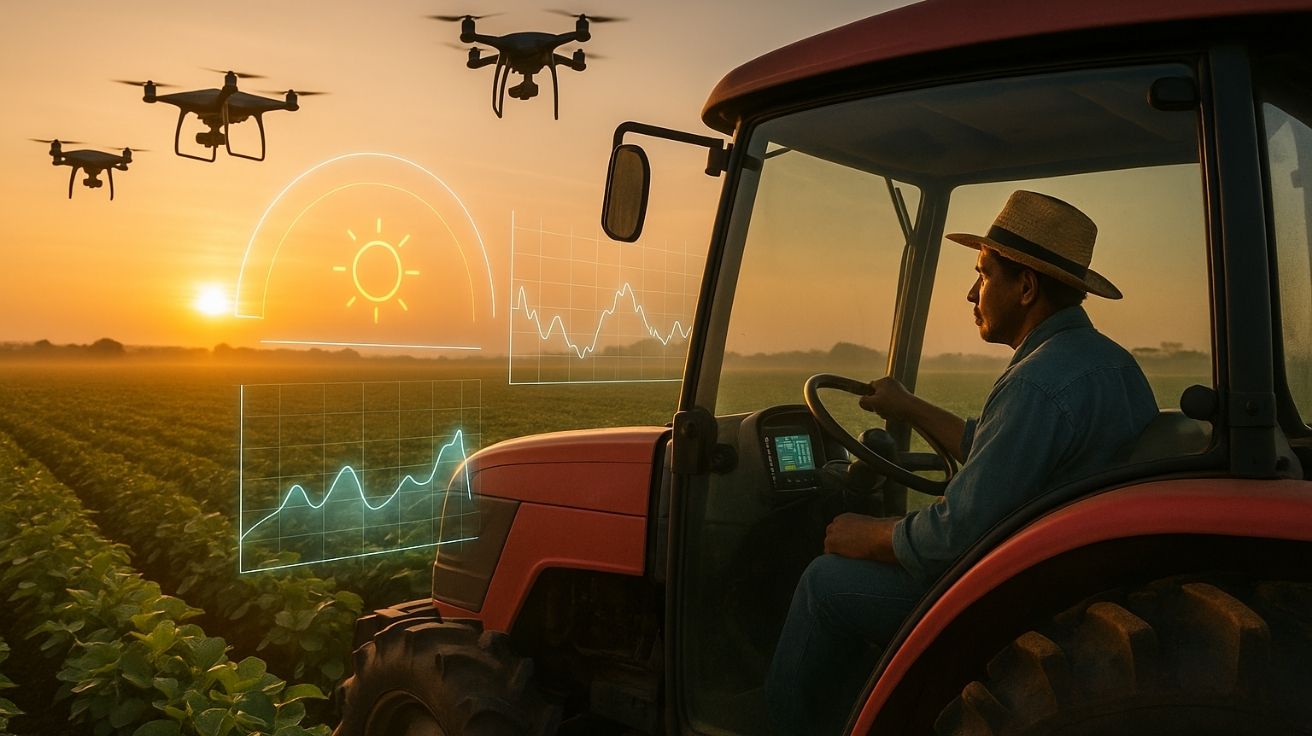


AI Solutions Applied to Precision Agriculture Now Allow for Rain Prediction, Optimization of Pesticide Use, and Increase Production by Up to 20%, Even on Family Farms with Low Technology Investment
In Brazil, a silent revolution is underway in the soybean fields, where artificial intelligence (AI) has been increasingly adopted by small producers to increase productivity, reduce costs, and improve resource management.
In 2025, technologies previously restricted to large farms are now driving profits in small rural properties through intelligent systems that analyze climate, soil, and market data.
The Digital Revolution in Brazilian Agriculture
The use of AI in Brazilian agriculture has been growing rapidly, especially in crops such as soybeans, which account for about 40% of agribusiness exports. With algorithms capable of predicting weather, identifying pests, and guiding the efficient use of agricultural inputs, producers have observed productivity gains exceeding 15%, according to data from Embrapa.
-
The water that almost everyone throws away after cooking potatoes carries nutrients released during the preparation and can be reused to help in the development of plants when used correctly at the base of gardens and pots, at no additional cost and without changing the routine.

-
The sea water temperature rose from 28 to 34 degrees in Santa Catarina and killed up to 90% of the oysters: producers who planted over 1 million seeds lost practically everything and say that if it happens again, production is doomed to end.

-
An Indian tree that grows in the Brazilian Northeast produces an oil capable of acting against more than 200 species of pests and interrupting the insect cycle, gaining ground as a natural alternative in soybean, cotton, and vegetable crops.

-
The rise in oil prices in the Middle East is already affecting Brazilian sugar: mills in the Central-South are seeing their margins shrink just as ethanol gains strength.


This digital transformation is occurring not only in large plantations in the Midwest but also in smaller areas in the South and Southeast. Family farms in states like Goiás, Paraná, and Mato Grosso are using simplified AI platforms, often integrated with drones, sensors, and visual analysis software, that monitor the condition of crops in real-time.
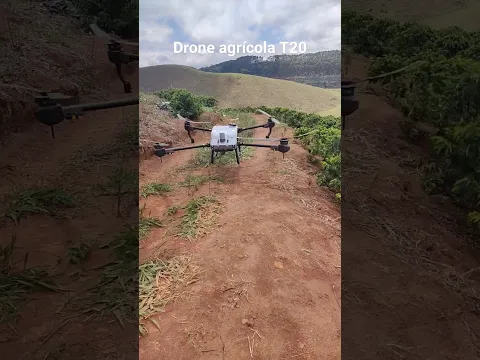

The democratization of access to technology has been driven by Brazilian startups such as Aegro, Solinftec, and Strider, which offer solutions tailored to the reality of producers with limited infrastructure. These platforms allow, for example, mapping productivity per hectare, applying inputs at variable rates, and predicting the ideal harvest window, resulting in greater efficiency and lower losses.
Predictive Artificial Intelligence Improves Decisions and Reduces Risks
One of the sector’s biggest bets is predictive AI, which processes historical and real-time data to anticipate extreme weather events, such as droughts or out-of-season rains, and guide crop planning. This is essential in a scenario marked by climate change and increasing volatility in the agricultural market.
A practical example comes from Fazenda Santa Brígida in Goiás, which implemented an AI-based system to optimize soybean planting. With analyses combining climate, soil, and productive history, the farm recorded a 15% increase in productivity and 20% reduction in pesticide use in the 2023/2024 harvest, according to TOTVS.
However, rural connectivity remains a challenge. Only 43.8% of rural properties have access to quality mobile internet, according to the Rural Connectivity Indicator. Initiatives such as the expansion of 5G and satellite solutions like Starlink seek to overcome this limitation, enabling the expansion of digital agriculture in the country’s interior.
Accessible AI Promotes Inclusion and Generates Economic Impact
Beyond large operations, Brazilian family agriculture has benefited from simplified versions of AI solutions, with intuitive interfaces and tiered pricing. Platforms like Aegro offer remote monitoring packages via satellite, management guidance, and weather forecasting for less than R$ 100 per month, making the use of AI feasible even for properties with less than 10 hectares.
Agricultural cooperatives also play a key role. Organizations like Cooxupé and Cocamar provide shared technology centers where small producers access digital tools, receive training, and monitor the performance of their crops with specialized technical support.
According to consulting firm 360 Research & Reports, the global digital agriculture market is expected to grow by 183% by 2026, and Brazil stands out for adapting these technologies to different production realities. While other countries focus on intensive agriculture, Brazil invests in hybrid solutions, promoting digital inclusion in the field.
Technology and Sustainability as Competitive Advantages
Another strong point of artificial intelligence in Brazilian agribusiness is its contribution to sustainable practices. With sensors and algorithms, it is possible to optimize water use, reduce carbon emissions, and limit the use of agrochemicals, meeting the growing international demand for low environmental impact food.
The integration of AI and low-carbon agriculture allows producers to adopt systems such as no-till, crop rotation, and monitoring carbon sequestration in the soil, practices that can be certified via blockchain to generate carbon credits and open doors to new markets.
The information was disclosed by Agrológica, based on surveys from TOTVS, Embrapa, reports from Sebrae, and data from the Ministry of Agriculture, which reinforces the role of artificial intelligence as a driver of Brazil’s rural transformation.









Que maravilha! Nem vai precisar mais do Plano Safra de quase R$ 500 bilhões do governo federal. Esses recursos agora poderão ir para a agricultura familiar e produção de alimentos para garantir a segurança alimentar dos brasileiros.