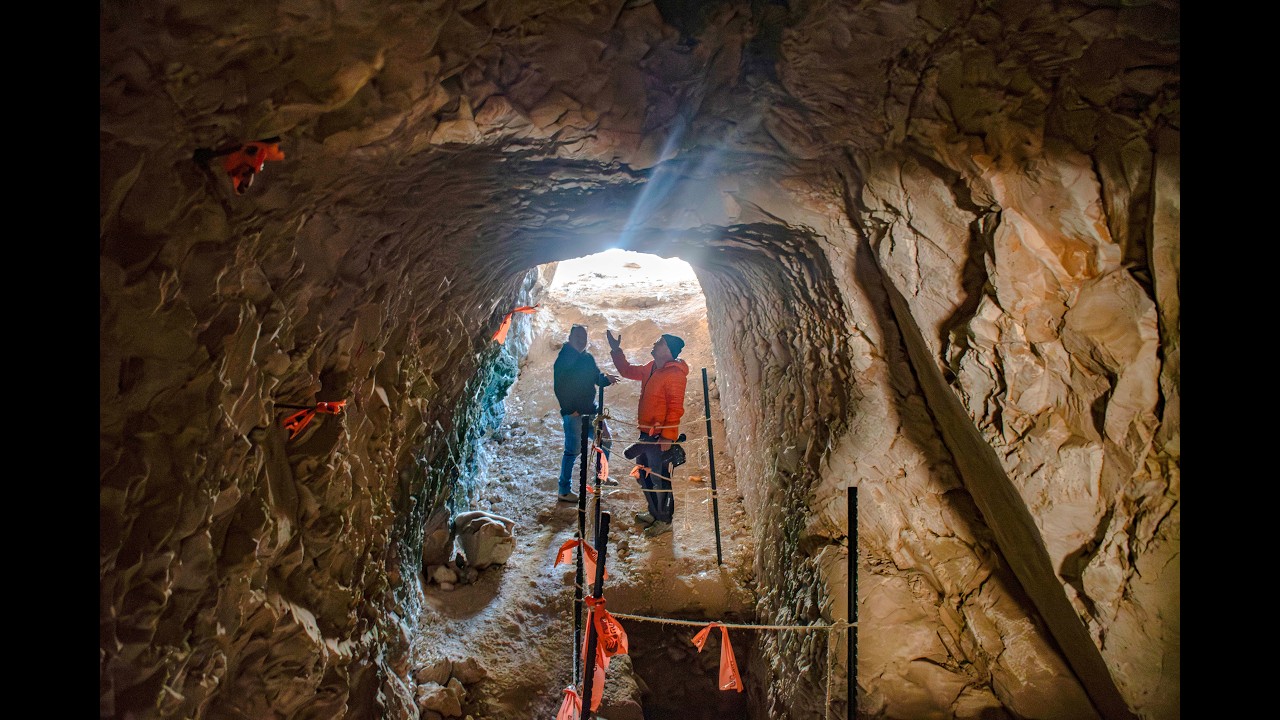
Built between 1858 and 1865, Tunnel 12 is 2,233 meters long, connects Mendes to Paulo de Frontin, and symbolizes the railway expansion that brought coffee from the interior of Rio de Janeiro to the capital of the Brazilian Empire
With an extension of 2,233 meters, Tunnel 12 crosses the Serra do Mar between Mendes and Paulo de Frontin. Built between 1858 and 1865, the railway passage helped transport coffee from the interior to the capital and remains a symbol of engineering from the imperial period.
Mendes is considered the smallest municipality in Rio de Janeiro in terms of territorial extension. According to IBGE data cited in the reference material, the city covers 95.35 square kilometers and has approximately 17.5 thousand inhabitants.
Located in the Coffee Valley, the municipality encompasses mountainous areas, stretches of Atlantic Forest, and constructions that preserve its connection with the Brazilian railway expansion during the 19th century.
-
Railway plan of around R$ 3.3 trillion aims to connect European capitals with high-speed trains by 2040 and compete with short flights, but it depends on governments and investors to finance new lines, tunnels, and incompatible systems.

-
With a 30.1% increase in launches and 13.7% in deliveries, Brazil’s real estate market closed 2025 in strong expansion, driven by the Minha Casa Minha Vida program, with São Paulo leading and generating 42.6 billion reais in sales.

-
1,400-year-old Anglo-Saxon treasure emerges as detectorist returns to car after a day without finds and discovers a gold piece with garnets; another participant unearths a gold raven’s head, extremely rare artifacts that may have decorated an ancient ceremonial vessel in southwest England.
-
Harvesting 292.94 million boxes and growing 26.9% in the year, Brazil’s orange crop recovered in the 2025/26 season, but was 6.9% below the initial estimate due to drought and greening.


The railway played a central role in the formation of the city. The tracks created a more efficient route to transport coffee production from the interior of Rio de Janeiro to the port of Rio de Janeiro.


Tunnel 12 took the railway through the Serra do Mar
Also known as the Great Tunnel, Tunnel 12 was built to allow trains to cross one of the most difficult areas of the former Dom Pedro II Railway.
With about 2,233 meters, the structure was opened in a region with rugged terrain. The construction required drilling through rocky sections, working in deep areas, and measures to ensure ventilation during execution.
At that time, crossing the Serra do Mar represented a significant technical and human challenge. Besides the tunnels, the implementation of the railway required cuts in the terrain and structures capable of supporting the circulation of locomotives, cargo, and passengers.
The passage reduced some of the difficulties faced by regional transport. Before the railway, distances, poor roads, and the characteristics of the mountain range made the circulation of goods slower and more complicated.
Due to its dimensions and the conditions under which it was executed, the tunnel was considered one of the great railway works of its time and became a landmark of engineering from the Brazilian imperial period.
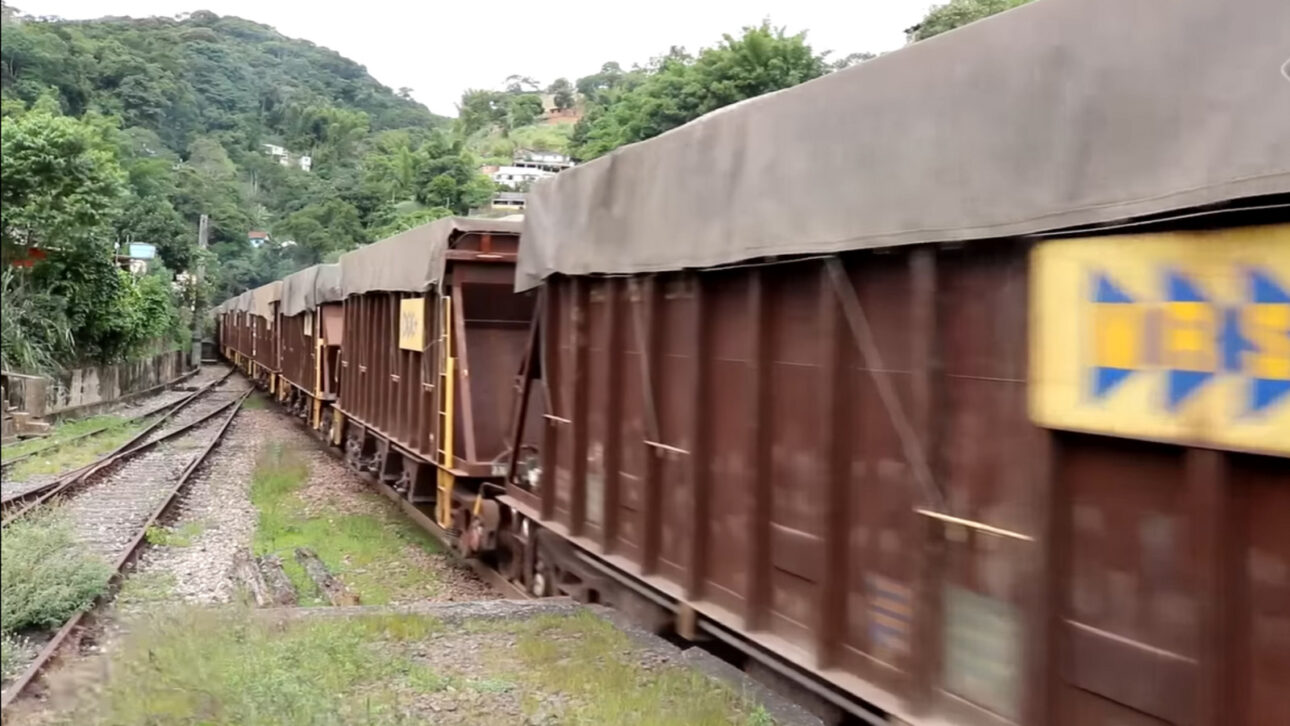
Railway accelerated coffee transportation
The construction was part of the Dom Pedro II Railway, created after Decree No. 641, of 1852. The line aimed to connect the interior’s producing regions to the Empire’s capital.
The first section of the railway was inaugurated in 1858. The route connected the Court Station in Rio de Janeiro to the municipality of Queimados.
As the tracks advanced through the state of Rio de Janeiro, the coffee produced in the Paraíba Valley began to have a faster connection to the capital.
The new structure also helped integrate interior cities with the Empire’s main economic center. In Mendes, this influence appeared in urban growth and the formation of areas near the railway facilities.
After the Proclamation of the Republic in 1889, the Dom Pedro II Railway was renamed the Central do Brasil Railway.
Despite the change, the line continued to be linked to the circulation of cargo and passengers and to the development of the localities crossed by the tracks.
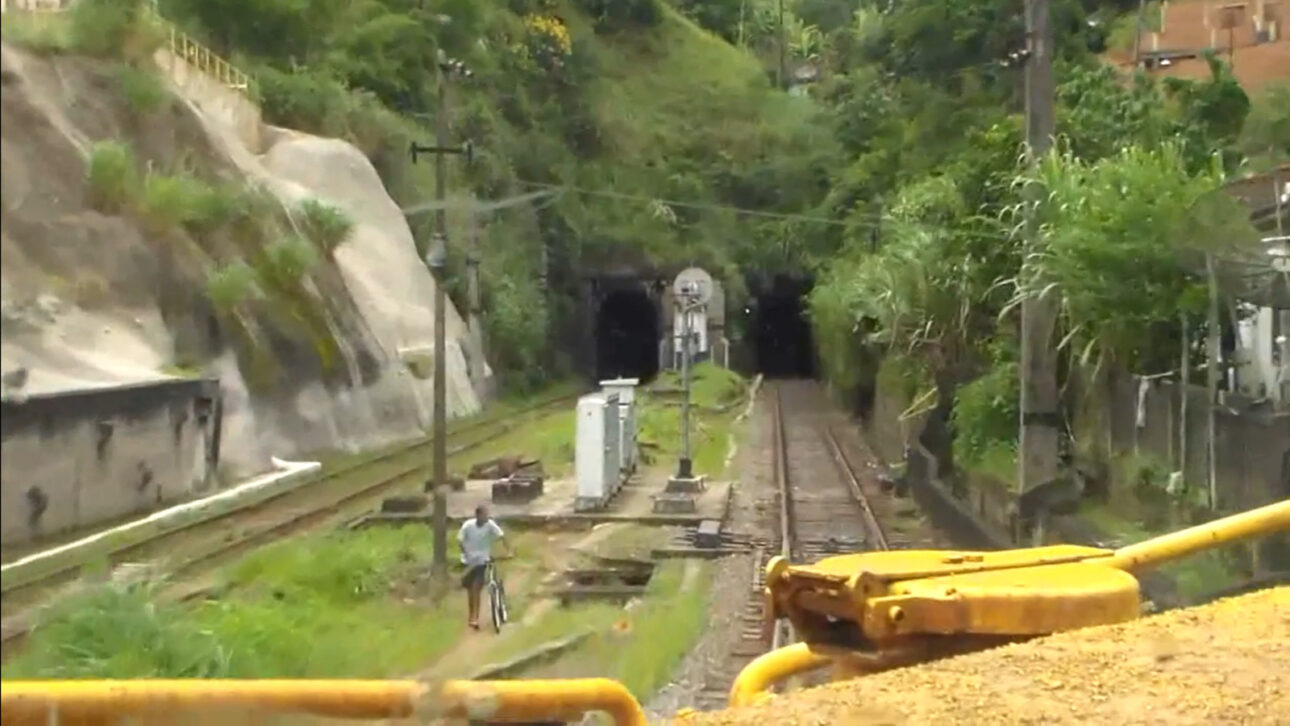
Second tunnel expanded railway capacity
Almost five decades after the completion of Tunnel 12, the railway received a new passage through the mountain. Tunnel 12 Bis was inaugurated in 1914, with approximately 2,245 meters in length.
The new structure is slightly larger than the original tunnel. Together, the two tunnels form an important set for Brazilian railway history and show the continuity of investments to cross the Serra do Mar.
The passages represent different moments of engineering applied to railway transport. They also show how natural barriers were overcome to expand circulation capacity in the region.

City preserves station and historical buildings
The railway memory of Mendes is not limited to the tunnels. The municipality preserves other places related to its urban, economic, and cultural formation in the Coffee Valley.
Among the mentioned heritage sites are the Neri Ferreira Railway Station, the old Teutônia Brewery, João Vieira Slope, and the old Main Church.
These locations help to show how the railway influenced the organization of the city and the circulation of people and wealth through the state’s interior.
Even after changes in transportation methods, Tunnel 12 remains one of the most visible marks of this period.
The passage opened in the mountain records the time when trains connected coffee, passengers, and inland cities to Rio de Janeiro.
This article was prepared based on the information provided in the source material, with data, numbers, dates, locations, and historical references preserved as per the consulted content.