





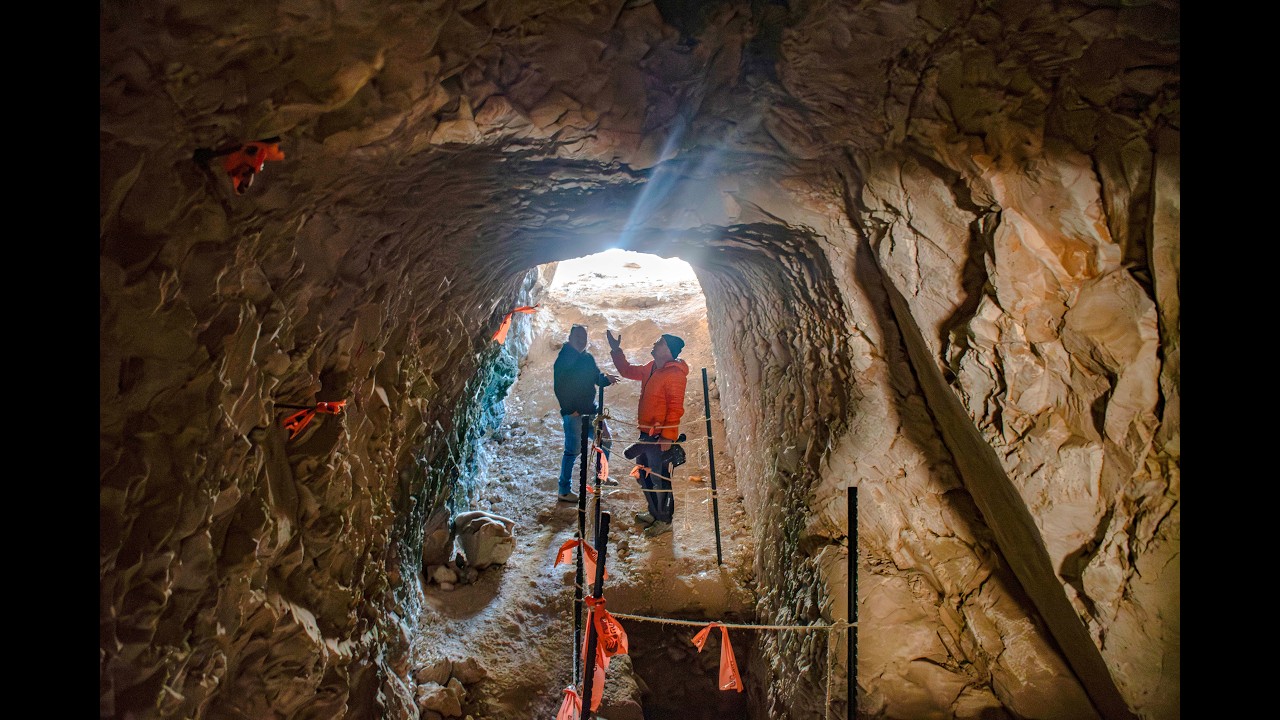

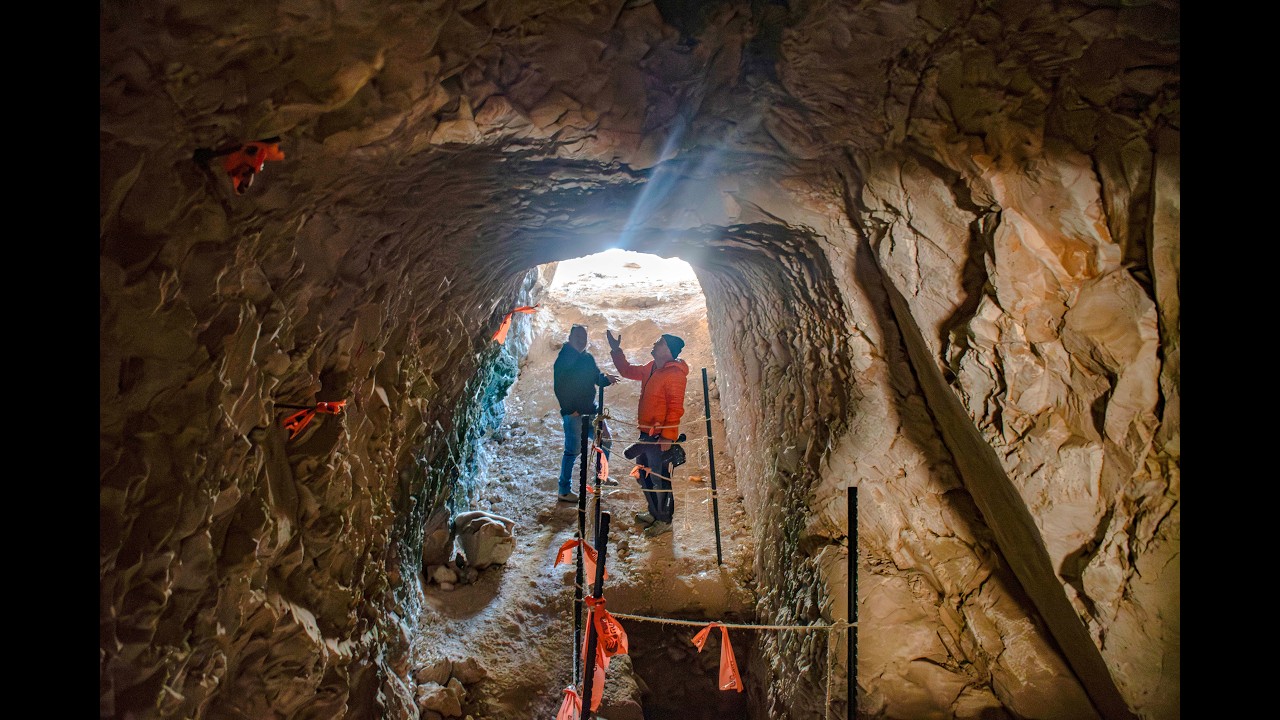
Ancient tunnel near Jerusalem was found before residential construction, is about 50 meters long and remains undated or with confirmed purpose.
An ancient tunnel carved into the rock was found near Kibbutz Ramat Rachel, south of Jerusalem, during a preventive excavation conducted before the construction of a new residential neighborhood. According to the Times of Israel, the discovery was announced by the Israel Antiquities Authority, the IAA, on May 14, 2026, but the age, authorship, and function of the structure have not yet been determined.
The passage, which initially seemed like a natural cavity, turned out to be a hand-carved tunnel about 50 meters long. According to the Jerusalem Post, the structure reaches approximately 5 meters in height and 3 meters in width in some sections, dimensions that add to the mystery surrounding an underground work that required a great investment of labor but left insufficient clues to explain its purpose.
Ancient tunnel near Jerusalem was found before a residential construction
The discovery did not occur during an archaeological search planned to find a specific structure. It emerged in a preventive excavation, conducted before the construction of a new neighborhood north of Ramat Rachel, a common step in areas of high archaeological sensitivity in Israel.
-
Surprising viral construction shows a young person building an entire house alone in just 60 days using cement and simple tools, revealing an affordable method that can reduce costs, garnering millions of views and impressing engineering experts.

-
Railway construction opens a waterlogged ditch in a field and finds a human figure made of oak measuring 67 centimeters, with a tunic and sculpted muscles, preserved for almost 2,000 years and surrounded by mystery about a possible Roman ritual.
-
Brazilian construction company with R$ 500 million in projects prepares to enter the US, raising US$ 5 million to purchase land and build houses in Florida worth up to US$ 3 million, transforming a 41-year-old company, originally created to build bank branches, into an international real estate development platform.

-
What seemed like a simple window restoration in an Irish castle ended with a breached wall, an unknown room inside the tower, and a mystery that remains unexplained.


According to the Times of Israel, archaeologists Sivan Mizrahi and Zinovi Matskevich, co-directors of the excavation for the IAA, reported that the team was working on rocky terrain when they found what seemed to be a natural karst cavity. As the excavation progressed, however, the opening revealed a long passage, carved directly into the rock.
Access to the tunnel is through an ancient staircase that descends from the surface to the entrance carved into the limestone. Part of the structure was still blocked by sediments and collapses, which left sections not fully investigated at the time of the discovery’s announcement.
Structure of 50 meters impressed by scale and excavation effort
According to the Jerusalem Post, the passage measures about 50 meters long, with approximately 5 meters in height and 3 meters in width in some points.
These dimensions dismiss the idea of a simple gallery or an improvised opening. It is a large structure, carved into limestone rock, with enough space for the passage of people, materials, and activities that have not yet been securely identified.


The enigma lies precisely in the relationship between scale and lack of explanation. Opening a passage of this size by hand would require planning, time, tools, coordination, and organized labor, but researchers have not yet found elements capable of precisely indicating who built the tunnel or why it was made.
Archeologists still do not know if the tunnel was a hydraulic work, quarry, or other structure
The first line of investigation considered the possibility that the tunnel was related to a water system, a common hypothesis in underground excavations in the Jerusalem area. Ancient hydraulic tunnels, cisterns, and channels are known in different sites of the area, especially in urban and agricultural contexts.
According to the Times of Israel, this hypothesis lost strength because the walls of the passage do not show traces of plaster, a material usually used in ancient structures intended to conduct or store water. Without waterproofing, such a channel would be less efficient for this use.
Another hypothesis considered by researchers is that the site may have functioned as a kind of underground quarry. In this scenario, the excavation could have sought a softer limestone layer for stone extraction or lime production, but this explanation has not yet been confirmed.
Absence of construction-related objects prevents secure dating
The biggest obstacle to understanding the tunnel is the lack of evidence directly associated with its construction. According to the Times of Israel, archaeologists have not found clear artifacts that would allow dating the opening of the passage.
In archaeological excavations, objects such as ceramics, coins, tools, organic remains, and inscriptions usually help define periods of use or construction. In the case of the Ramat Rachel tunnel, the materials found so far do not offer this certainty.
Fragments of ceramics and prehistoric flint tools were identified inside, but researchers have not directly related them to the original excavation of the structure. These objects may have been carried into the tunnel later, along with sediments accumulated over time.
Tunnel may be hundreds or thousands of years old, but the age has not yet been confirmed
The IAA described the passage as ancient but did not provide a definitive date for its construction. According to the Times of Israel, the structure could be hundreds or even thousands of years old, although this estimate remains broad.
Israel Antiquities Authority Official Channel
This uncertainty is central to the importance of the discovery. Such a large underground work, carved into rock, would normally leave some sign of use, disposal, tools, inscriptions, or archaeological layers associated with the period of activity.
So far, this link has not appeared. Therefore, any attempt to attribute the tunnel to a specific period needs to be treated with caution. What is confirmed is the existence of the structure, its scale, and the fact that its function remains without a conclusive answer.
Location near ancient sites increased researchers’ interest
The location of the tunnel makes the case even more intriguing. According to Israel Hayom, the structure is located a few hundred meters from two important archaeological sites on the outskirts of Jerusalem.
The first is a public building from the Iron Age, related to the period of the First Temple, identified in the Arnona neighborhood. The second is Tel Ramat Rachel, a site where traces of occupation from the Iron Age to the Islamic period have been documented.
This proximity does not prove a direct connection, but it helps explain the scientific interest. The area was occupied and transformed over many historical periods, which increases the possibilities of interpretation and also makes it more difficult to isolate a single answer for the origin of the tunnel.
Preventive excavation prevented the construction from erasing a rare find
The case shows the importance of preventive excavations in regions with high archaeological density. The structure was found before the implementation of a residential neighborhood, which allowed the tunnel to be recorded and investigated before the advancement of the works.
According to the Times of Israel, the urban project is linked to the construction of a new neighborhood north of Ramat Rachel. The planned area totals about 58 dunams, approximately 58 thousand square meters, and includes 488 housing units, as well as spaces for commerce, employment, a primary school, and daycare centers.
The discovery changed the way the site will be treated. Instead of simply clearing the area for construction, the authorities began to consider integrating the tunnel and other findings into the urban planning.
New neighborhood should integrate the tunnel into a public archaeological park
According to the Times of Israel, the regional planner of the Israel Land Authority, Shikma Sig, stated that the planned solution is to incorporate the finding into the urban project. The proposal is to transform the tunnel and nearby discoveries into part of an archaeological park open to the public.
This decision creates an unusual combination between residential expansion and historical preservation. The new neighborhood can advance, but with the presence of an archaeological space integrated into the urban design, allowing residents and visitors access to the heritage discovered on site.
The measure also prevents the structure from being treated merely as an obstacle to construction. The tunnel becomes an element of identity for the new neighborhood and a point of connection between urban development and historical memory.
Mystery remains because the structure required too much effort not to have a clear function
The strongest aspect of the discovery remains the disproportion between the effort needed to excavate the tunnel and the lack of explanation about its purpose. A 50-meter passage, with high and wide sections, would not be opened by chance.
According to the Jerusalem Post, the structure is large enough to impress even archaeologists accustomed to excavations in the Jerusalem area. The scale indicates planning and use of resources, but the lack of plaster, confirmed underground source, and datable artifacts prevents secure conclusions.
For now, researchers know more about what the tunnel probably wasn’t than about its real function. It has not been confirmed as a hydraulic system, has not been precisely dated, and has not been proven to be connected to neighboring ancient sites.


