





 Portuguese
  English
  Spanish
 3 min of reading
  0 comments


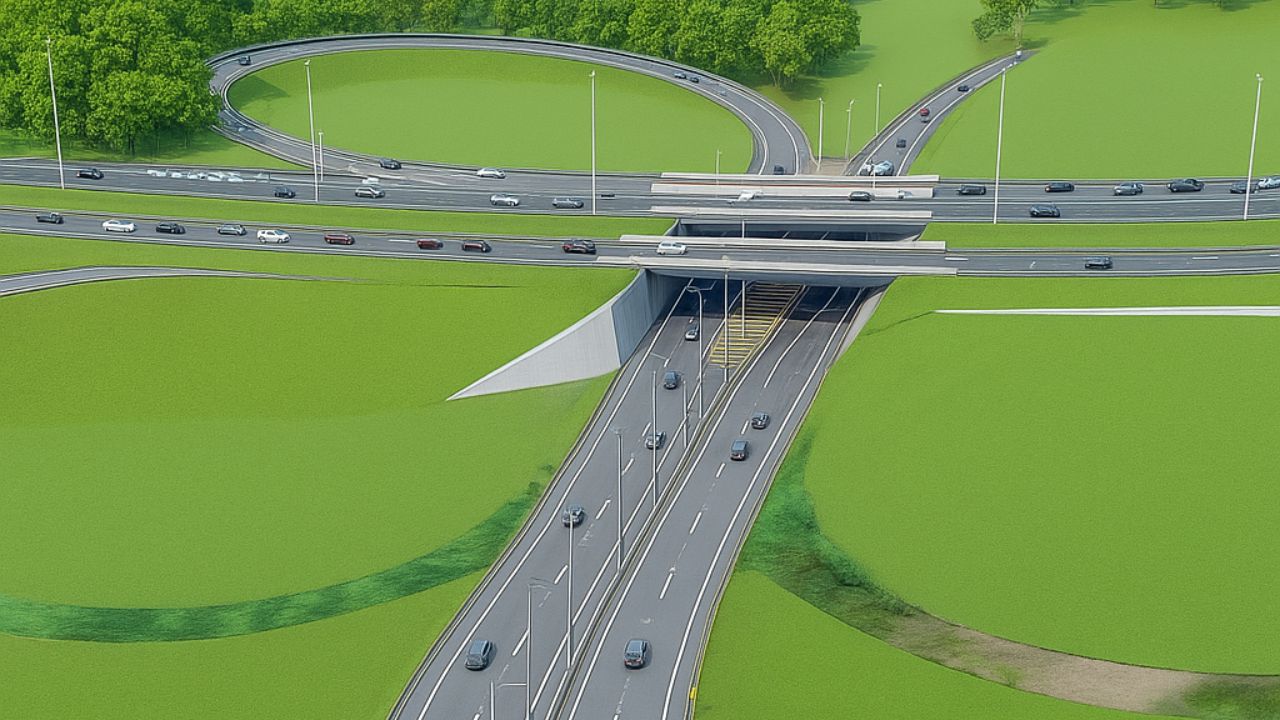
With Almost 9 Km of Concrete and Seven Large Structures, the Project Promises to Be the Definitive Solution to Historical Congestion on the Southern Ring Road.
A new and robust traffic corridor has been designed to transform mobility in the Metropolitan Region of Curitiba (RMC). The project, known as the New Southern Ring Road, emerges as a strategic solution to the constant congestion, connecting Araucária to BR-116, at the border with Fazenda Rio Grande. The project aims to ease heavy traffic, boost logistics, and revitalize urban space.
A Strategic Response to the Congestion in the Metropolitan Region
Since the 2000s, the accelerated growth of the RMC has resulted in severe logistical bottlenecks. The current Southern Ring Road, vital for long-distance traffic, has become a structural choke point, overloading urban roads. In light of this critical scenario, the project for the new metropolitan traffic corridor was conceived as an infrastructure response to rebalance mobility and support the region’s economic dynamism.
The project was authorized in August 2025, following a bidding process launched in October 2024 by the Agency for Metropolitan Affairs of Paraná (AMEP). The timeline anticipates the start of construction as soon as the environmental license is released, with an execution period of 30 months.
-
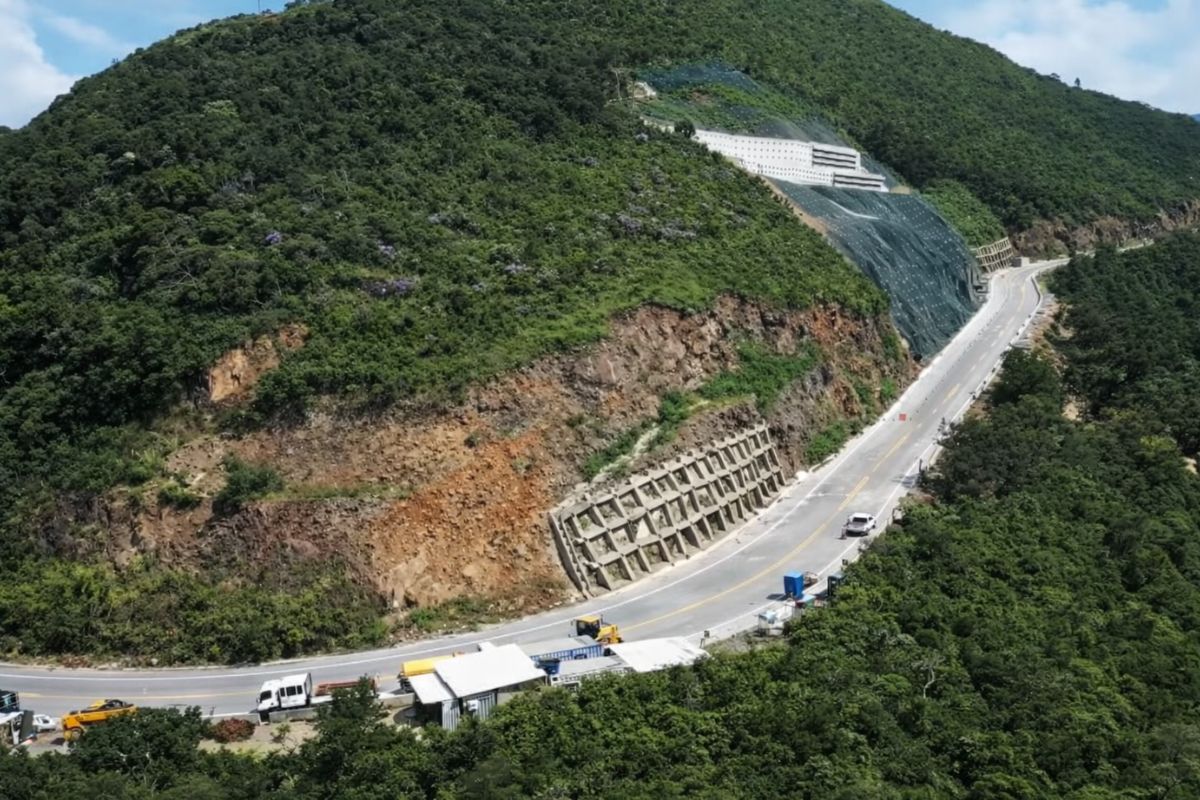
The section of Serra da Rocinha on BR-285 is now open in Timbé do Sul: 50 m tensioned curtains and top-down technique stabilize the slope, with a stairway duct controlling the water.
-
Scientists use sawdust mixed with clay to create a lighter brick, promising efficient thermal insulation and impressing by transforming waste into a solution for construction.

-
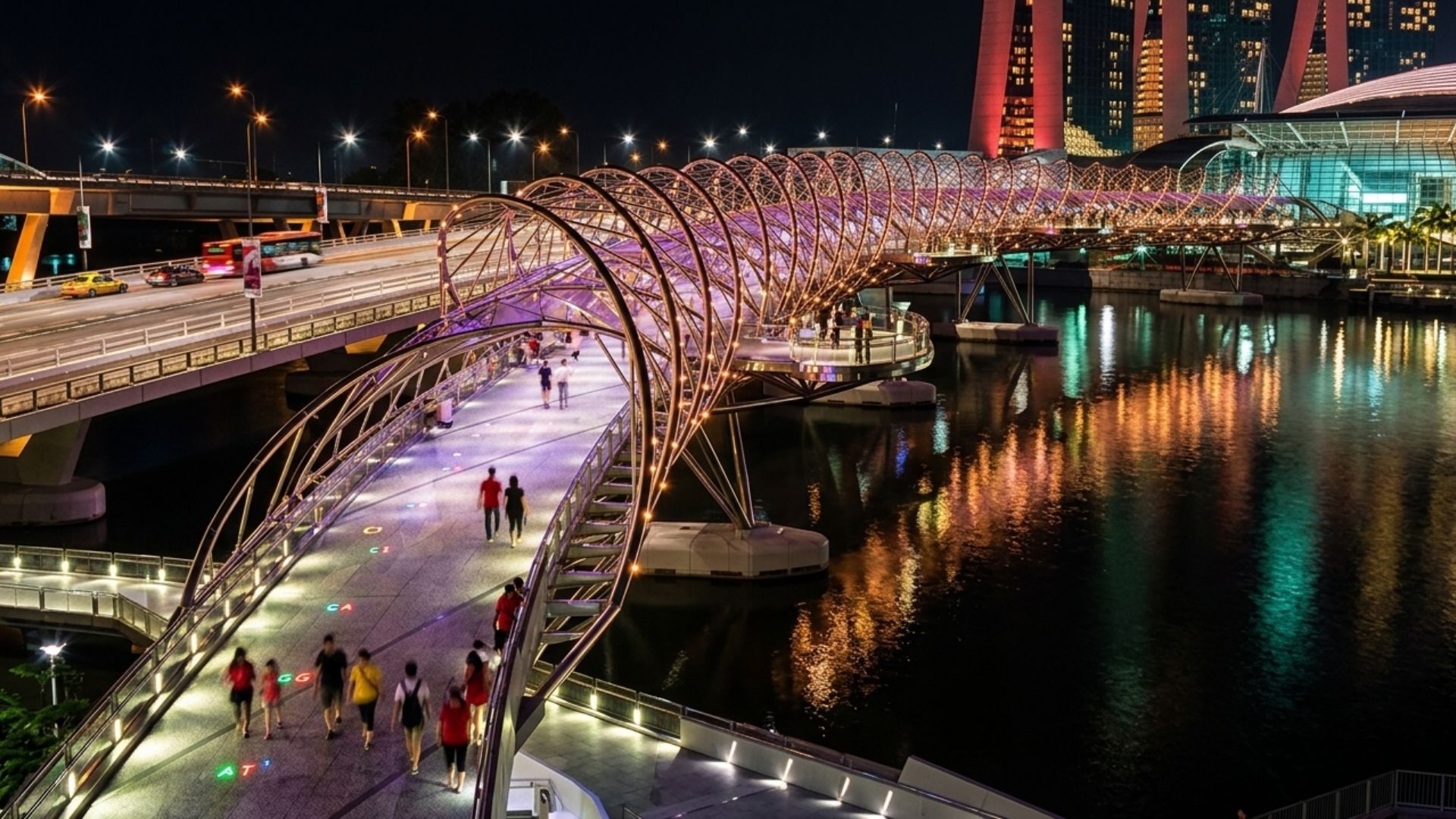
With a DNA shape, this bridge in Singapore draws attention in modern architecture and surprises tourists by transforming a simple crossing into an unforgettable visual experience in the urban heart.
-
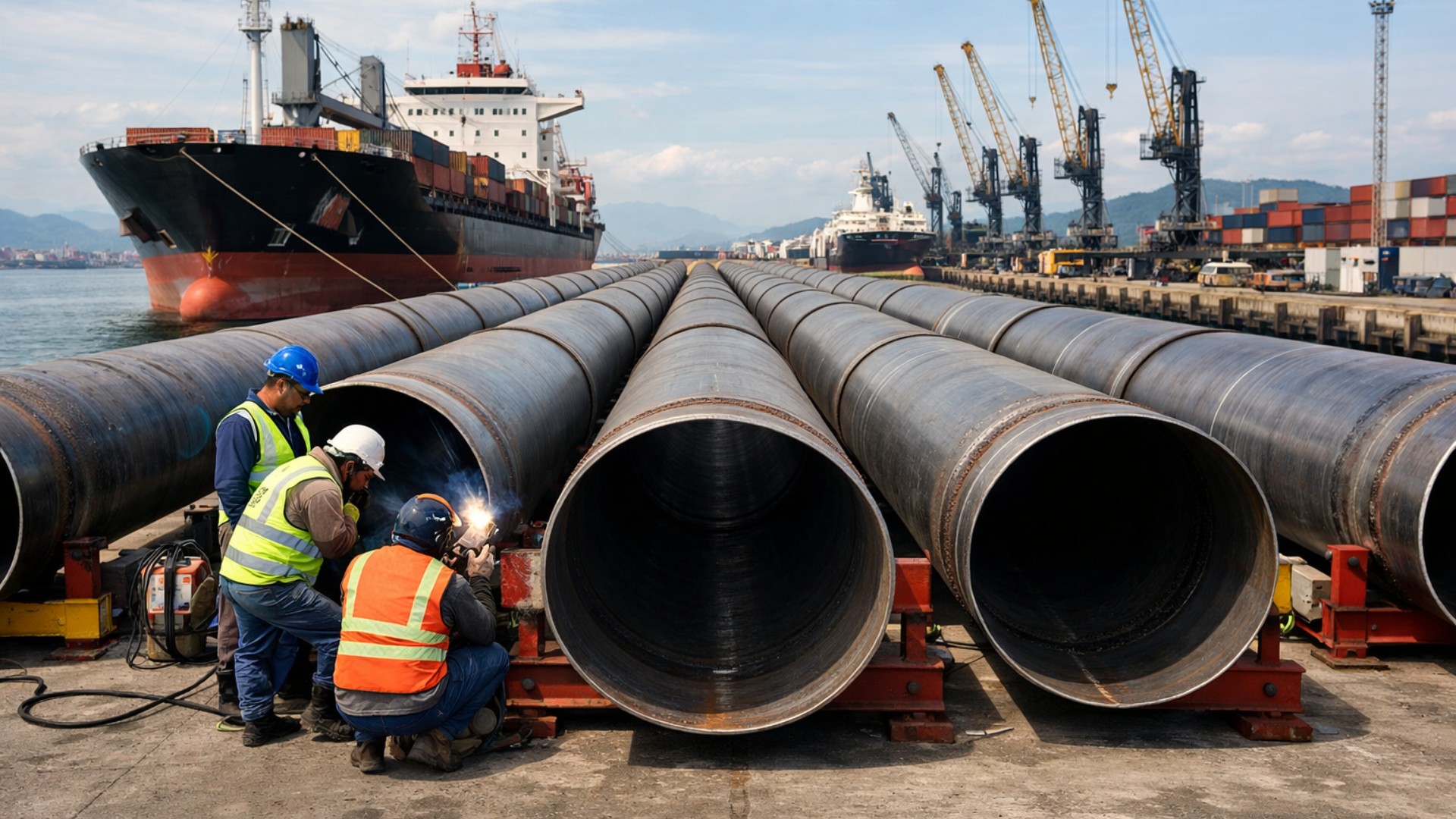
Giant underwater pipeline begins to take shape with a R$ 134.7 million project at the Port of Santos: the 1.7 km structure uses 12-meter and 700 mm pipes to supply water to 450,000 people in Guarujá.

Project Details: Investment, Route, and Main Structures
The new traffic corridor will extend 8.98 km on a dual concrete lane. The strategic route connects PR-423 to BR-116, crossing part of the capital and passing near BR-476 in Araucária. The investment, secured by the winning proposal from Construtora Luiz Costa, is R$ 336.3 million.
The project includes the construction of seven special engineering works: five overpasses, one bridge, and one trench. Additionally, a continuous bike lane will be implemented along the entire stretch, enhancing urban intermobility. The expectation is that the new highway will absorb about 25% of the traffic from the current Southern Ring Road.
Cutting-Edge Engineering in Service of Safety and Durability
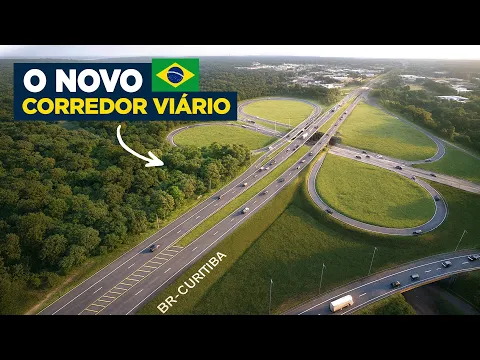

Unlike previous projects that used conventional asphalt, this traffic corridor relies on rigid concrete paving. This choice ensures greater durability and resistance to continuous heavy traffic, designed to support up to 12 million equivalent axles over 20 years.
Drainage is another critical point. The project envisages more than 33,000 meters of underground devices and five containment basins to minimize risks of flooding and erosion. In terms of safety, metal guardrails, lighting with high-efficiency LED fixtures, and 1,274 new signage plates will be installed.
The Direct Impact on Logistics and the Population
This project is much more than a traffic detour. It represents a metropolitan development initiative with a direct impact on the economy and road safety. By diverting long-distance traffic away from urban areas, the traffic corridor will enhance the space in the involved cities, improving residents’ lives and attracting new investments.
The investment of R$ 336 million in Paraná focuses on a single high-impact logistics highway. The project stands out for its deep interventions and technical complexity, surpassing smaller road projects.
A Legacy for the Future: Integrated Mobility and Development
With completion expected by mid-2028, the traffic corridor will become the backbone of intermunicipal mobility. AMEP’s planning already anticipates future extensions, creating a logistical alternative between Paraná and Santa Catarina.
The infrastructure is being prepared for the future, with the potential to integrate the express public transport system, regional bike lanes, and smart city technologies. This project is not just a road; it is the new network that the Metropolitan Region of Curitiba needed to connect cities, modernize routes, and accelerate its development.






Seja o primeiro a reagir!