





 Portuguese
  English
  Spanish
  4 min of reading
  0 comments


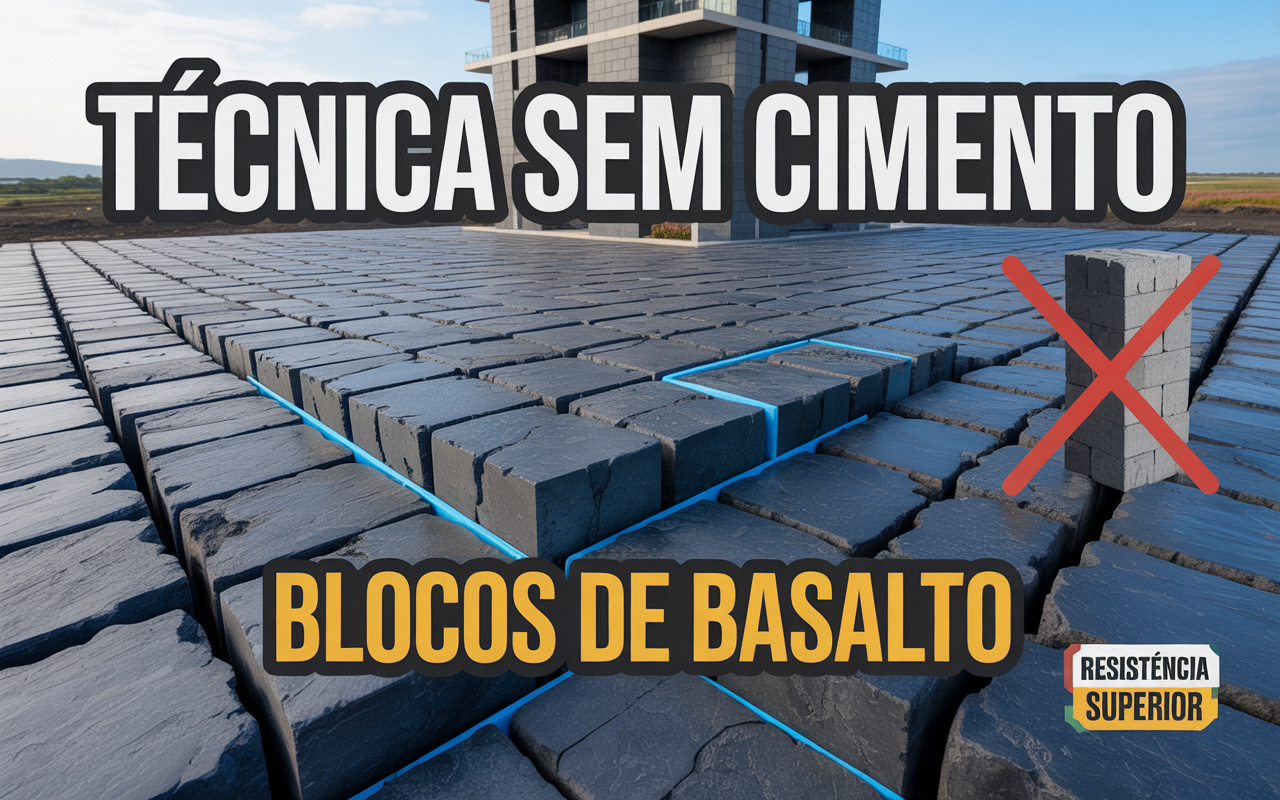
Cut Basalt Blocks Replace Concrete and Steel, Eliminate Cement, Reduce Maintenance and Provide Superior Strength in Structural Walls.
Before Portland cement existed, before reinforced steel, and before modern masonry, entire civilizations built cities, roads, fortifications, and walls using only cut stone, jointing, and compression. Within this technical universe, there is a material that has been attracting the attention of engineers and architects in recent years: basalt, a dense and extremely durable volcanic rock that can be cut into regular blocks and used in the construction of structural walls without cement and without steel.
This technique is nothing like a “hippie alternative”—it has been widely used in Iceland, Turkey, Iran, Italy, and historical works in the Middle East, and today reappears as a low-maintenance and long-lasting construction solution for regions with harsh climates and freeze-thaw cycles.
Unlike reinforced concrete, which depends on steel, chemical curing, and corrosion protection, basalt does not oxidize, does not have reinforcements, does not suffer internal corrosion, and maintains structural integrity for centuries. In practice, it is a system that reduces the need for heavy maintenance throughout the life of the building.
-
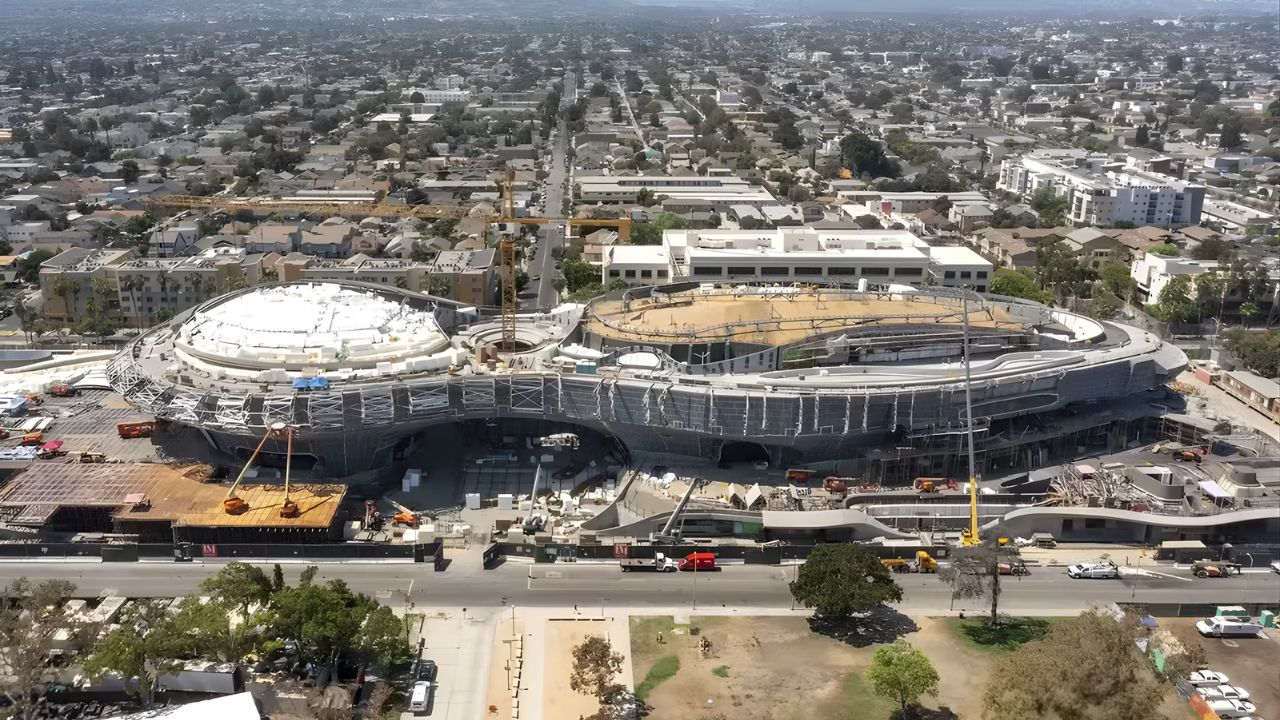
Created by George Lucas with over $1 billion, a futuristic museum in the shape of a spaceship with 1,500 curved panels is about to open in Los Angeles and will house one of the largest private collections of narrative art in the world.
-
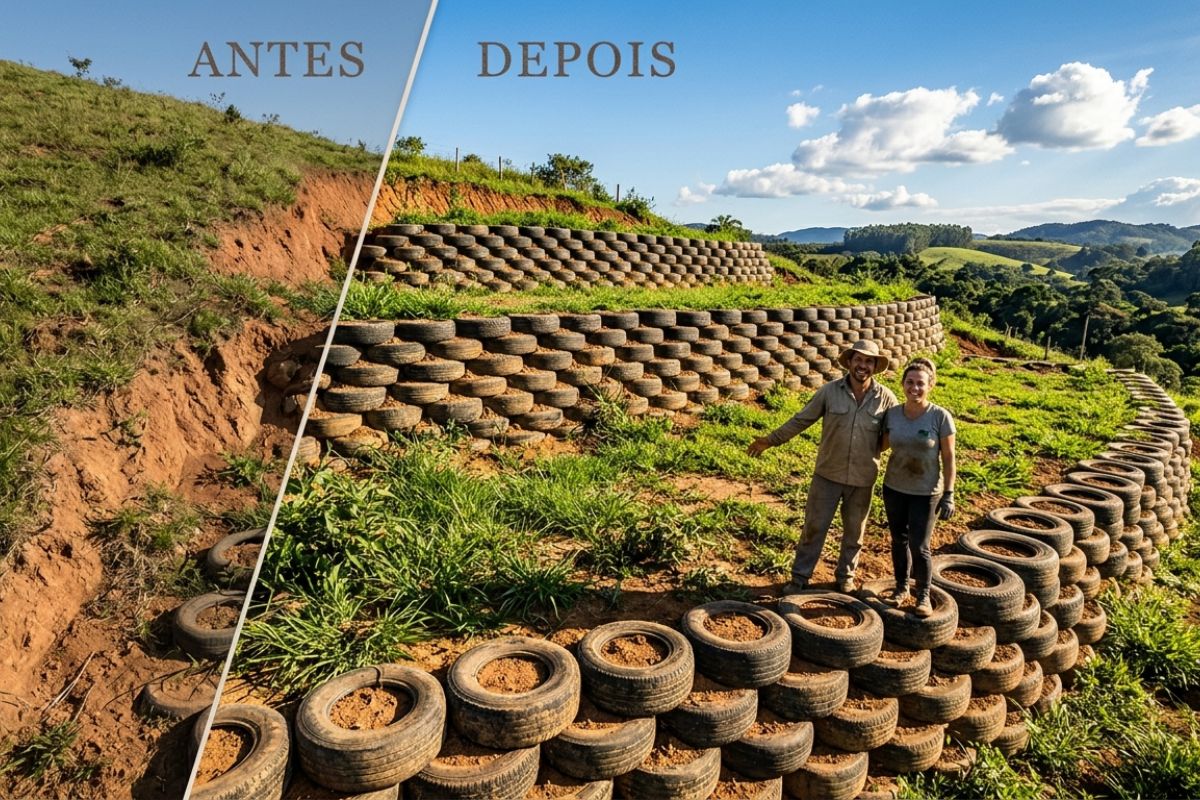
Couple shows how they built a retaining wall on their property using 400 old tires: sloped land turned into plateaus, tires are aligned, filled, and compacted with layers of soil, with grass helping in support and at almost zero cost.
-
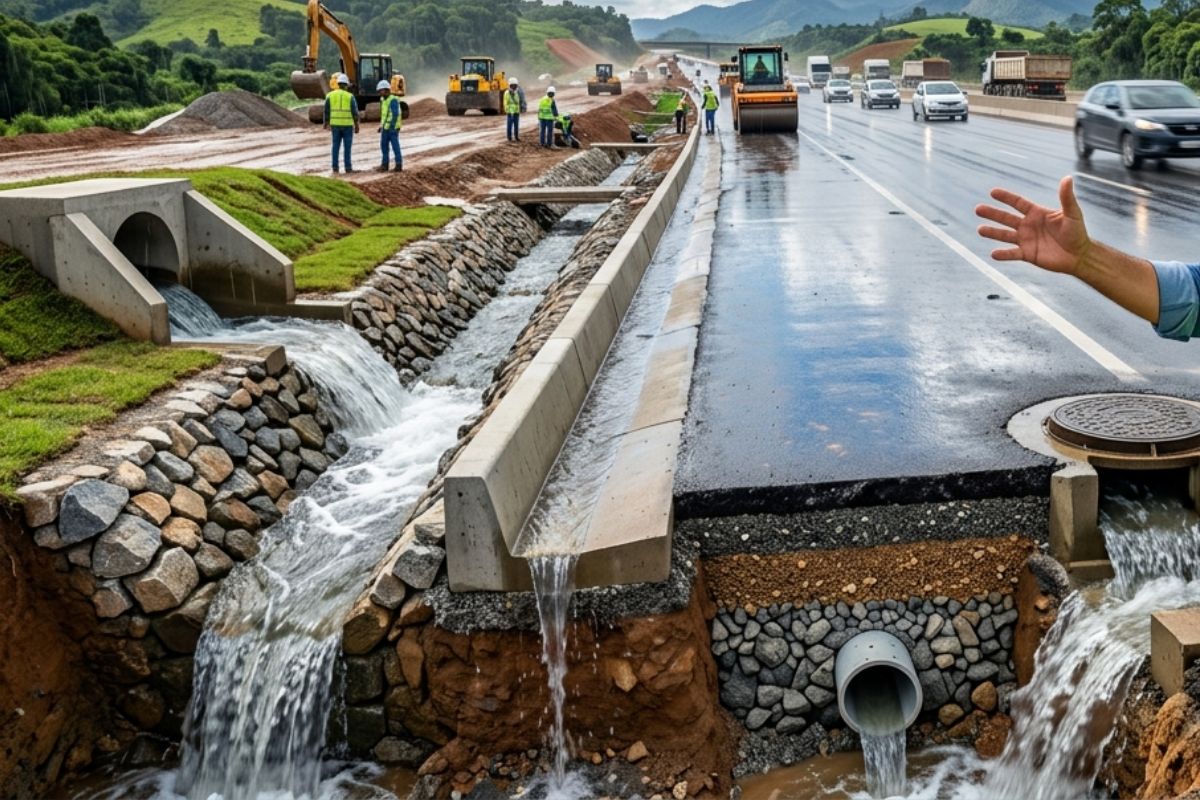
Engineer explains drainage during the rainy season: the difference between surface water and deep water, ditches, gutters, and water outlets on the road, as well as drains and drainage mattresses, to prevent erosion, aquaplaning, and flooding at the construction site today.
-
With 55 floors, 177 meters in height, a 15-meter walkway between the twin towers, ventilated facade, and 6,300 m² of leisure space, Ápice Towers already has one tower completed and another nearly at the top.


What Is Basalt and Why Does It Work as a Structural Building Element
Basalt is an extrusive igneous rock, formed by the rapid cooling of iron and magnesium-rich magma. From a construction perspective, it has three key characteristics:
- High Compressive Strength: values that can exceed 200 MPa (megapascals), comparable to or higher than structural concrete.
- Low Porosity: reduces water absorption and prevents freeze damage.
- Chemical Stability: does not corrode, does not oxidize, and does not degrade due to internal chemical reactions.
This allows cut basalt blocks to act as load-bearing elements, transmitting load through direct compression, just like in concrete columns, with the difference of not relying on steel to resist compression.
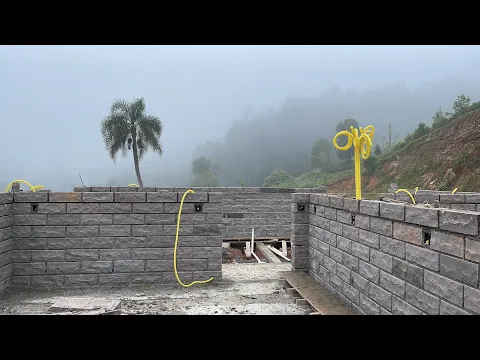

In various historical and contemporary applications, basalt is simply chiseled, polished, and fitted, completely eliminating the use of cement. In other cases, it only receives weak lime mortar as a joint for accommodation and sealing.
Physical Performance Compared to Concrete: The Technical Side Behind the Resurgence
The modern interest in cut basalt blocks arises because the current construction industry faces a real problem: reinforced concrete has a limited lifespan, especially in damp and saline environments due to corrosion of the reinforcements. Basalt eliminates this problem from the equation.
Comparing properties:
| Property | Conventional Concrete | Cut Basalt |
|---|---|---|
| Compressive Strength | ~20–40 MPa (conventional) / up to 90 MPa (high strength) | 200–300 MPa (depending on the quarry) |
| Corrosion Resistance | Low (requires protected reinforcement) | High (does not oxidize) |
| Durability | 50–100 years | Centuries |
| Density | ~2,400 kg/m³ | ~2,900 kg/m³ |
| Permeability | Medium | Low |
Note that basalt does not need to compete with reinforced concrete, because the construction logic is different: it works purely in compression, without reinforcement. In concrete structural columns, if we remove the steel, the element fails; in basalt, it is the structural element, not just a matrix that surrounds steel.
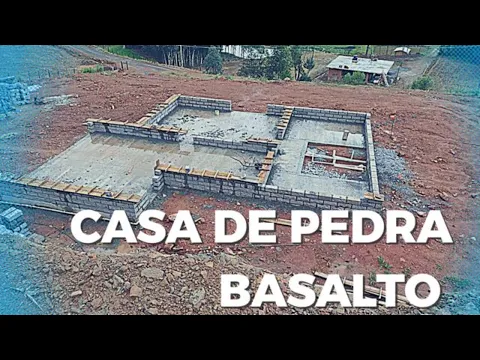
Historically, the use of cut basalt allowed for the construction of walls, fortifications, foundations, pavements, and entire buildings, many of which have stood for more than 500 years, something extremely rare in modern concrete works.
Where This Technique Was Applied and How It Survived Over Time
The application of cut basalt is well documented in countries that have natural deposits of the material. Some consistent examples include:
Iceland
The country extensively used basalt in:
- churches
- warehouses
- retaining walls
- coastal fortifications
The technique evolved to the point where modern creators use diamond saws to cut blocks into standardized sizes, facilitating construction without cement.
Turkey and Iran
In eastern Turkey and northwestern Iran, basalt blocks were used to build:
- rural houses
- walls
- agricultural systems
- defensive structures
These constructions remain functional in cities where concrete arrived only in the 20th century.
Italy and the Mediterranean
After historical eruptions, basalt was used as:
- urban flooring
- structural blocks
- stairways
- public paving
Some Roman pavements made with basalt are over 2,000 years old.
In none of these cases did the structural performance depend on cement or steel—the integrity came from the rock, the geometry, and compression.
Practical Advantages That Explain Modern Interest
In addition to its historical appeal, cut basalt offers technical advantages:
Almost Indefinite Durability
Without internal steel, there is no corrosion. Without cement, there is no carbonation that compromises adherence or reinforcement diameter.
Natural Mechanical Strength
The elastic modulus and compressive strength make blocks suitable for bearing vertical loads.
Low Maintenance
Basalt walls have required zero structural maintenance for centuries in various documented cases.
Performance in Aggressive Environments
Perfect for:
- coastal zones
- saline environments
- freeze-thaw cycles
Places where traditional concrete fails quickly.
Limitations and Why the Technique Does Not Completely Replace Concrete
Basalt is not a silver bullet. It has limitations:
- does not perform well in tension
- assembly is slower
- requires cutting and polishing
- cannot be molded (like concrete)
- does not support fluid geometries
Therefore, it is not viable for:
- slabs
- beams
- long clear spans
- thin columns
In other words: it is not about replacing concrete, but about eliminating cement, steel, and traditional masonry in certain typologies, primarily enclosures, walls, external walls, and massive constructions.
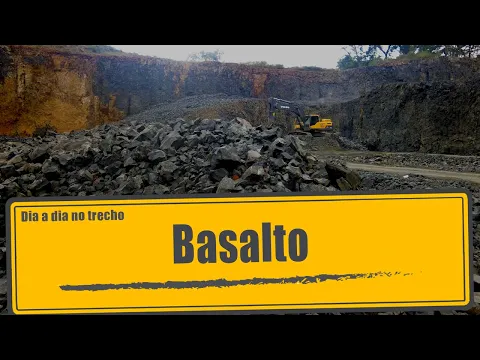
What Explains the Return of This System in the 21st Century
The resurgence of basalt occurs due to three factors:
Durability Crisis of Reinforced Concrete
- bridges, facades, and slabs corroding from carbonation and chlorides.
Search for Low Maintenance Costs
- public infrastructure does not want recurring renovations.
Regions with Local Availability of Basalt
- where logistical costs are low.
In addition, the combination of diamond saw + 3D modeling + CNC cutting makes it easier to create standardized blocks that were not possible in ancient times. Today, architects explore the material in projects:
- sustainable
- luxurious
- bioclimatic
- low maintenance
Without any dependence on cement.








-

-

-

-

-

9 pessoas reagiram a isso.