





 Portuguese
  English
  Spanish
  4 min of reading
  1 comment


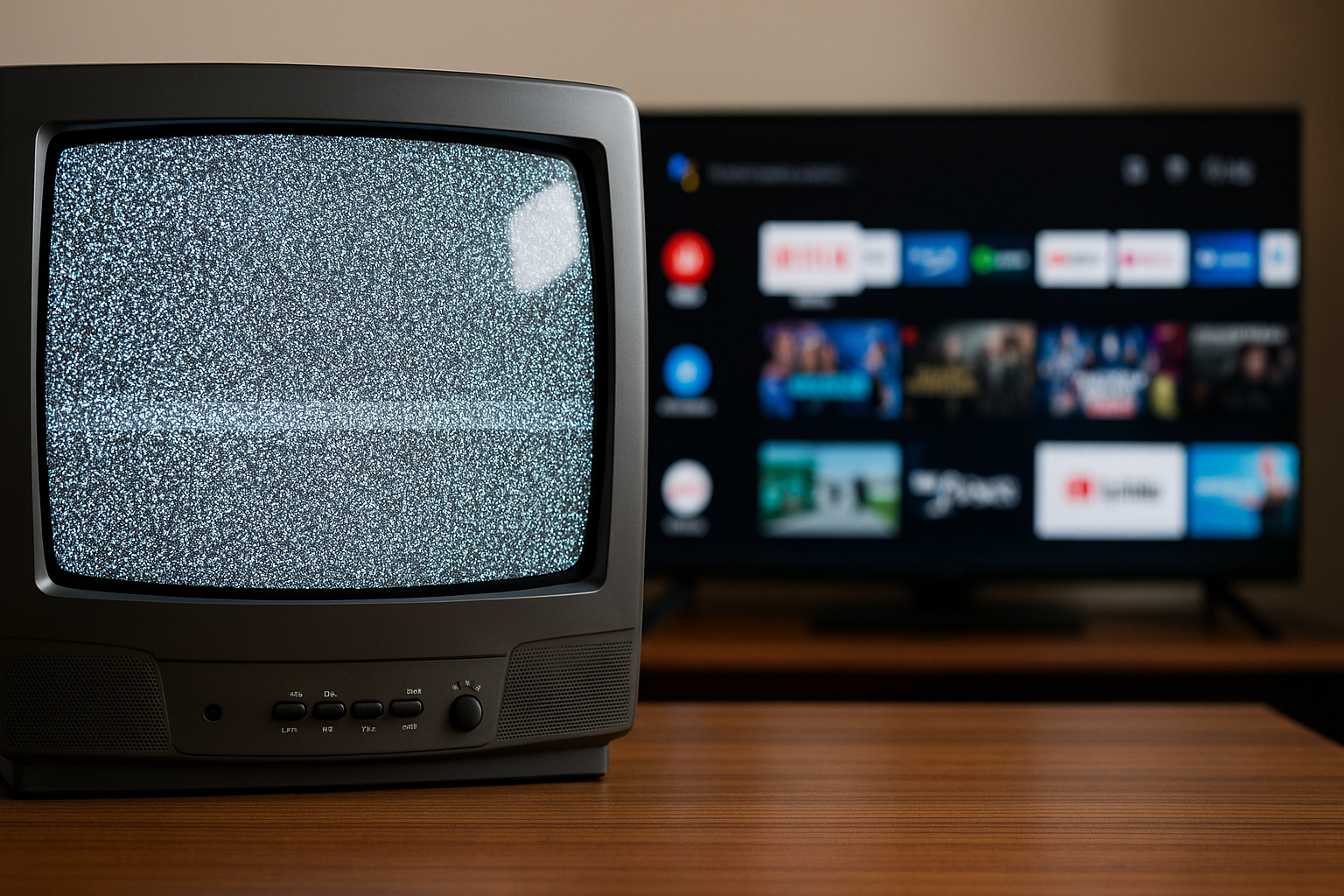


Understand Why Brazil Was One of the Last Countries to Turn Off the Analog TV Signal and How Social, Political, and Economic Issues Kept Millions of Homes Stuck to Tube TVs.
For almost a century, it was the queen of the living room. Heavy, with a curved screen, and that subtle noise when turned on. The tube television survived generations, resisting the arrival of LCDs, LEDs, 4K, and smart TVs. But what seemed like nostalgia became a symptom of something larger: Brazil was one of the last countries in the world to turn off the analog TV signal. The question that remains is: why? How did a country with almost total coverage of open TV take so long to digitize its broadcast? The answer involves complex social, economic barriers, and political decisions — and explains a lot about how Brazil deals with technology.
What Is the Analog Signal and Why Did It Become Obsolete?
The analog TV signal, used since the 1950s, transmitted image and sound through continuous electromagnetic waves. It was simple, cheap, but susceptible to noise, static, interference, and loss of quality with distance.
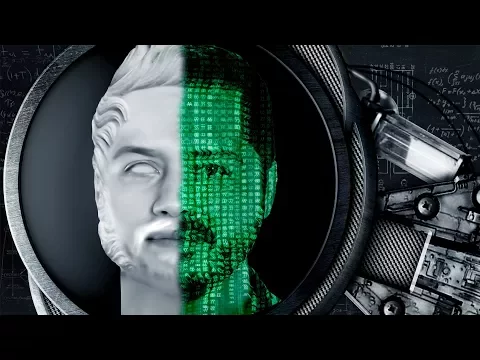

On the other hand, the digital signal, which began to be implemented in Japan and the US back in the 1990s, sends information in encoded packets. The result? Clear image, stereo sound, more channels, and even interactive content.
-
Why was the Great Wall of China built? The truth that many are unaware of!

-
At 73.8 meters tall, the world’s tallest teapot-shaped building has 15 floors, ensures stability, and impresses with an internal space of 28,000 cubic meters.

-
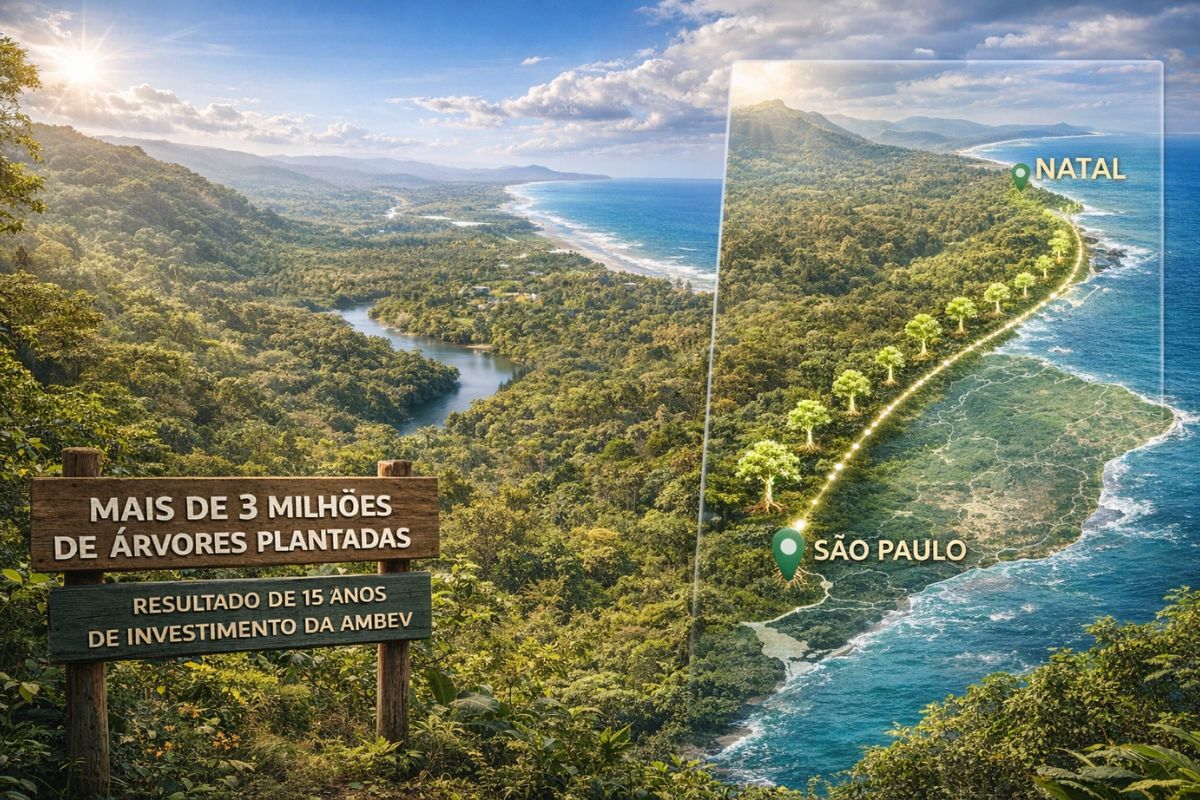
Ambev has planted over 3 million trees and restored an area equivalent to the coastline from São Paulo to Natal, and the result after 15 years of silent investment has finally appeared for all of Brazil to see.
-
A new AI collar technology for cattle eliminates physical fences, creates virtual barriers, monitors animals 24/7, and detects changes in behavior and health.


The global adoption was rapid: countries in Europe, North America, and Asia turned off their analog signals between 2006 and 2015. Brazil, however, postponed the process several times.
Brazil and Television: A Cultural and Unequal Marriage
Television has always been an essential item in Brazilian homes. In many households, it is more present than refrigerators or computers. Even in poorer regions, the TV is the link to the world. That’s why, when planning the shutdown of the analog signal, the government needed to consider much more than technical infrastructure — it was a matter of digital inclusion and social communication.
In 2016, the transition process began in the capitals, but it was only actually completed in 2023. During this period, over 100 million Brazilians continued to use old televisions and lacked access to digital receivers.
Why Did Brazil Take So Long?
Social Inequality and Lack of Access
The main reason for the delay in migration is also the most painful: millions of families could not afford to buy a digital TV or even a converter. In 2015, it was estimated that over 20 million households still used tube TVs. For a good portion of the population, replacing the device was unfeasible.
The government needed to distribute free kits with converters and digital antennas to low-income families, but the process was slow, bureaucratic, and often poorly communicated.
Unequal Transmission Infrastructure
The implementation of the Brazilian Digital Television System (SBTVD) required broadcasters to install new towers, antennas, and transmitters — and this did not happen overnight. Small towns, remote regions, and areas with weak signals took much longer to become digital.
While broadcasters in the capitals were ready, hundreds of local retransmitters operated with outdated technology, and real digital coverage took time to reach 100% of the territory.
Political Disinterest and Manufacturer Lobby
The digital TV project required cooperation between government, manufacturers, operators, and broadcasters. But successive governments postponed deadlines — and there was little pressure to speed things up. After all, the analog TV still worked, and its audience was numerous.
Additionally, there were commercial interests in maintaining the production of simple and popular TVs, with profit margins in tube models or basic devices with converter inputs.
Cultural Attachment and Technical Ignorance
Many Brazilians simply did not understand why they should switch from tube televisions. The tube television “worked well” and the content remained available. There was little awareness of the benefits of the digital signal, and official communications were technical and not very accessible.
The result? Millions of people only realized they needed to migrate when the image disappeared from the screen.
The Digital Signal Arrived — But Not Everyone Arrived With It
Even after the formal completion of the shutdown process in 2023, there are still millions of old televisions connected through converters. And many regions face issues with signal instability, lack of digitized local channels, and absence of technical support.
The promise of a TV with better quality and interactivity exists, but it did not materialize the same way for all Brazilians. The transition was uneven — as so many other technological transitions in the country.
Did Analog Television Become a Symbol of an Outdated Brazil?
Yes and no. On one hand, keeping the analog signal for so long delayed the advancement of other technologies — such as 100% interactive TV, the use of spectrum for 5G internet, and even the offering of digital public channels.
On the other hand, the resistance to migration was a legitimate reflection of Brazilian reality. It is not about attachment to the old, but about the difficulty of accessing the new.
The episode of the tube television shows how access to technology in Brazil is still unequal. Even a device as symbolic as the TV faces barriers of class, region, education, and income.
Today, while a good portion of the urban population already watches TV in high definition or via streaming, there are families in the countryside who have only just received a digital antenna.






A TV analógica perdurou muito no Brasil porque é caro pra emissora fazer o investimento em tecnologia digital – produção, gestão e transmissão de conteúdo. Além disso, ao contrário do que a matéria informa, não estamos tão atrasados assim. Fomos o primeiro País na américa latina a escolher um padrão digital (posteriormente quase todos os outros países seguiram nossa escolha) e o primeiro país a iniciar o desligamento analógico – que será concluído no final do ano. Entre 2020 e 2023, foi investido quase 1 bilhão de reais na digitalização nos 1600 municípios do Brasil mais desassistidos de Televisão (Programa digitaliza Brasil). O Brasil é o país no mundo mais conectado à TV aberta, com mais de 16 mil estações de TV. No atual momento, há uma grande iniciativa de levar canais públicos a 250 municípios do Brasil com dinheiro público. Pena que a matéria não tenha se aprofundado nessas iniciativas.