





 Portuguese
  English
  Spanish
  4 min of reading
  3 comments


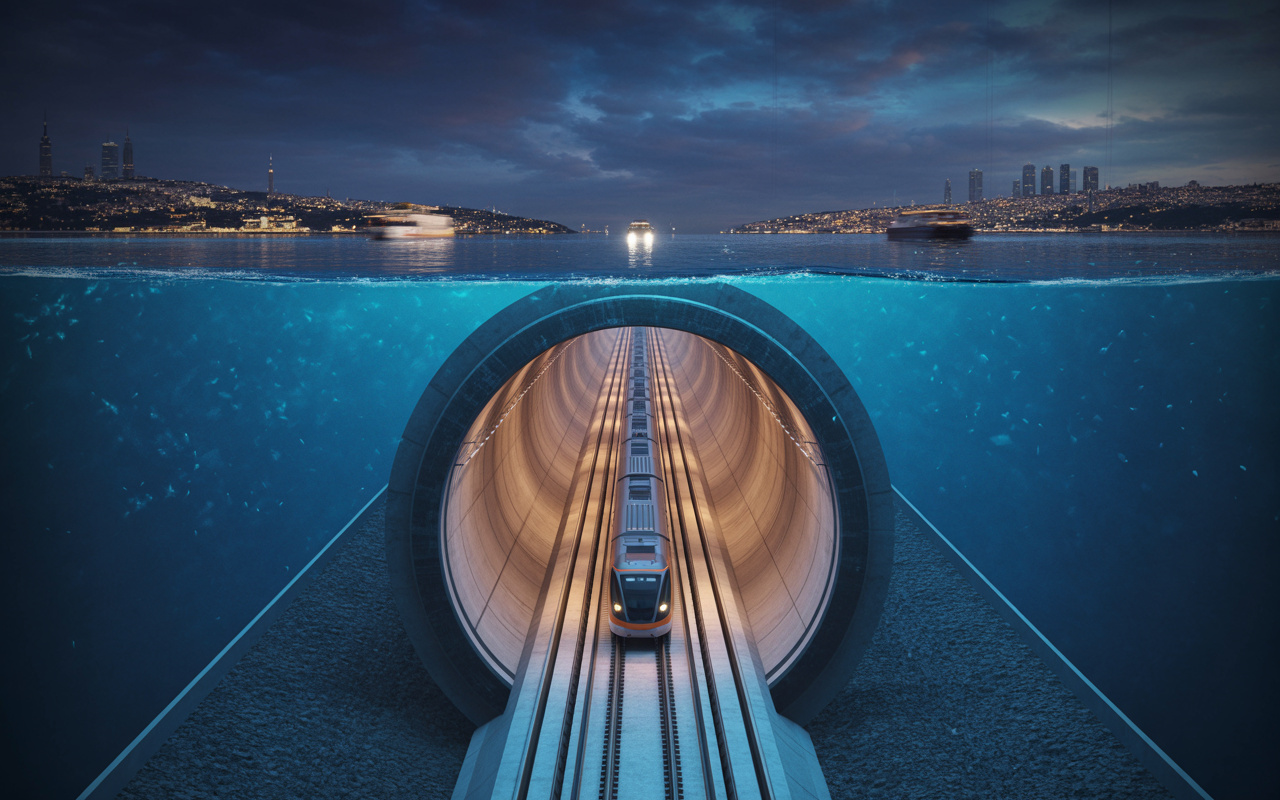


With 13.6 km and Sections at 60 m Depth, the Marmaray Tunnel Connects Europe and Asia Under the Bosphorus and Holds a World Engineering Record.
For thousands of years, the Bosphorus Strait was a natural barrier between two continents. Europe and Asia met in Istanbul but never fully connected by land. Bridges linked banks, boats crossed turbulent waters, but the tracks always stopped before the sea. This changed when Turkey decided to undertake a project deemed impossible for decades: to run an entire railway under the bed of the Bosphorus, in one of the most seismically active regions on the planet. The result was the Marmaray tunnel, one of the most complex engineering projects ever carried out in an urban maritime environment.
A 13.6 km Tunnel Crossing Continents
The Marmaray has 13.6 kilometers in total length, connecting the European side of Istanbul to the Asian side with continuous railway tracks. Of this total, about 1.4 km corresponds to the submerged section, built directly under the bed of the Bosphorus.
It may seem small in absolute numbers, but it is precisely this submerged segment that poses the greatest technical challenge of the project.
-
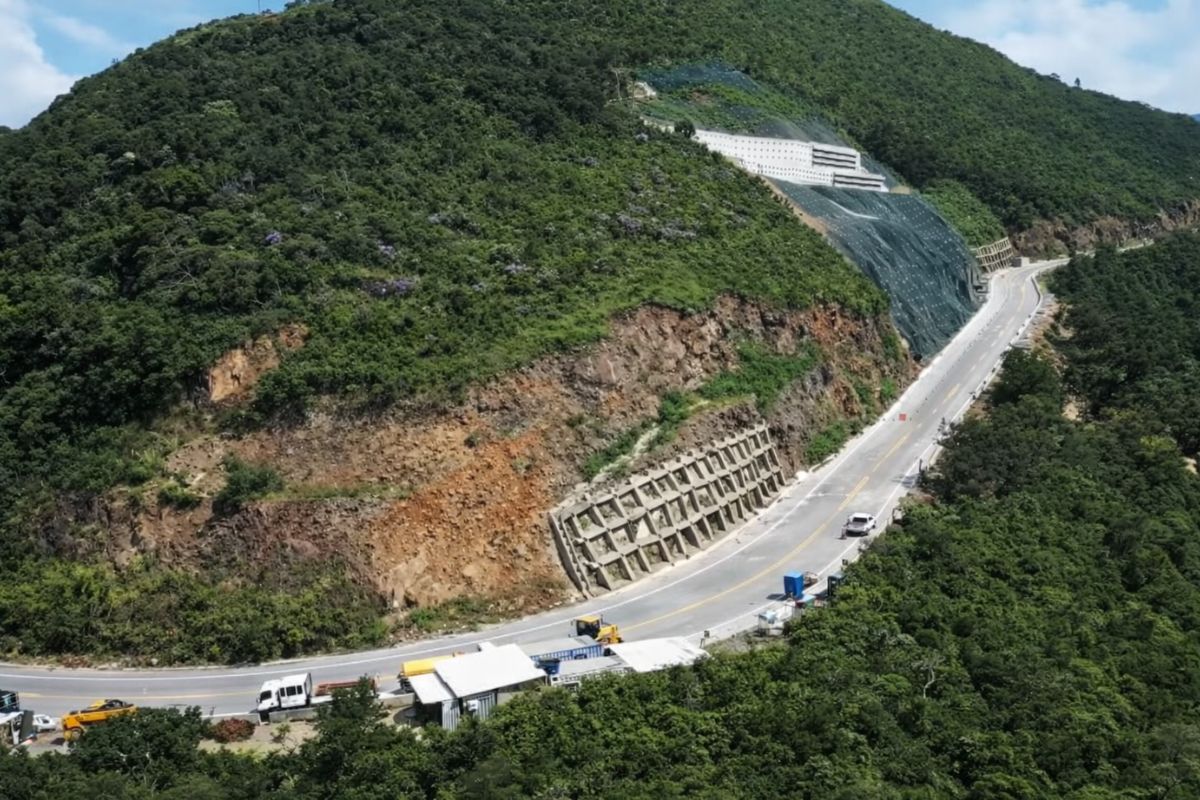
The section of Serra da Rocinha on BR-285 is now open in Timbé do Sul: 50 m tensioned curtains and top-down technique stabilize the slope, with a stairway duct controlling the water.
-
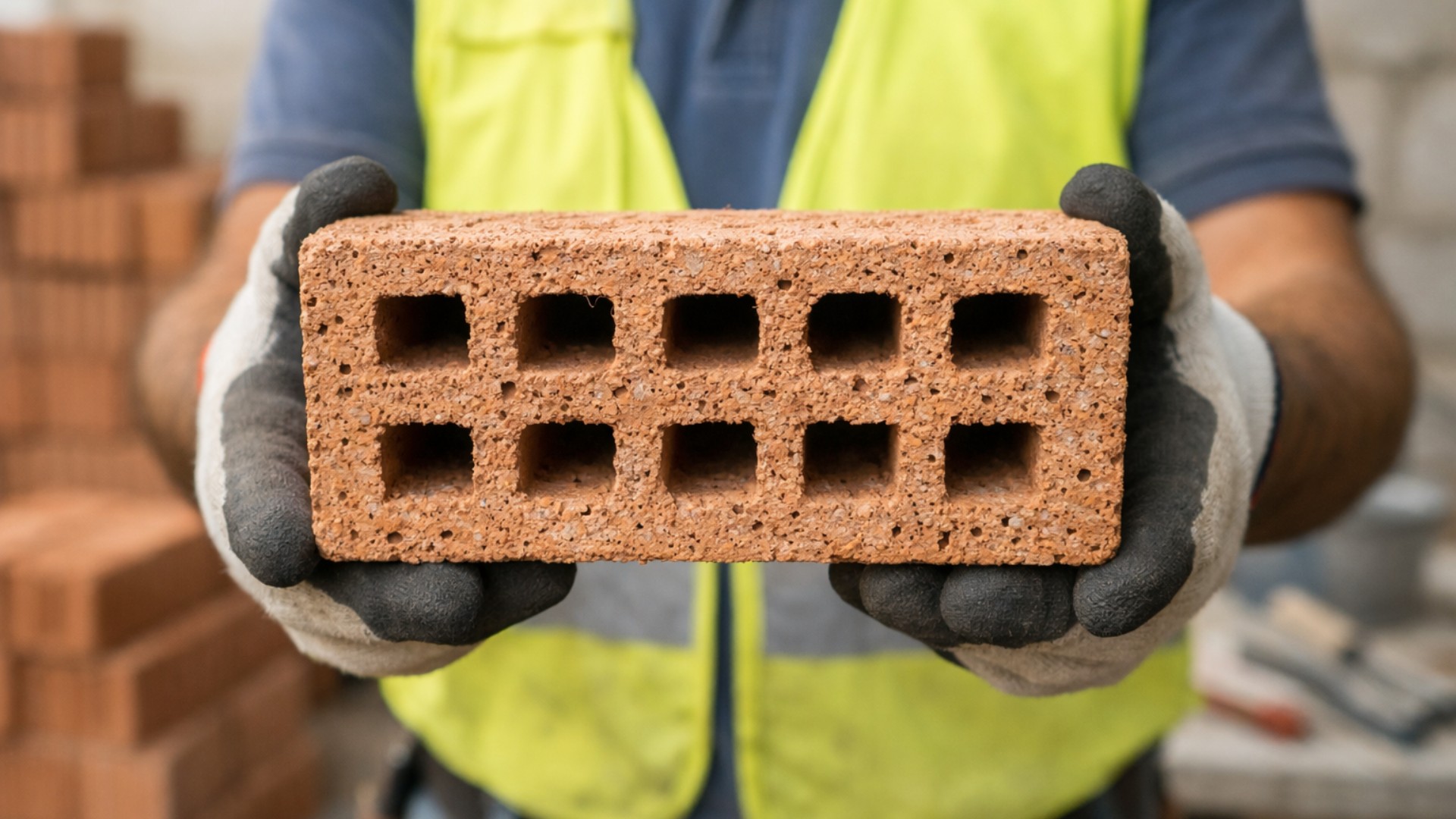
Scientists use sawdust mixed with clay to create a lighter brick, promising efficient thermal insulation and impressing by transforming waste into a solution for construction.
-
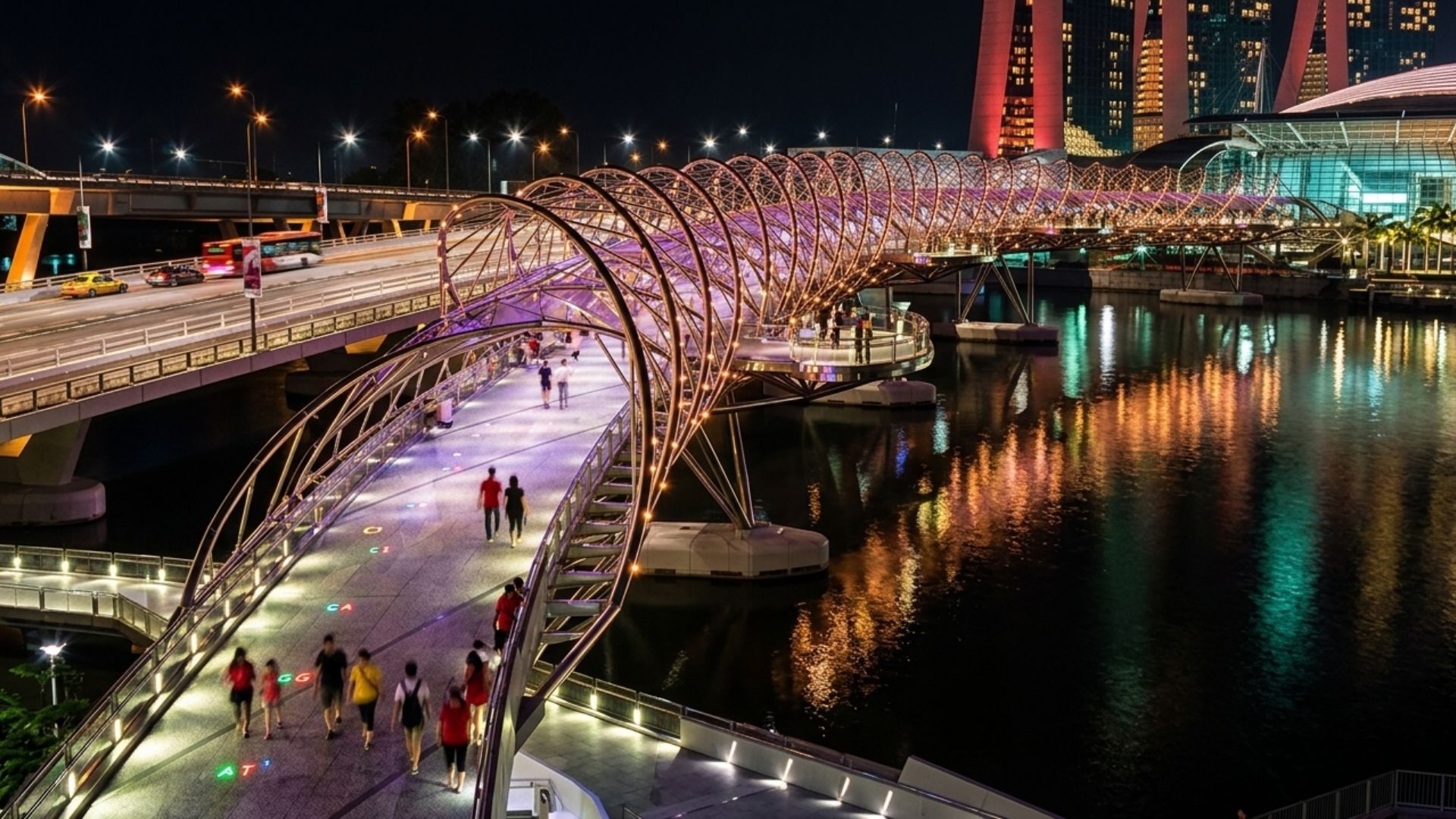
With a DNA shape, this bridge in Singapore draws attention in modern architecture and surprises tourists by transforming a simple crossing into an unforgettable visual experience in the urban heart.
-
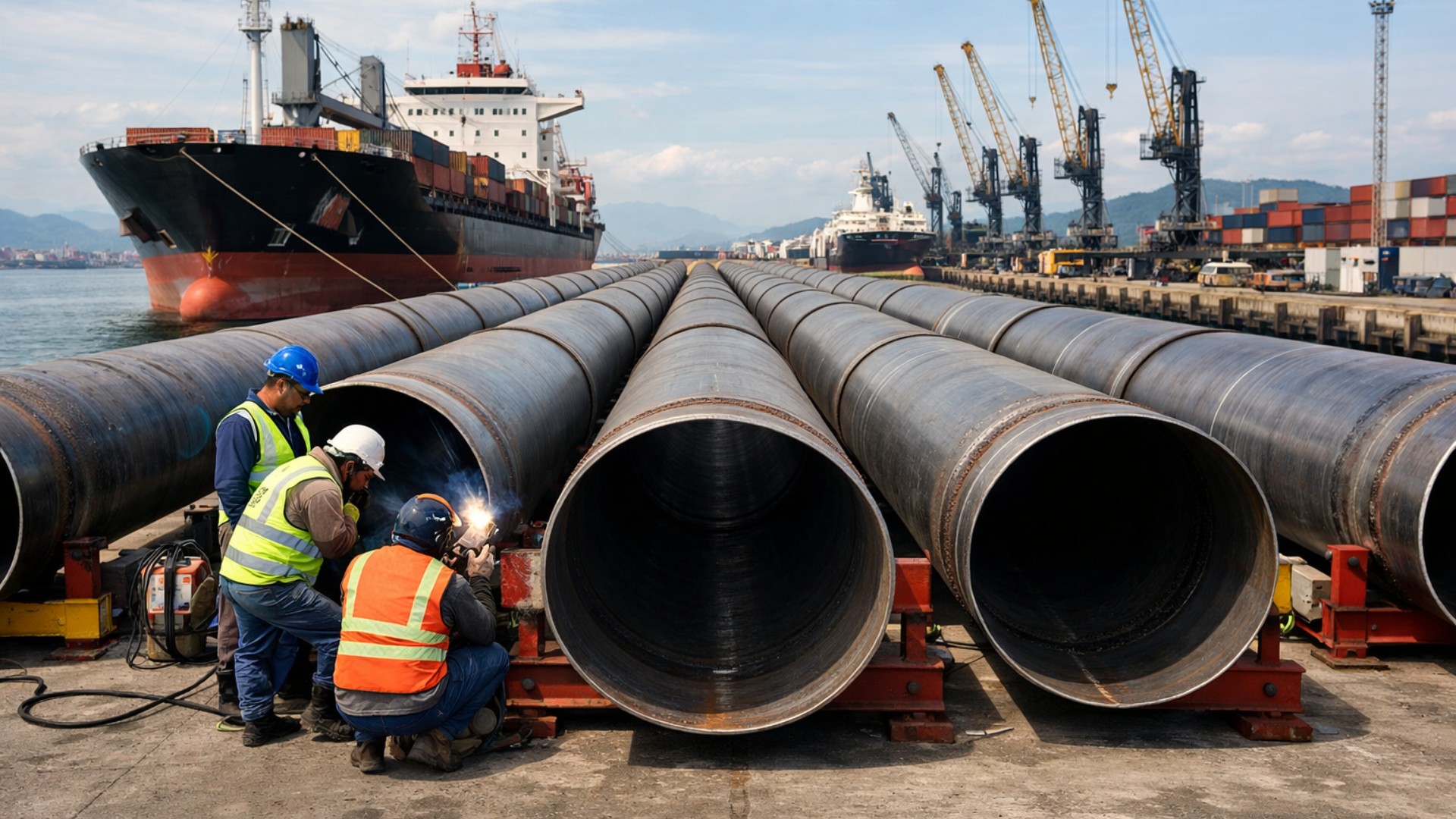
Giant underwater pipeline begins to take shape with a R$ 134.7 million project at the Port of Santos: the 1.7 km structure uses 12-meter and 700 mm pipes to supply water to 450,000 people in Guarujá.
The Deepest Submerged Tunnel in the World Built Using Immersed Tubes
The Marmaray holds a specific and extremely relevant world record: it is the deepest submerged railway tunnel in the world constructed using the immersed tube method, reaching approximately 60 meters below sea level.
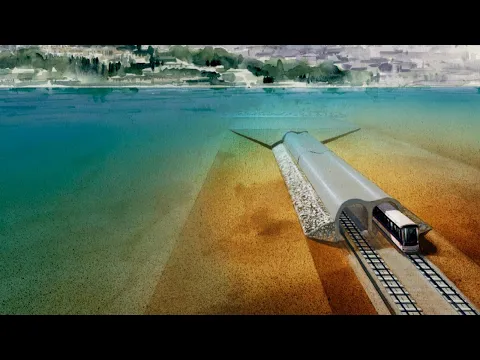

This means that enormous segments of precast concrete were:
- manufactured in shipyards,
- transported by sea,
- precisely submerged,
- and fitted into the bed of the strait.
All of this under strong maritime currents and in an active seismic zone.
Giant Tubes Submerged on the Sea Floor
The submerged section of the Marmaray was built with 11 giant reinforced concrete segments, each weighing tens of thousands of tons. These tubes were carefully positioned in a trench excavated in the seabed and then covered for protection.
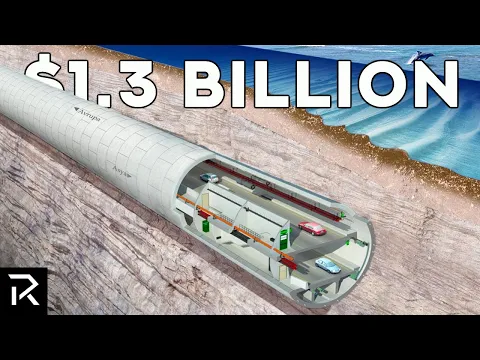
The margin for error was minimal. A misalignment of a few centimeters could compromise the entire railway system.
Extreme Earthquake-Resistant Engineering
The Bosphorus is located near the North Anatolian Fault, one of the most dangerous in the world. Therefore, the Marmaray was designed to withstand earthquakes greater than magnitude 7.
The submerged tubes have special flexible joints that can absorb ground movements without breaking the structure. This solution allowed for a combination of structural stiffness with controlled flexibility — something rare in submerged projects of this scale.
The idea of connecting the two continents by rail is not new. The first studies for a tunnel under the Bosphorus date back to 1860, during the Ottoman Empire. However, the necessary technology only became feasible at the end of the 20th century.
Modern works on the Marmaray officially began in 2004, after years of geological, seismic, and hydrodynamic studies. The tunnel was inaugurated in 2013, marking the first direct railway link between Europe and Asia.
Unexpected Archaeological Excavations
During the works, engineers encountered an unexpected challenge: archaeological discoveries of immense historical value. At the excavation site, remnants of the ancient Byzantine port of Yenikapı were found, including ships over a thousand years old.

These discoveries delayed the schedule but also transformed the project into one of the largest urban archaeological recoveries in history.
A Global Strategic Railway Corridor
More than an urban project, the Marmaray is part of an international railway corridor, allowing trains to cross from Europe to Asia without maritime interruption. It integrates regional, national, and intercontinental transport systems.
In practice, the tunnel:
- reduces urban travel times,
- eliminates historical bottlenecks,
- and strengthens Turkey’s position as a logistical bridge between continents.
Direct Impact on the Transportation of Millions of People
Since its inauguration, the Marmaray has transported hundreds of thousands of passengers daily, easing congestion on bridges and ferry systems. The underground link has become an essential part of daily mobility in Istanbul, a metropolis of over 15 million inhabitants.
By placing tracks under the Bosphorus, Turkey achieved more than just building a tunnel. It erased a millennia-old physical boundary, connecting two continents with a continuous railway that no bridge had fully managed to accomplish.
Just as the Suez Canal shortened oceans and the Panama Canal reshaped global trade, the Marmaray has redefined Istanbul’s role on the world transport map.
A Record That Goes Beyond Depth
The Marmaray is not the deepest tunnel in the world in absolute terms, but its record is more specific and perhaps more impressive: no one has ever submerged a railway this deep under the sea using immersed tubes, especially in an active seismic zone.
That is why the project has entered modern engineering history.






Viva a modernização evolutiva da engenharia, é desafiadora e fantástica.
Mas pq fazer submerso? Não seria mais fácil por cima? E mais seguro? Inclusive para as pessoas não sentirem medo?
É uma obra magnífica, uma infra estrutura ligando dois continentes e dando mais fluidez ao tráfego de trens e veículos.
Isto é desenvolvimento.