





 Portuguese
  English
  Spanish
  4 min of reading
  5 comments





Photos and Videos of the “Construction” of a New AI Companion from xAI, Named Valentine, Went Viral on Social Media, but the Real Story Involves the Supercomputer Colossus and the Future of Human-Machine Interaction.
Mysterious photos and videos shared by Elon Musk about the construction of the xAI supercomputer created a huge buzz on social media in July 2025, fueling the public’s imagination about the future of artificial intelligence. The images, however, did not show the assembly of hardware, but rather the “creation” of Valentine, a new animated and voiced AI companion designed to interact with users in a much more human and immersive way.
Although the “construction” of Valentine is a visual metaphor, the technology behind it is very real and even more impressive. It only exists thanks to the true supercomputer from xAI, Colossus, one of the most powerful machines on the planet, built in record time to train the next generation of artificial intelligences. The initiative reveals Musk’s dual bet: to create increasingly powerful AIs and, at the same time, ones that are closer and “more fun” for humans.
What Is Valentine and What Is Colossus?
It is crucial to understand the difference between the digital creation and the real machine.
-
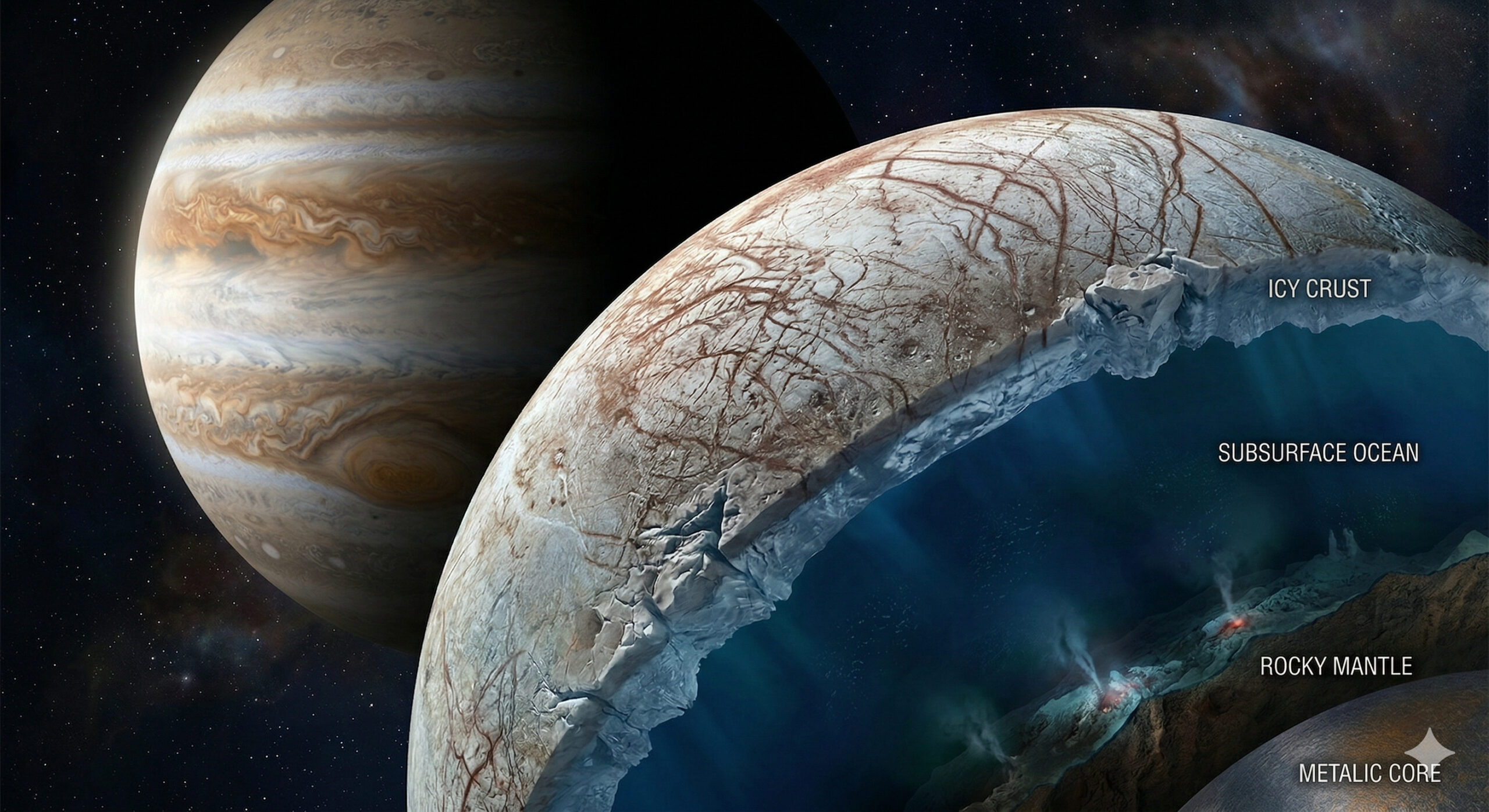
Beneath 25 km of ice, a moon of Jupiter hides an ocean with more water than all the seas on Earth and may have the necessary conditions to support life, according to studies supported by NASA.
-
The appliance that should cool your home may be driving up your electricity bill when installed with the wrong power, forcing the device to work harder and consume much more than necessary.

-
Airbnb now offers private car service to pick you up at the airport in 125 cities around the world with a fixed price and no extra fees: the platform aims to become a complete hotel within your smartphone.

-
Japan tests for the first time a hydrogen-powered engine for large cargo ships and achieves over 95% of the fuel’s energy at full load, paving the way to equip a 17,500-ton cargo ship already planned for 2027.


Colossus: The Real Supercomputer: It is the brain behind everything. Located in Memphis, Tennessee, Colossus is a gigantic data center equipped with 100,000 of the most advanced Nvidia H100 GPUs. Its sole function is to train xAI’s AI models, such as Grok and now, its animated companions.
Valentine: The Virtual AI Companion: It is the product we see on the screen. Valentine is an animated character integrated into the Grok assistant, with a personality described as “dark and confident,” inspired by fictional figures like Edward Cullen (Twilight) and Christian Grey (Fifty Shades of Grey). He interacts with the user using voice and facial expressions, aiming to create an emotional connection.
The “Construction” That Went Viral
The buzz began when Elon Musk posted on X (formerly Twitter) an animated video showcasing the “construction” of Valentine in a 3D environment. The piece, which went viral with tens of millions of views, was not about the construction of the xAI supercomputer, but rather an artistic representation of the birth of a new AI, which sparked fascination and debates about the creation of “digital beings.”
The Technology Behind the Magic
Valentine is only possible thanks to the colossal processing power of Colossus. Built in an impressive 122 days, in partnership with xAI, Dell, and Supermicro, the supercomputer enables the training of language and animation models so complex that they can simulate a personality and interact in real-time.
This billion-dollar infrastructure is the true foundation of the construction of the xAI supercomputer and what positions Musk’s company in direct competition with giants like OpenAI and Google.
Impact and Debate in Brazil
The arrival of AI companions like Valentine has a special appeal in Brazil, a country with high engagement on social media and significant consumption of fiction and romance content. The idea of a virtual assistant with personality could attract millions of users.
However, the innovation also ignites important ethical debates:
Emotional Dependency: Studies, such as one from Stanford University, already warn of the risk of emotional dependency in interactions with AIs, a sensitive topic in a country with high rates of urban loneliness.
Digital Sovereignty: Brazil, while investing in its own supercomputing infrastructure, such as the Santos Dumont, still massively depends on foreign technologies, raising questions about data sovereignty.
Relationship with Musk: Elon Musk’s figure is polarizing in Brazil, especially after his clashes with the Judiciary. The way his technologies are received in the country is inevitably influenced by this political context.
The “construction” of Valentine is a milestone in the way we interact with technology, but the true story lies in the monumental construction of the xAI supercomputer that made it possible, an engineering feat that will shape the future of artificial intelligence.
And what do you think about the idea of an AI companion like Valentine? Is it a welcome innovation or a concerning step for the future of human relationships? Share your opinion in the comments!







Censurado?
Entendi!
Fantástico o desenvolvimento intelectual que permitiu chegarmos ao ponto atual de conhecimento científico e desenvolvimento tecnológico. Os ” religiosos” de plantão, em todas as frentes onde se manifestam, deveriam creditar ao seu Deus todo esse avanço e os benefícios para a humanidade, que somente os Cienistas conseguem proporcionar. Será mentalmente mais saudável usarem a fé e acreditarem, ou caso o alcance intelectual permita, que possivelmente essas dádivas só tenham sido alcançadas porquê, caso estejamm certos, e o seu Deus e de todos os religiosos, esteja no comando, assim dotou alguns, assim quer que aconteça e portanto assim permite que aconteça. Será saudável também aprenderem, no mínimo, a procurarem e manifestarem suas opiniões religiosas nos locais apropriados; será demonstração de educaca e inteligência, por menor que seja, também.
Assim falou Zarathustra.
Que estas palavras sobre Jesus Cristo, o Sol da Justiça falem por si: “𝙑𝙞𝙢𝙤𝙨 𝙖 𝙨𝙪𝙖 𝙚𝙨𝙩𝙧𝙚𝙡𝙖 𝙣𝙤 𝙤𝙧𝙞𝙚𝙣𝙩𝙚 𝙚 𝙫𝙞𝙚𝙢𝙤𝙨 𝙖𝙙𝙤𝙧á-𝙡𝙤.” (𝙈𝙩 2,2)
“𝙂𝙧𝙖ç𝙖𝙨 à 𝙩𝙚𝙧𝙣𝙖 𝙢𝙞𝙨𝙚𝙧𝙞𝙘ó𝙧𝙙𝙞𝙖 𝙙𝙚 𝙣𝙤𝙨𝙨𝙤 𝘿𝙚𝙪𝙨, 𝙘𝙤𝙢 𝙖 𝙦𝙪𝙖𝙡 𝙣𝙤𝙨 𝙫𝙞𝙨𝙞𝙩𝙖𝙧á, 𝙘𝙤𝙢𝙤 𝙨𝙤𝙡 𝙦𝙪𝙚 𝙫𝙚𝙢 𝙙𝙤 𝙖𝙡𝙩𝙤, 𝙥𝙖𝙧𝙖 𝙞𝙡𝙪𝙢𝙞𝙣𝙖𝙧 𝙤𝙨 𝙦𝙪𝙚 𝙟𝙖𝙯𝙚𝙢 𝙣𝙖𝙨 𝙩𝙧𝙚𝙫𝙖𝙨 𝙚 𝙣𝙖 𝙨𝙤𝙢𝙗𝙧𝙖 𝙙𝙖 𝙢𝙤𝙧𝙩𝙚, 𝙖 𝙛𝙞𝙢 𝙙𝙚 𝙜𝙪𝙞𝙖𝙧 𝙣𝙤𝙨𝙨𝙤𝙨 𝙥𝙖𝙨𝙨𝙤𝙨 𝙣𝙤 𝙘𝙖𝙢𝙞𝙣𝙝𝙤 𝙙𝙖 𝙥𝙖𝙯”. (𝙇𝙘 1, 78-79)
𝙊 𝙥𝙤𝙫𝙤 𝙦𝙪𝙚 𝙖𝙣𝙙𝙖𝙫𝙖 𝙚𝙢 𝙩𝙧𝙚𝙫𝙖𝙨, 𝙫𝙞𝙪 𝙪𝙢𝙖 𝙜𝙧𝙖𝙣𝙙𝙚 𝙡𝙪𝙯, 𝙚 𝙨𝙤𝙗𝙧𝙚 𝙤𝙨 𝙦𝙪𝙚 𝙝𝙖𝙗𝙞𝙩𝙖𝙫𝙖𝙢 𝙣𝙖 𝙧𝙚𝙜𝙞ã𝙤 𝙙𝙖 𝙨𝙤𝙢𝙗𝙧𝙖 𝙙𝙖 𝙢𝙤𝙧𝙩𝙚 𝙧𝙚𝙨𝙥𝙡𝙖𝙣𝙙𝙚𝙘𝙚𝙪 𝙖 𝙡𝙪𝙯. 𝘐𝘴𝘢í𝘢𝘴 9:2
.