





 Portuguese
  English
  Spanish
  5 min of reading
  1 comment


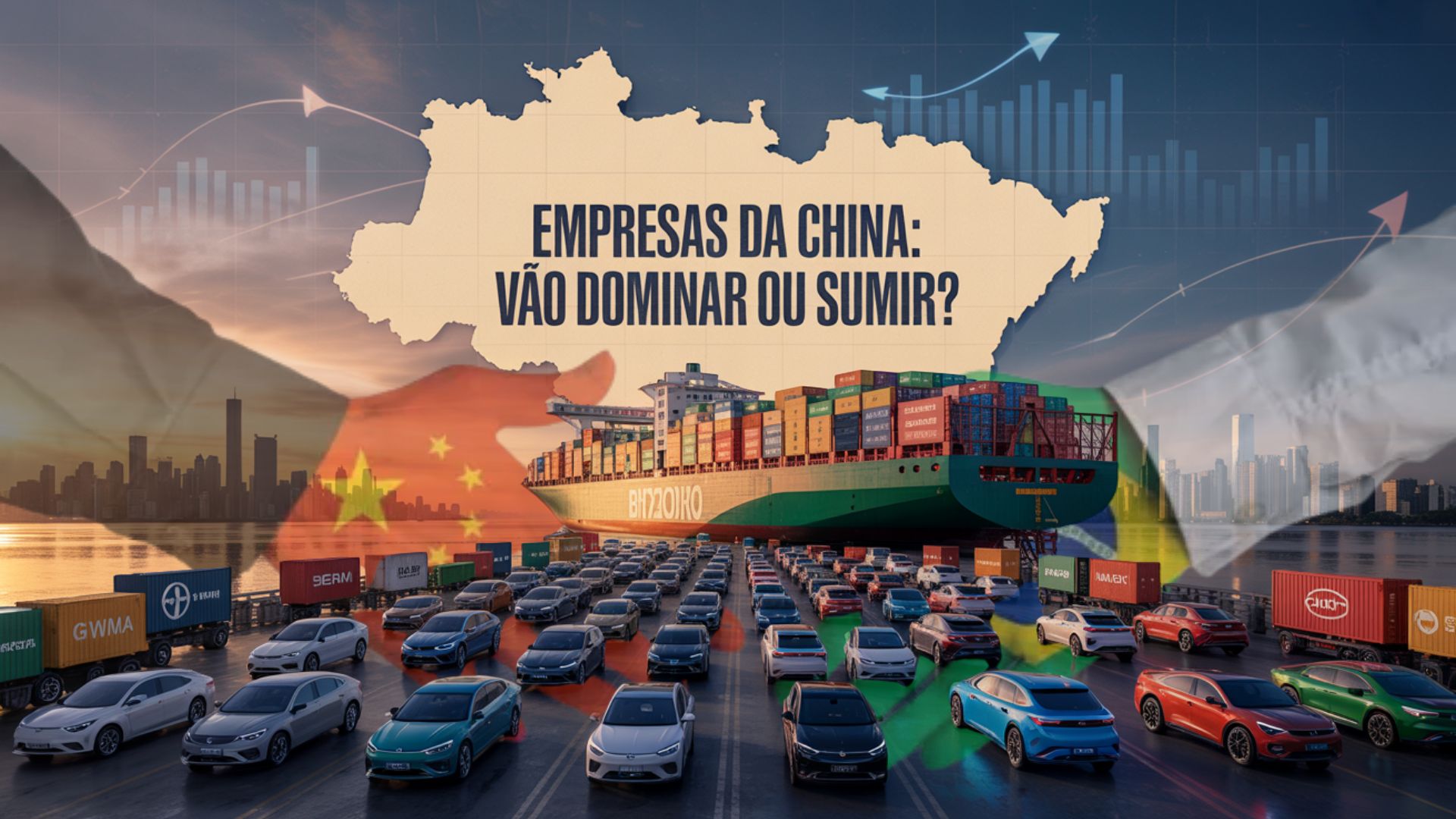


Brazilian Automotive Market Is Undergoing A Transformation With The Arrival Of Chinese Brands, Raising Questions About Their Permanence, Strategies And The Sustainability Of Foreign Operations In The Country.
The Brazilian automotive market is experiencing a phase of significant transformation with the arrival of Chinese automakers, especially in the electric and hybrid vehicle segment.
In recent months, the debate about the so-called “Chinese Invasion” has gained momentum, raising doubts about the financial sustainability of these operations in Brazil and the real possibility of bankruptcy for these companies in the short term.
According to Sergio Habib, former president of Citroën Brazil and current CEO of JAC Motors in the country, in a video published on the Market Makers channel on YouTube last Thursday (30), there are many more nuances and factors at play than indicated by the headlines.
-
“No one will make us change the Pix,” says Lula after the US report.

-
Lula responds directly to Trump and says that Pix is from Brazil and will not change under pressure from anyone, after a report from the United States pointed out the Brazilian payment system as an American trade barrier.

-
Amazon has just announced a new fee on all deliveries, and your online purchases will become more expensive starting April 17, including for those buying from the United States here in Brazil.

-
He sold his share for R$ 4 thousand, saw the company become a giant worth R$ 19 trillion, and missed the opportunity of a lifetime.


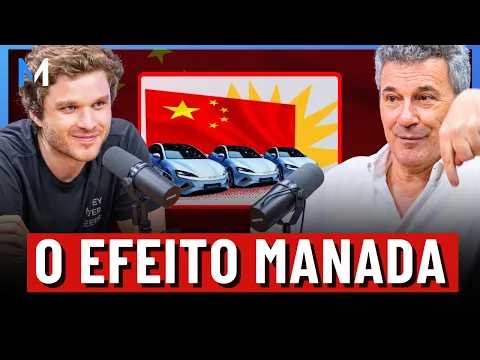
Chinese Invasion In Brazil: Decisions And Herd Effect
Right from the start, Habib draws attention to the behavior of the sector and how decision-making in large automakers does not always follow just rational logic.
“As unbelievable as it may seem, an automaker that should be an extremely rational company is not a rational company”, reported the executive during his participation.
As highlighted, decisions are often guided by a herd effect, a phenomenon in which companies act more out of competitive pressure than through objective market analysis.
Habib recalled the opening movement of the Brazilian automotive market in the 1990s, following the liberalization of imports.
At that time, automakers like Renault, PSA (Peugeot-Citroën), Toyota, and Honda decided to set up factories in Brazil following one another’s steps.
“The decision to build the factory in Brazil was 90% because Renault did it first”, revealed the CEO, emphasizing that the prevailing logic was not profitability, but rather the pressure to not miss out on an expanding market.
Profitability Challenges For Automakers In Brazil
According to the specialist, many of these investments did not translate into positive financial results.
He exemplified with the operations of companies like PSA and Honda, which, according to his analysis, have never achieved significant profits in Brazil with specific models.
Honda, for example, launched several generations of the Civic nationally but chose not to produce the most recent version in 2018, even with the factory and structure ready.
“My conclusion is that they never made money with this car”, stated Habib.
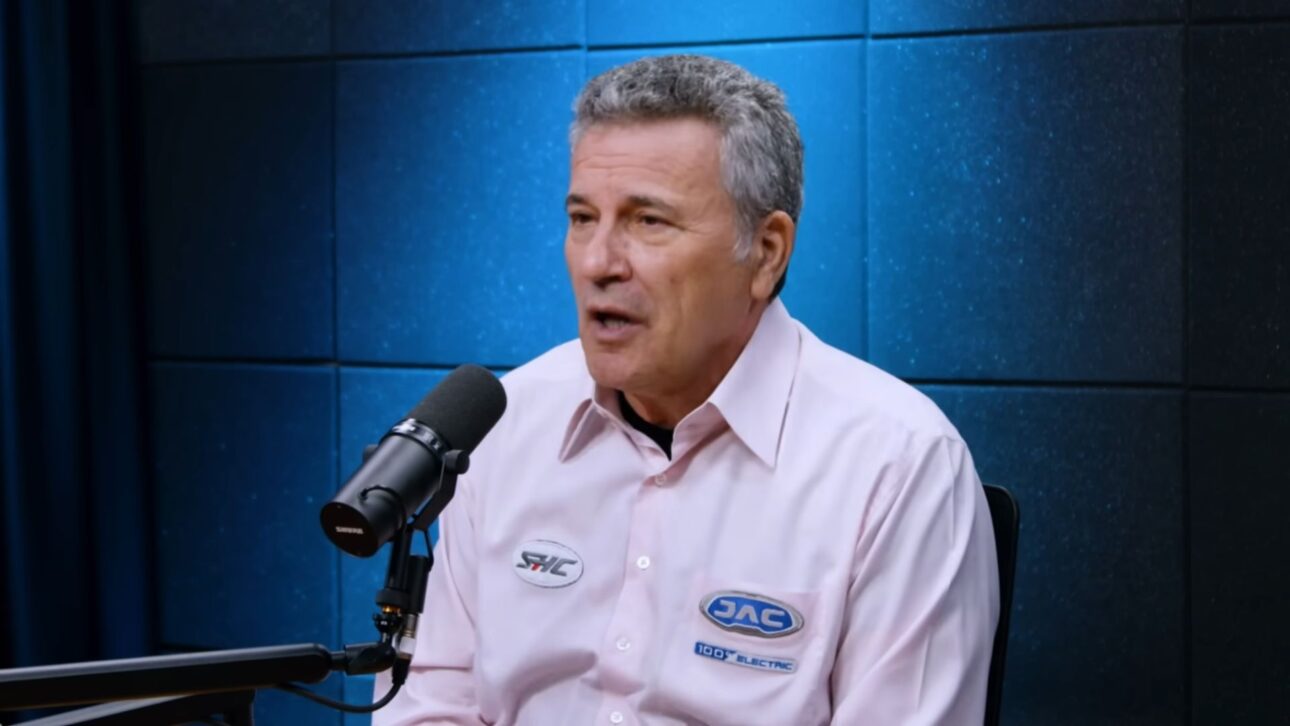
According to the executive, the Brazilian market presents significant challenges for the profitability of automakers.
Brands like Ford have already left the country, while General Motors, despite maintaining market share, struggles to profit from more popular models like the Ônix.
As he highlighted, “if you don’t sell the Ônix, which is the heart of the Brazilian market, you are out of more than half of the market”, stressing that the profitability of entry-level cars is one of the main obstacles for large manufacturers.
Chinese Automakers In Brazil: Expansion And Excess Inventory
In the current context, the arrival of Chinese automakers like BYD, Great Wall Motors, GAC, Omoda, and Jaecoo has generated a wave of expectations and speculations about a supposed invasion and dominance of the sector.
Habib, however, notes that, despite the large volume of announcements and launches, the market for electric and hybrid cars in Brazil is still restricted, especially in price ranges above R$ 150,000.
“Those who buy electric cars in volume in Brazil are below R$ 150,000, and they are for Uber”, explained the CEO, pointing out that more expensive vehicles face challenges in reaching significant sales volumes.
Another point highlighted by Sergio Habib is the excess inventory of these new brands.
“Today Omoda, this month, will sell 90 electric cars. They have over a thousand in stock, they already have a year’s worth of stock”, he informed, illustrating how the sales pace is falling short of the initial expectations of the companies.
A similar situation is occurring with other recently arrived brands like Jaecoo and GAC, which, according to the executive, are accumulating thousands of unsold vehicles.

Strategies, Losses And Future Of Chinese Automakers
Asked about the possibility of a bubble forming or a mass exit from the Brazilian market by Chinese automakers, Habib explained that, despite the losses, these companies tend to endure losses for some time, thanks to the robust nature of their global operations.
“These automakers are large in China, so they will lose money in Brazil, they will get used to losing money, because they are all losing money”, he observed, reinforcing that the continuation of investments depends, above all, on the financial health of these companies in their home markets.
The specialist also emphasized that, as long as the Chinese parent companies register profits in their home countries, they can maintain unprofitable operations in peripheral markets like Brazil.
However, any signs of financial tightening in China could accelerate the exit of these brands from the Brazilian territory.
“When you start losing money in your home country, things change”, stressed Habib, citing rumors of significant recent losses for some of these automakers in China.
Market Share, Adaptations And Permanence In Brazil
When analyzing the current scenario, Sergio Habib was categorical in stating that he does not see a speculative bubble in the electric vehicle market in Brazil, but rather intense competition and the so-called “herd effect” among the automakers.
According to him, some companies may indeed choose to leave the country in the coming years, especially if the direct import strategy — with leaner structures — proves more viable than maintaining robust local operations.
“Maybe some will leave in a year or two”, he said, indicating that, for many brands, the expected sales volume simply does not match the size of the Brazilian market for high-value cars.
Habib also emphasized that the survival of these automakers’ operations is contingent on their ability to adapt their products to local demands, especially in more affordable price ranges and with a focus on applications such as ride-sharing.
For him, achieving a 1.5% market share would already be cause for celebration for Chinese manufacturers, given the competitiveness of the sector and the profile of Brazilian consumers.
For you, reader, will Brazil witness a consolidation of these new brands, or will it see a wave of withdrawals and readjustments in the coming years, especially given the complexity of the national automotive market? What is your opinion on the future of Chinese presence in the Brazilian automotive sector?






Comprar carro sem concessionária com peças disponíveis ou uma rede de assistência que garanta peças de assistência, é prejuízo na certa.