





 Portuguese
  English
  Spanish
  3 min of reading
  2 comments


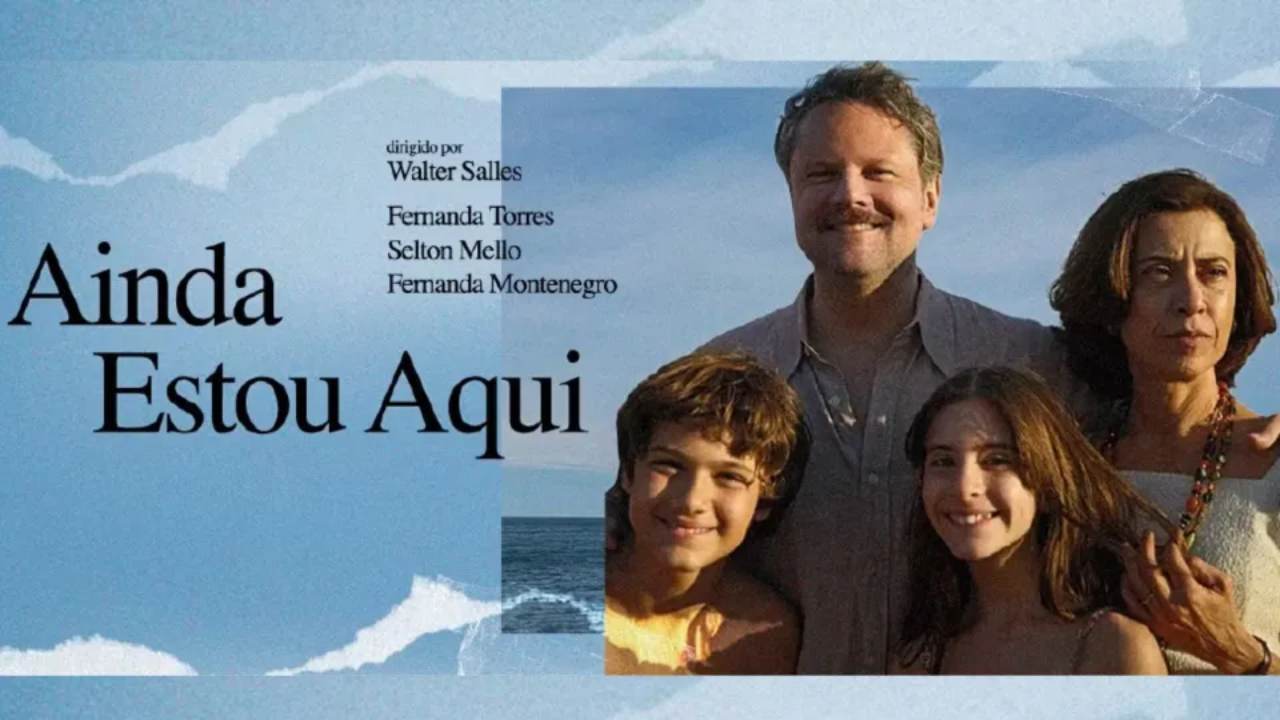


Understand The Context Behind “I’m Still Here”, Oscar-Winning Film That Revives The Story Of Rubens Paiva And The Military Dictatorship!
The film I’m Still Here, directed by Walter Salles and starring Fernanda Torres and Selton Mello, has gained international recognition by being nominated in three categories at the 2025 Oscars. The cinematic work rescues the story of Brazilian former congressman Rubens Paiva, who disappeared during the Military Dictatorship, and offers an emotional perspective on his wife, Eunice Paiva, who tirelessly fought for justice.
The film not only revives one of the darkest chapters in Brazil’s history, but also raises reflections on the impact of the authoritarian regime in the country.
A Narrative Focused On Resistance
Unlike many productions that explore the repression of the military dictatorship with scenes of torture and brutal violence, I’m Still Here chooses a more intimate and emotional approach.
-
The village where two rivers run side by side without mixing in Santarém and Alter do Chão reveals some of the most beautiful freshwater beaches on the planet.

-
Brazil’s nuclear submarine with a speed 5 times greater than normal advances after nearly 50 years and R$ 40 billion spent.
-
A Brazilian island charges R$ 0.50 to receive visitors and prohibits any new residents.

-
Why was the Great Wall of China built? The truth that many are unaware of!


The film centers on the journey of Eunice Paiva, who, after her husband’s disappearance, dedicates her life to seeking answers and confronting the regime.
For decades, she challenged censorship, impunity, and the silence imposed by the military.
Salles’ production is a tribute to the resilience of families who endured irreparable losses during the period from 1964 to 1985.
Eunice not only resisted but also reinvented herself, becoming an advocate for human rights and indigenous peoples. This humanized perspective transforms the film into a powerful and necessary narrative.
The Historical Context Of The Military Dictatorship And The Rubens Paiva Case
The Military Dictatorship in Brazil began on March 31, 1964, when the Armed Forces deposed then-President João Goulart under the pretext of containing a supposed communist threat.
The regime, which lasted 21 years, was marked by censorship, persecution, political imprisonment, and forced disappearances.
Although Brazil had a lower number of deaths and disappearances compared to other Latin American dictatorships, the repression was intense and left deep scars on society.
Rubens Paiva was one of the most emblematic cases of this period. A former federal deputy, he was kidnapped by regime agents in January 1971 and was never seen again.
His family was forced to live with uncertainty and the silence of the State, which refused to acknowledge the crime. Eunice Paiva’s struggle to find answers and seek justice is the core of the story told in the film.
Why The Story Still Resonates Today?
Even with the end of the dictatorship in 1985, the memory of this period still divides opinions in Brazil.
In recent years, there has been a rise in discourses that relativize or even praise the military’s actions in power.
This reinforces the importance of films like I’m Still Here, which recover historical facts and give voice to the victims of the regime.
According to experts, new generations have little knowledge of the horrors committed by the State during this period.
“Young Brazilians know nothing about the military period, except what they read in books and hear from older people”, states Octavio Amorim Neto, a military history scholar.
In this sense, cinema becomes an essential tool for keeping collective memory alive and preventing past mistakes from being repeated.
The Impact Of I’m Still Here On National And International Cinema
The reception of the film has been extremely positive both in Brazil and abroad.
In addition to being one of the five highest-grossing films in the country, the production also broke international records, becoming the Brazilian film with the highest box office earnings outside the country in the last 22 years.
At the 2025 Oscars, I’m Still Here is nominated in three categories, establishing itself as one of the most important productions in national cinema in the last decade.
For Walter Salles, telling this story in a moment of political polarization in Brazil is crucial.
“The film serves as a reminder that historical truth cannot be erased, and that Brazil needs to confront its past to build a more just future”, the director stated in a recent interview.








Rubens Paiva o Mártir que Matou muita gente
por Braulio Flores
Pouca coisa pode ser mais hedionda do que a Tortura. A tortura é a máxima expressão da Patifaria, da Vilânia, da Covardia. Costumo dizer que o **** não tem alma. É um ser que perde sua centelha divina.
O caso Rubens Paiva (que só andava armado ) voltou a mídia através do laureado filme “Ainda estou aqui”. Mas quem era esse personagem, cujo o filme retrata um mártir, um Tiradentes moderno que morreu pela nossa Liberdade. Nada mais falso. O deputado Rubens Paiva, eleito pelo MDB, na verdade era um militante do PCB (Partido Comunista Brasileiro), Paiva além de político, era engenheiro de formação, e por ter uma empresa, que possuía fluxo de caixa rotativo, foi designado como “lavador de dinheiro” do Partido Comunista.
Para quem não sabe, o PCB era na verdade um partido subsidiado, ou seja uma filial, do Partido Comunista da União Soviética (PCUSS). Essa agremiação recebia dinheiro de Moscou, via Montevideu, na época o Uruguai era um dos poucos paraísos fiscais por onde entrava dinheiro clandestino na América do Sul. A bem da verdade, a URSS nunca financiou diretamente a luta armada no continente. No final dos anos 1950, Nikita Kruschev, líder soviético e o presidente americano Eisenhower haviam feito um acordo em que a União Soviética não promoveria ações clandestinas, leia-se guerrilhas e rebeliões no Ocidente, em contrapartida os Estados Unidos fariam o mesmo nas áreas de influência dos soviéticos. Por esse motivo o PCB fora proibido por Moscou a participar, promover ou financiar a Luta Armada no Brasil.
Mas entre 1965 e 1973, existiram no nosso país trinta e três (33) grupos guerrilheiros que foram à luta para combater o Regime Militar. Eles promoveram uma série de ataques a instalações militares, atentados terroristas, explosões em aeroportos, sequestro de diplomatas, sequestro de aviões, que foram desviados para Cuba. Eles mataram diversos trabalhadores em filas de banco, entre outras ações de guerrilha urbana. Formaram grupos de guerrilha rural, no Araguaia (FOGUERA) do PCdoB (Partido Comunista do Brasil, uma dissidência do PCB financiado pela China) e no Vale do Ribeira, a VPR (Vanguarda Popular Revolucionária) de Carlos Lamarca. E foi justamente com a VPR, que Rubens Paiva se envolveu. Como lavador de dinheiro do Partido Comunista Brasileiro, Paiva passou “a financiar” as ações da VPR, uma das mais ousadas e terríveis organizações de esquerda.
A Vanguarda Popular Revolucionária foi responsável por atentados, explosão no consulado americano em São Paulo, assassinatos, ataques a sedes da PMSP, assaltos com morte a bancos entre outros atos. A VPR tinha como base, um sítio de Paiva na região de Juquitiba, uma área de floresta fechada, no sul do Estado de São Paulo. Juquitiba é um lugar isolado. Um resto de Mata Atlântica que ainda existe no Brasil. Região de lagoas, de pequenas propriedades, onde a vida selvagem coabita. Nessas matas é possível encontrar sucuris, cervos e onças. Um paraíso ecológico muito perto da BR-116, um local perfeito para se montar um grupo guerrilheiro.
As ações de Lamarca chamaram a atenção das autoridades e logo o Exército e a Polícia Militar começaram a fazer buscas na região. Apavorado com a chegada dos militares, Rubens Paiva pediu que Lamarca deixasse o sítio, o que enfureceu o guerrilheiro. Na discussão o terrorista ameaçou Rubens Paiva de morte. O que Paiva argumentou; “… se Moscou descobrir que eu desvio dinheiro, para financiar tuas ações, nós dois seremos homens mortos, se não pelas autoridades brasileiras, pela justiça soviética.” Indignado Lamarca deixou o refúgio, se embretou na selva, deu combate à tropa da Polícia Militar, justiçou (matou) o tenente PM Alberto MENDES Junior. O Diógenes do Jogo do Bicho (militante ****) também participou do crime.
Mas além da luta no campo, outro braço da VPR sequestrava aviões, eles desviavam aeronaves que faziam voos de longa distância, geralmente do nordeste para São Paulo. Logo depois de decolar, os terroristas anunciavam o sequestro e desviavam o voo para Cuba, a fim de exigir do governo a troca dos passageiros por prisioneiros políticos. Dezenas de aviões foram alvos da VPR. E foi por esse motivo que o CISA (Centro de Inteligência e Segurança da Aeronáutica) prendeu Rubens Paiva.
Sim ele foi detido em casa. Sim ele foi preso e torturado. Provavelmente morreu na prisão. Seu corpo jamais foi encontrado. Uma vilania, um sofrimento sem fim para a família. Mas longe do mártir que o filme tenta criar. Rubens Paiva foi um agente comunista que financiou o terror. O pior do Comunismo não é o Estado Totalitário, o cerceamento de direitos, o fim das individualidades, o controle estatal do modo de vida. O pior do Comunismo é ser um Regime Antropófago que para se manter precisa “matar, matar, matar e matar” por diversas gerações até que ele se sobreponha aos direitos individuais, se transformando no espírito coletivo. Era o que teria acontecido ao Brasil, se a turma do Rubens Paiva tivesse vencido a guerra. Tão hedionda quanto a Tortura é a Mentira Coletiva que tenta mudar a História construindo falsos heróis. Criando mártires para promover uma narrativa falsa e perigosa.
Boato…fake news. Pesquise antes de espalhar mentiras