





 Portuguese
  English
  Spanish
  3 min of reading


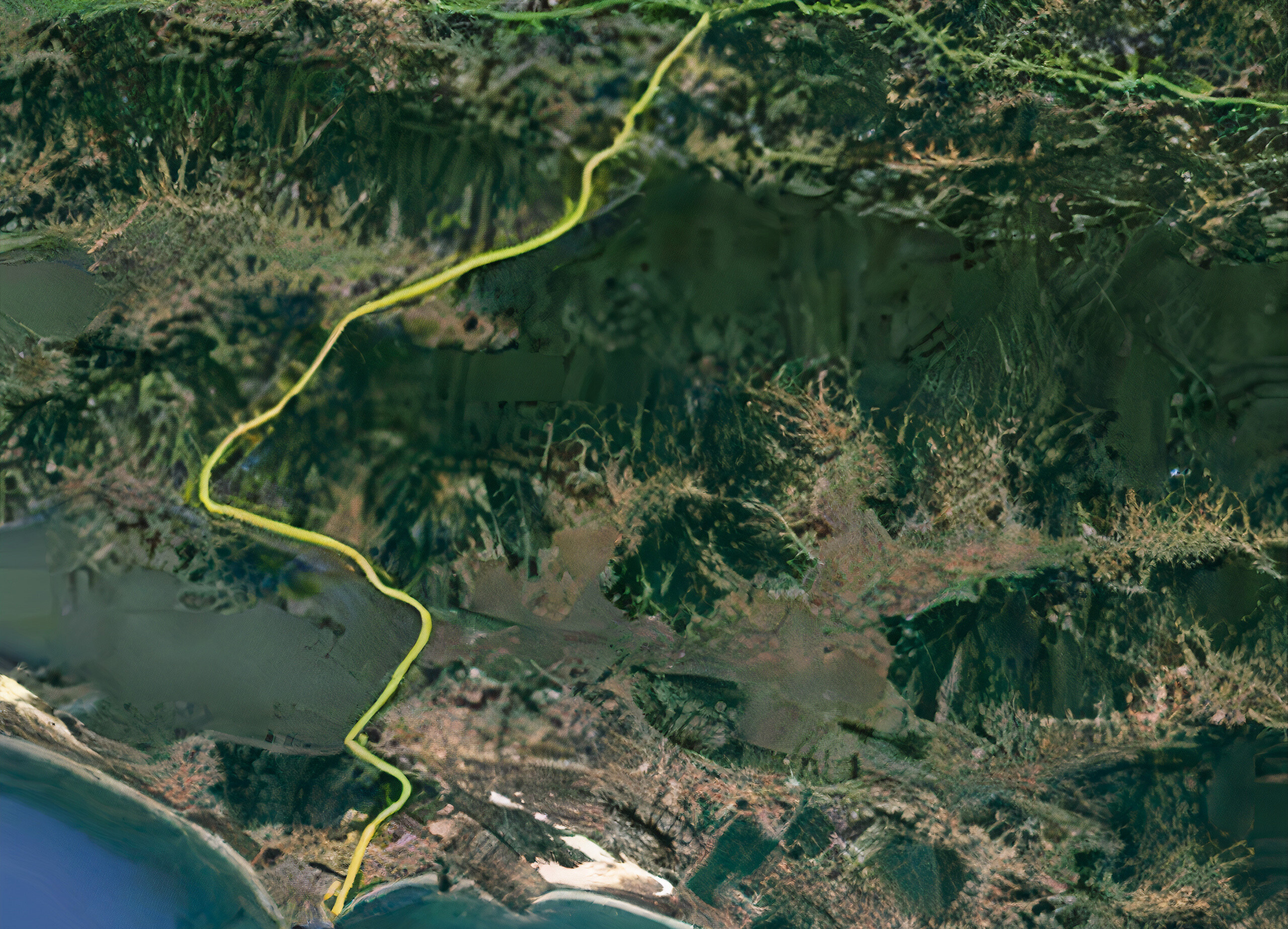
Last Week, Abegás (Brazilian Association of Gas Distribution Companies) Issued a Statement Stating That Stopping the Discussion on the Subida da Serra Pipeline Could Hinder the Opening of the Gas Sector.
Thus, the association references the writ of security that ATgás (Association of Gas Transporters) filed against the director of ANP (National Agency of Petroleum, Natural Gas and Biofuels), Fernando Moura, aimed at interrupting the negotiation for the reclassification of the Subida da Serra pipeline. Last year, ANP’s board defined the project as a transportation pipeline. However, the decision caused a misunderstanding with another regulatory agency, Arsesp, which decided to incorporate the pipeline into the assets of Comgás, the owner of the Subida da Serra pipeline, which is a distributor.
Constitutionally, the authorities that can regulate gas distribution are state-level. Therefore, the federal government is only responsible for regulating transportation. Thus, in practice, the misunderstanding is about which rules the pipeline will operate under.
Proposal Aims to Keep the Subida da Serra Pipeline as a Distribution Network
In July of this year, both regulatory agencies issued a proposal for the Subida da Serra pipeline to be maintained as a distribution network, while Comgás could maintain the pipeline’s connection to the TR-SP (São Paulo Regasification Terminal), ensuring that the Subida da Serra pipeline would not be used to move future gas supply sources.
-
Lula reveals a masterstroke by Petrobras to undo a deal made by Bolsonaro, which involves the return of an important refinery that currently produces less than half of what was expected and makes Brazil dependent on international diesel.
-
A study confirms that the natural gas sector will reduce greenhouse gas emissions in Brazil by 0.5% and accelerate the energy transition by 2026.

-
Petrobras implements a severe adjustment and confirms a 55% increase in the price of aviation kerosene with a proposal for installment payments for the companies.

-
The rise in oil prices could ensure an extra revenue of R$ 100 billion for the Federal Government, indicates a recent economic study.


In this regard, Abegás believes that the dialogue between ANP and Arsesp to harmonize the misunderstandings regarding the project is commendable, and highlighted that in addition to promoting dialogue among regulators, the New Gas Law protects projects and investments already made from any risk of reclassification, promoting legal certainty for projects like Subida da Serra, which aim for public consultation and hearings without prior questioning.
In a Statement, Abegás Discussed What Happened. See the Text Below.
The judicial measure proposed by ATGás (National Association of Gas Transporters) seeking to interrupt the dialogue and understanding process between ANP and Arsesp (Public Services Regulatory Agency of the State of São Paulo) not only goes against the provisions of the Gas Law but also harms the much-needed opening of the Brazilian natural gas market, scaring off investments and leaving to the judiciary decisions that, according to the law, fall under the authority of sector regulators. Judiciously interrupting a commendable and essential effort of regulators to harmonize understandings only distances vital investments, not only for the natural gas sector but also for the development of the country.
Natural Gas Consumption for Electricity Generation Falls in the Country, Says Abegás
In data released on August 29, Abegás (Brazilian Association of Gas Distribution Companies) reported that natural gas consumption for electricity generation fell 70% in the second quarter of 2022 compared to the same period in 2021. The drop is attributed to improved reservoir conditions of hydropower plants. Last year, Brazil faced the worst water crisis in 90 years, resulting in increased thermoelectric demand for natural gas. In this context, with the decline, total gas consumption fell 27% during the period. Thus, it dropped from 32 million cubic meters per day in the second quarter of 2021 to 2.6 million between April and June of this year. According to Marcelo Mendonça, Strategy and Market Director at Abegás, the water crisis of 2021 serves as a lesson for the country to reduce reliance on sources always tied to climate.









Seja o primeiro a reagir!