Portuguese
  Spanish


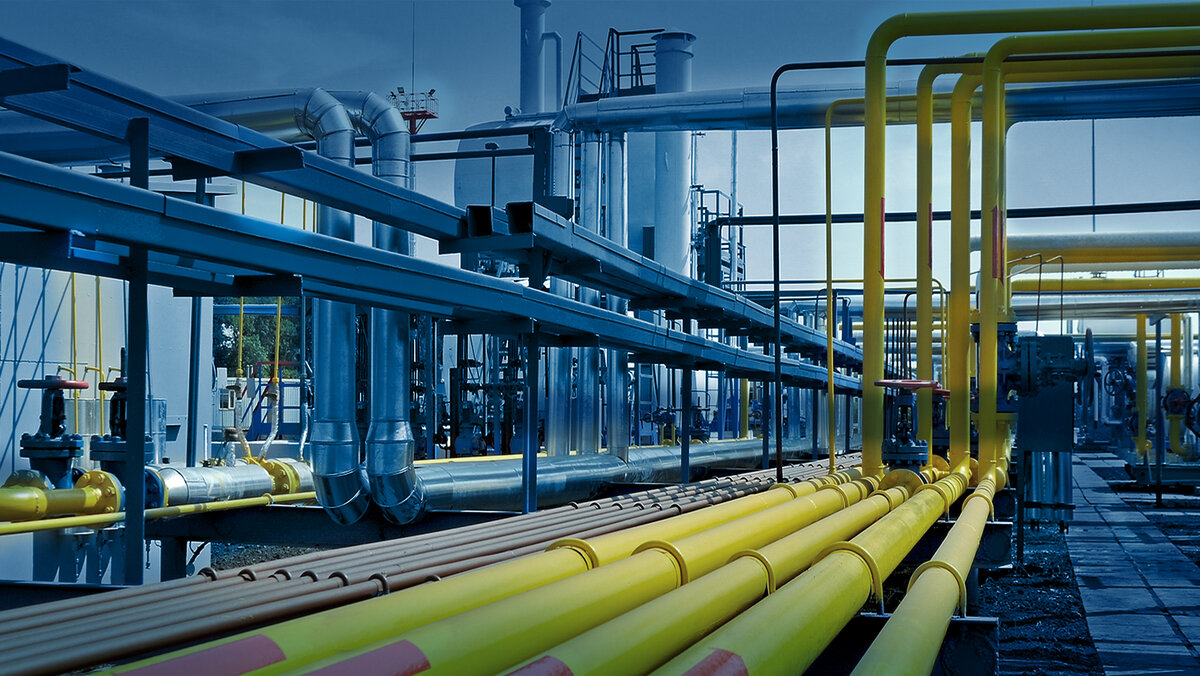

The Cooperative Working Group Created by Abegás and Abiogás This Week Aims to Enable the Use of Biomethane by State Natural Gas Utilities and Thus Diversify the Fuel Chain in Brazil
The Brazilian Association of Natural Gas Distribution Companies (Abegás) and the Brazilian Biogas Association (Abiogás) announced last Wednesday (05/18) the creation of a new working group between the companies. Thus, the main focus of the partnership is to diversify the use of fuels in Brazil and promote the use of biomethane by natural gas utilities in Brazilian states over the coming years.
New Cooperative Working Group from Abegás and Abiogás Will Focus on Fuel Diversification in Brazil and the Use of Biomethane by State Natural Gas Utilities
With the goal of making the fuel distribution market in Brazil even more diversified over the coming years, Abiogás has joined forces with Abegás to develop a partnership. Thus, a joint working group was created between the two organizations to promote a policy for the use of biomethane within the natural gas utilities in Brazilian states. Therefore, the group will encourage these companies to diversify their fuel supply chains in the regions.
The current production of biomethane is around 400,000 cubic meters daily (m³/day) in Brazilian fields, but according to Abiogás, this number can grow significantly over the coming years and reach other levels. This is because, again according to the association, 25 new plants have already been announced in the country, with the capacity to produce about 30 million m³/day, which would be enough to supply the southeastern region, the largest in the country, and ensure strong distribution in other national states.
-
Starnav orders 10 hybrid vessels with German MTU engines in Itajaí and prepares fleet to serve Petrobras in the pre-salt for 12 years.

-
The Chamber releases R$ 10 billion to hold the price of diesel until December and proves that Brazilian fuel remains tied to Congress.
-
It’s official: Petrobras takes 75% of block 3 in São Tomé and Príncipe and debuts as an offshore operator outside South America.
-
With a record production of nearly 3 million barrels per day, Petrobras resumes importing diesel in July, highlighting the bottleneck in Brazilian refining.



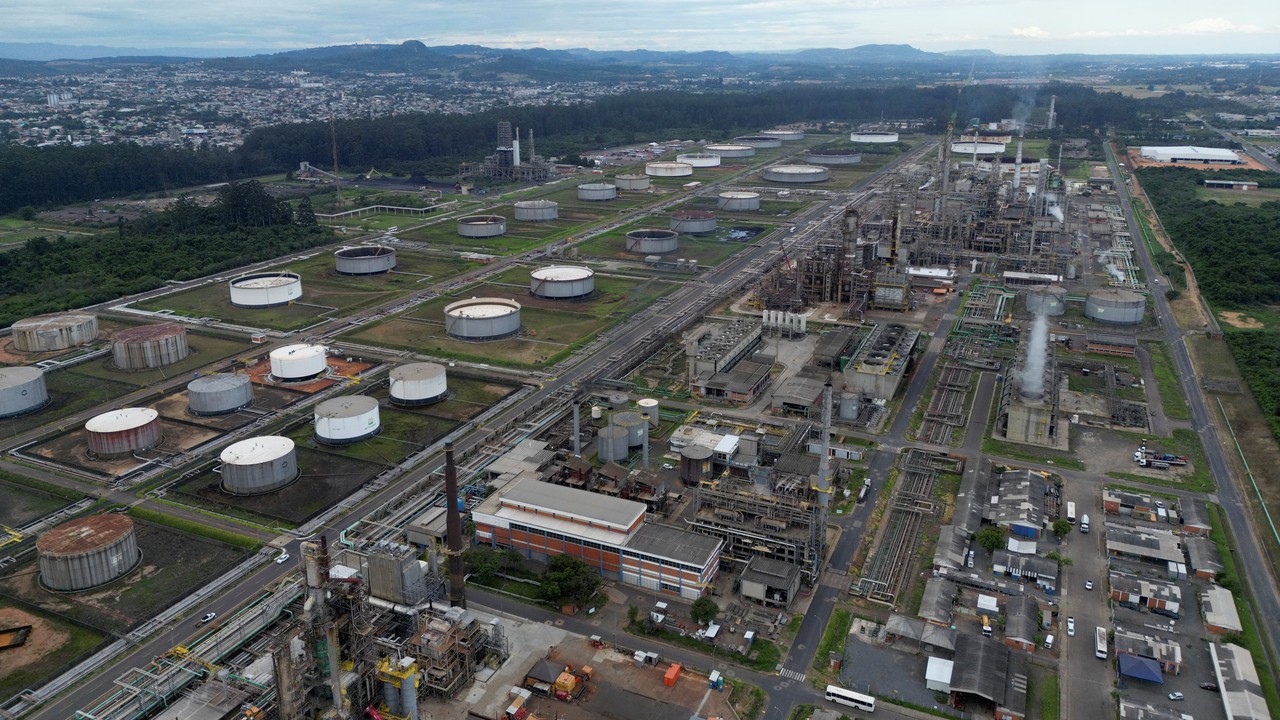
The biomethane production sector is expected to receive up to R$ 60 billion in investments for expansion by 2030, which will further diversify the fuel chain in Brazil. In addition, the total potential of the sector, according to estimates by Abiogás, could reach 120 million m³/day. Thus, the working group of the association with Abegás aims to showcase these projections and promote the use of this fuel by natural gas utilities in Brazilian states.
Use of Biomethane by State Natural Gas Utilities is the Best Way to Diversify Fuels and Navigate the Current High Prices of the Commodity
With the constant increases in natural gas and oil prices in Brazil by Petrobras, the national oil and gas market is facing a scenario of instability regarding the transfer of values. Thus, the adoption of biomethane by natural gas utilities in Brazil is the best alternative to navigate this situation, while developing a much more diversified fuel supply chain in the country.
The first project to add biomethane to fuel distribution in Brazil has been underway since 2018 by GNR Fortaleza, a partnership between Marquise Ambiental and Ecometano, part of the MDC group, and is currently responsible for injecting gas produced at the Municipal Sanitary Landfill West of Caucaia into the Cegás network in the Metropolitan Region of Fortaleza. This is one of the best examples of the use of the resource by state natural gas utilities today, and Abiogás and Abegás are using it as a basis for the current joint working group.
Now, the associations Abiogás and Abegás are looking to bring new projections not only for the state of Ceará but for all of Brazil in the fight for the utilization of biomethane within the fuel distribution and supply chain in national states.