





 Portuguese
  English
  Spanish
  5 min of reading
  0 comments


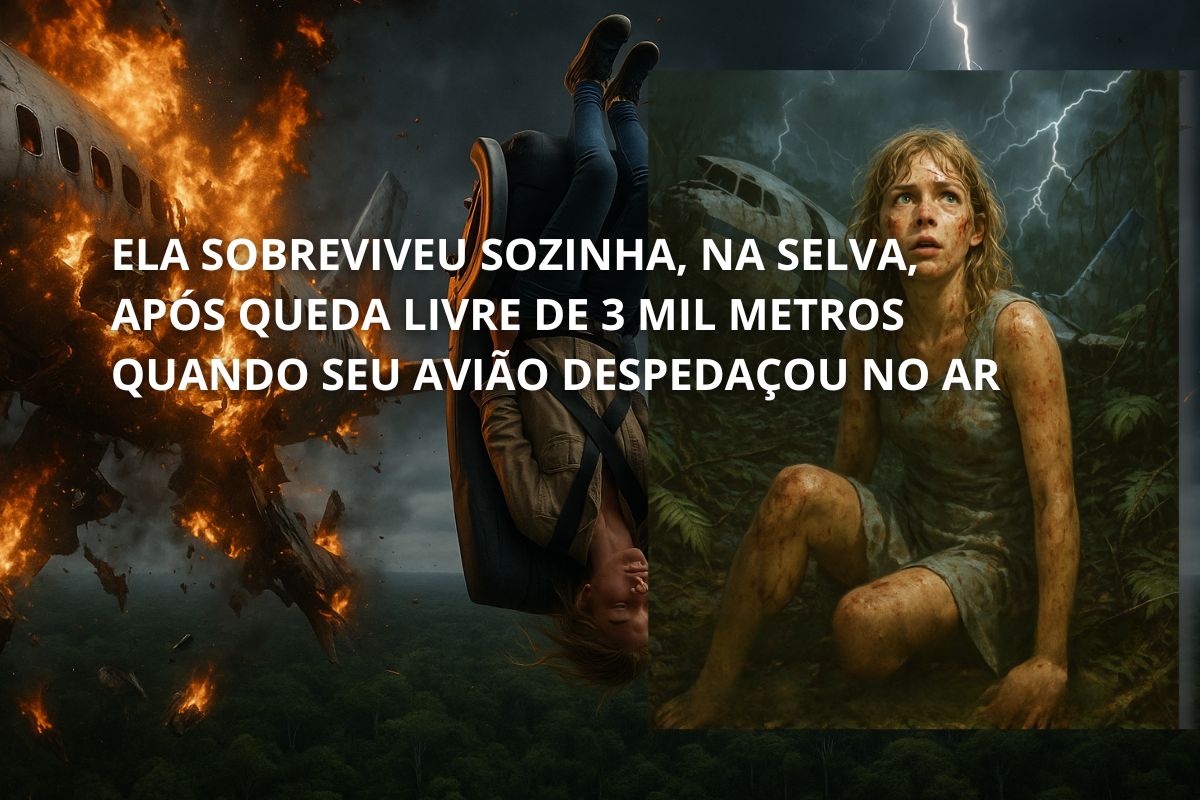
LANSA 508, Peru, December 24, 1971: The Aeronautical Accident That Killed 91 People and Left Only One Survivor, Juliane Koepcke, Who Fell Strapped to the Seat of a Plane in Free Fall Over the Forest
“Suddenly, the noise stopped, and I was out of the plane. I was in free fall, strapped to my seat and hanging upside down. The whisper of the wind was the only sound I could hear.” – Juliane Koepcke, in an interview with BBC
It was Christmas Eve of 1971 when Juliane Koepcke, a 17-year-old girl, boarded a flight with her mother from the Peruvian airline LANSA. What should have been a trip back home turned into the worst aeronautical accident caused by lightning in history. More than 90 people died, but Juliane, miraculously, survived a fall of 3,000 meters, crossing the dense Amazon rainforest and surviving alone for 11 days.
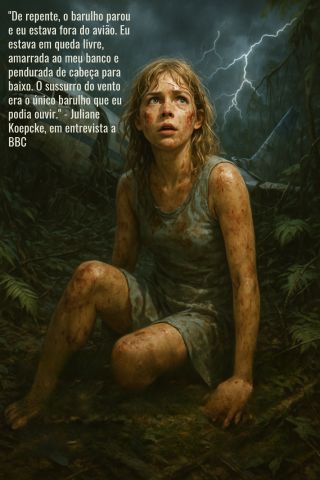
According to BBC, the aircraft was experiencing severe turbulence when it was struck by lightning. In an instant, she found herself alone in the air, still strapped to her seat, falling on a collision course with the jungle. The young woman’s account amazed the world and became a landmark of human resilience in extreme conditions.
-
Elevator Plummets From Tenth Floor in Commercial Building in Recife, Raising Concerns About Safety and Engineering of Vertical Transport Systems Used Daily in Urban Buildings
-
Cyclist Hit by Car in Sobradinho, DF Is Rescued After Traffic Accident This Sunday
-
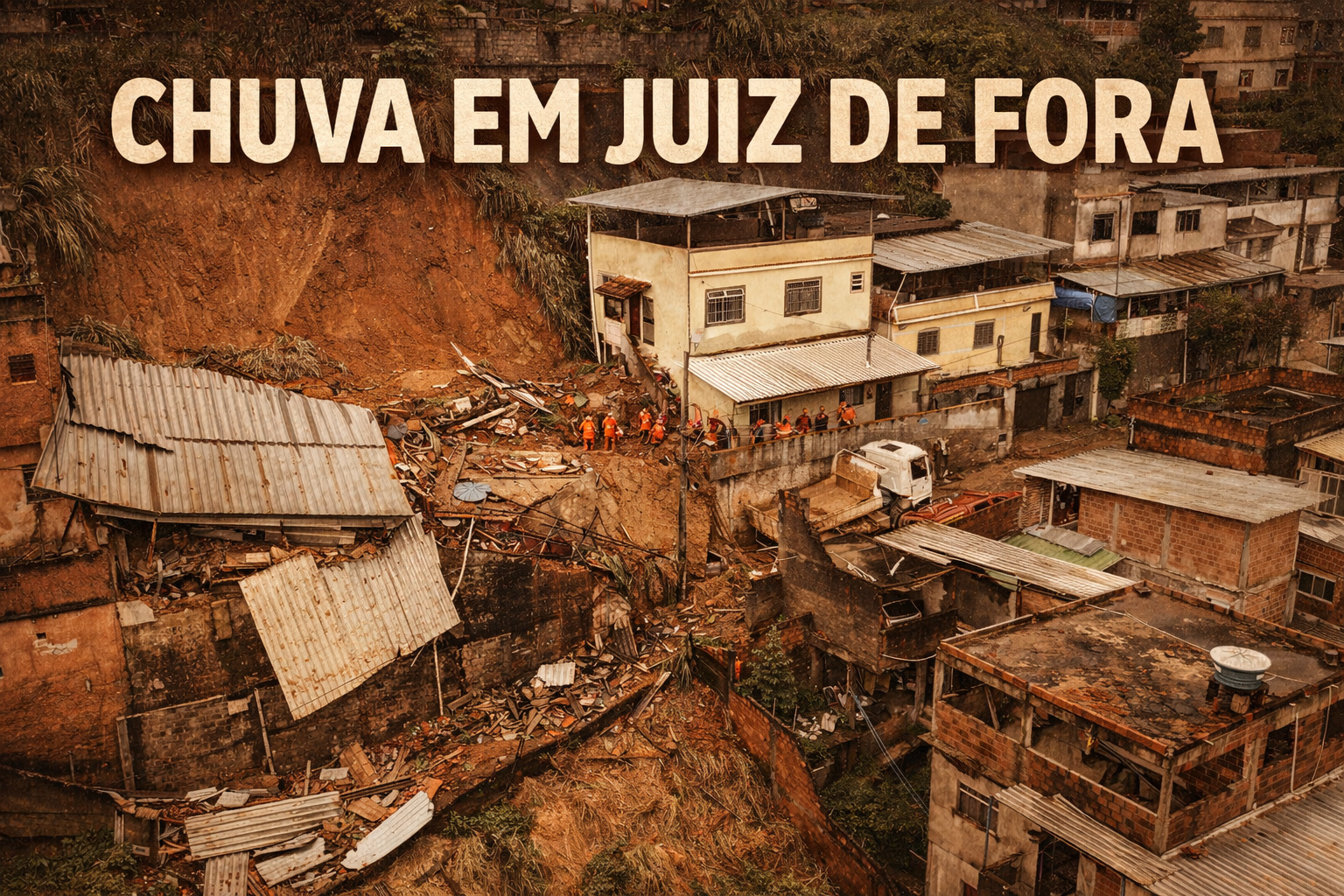
Civil Defense Issues Alert and Advises Evacuation in 51 Streets of Juiz de Fora After Risk of Instability; See the Complete List of Affected Neighborhoods
-
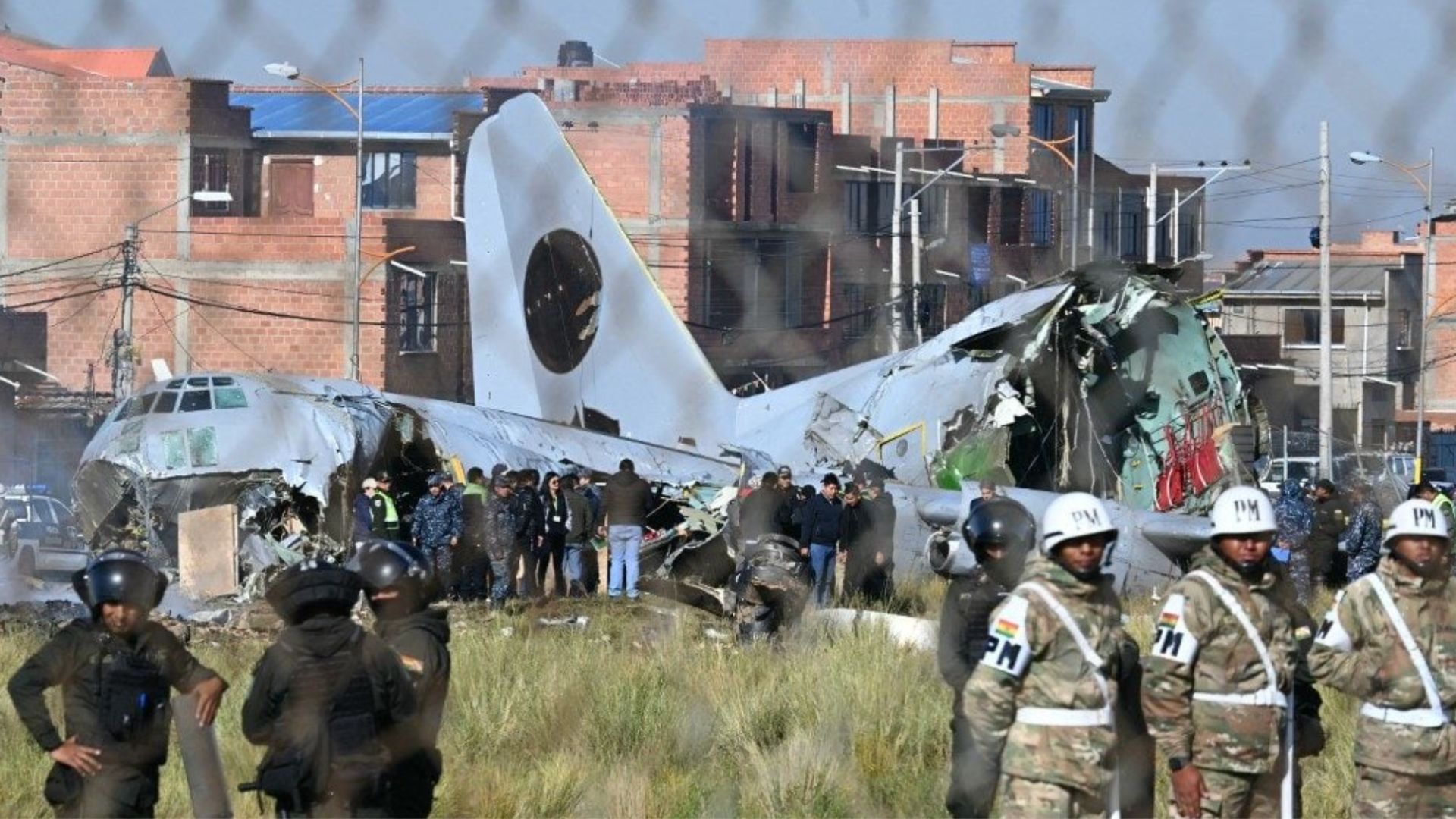
Military Plane With Money Crashes In Bolivia, Leaves 20 Dead And Leads Central Bank To Annul 10, 20, And 50 Bolivianos Notes After Chaos At Airport
The LANSA 508 Flight: The Beginning of a Tragedy Announced
Juliane Koepcke had just graduated from high school and was traveling with her mother to reunite with her father at a research station in the Amazon. The family was aware of the risks of the LANSA airline, known for its history of accidents, but there was no option for another airline on that date.

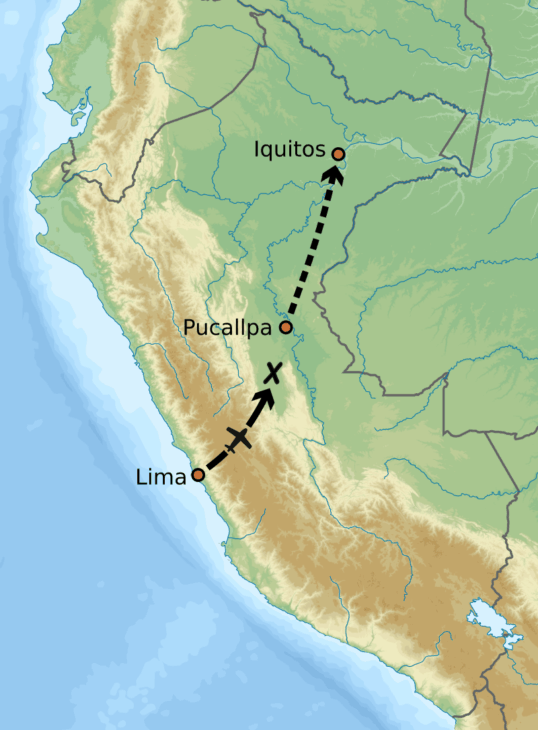
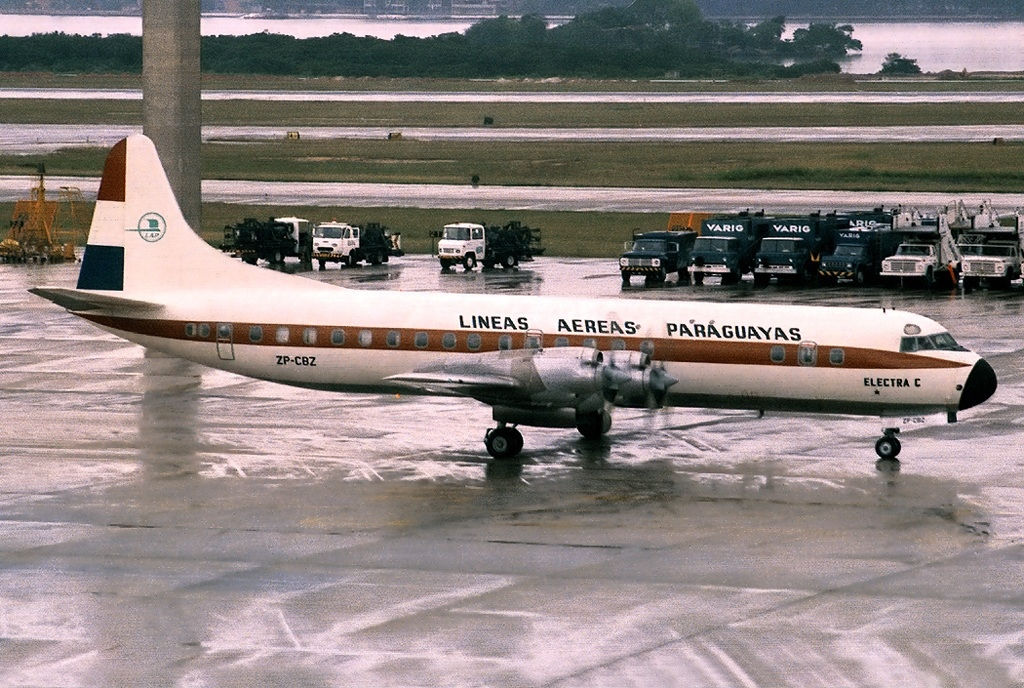
The flight 508 took off from Jorge Chávez airport in Lima, heading to Pucallpa. The Lockheed L-188A Electra encountered a severe storm shortly afterward. Despite weather warnings, the crew continued on course through the bad weather.
A lightning strike hit the right wing, causing a fire. Shortly after, the aircraft’s structure began to break apart. Juliane remembers seeing a bright light and hearing her mother’s last words: “It’s the end.”
The aircraft disintegrated in the air. Several passengers, including Juliane herself, were thrown out. She remained strapped to her seat, which fell spinning like a parachute to the ground.
Alone in the Jungle: 11 Days of Survival After the Aeronautical Accident
Juliane woke up in the middle of the jungle. With severe injuries, including a broken collarbone and a deep cut on her arm, the young woman realized she had survived the impact. Thus began a solitary journey for survival.
She was wearing only a short dress and one shoe. Without glasses and with impaired vision, she improvised the shoe to feel her way around, avoiding snakes and natural traps.
Juliane followed smaller streams hoping to find a larger river. She survived for several days eating candy found in the wreckage. During her journey, she saw vultures and found the bodies of other passengers, including three still strapped to their seats.
The constant rain, the scorching heat, and the cold nights were a challenge. Her mental resilience and the jungle knowledge learned at her parents’ biological station were essential for her to continue.
Upon finding an abandoned cabin and a boat, she treated her infected wound with gasoline, using what she remembered from veterinary treatments applied by her father.
The Miraculous Rescue and Reunion with the Father
On the 11th day, Juliane heard voices: they were loggers using the cabin. Startled by her appearance, they initially thought she was a forest spirit. But Juliane spoke Spanish and explained what had happened.
She was fed and cared for. The next day, she was transported by canoe to a village. From there, she flew to a hospital.
Her father found her the next day. The emotion of their reunion was intense. A few days later, her mother’s body was located. It was discovered that she had survived the impact but died days later because she couldn’t move.
Juliane suffered nightmares for years and faced the trauma with courage. She participated in the search for bodies, returned to Germany, and followed her parents’ career path.
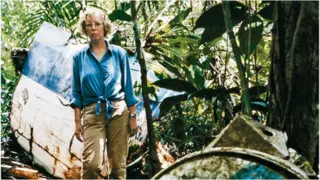
Juliane Koepcke: From Aeronautical Accident Survivor to Respected Scientist
Juliane graduated in biology, obtained her doctorate, and specialized in tropical bats. She returned to Peru to continue her parents’ scientific work.
She published her autobiography “When I Fell from the Sky” and participated in documentaries. In 1998, she returned to the site of the accident with filmmaker Werner Herzog, who almost boarded the same flight in 1971.
She was honored by the Peruvian government for her services to science. Her story continues to inspire books, films, and documentaries.
Juliane frequently flies and continues to work as a researcher and advocate for the Amazon. She says she does not blame the jungle: “It welcomed me and saved me.”
Legacy and Impact of the 1971 Aeronautical Accident
The disaster of flight 508 led to the end of LANSA, which had its license revoked 11 days later. Investigations showed crew negligence and poor aircraft maintenance.
The case led to changes in flight regulations under adverse weather conditions in Peru. It also strengthened awareness campaigns about aviation safety.
Juliane’s story became an example of resilience and human overcoming. She is now remembered not only for surviving but for turning her personal tragedy into a career dedicated to nature.
The accident is considered one of the most emblematic in aviation history, not only because of the magnitude of the tragedy but also because of the incredible story of the sole survivor.
Share This Amazing Story
Comment below about what impressed you most in Juliane Koepcke‘s journey. And be sure to share this incredible account with your friends on social media!





Seja o primeiro a reagir!