





 Portuguese
  English
  Spanish
  4 min of reading


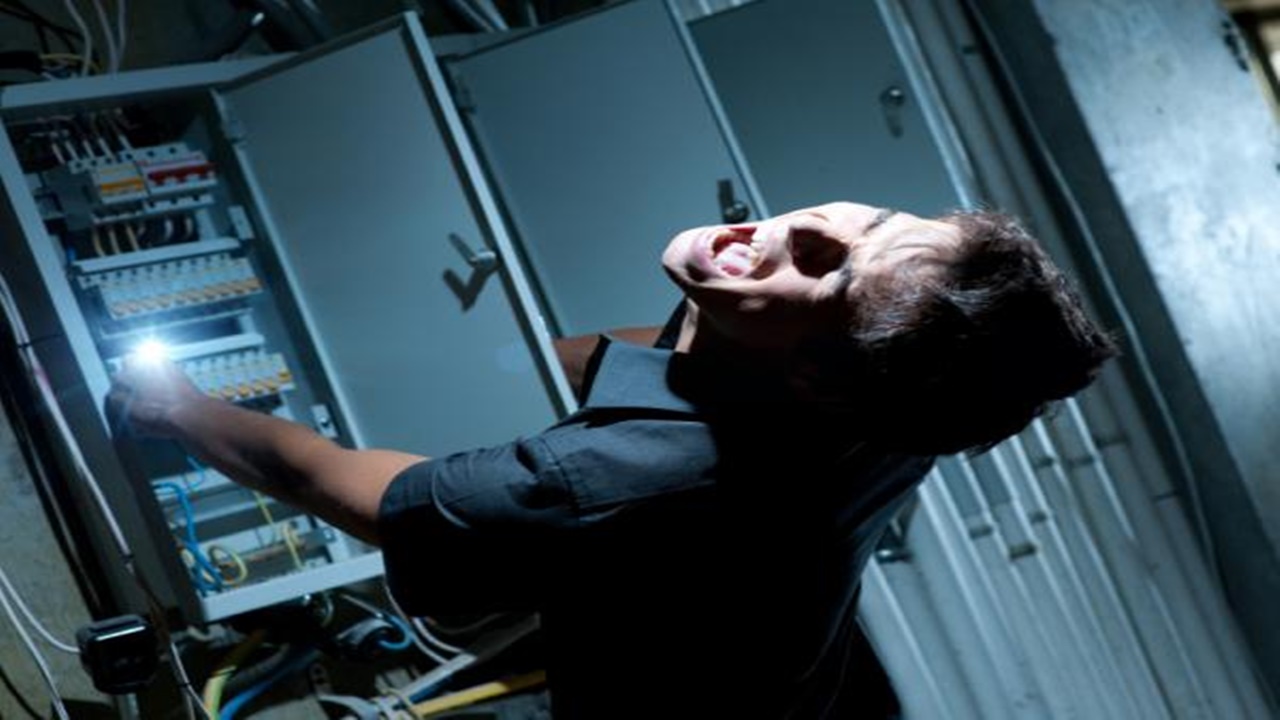
Electrical Accidents Kill 402 People in Brazil in the First Half of 2021, Higher Than Deaths from Overload Fires, Experts Point Out.
Electrical accidents, including electric shocks, overload fires, and lightning strikes, totaled 759 occurrences in the first half of 2021 – and 402 deaths – according to recent data from the Brazilian Association for the Awareness of Electricity Hazards (Abracopel). Electric shocks alone accounted for 441 incidents, resulting in the loss of 355 lives – 86 people managed to recover.
Read Also
- Technology Company Opens Thousands of Registrations for Free Programming Introduction Course
- Siemens Energy and Sports Car Manufacturer Porsche Join Forces with Other Multinationals to Build a CO2-Neutral Fuel Production Plant in Chile
- Job Openings for High School, Technical, and Higher Education Are Open Today (09/10) for Work at an Ethanol Plant
- Petrobras Approves New Gasoline and Diesel Sale Contracts This Morning (09/10) to Increase Competitiveness Among Fuel Distributors
- New Technology That Reduces Fuel and Tire Costs Promises to Be the Solution to Increase Company Profits
The data reveal an increasing trend compared to 2020, when there were 741 accidents and 398 deaths, but it is still lower than in 2019, for example, with 826 occurrences and 434 reported fatalities. To make things worse, there is a concerning piece of information: deaths from electric shocks were higher than deaths from overload fires.
Most Electric Shock Accidents Occurred in Residences
According to the Abracopel survey, most electric shock accidents occurred in residences, where, theoretically, people feel the safest. The survey indicated there were 133 accidents and 116 deaths at home. In 2020, there were 127 in total; and in 2019, 138.
-
More than 1,500 Chinese workers transformed an entire railway station in just one night and reduced a 7-hour journey to 90 minutes with a high-speed line of 200 km/h.

-
An Asian country has just divided its high-speed train megaproject into 17 independent works to accelerate the construction of the railway that will run through the entire country from north to south.

-
Couple builds earth house using hyperadobe technique and green roof without tarpaulin: the project uses gelmembrane, adobe partitions, and plaster with cactus slime, and the kitchen is already ready with a move planned in two months.

-
Switzerland has hidden more than 1,400 tunnels beneath the Alps to take trucks out of the mountains, and the result has already prevented hundreds of thousands of tons of CO2 without passengers noticing the difference.

Given that the first half of 2021 saw the easing of social distancing and that vaccination is progressing rapidly, people are spending more time outside their homes. “Last year, as many companies adopted remote work, citizens could take a closer look at household problems, observing risky situations and making necessary repairs,” explains Abracopel Executive Director and Engineer Edson Marinho.
In his view, that is why accidents have not increased. “But now they are coming back,” says Marinho, who warns: attention must be paid to trivial details, such as outlets, loose wires, extensions, and others.
Another issue is the electrical installations in older homes, which only have fuses or circuit breakers for protection, as explained by Fábio Amaral, electrical engineer and director of Engerey, a Curitiba-based company specialized in the assembly of electrical panels serving all of Brazil.
“Currently, to interrupt the danger of electric shocks, there are devices such as the Residual Current Device, also known as RCD, capable of preventing energy leaks in an electrical circuit, which can happen due to electric shocks, exposed wires, poorly insulated conductors, or contact with enclosures. Detecting anomalies in the electrical network, the device immediately disconnects the circuit, preventing the worsening of electric shocks,” assures Amaral.
Children and the Elderly
Everyone knows that outlets are synonymous with danger for children. However, Abracopel’s study reveals an interesting piece of information: the elderly are also the primary victims of domestic accidents involving electricity. “Therefore, inside homes, the recommendation is that attention be redoubled, especially with young children and the elderly. The state of the electrical installations in homes should be a priority in people’s lives: most houses built over 20 years ago do not possess the capacity to ‘withstand’ the number of devices we have,” notes Amaral.
The use of RCDs has been mandatory since 1997, according to item 5.1.3.2.2 of the Brazilian Standard (NBR) 5410, in the following circuits: serving points of use located in areas containing showers or bathtubs; feeding outlets located in external areas of the building and in internal environments, which may serve equipment in outdoor areas; and serving points of use located in kitchens, dining rooms, laundries, service areas, garages, and other internal divisions that are typically damp or subject to constant cleaning.
Check Out the Tips for Procedures and Attitudes from Engerey Electrical Panels, Which Can Minimize the Risks of Involvement in Electrical Accidents:
- Have an RCD in the electrical panel. This equipment shuts down the electrical network when a current leakage is detected, preventing shocks;
- In the professional area, use certified equipment according to ABNT standards, such as NBR 16384/2020;
- In case of maintenance, hire the service of an experienced and qualified professional in the field;
- Avoid makeshift solutions;
- Never leave electrical equipment near water;
- Keep the energy panel always organized;
- Avoid using a cellphone while it is charging.
Get to know the company better.









Seja o primeiro a reagir!