





 Portuguese
  English
  Spanish
  3 min of reading
  0 comments



Brazil and Argentina Seal Historic Automotive Agreement: End of Tariffs for Buses, Vans, and Light Trucks, Mandating Automakers to Reinvest 2% in Innovation in Brazil
A historic decision promises to shake up the automotive industry in South America. The Brazilian government officially enacted, by decree, the expansion of the automotive agreement with Argentina in June 2025.
The measure eliminates tariffs on light commercial vehicles and strategic parts, but imposes a bold condition: automakers must reinvest a portion of the imported value in Brazil.
We are witnessing a movement that could redefine the balance of power in the regional automotive sector.
-
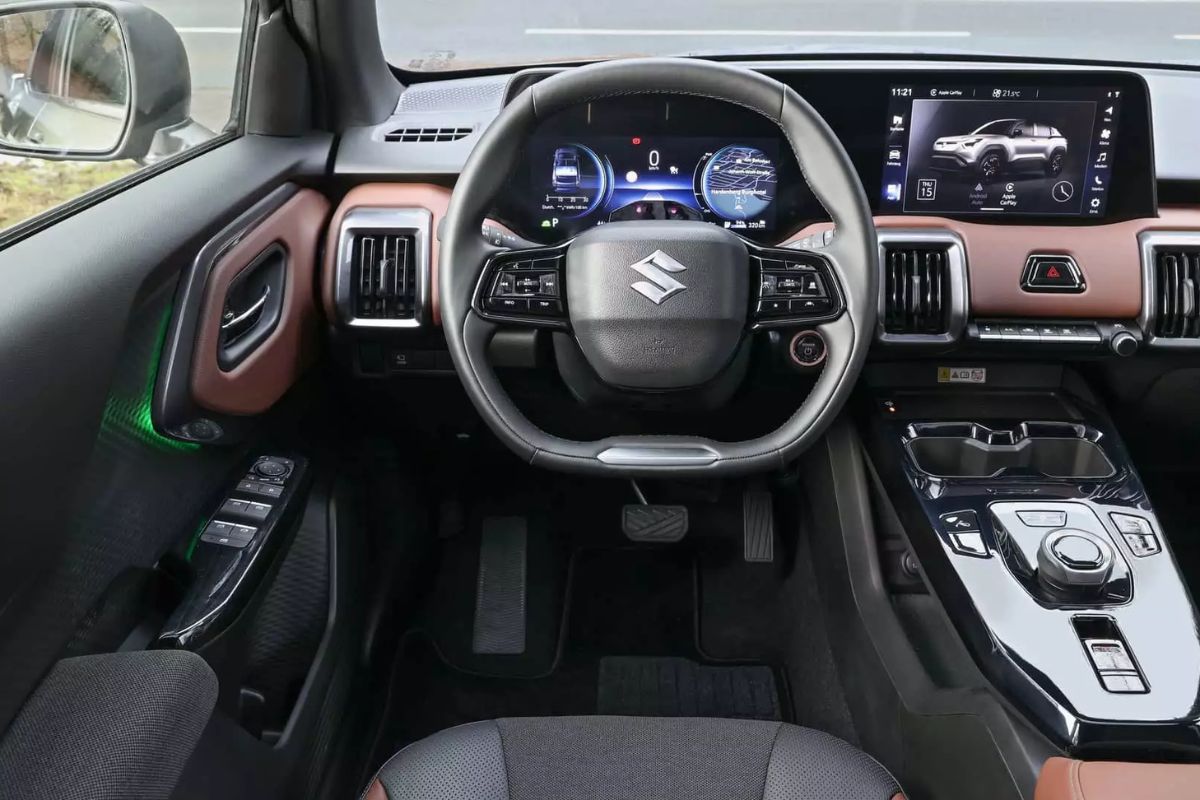
The 2026 electric Vitara arrives in Brazil and proves that Suzuki is not leaving: 4×4 traction, 184 hp, 61 kWh LFP battery, 293 km range, R$ 259,000, and a trunk capacity of 224 L.
-
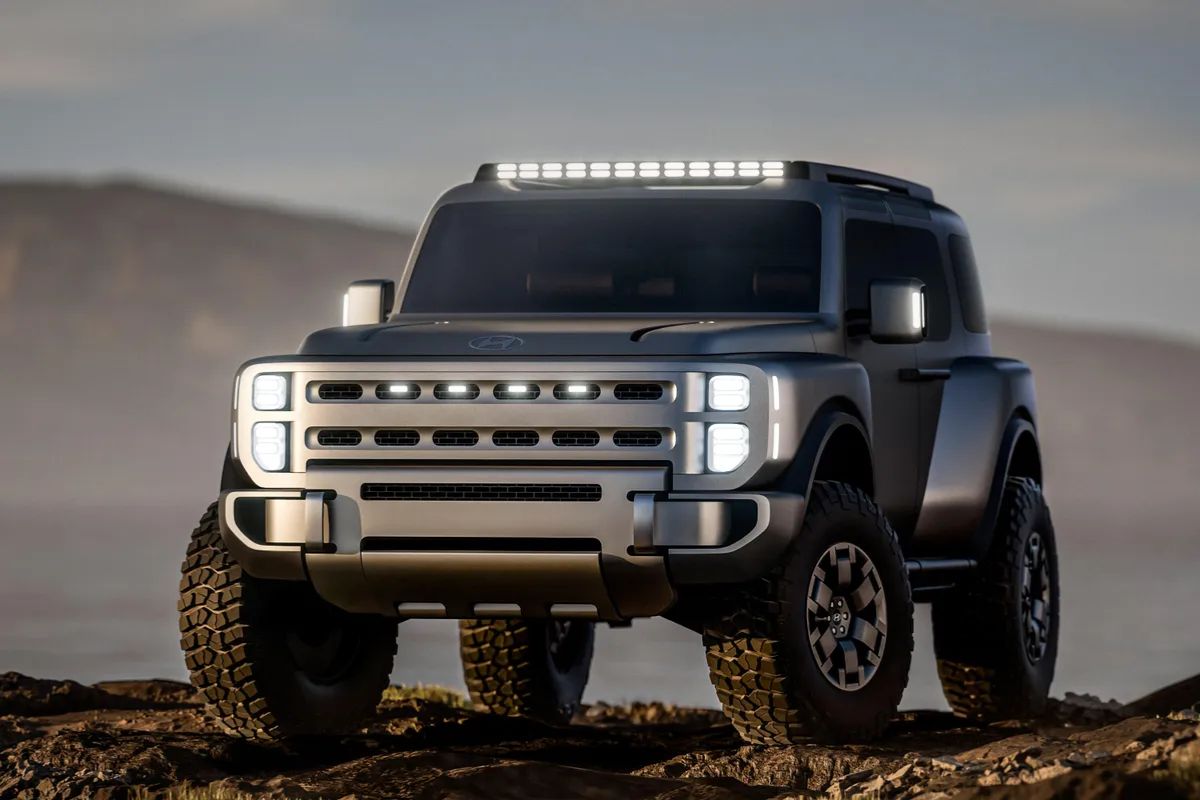
Hyundai has unveiled the Boulder, a square SUV with a body-on-frame design, 37-inch mud tires, and carriage-style doors that seems to be made to take on the Ford Bronco and the Scout Traveller in the United States.
-
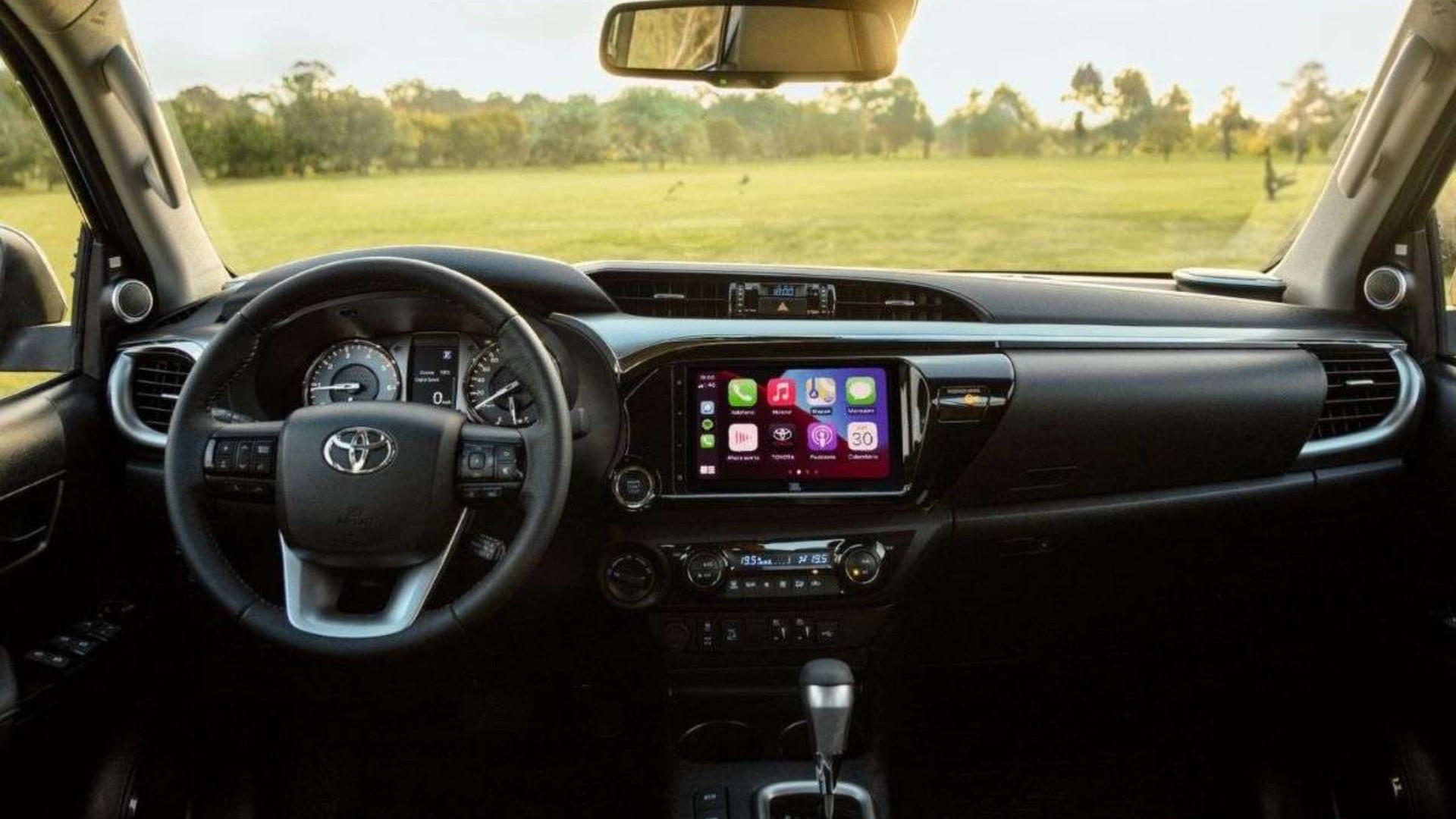
The Toyota Hilux is R$ 75.5 thousand cheaper and bets on the 2.8 turbodiesel engine with up to 204 hp and 50.9 kgfm to catch up with the VW Saveiro, which leads with 4,472 sales.
-
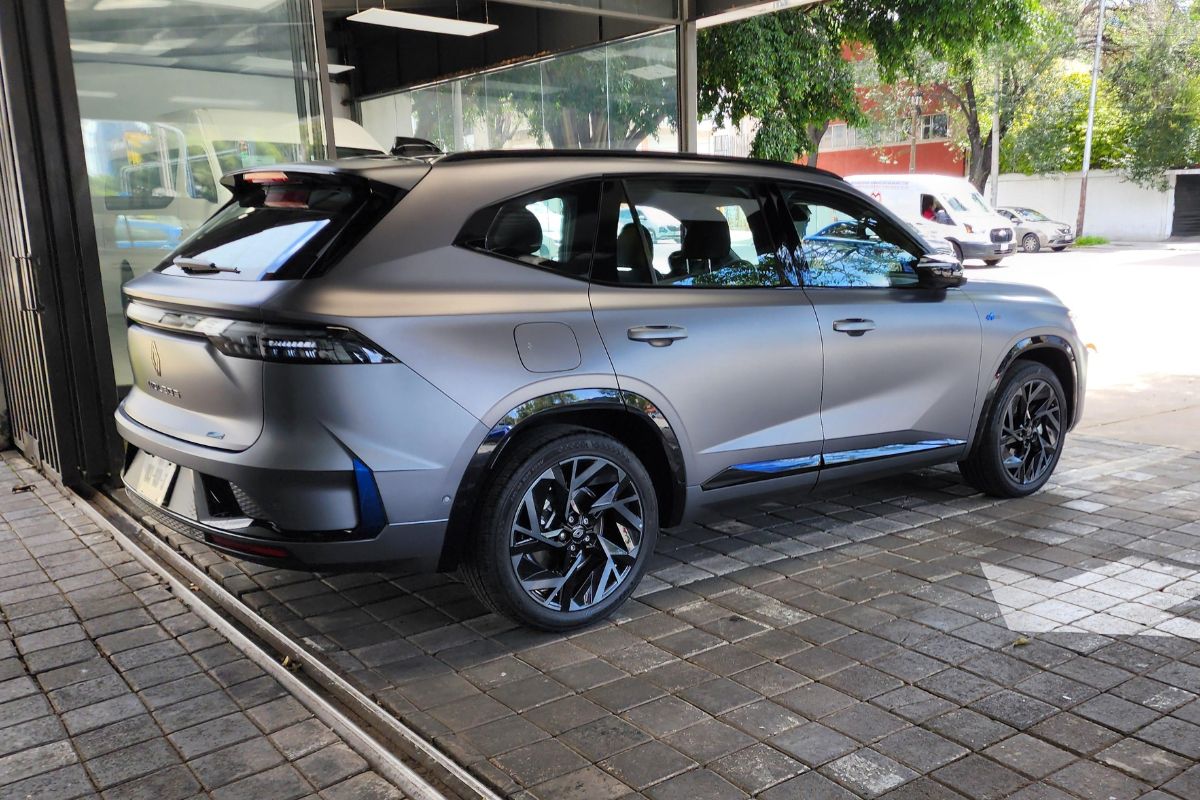
The new Renault Koleos has a screen exclusively for the passenger that is invisible to the driver, heated rear seats, and 29 assistance systems, but its Chinese competitors cost R$ 40,000 less and deliver more power.

The Revolution of Buses, Vans, and Light Trucks
The agreement stipulates that buses, vans, and trucks up to 5 tons can circulate between Brazil and Argentina without the burden of old customs barriers.
Until now, dependency on tariffs raised logistical costs and limited competitiveness.
Now, the market opens up in full force, creating a binational automotive corridor capable of generating billion-dollar exports.
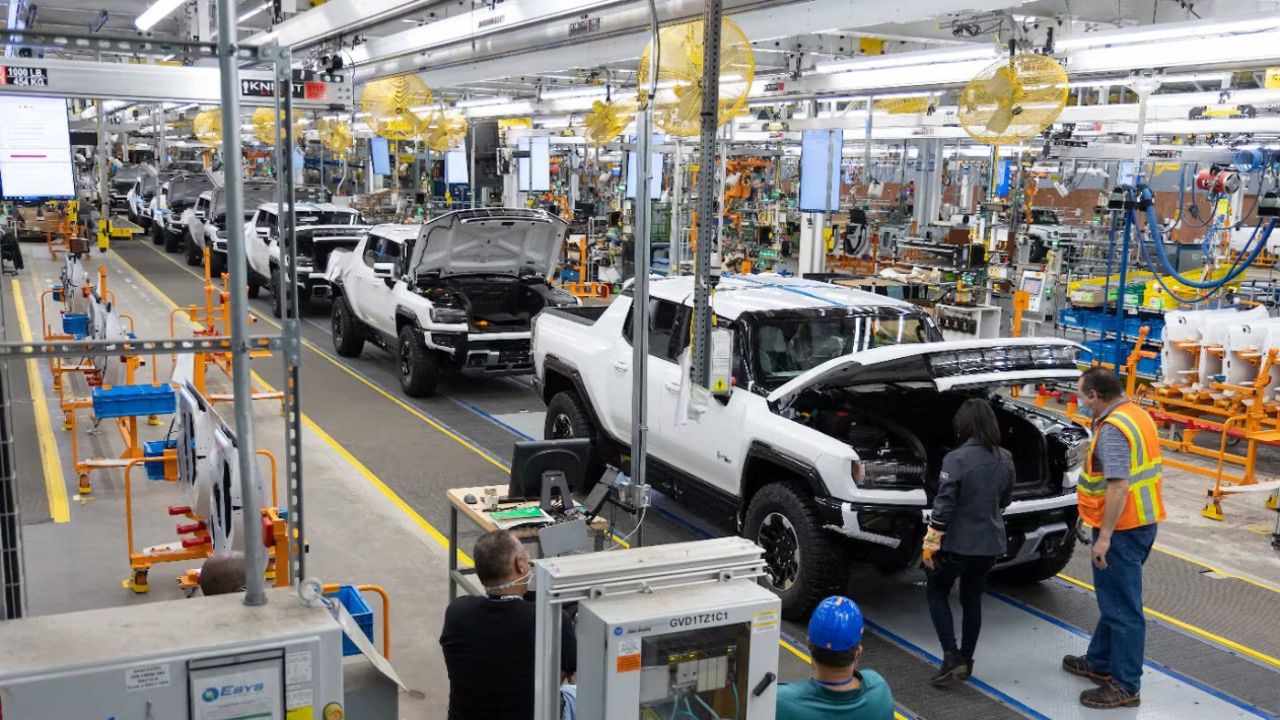
More than just freeing up trade, the measure accelerates the integration of production chains.
The elimination of tariffs on automotive parts not produced domestically means manufacturers will have access to cheaper and more modern inputs, strengthening both the Argentine manufacturing park and Brazilian assembly lines.
The Golden Clause: Reinvest in Brazil
But this is not a gift without a catch. Companies benefiting from the agreement will have to reinvest 2% of the total value of imports in research and development (R&D) on Brazilian soil.
This requirement transforms the country into a mandatory laboratory for automotive innovation.
The impact of this is enormous: multinationals based in Brazil will have to expand their innovation centers, universities and startups will gain new partnerships, and the national industry will get closer to the latest in hybrid, electric, and alternative fuel engines.
In other words, every truck or bus crossing the border will bring not only goods but also direct investments in the technological modernization of Brazil.
A Battle for Regional Leadership
The agreement is not just economic; it is also geopolitical. Argentina, mired in economic crisis, finds in Brazil the vital partner to keep its automotive industry alive.
On the other hand, Brazil enhances its regional prominence, showing that it can still set rules in the industrial sector even amid global turbulence.
Analysts point out that the pact strengthens the Mercosur bloc amid external pressures from the United States, China, and the European Union.
By consolidating an integrated regional automotive market, Brazil and Argentina send a clear message: South America can compete on equal footing with global giants.
The Future: More Jobs, More Technology, More Power
Projections are bold: it is estimated that the agreement will generate over R$ 20 billion in the coming years, creating thousands of direct and indirect jobs in factories, logistics centers, and technology hubs.
For consumers, the effects may be twofold: on one hand, the arrival of more affordable models from Argentina; on the other hand, the expectation of more modern national vehicles, thanks to the cycle of reinvestments in innovation.
The fact is that the Brazilian automotive sector has just entered a new phase. Agreements like this are not merely trade treaties but landmarks that define the course of entire nations.
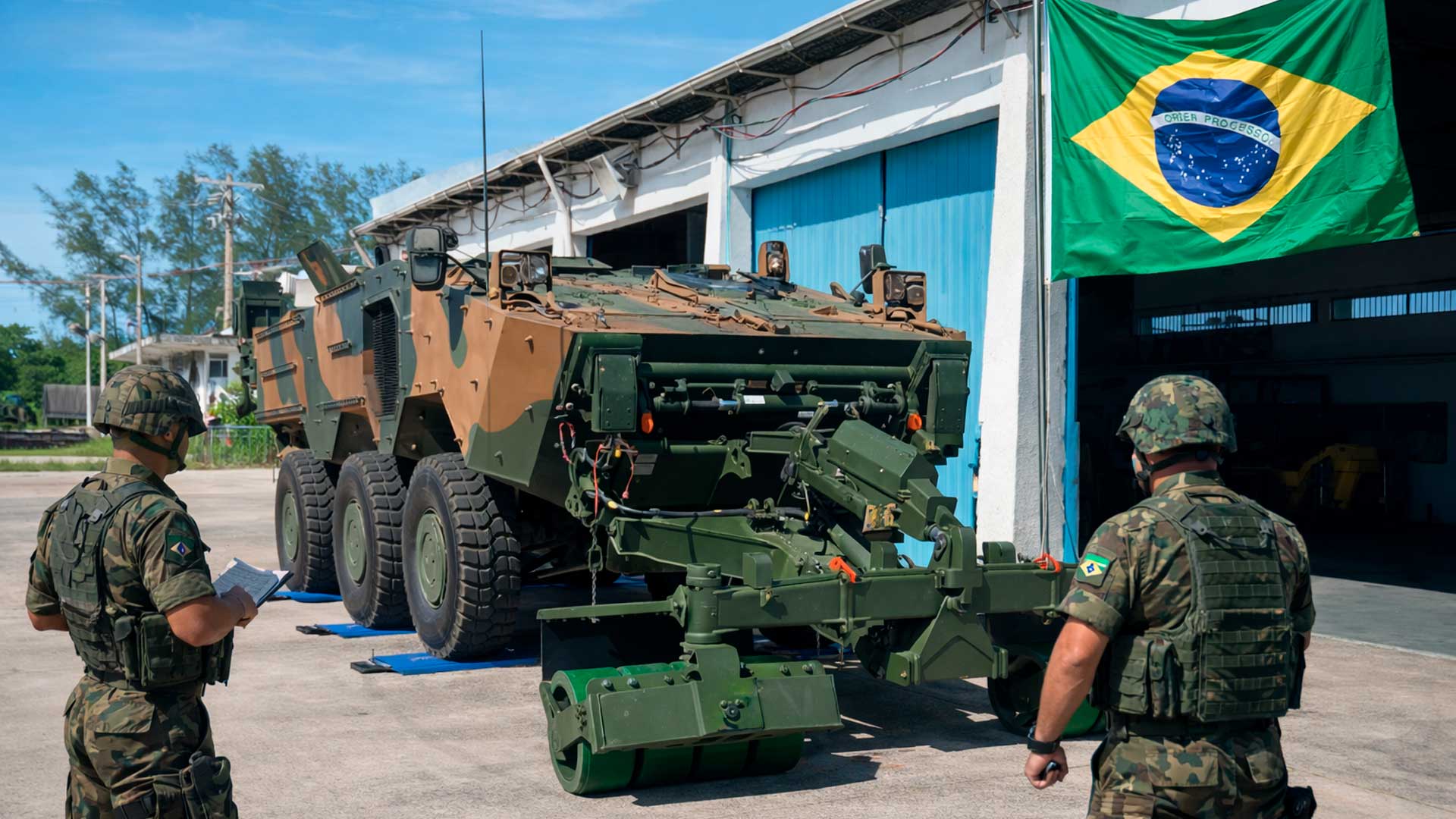
And this time, Brazil positions itself as the undisputed leader in the automotive race in Latin America.









-

-

-

4 pessoas reagiram a isso.