





 Portuguese
  English
  Spanish
  2 min of reading
  0 comments


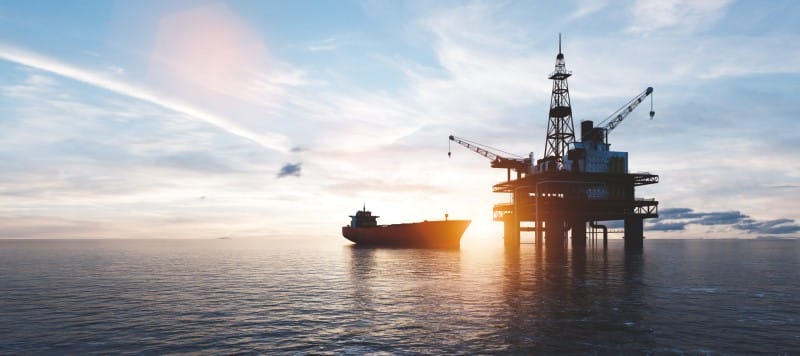
The U.S. Offshore Region Is Strategically Positioned to Provide Energy and Reduce Emissions, with Goals Established for Energy Transition and Carbon Sequestration.
The President of the National Ocean Industries Association (NOIA), Erik Milito, issued a statement on the non-binding pact signed at the conclusion of the two-week COP28 climate summit in Dubai: NOIA President Erik Milito ‘The goals set by COP28 underscore the critical role of the U.S. offshore industry in achieving the objectives of mitigating climate change while improving global living conditions. ‘As global energy demand continues to rise, the reality is the need for all energy sources to remain in the foreseeable future to effectively meet the energy security needs of a growing global society. The U.S. offshore region is uniquely positioned to provide the energy sources on which Americans depend for a high quality of life while also providing a roadmap to address emissions.
Furthermore, the rapid expansion of the U.S. offshore sector and advancements in offshore carbon sequestration provide powerful tools to address global emissions. While the strategic benefits of U.S. offshore wind energy are widely recognized, the Gulf of Mexico presents substantial potential for offshore carbon sequestration. ‘As recognized by global authorities, the widespread adoption of carbon capture and storage is a key tool to achieve global ambitions regarding climate change.
Offshore Industry: Established Goals and Energy Security
The offshore industry, also known as the offshore sector, offshore segment, or offshore branch, has established goals to ensure energy security and reduce the carbon emissions intensity. The production of oil and gas plays a crucial role in this context but also encompasses technologies such as carbon sequestration and carbon storage, as well as the development of energy infrastructures to enable the energy transition.
-
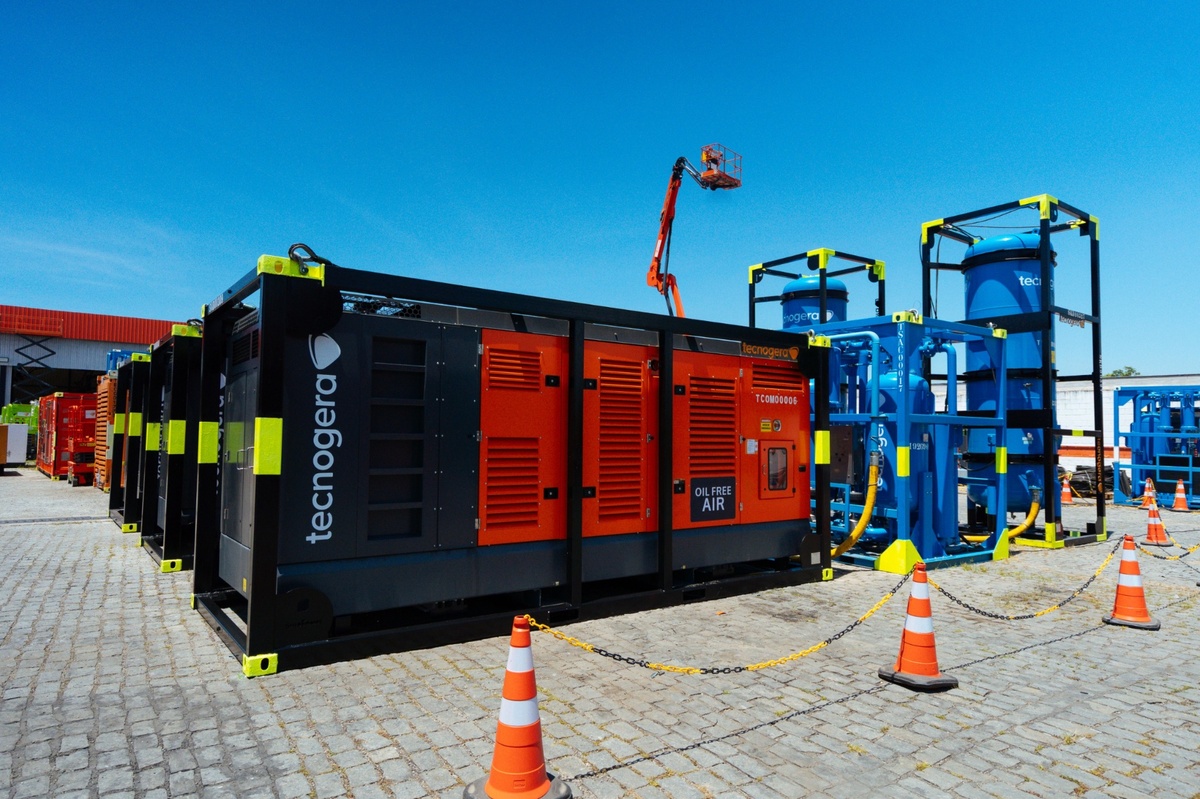
Offshore industrial demand in Macaé skyrockets with the recovery of oil and gas and could grow by up to 396% by 2026 in the Campos Basin.
-
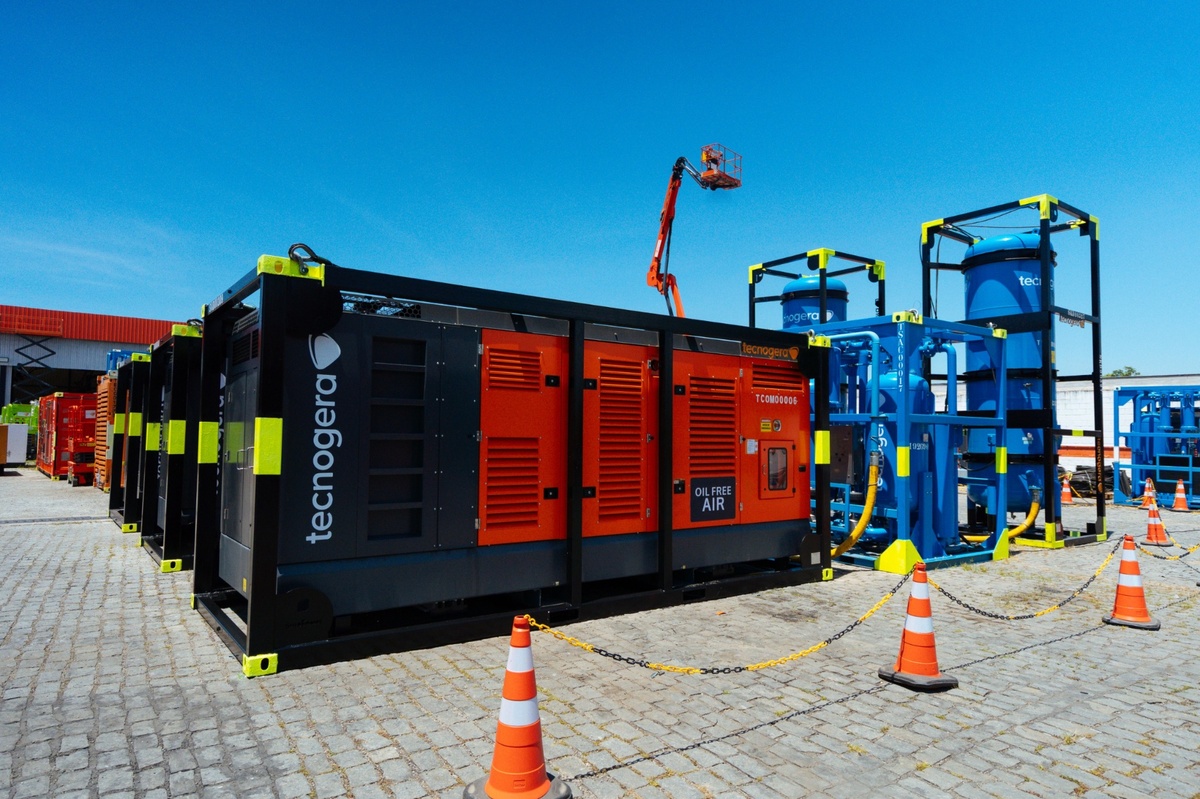
Offshore industrial demand in Macaé surges with the recovery of oil and gas and could grow by up to 396% by 2026 in the Campos Basin.
-
Brazilian giant expands borders in the Southeast: Petrobras confirms new oil discovery in ultra-deep waters in the pre-salt of the Campos Basin.

-
Alert in the global energy market: Severe tropical cyclone hits the coast and disrupts gas production at major plants in Australia, threatening global supply.


Challenges and Opportunities in the Offshore Industry
The offshore industry faces significant challenges, including the need to reduce emissions and adopt more sustainable practices. However, these challenges also represent opportunities for innovation and growth, driving the search for more efficient and environmentally responsible solutions.
Outlook for the Offshore Industry
As energy demand continues to grow, the offshore industry will play an important role in promoting global energy security. With advancing technologies and a commitment to sustainable practices, the industry is well-positioned to meet future energy needs responsibly.
Source: World Oil







Seja o primeiro a reagir!