Portuguese
  Spanish




Non-OPEC Supply Will Grow 700K BPD Per Year Until 2030, Contradicting Forecasts Due to Growth in the U.S., Guyana, and Brazil, According to Analyst Bob McNally.
According to the Rapidan Energy Group, the need for careful control of oil supply by OPEC+ will extend for another five years to avoid a collapse in oil prices. Global oil demand will peak for at least another decade, but supply from outside OPEC is growing faster than expected, especially from the U.S. Therefore, unified and vigilant management of OPEC+ supply will be essential to avoid a decline in oil prices in the coming years, according to Rapidan’s report, founded by Bob McNally. Oil prices are currently around $75 per barrel, but increasing supply and unstable global economic conditions are contributing to price pressures.
The pressure for effective management of OPEC+ supply in the coming years stems from increased rival supply from countries like the U.S., Guyana, and Brazil. OPEC+ has about 5% of global oil supply in unused production capacity, and careful management of this return will be crucial in the coming years. According to Rapidan’s report, effective management of OPEC+ supply over the next five years will be key to keeping oil prices in the $80 to $100 range despite challenging market conditions. Preparedness for tighter conditions at the end of this decade will be essential for the future success of OPEC+ and allied countries in maintaining stability in oil markets.
OPEC+ and Unified Management of Oil Markets
The Organization of the Petroleum Exporting Countries (OPEC) and allied countries have demonstrated unified and vigilant management of oil markets, seeking an effective and balanced supply. Amid pressures from Washington and the White House, the group led by Bob McNally, analysts believe that OPEC+ has been successful in its strategies.
-
It’s official: Petrobras takes 75% of block 3 in São Tomé and Príncipe and debuts as an offshore operator outside South America.

-
With a record production of nearly 3 million barrels per day, Petrobras resumes importing diesel in July, highlighting the bottleneck in Brazilian refining.
-
Qantas and Airbus Invest in Company Aiming to Convert Unsorted Household Trash into Jet Fuel

-
Brazil’s ANP Opens 86 New Oil Blocks in the Equatorial Margin, Expanding the Amazon River Mouth Frontier


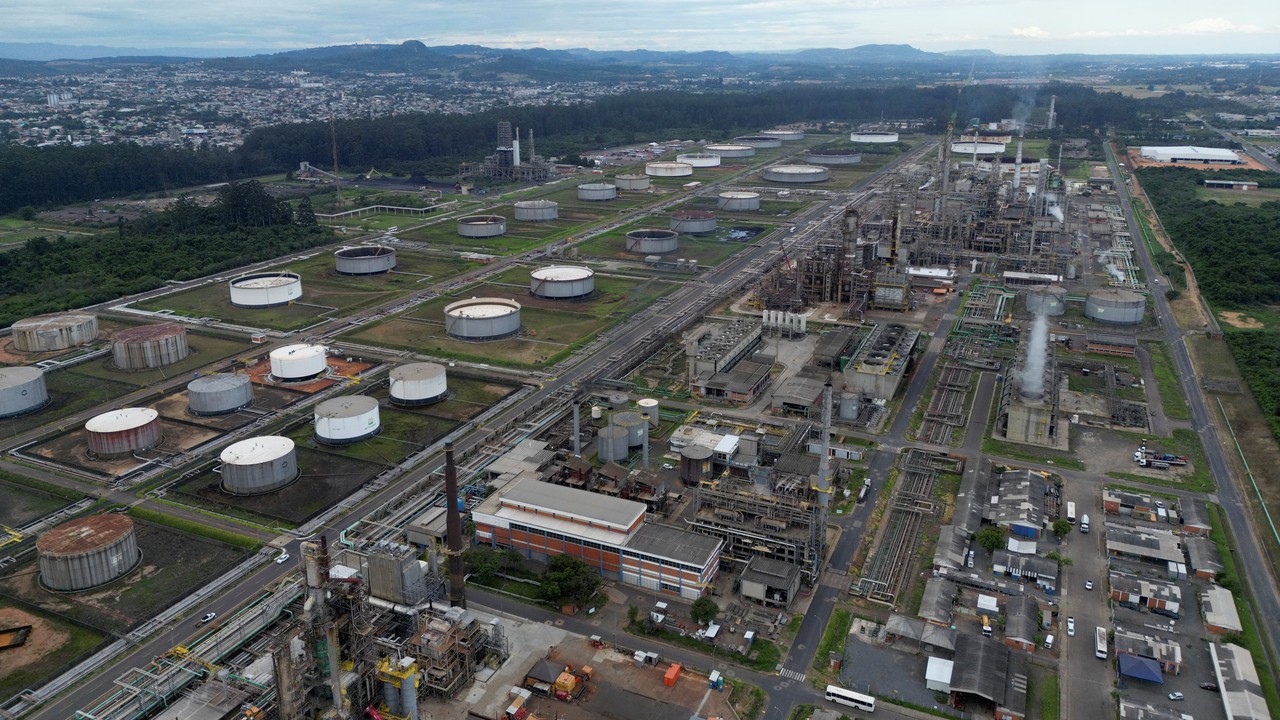


Unified and Vigilant Management of OPEC+ to Maintain Effective Supply
The Organization of the Petroleum Exporting Countries (OPEC) and its allied countries have shown unified and vigilant management of oil markets, maintaining an effective and balanced supply. Under pressures from Washington and the White House, Bob McNally and other analysts believe that OPEC+ is achieving success with its strategies.
OPEC+ and Vigilance in Oil Market Management
The unified and vigilant management of the Organization of the Petroleum Exporting Countries (OPEC) and its allied countries has been crucial in maintaining an effective and balanced supply in oil markets. Even in the face of pressures from Washington and the White House, Bob McNally and analysts agree that OPEC+ has shown vigilance in its strategies.
The Role of OPEC+ in Unified Oil Market Management
OPEC+ and its allied countries have played a fundamental role in the unified and vigilant management of oil markets, maintaining an effective and balanced supply. Even when faced with pressures from Washington and the White House, Bob McNally and analysts assert that OPEC+ has achieved success in its strategies.
The Challenges of OPEC+ in Unified Oil Market Management
In light of the challenges faced, OPEC+ and its allied countries have worked diligently in the unified and vigilant management of oil markets, maintaining an effective and balanced supply. Despite pressures from Washington and the White House, analysts like Bob McNally believe that OPEC+ is successfully achieving success in its strategies.
Source: World Oil