





 Portuguese
  English
  Spanish
  3 min of reading
  0 comments



Discover How the New Agreement Opens Markets, Cuts Tariffs, and Protects the Brazilian Industry. See the 10 Points That Are Already in Effect.
Brazil took a strategic step on Tuesday (16) by signing a free trade agreement with the EFTA (European Free Trade Association).
What is at stake? The opening of high purchasing power markets, new trade rules and more space for Brazilian industry and agribusiness.
The partnership involves Switzerland, Norway, Iceland, and Liechtenstein, countries that together have a population of 14.3 million and are among the highest per capita GDPs in the world.
-
Lack of workers and an aging population: Japan bets on AI robots in factories, logistics, and infrastructure to keep the economy and essential services active.

-
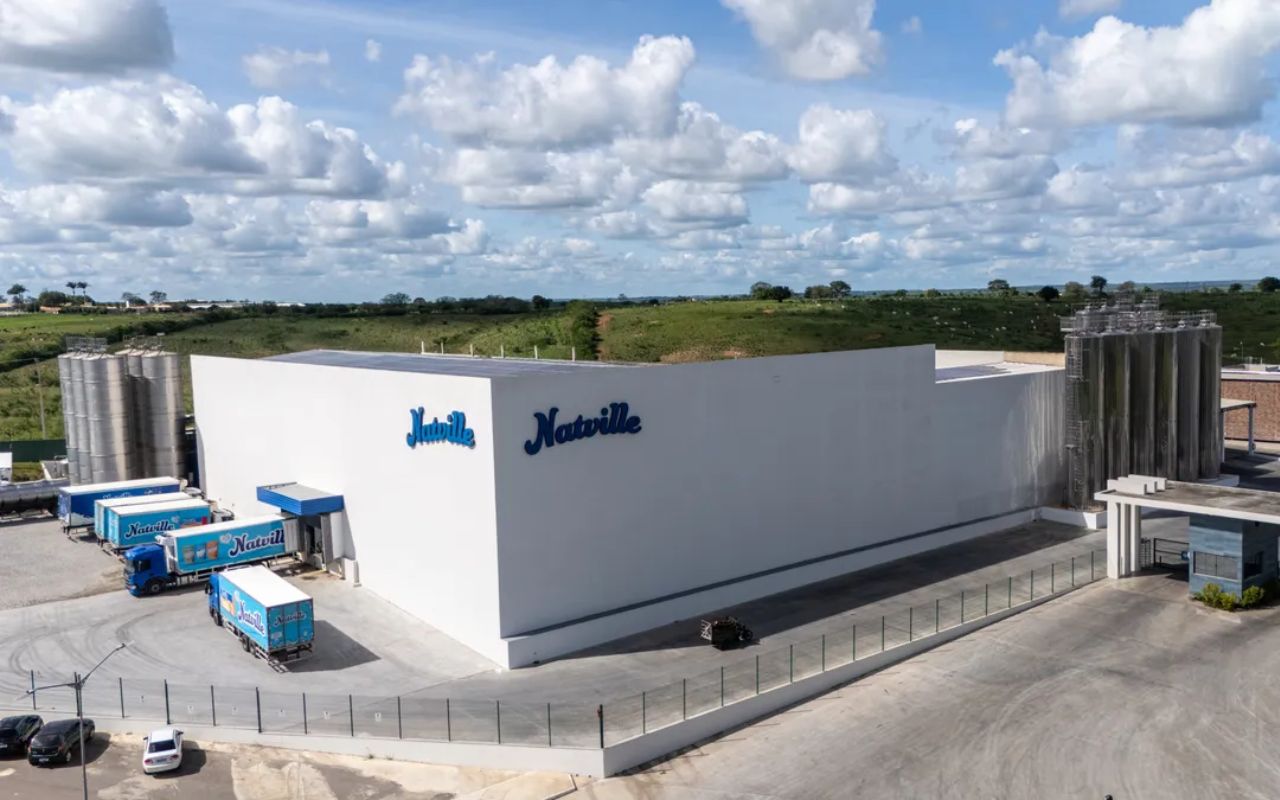
Natville puts R$ 700 million on the table for new factories in the Northeast, generating jobs and boosting the local economy.
-
With 74% of companies facing difficulties in hiring, technicians and engineers in renewable energy are becoming scarce in Brazil and are essential to support the expansion of solar, wind, and green hydrogen projects.

-
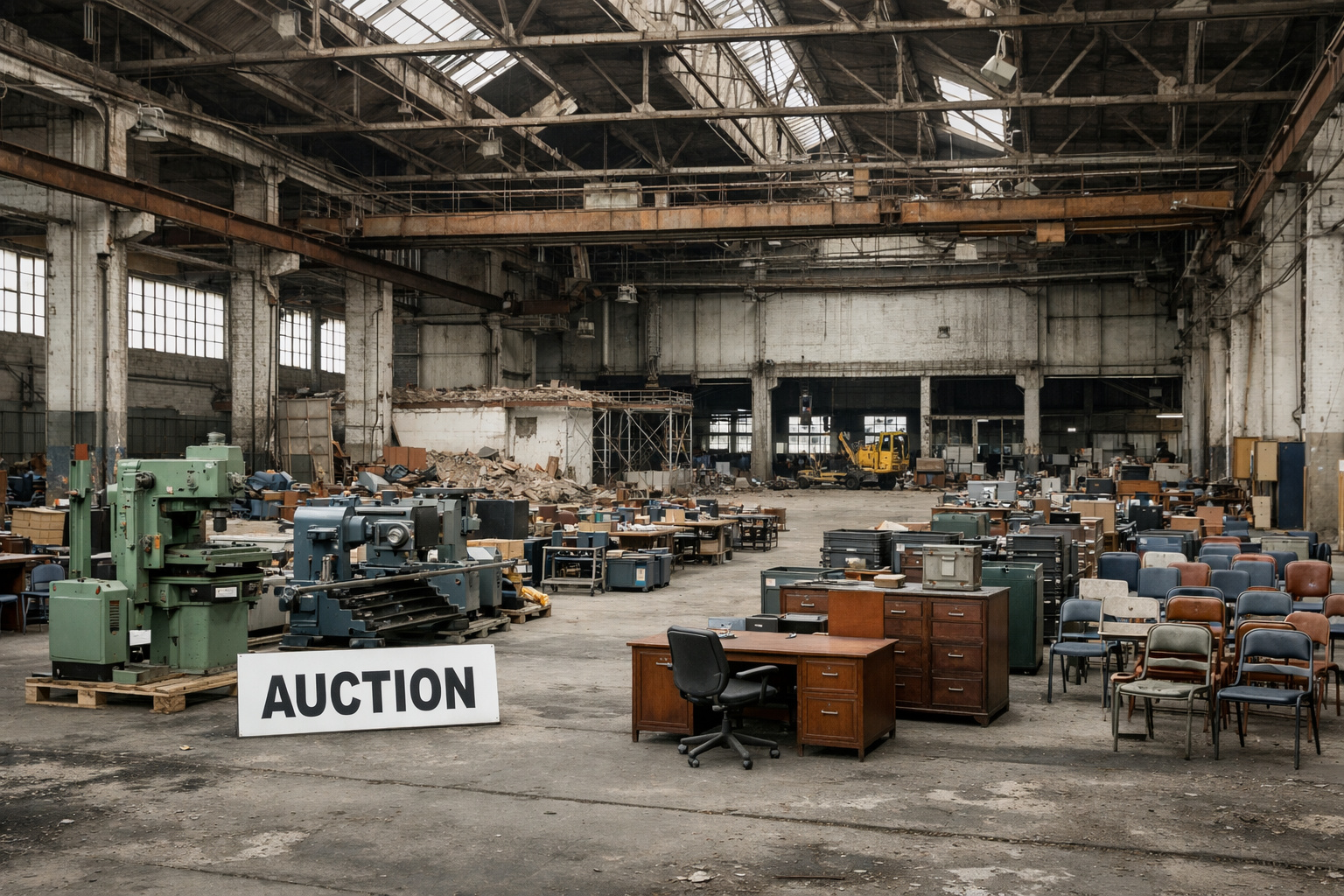
Historic bankruptcy of Centauro shocks the market, and the century-old company puts more than 500,000 products, machines, and complete infrastructure up for online auction.
Thus, Mercosur is getting closer to consumers with significant purchasing power and strengthening economic relations in an increasingly competitive landscape.
Moreover, the numbers confirm the relevance of the European bloc for Brazil. Between 2015 and 2024, trade flows with the EFTA grew by 36.7%.
Foreign direct investments from these countries in Brazil reached US$ 46.2 billion in 2023, while Brazilian investments in the region hit US$ 11.7 billion.
The Agreement and the Immediate Benefits for the Industry
One of the central points of the agreement is the total reduction of import tariffs for Brazilian industrial products.
This measure enhances the competitiveness of the national industry within the EFTA and strengthens Brazil’s positioning in strategic markets.
Tariff Quotas for Agribusiness Starting from the Agreement
Agribusiness also gains prominence. Meat, roasted coffee, and soybean meal will now have specific quotas.
For beef, for example, the EFTA granted 3,665 tons of preferential access.
More Flexible Rules of Origin
The agreement brings innovation by allowing two forms of proof of origin: certification by an authorized entity or self-certification by the exporter.
This change reduces bureaucracy, cuts costs, and facilitates direct trade.
Extra Protection for the National Industry
Although it opens the market, the pact also protects Brazilian sectors.
If foreign products harm local production, the government may apply temporary safeguards. This provides more time for the industry to adapt.
Reduction of Technical Barriers
Another significant advancement is the harmonization of technical rules. Electronic products, for instance, will no longer need to undergo duplicate certifications, making exports more agile and less costly.
Faster Sanitary Rules for Agribusiness
The pre-listing system creates agility in the export of food and agribusiness products.
The exporting country only sends a list of eligible companies without the need for lengthy prior inspections.
Sustainable Service Trade
For the first time, Brazil included a green clause in its agreements.
Foreign companies offering digital services to the country must prove that at least 67% of their energy comes from renewable sources. Norway and Iceland require the same from Brazil.
Protection of Intellectual Property
Brazilian geographical indications gain reinforcement.
Products like Canastra cheese and Cerrado coffee will now be protected, strengthening Brazil’s image abroad.
New Opportunities in Government Procurement
Brazilian companies can now participate in public tenders in EFTA countries.
However, Brazil maintained space for industrial policies, such as local content requirements and technology transfer.
Agreement and the Commitment to Sustainable Development
Finally, the agreement is not limited to economic issues. It reaffirms international environmental commitments and, furthermore, promotes ongoing cooperation among the countries.
As a result, social and environmental aspects are effectively integrated into trade relations.







Seja o primeiro a reagir!