





 Portuguese
  English
  Spanish
  5 min of reading
  0 comments


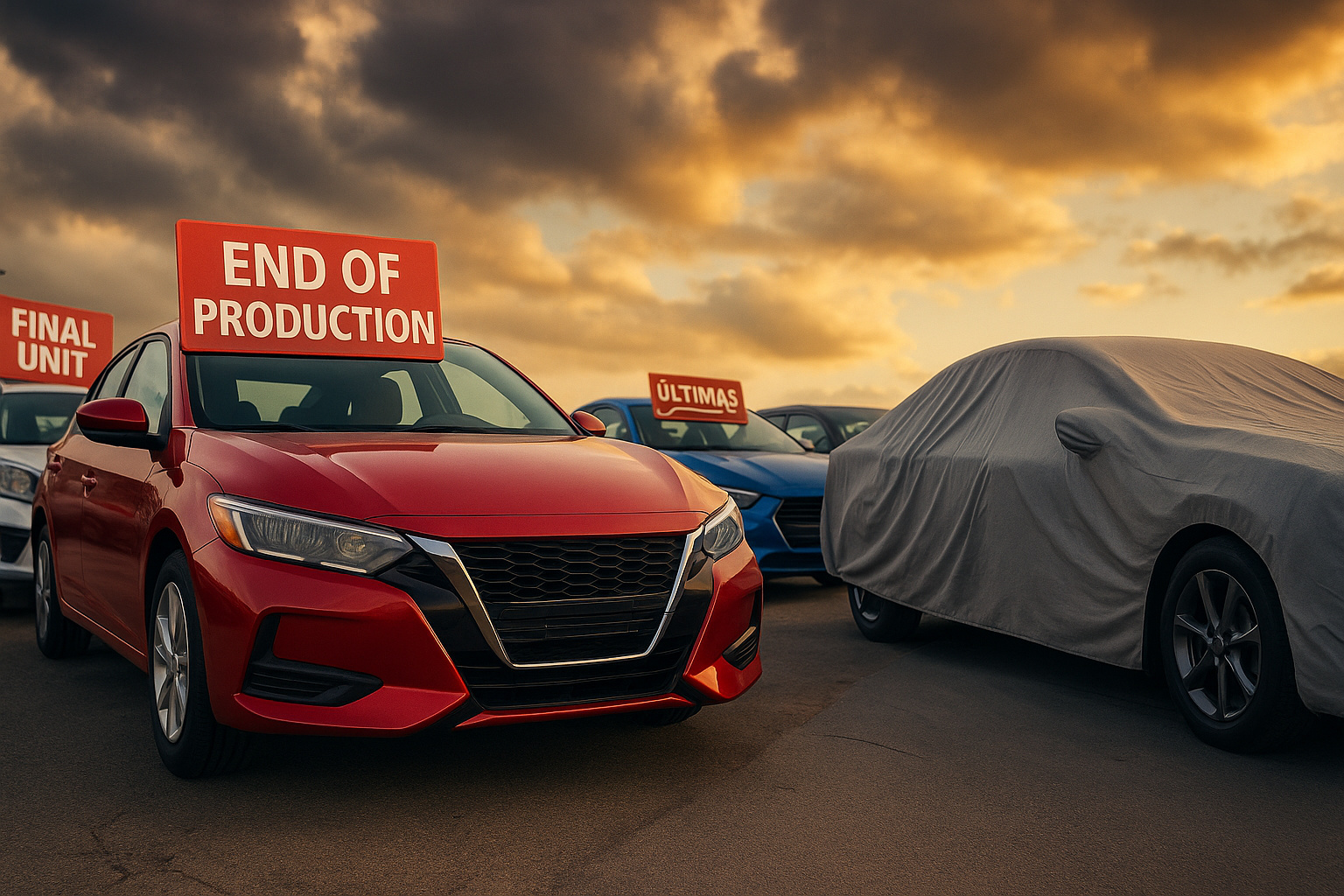
Discover Which Cars Will Be Discontinued in 2026. Check the Complete List of Discontinued Models and Understand the Impact for Those Looking for Cars That Are Being Phased Out in the Used Car Market
The global automotive market is undergoing an unprecedented transformation. By 2026, more than 30 car models are officially set to be phased out, a change that impacts the structure of many manufacturers and consumer planning. Among these vehicles are icons such as the Porsche 718, Nissan Versa, and BMW 8 Series.
The reasons for this discontinuation include declining sales, the advance of electrification, and the pursuit of greater sustainability. This article details the main discontinued models, the reasons behind this movement, and what it means for those eyeing the automotive market.
Discontinued Cars in 2026: Main Confirmed Models
Several traditional models will be phased out in the coming years. This list includes vehicles from different categories, ranging from compact cars to high-performance sports cars. Below are some of the cars being discontinued that already have a confirmed date:
-
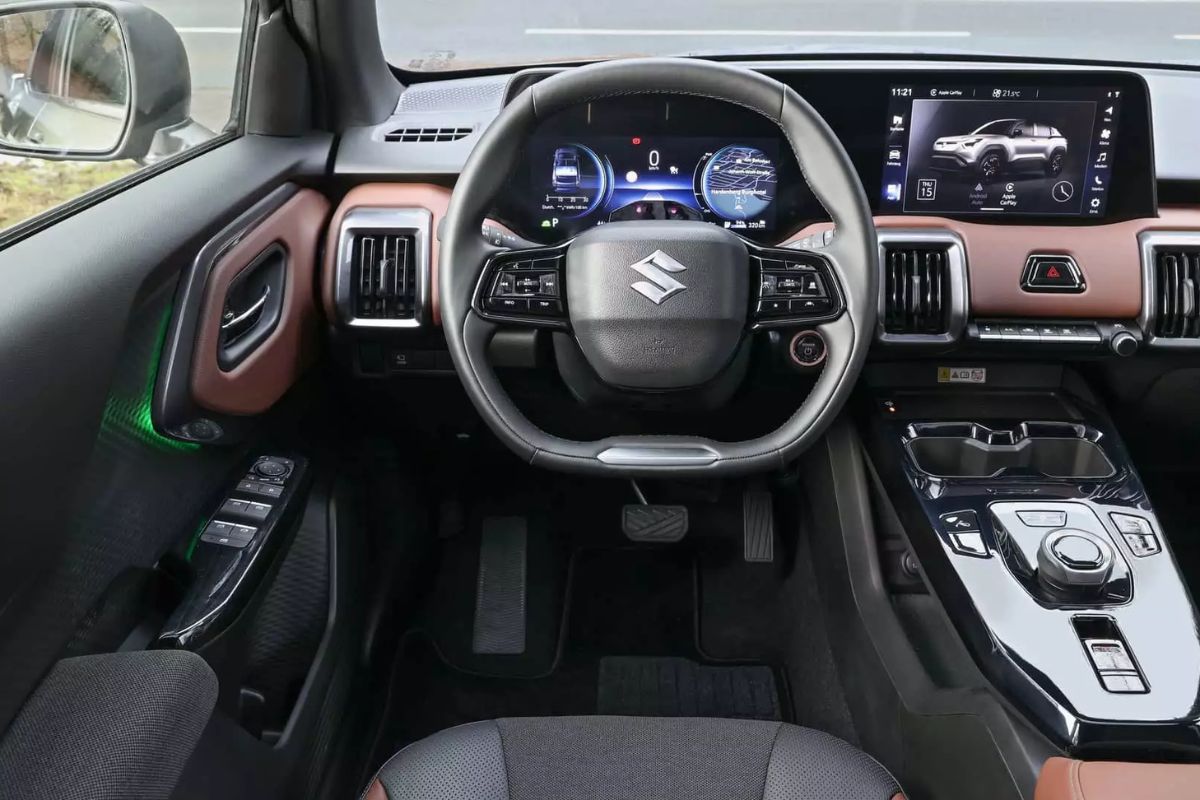
The 2026 electric Vitara arrives in Brazil and proves that Suzuki is not leaving: 4×4 traction, 184 hp, 61 kWh LFP battery, 293 km range, R$ 259,000, and a trunk capacity of 224 L.
-
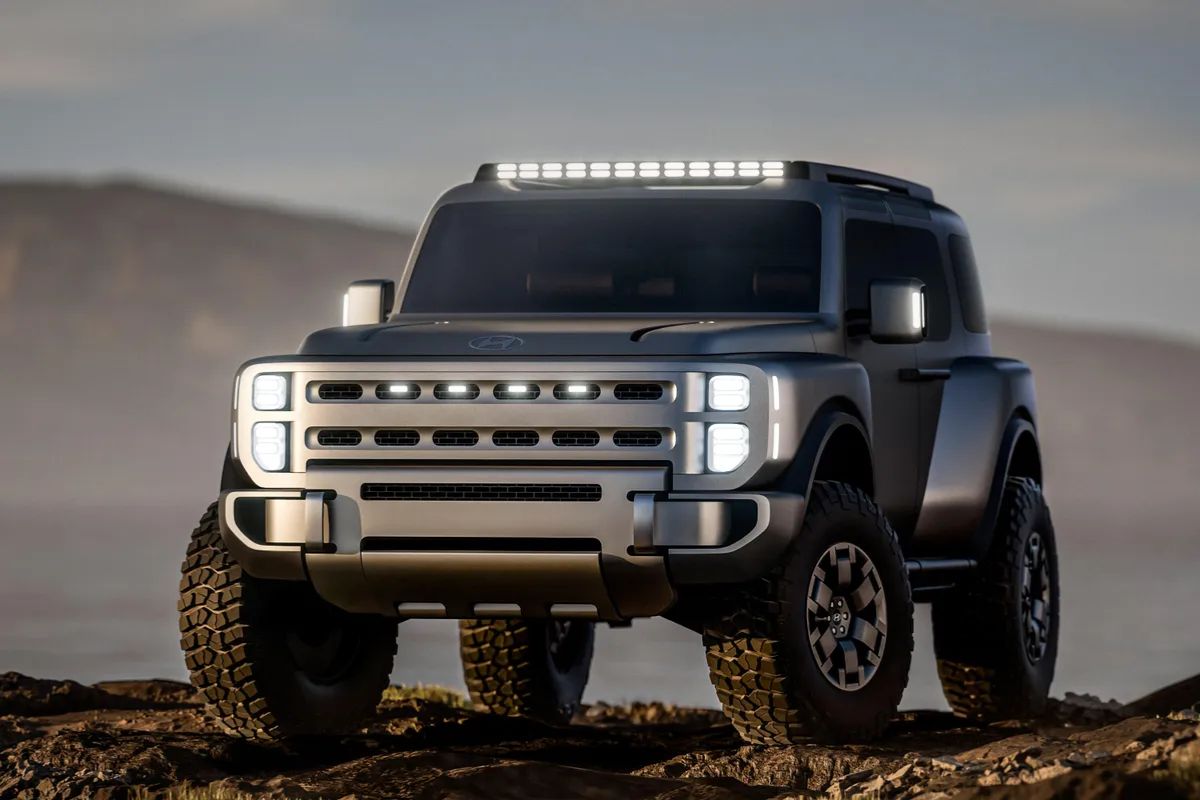
Hyundai has unveiled the Boulder, a square SUV with a body-on-frame design, 37-inch mud tires, and carriage-style doors that seems to be made to take on the Ford Bronco and the Scout Traveller in the United States.
-
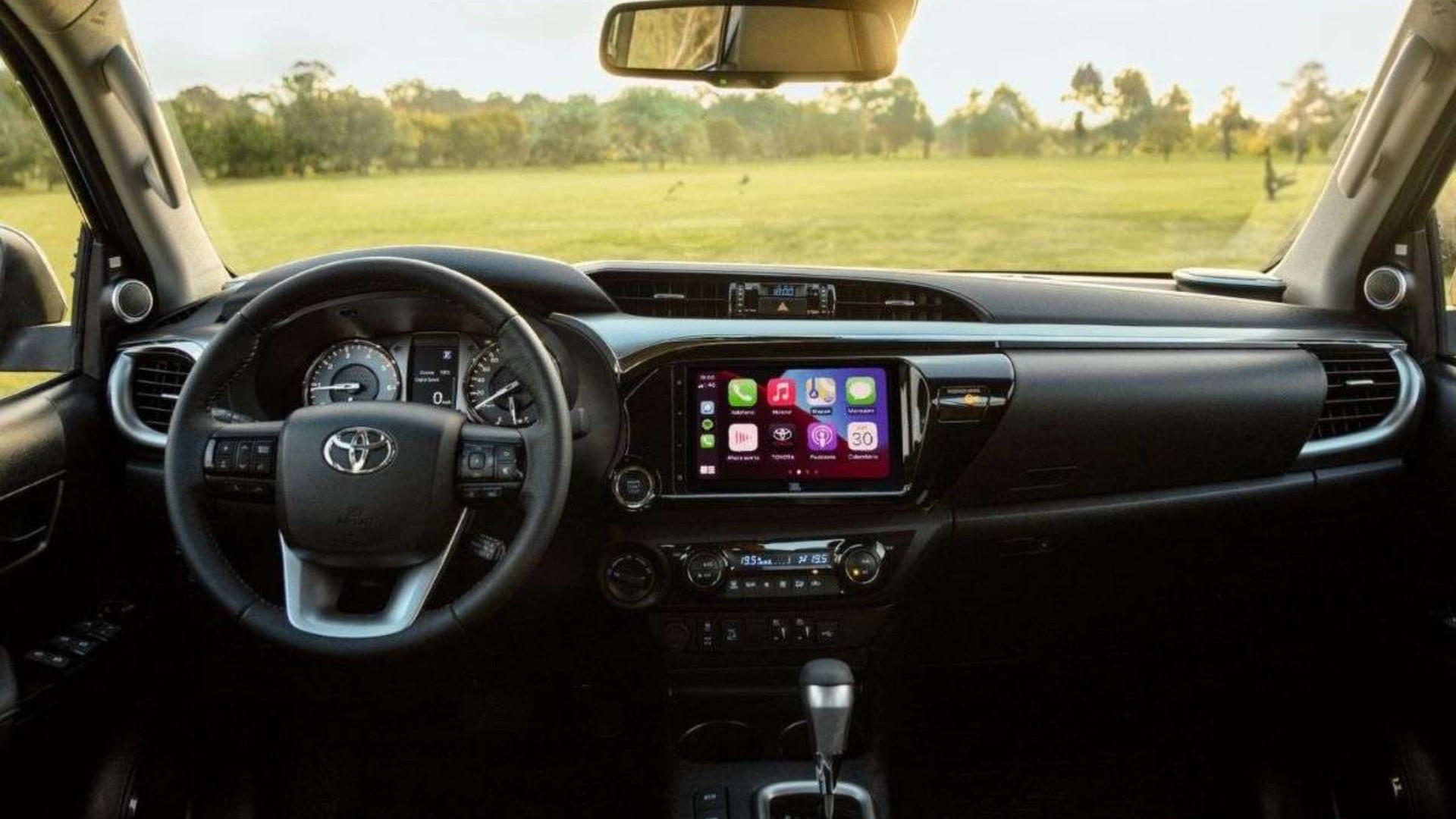
The Toyota Hilux is R$ 75.5 thousand cheaper and bets on the 2.8 turbodiesel engine with up to 204 hp and 50.9 kgfm to catch up with the VW Saveiro, which leads with 4,472 sales.
-
The new Renault Koleos has a screen exclusively for the passenger that is invisible to the driver, heated rear seats, and 29 assistance systems, but its Chinese competitors cost R$ 40,000 less and deliver more power.

- Acura TLX
- Audi A4
- BMW X4
- BMW 8 Series
- BMW M8 Competition
- BMW XM (Base)
- Cadillac XT4
- Cadillac XT6
- Chevrolet Blazer (Gasoline)
- Ford Escape
- Genesis Electrified G80
- Infiniti QX50
- Lexus LC Hybrid
- Lexus RC
- Lexus RC F
- Mercedes-Benz GLC Coupe
- Mercedes-Benz GLE Coupe
- Nissan Altima
- Nissan Versa
- Porsche 718 Boxster
- Porsche 718 Cayman
- Porsche Macan
- Subaru Legacy
- Volvo S60
- Volvo S90
- Volvo V60 Polestar Planned
Discontinued Models: Reasons Behind Their Exit from the Market
The phenomenon of cars being discontinued doesn’t happen by chance. The automotive industry is experiencing a time of significant strategic adjustments to adapt to changes in consumption, environmental legislation, and technology. Understanding the causes helps to comprehend the impact of discontinuation.
Electrification as the Main Driver of Change
The pressure to reduce greenhouse gas emissions has led governments around the world to impose ambitious targets on manufacturers. This forces automakers to invest heavily in electric and hybrid vehicles. Many traditional models, with combustion engines, are discontinued to make way for this new generation.
The Porsche 718, for example, will be replaced by an electric sports car that maintains the brand’s essence but with zero emissions. BMW is also following this path with the 8 Series, focusing on clean technologies.
Declining Sales and Changes in Consumer Behavior
Not every model can adapt to the new tastes of the public. The decline in sales, as seen with the Nissan Versa, indicates that consumers are shifting towards vehicles with more technology, efficiency, and modern design.
Additionally, the popularity of SUVs and crossovers has cannibalized part of the traditional sedan and hatchback market, forcing the removal of models that no longer meet current demands.
Optimization of Production and Cost Reduction
Manufacturers are betting on modular platforms that cater to various models, which reduces costs and increases production efficiency. Consequently, discontinuing less profitable cars is essential to concentrate resources on more promising lines.
Cars Being Phased Out: The Impact on the Market and the Consumer
The exit of old and traditional models generates effects that go beyond the factories.
Challenges for Those Who Already Own Discontinued Cars
For those who already have one of these vehicles, maintenance may become more difficult over time, especially due to the reduced availability of parts and services. This can lead to higher maintenance costs and the need for earlier replacement with a more recent model.
Valuation and Depreciation in the Used Car Market
Cars being phased out often show varied behaviors in the used car market. Highly desired models or those with special characteristics may appreciate, while others lose value over time.
Renewal of the Automotive Market
The discontinuation accelerates the entry of more technological cars, with better energy efficiency and connectivity. For consumers planning to purchase, understanding which models will be discontinued assists in making more informed decisions.
The Importance of Keeping Track of Cars Being Phased Out in 2026
Staying aware of the list of models that will no longer be sold allows consumers to prepare for market changes. Additionally, it helps avoid surprises when seeking maintenance or resale of the vehicle.
Manufacturers are investing in new models focused on technology, sustainability, and connectivity, reflecting the new demands of the public. Understanding which cars will be withdrawn from the market helps consumers plan their future better.
New Directions for the Automotive Market in Light of Discontinued Models
The removal of numerous cars from the market by 2026 is not just a portfolio cleanup. It is a response to a global scenario that pressures the sector to be more sustainable and innovative.
Electrification as the Protagonist
In the coming years, the expectation is that the majority of vehicles sold will be electric or hybrid, which will change not only the way we drive but also the structure of the market, dealerships, and maintenance services.
The Transformation of Automakers’ Portfolios
With the exit of cars that are being phased out, brands are restructuring their catalogs to meet this new demand. This includes the creation of electric SUVs, hybrid sedans, and sports cars with innovative powertrains.
The Role of Legislation and Government Incentives
Many countries are creating strict regulations that will make it mandatory to end the production of 100% combustion cars in the near future. Tax incentives and subsidies for clean vehicles are also stimulating the change.
What to Expect in the Used Car Market
The end of production for more than 30 car models by 2026 marks a watershed moment in the automotive industry. Cars being phased out, such as the Porsche 718, Nissan Versa, and BMW 8 Series, reflect the transformations of the global market, driven by electrification, sustainability, and changes in consumer behavior.
For those watching the sector or considering purchasing a car in the coming years, knowing this list and understanding the reasons behind these decisions is essential for better planning their choices.
Moreover, this renewal brings opportunities and challenges for both consumers and companies, who need to adapt quickly to new demands and technologies.
Stay alert and prepare for a future where cars will be increasingly connected, efficient, and, importantly, sustainable — a new chapter for mobility in Brazil and worldwide.









Seja o primeiro a reagir!