





 Portuguese
  English
  Spanish
  4 min of reading
  0 comments


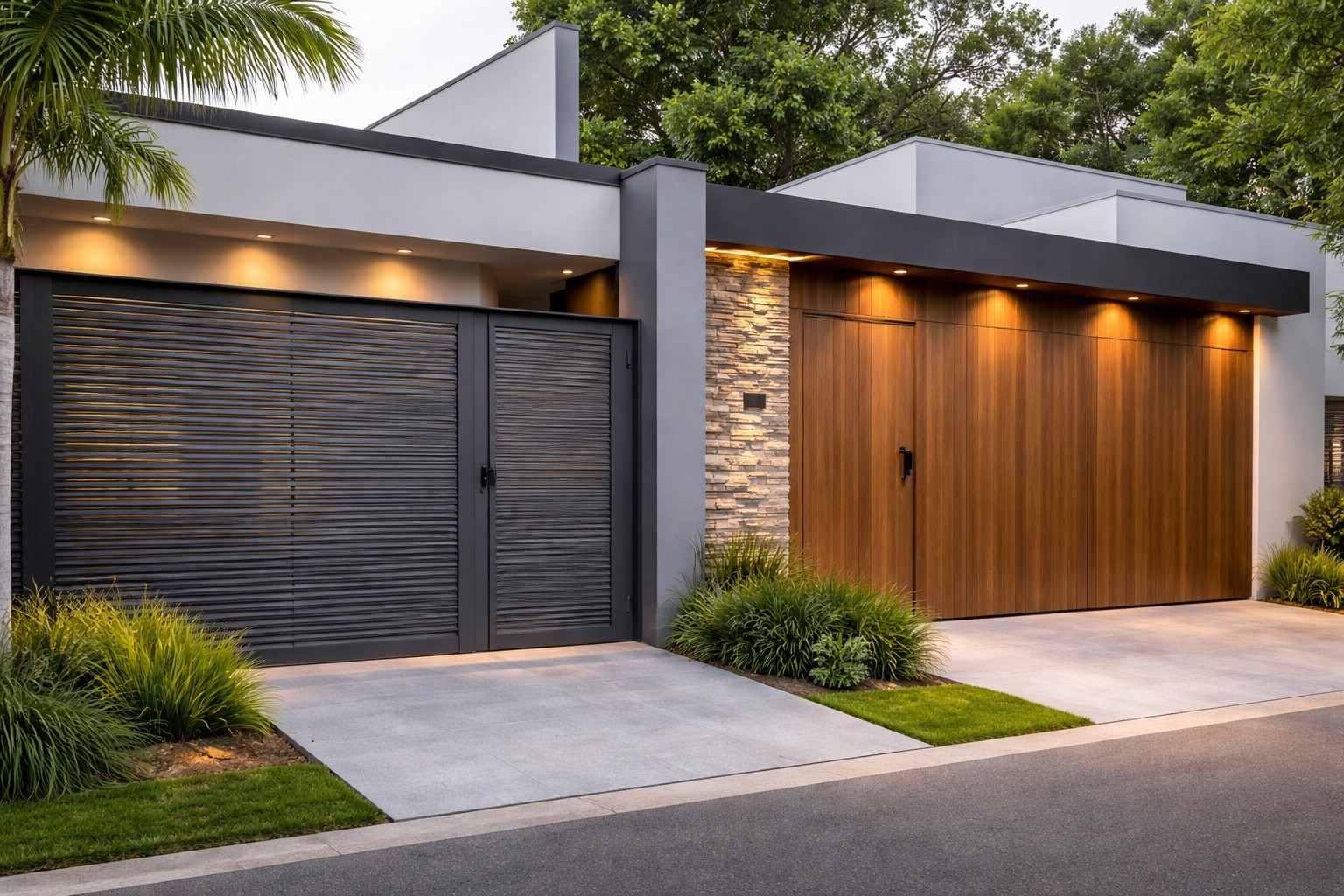
Iron Gates Lose Space: Architects Point to Striped Aluminum, Noble Wood, and Minimalist Facades as Trend to Modernize Home Entrances
The gradual abandonment of iron gates marks a shift in residential architecture. Materials such as striped aluminum and noble wood are being adopted in facades for their combination of minimalist aesthetics, security, and practicality, replacing the heavy structures that have dominated home entrances for decades.
The Fall of Iron Gates in Residential Facades
For years, iron gates were considered the most common solution for closing home entrances. The heavy material dominated entire streets and became practically a standard in different neighborhoods.
In current projects, however, architects have begun to prioritize solutions that bring visual lightness and aesthetic integration with the rest of the facade.
-
Attracting around 250,000 people a year, a lighthouse 200 meters from the sea, on a 60-meter high cliff, on the North Sea coast in Denmark, becomes one of the most impressive examples of how nature can threaten historical buildings.

-
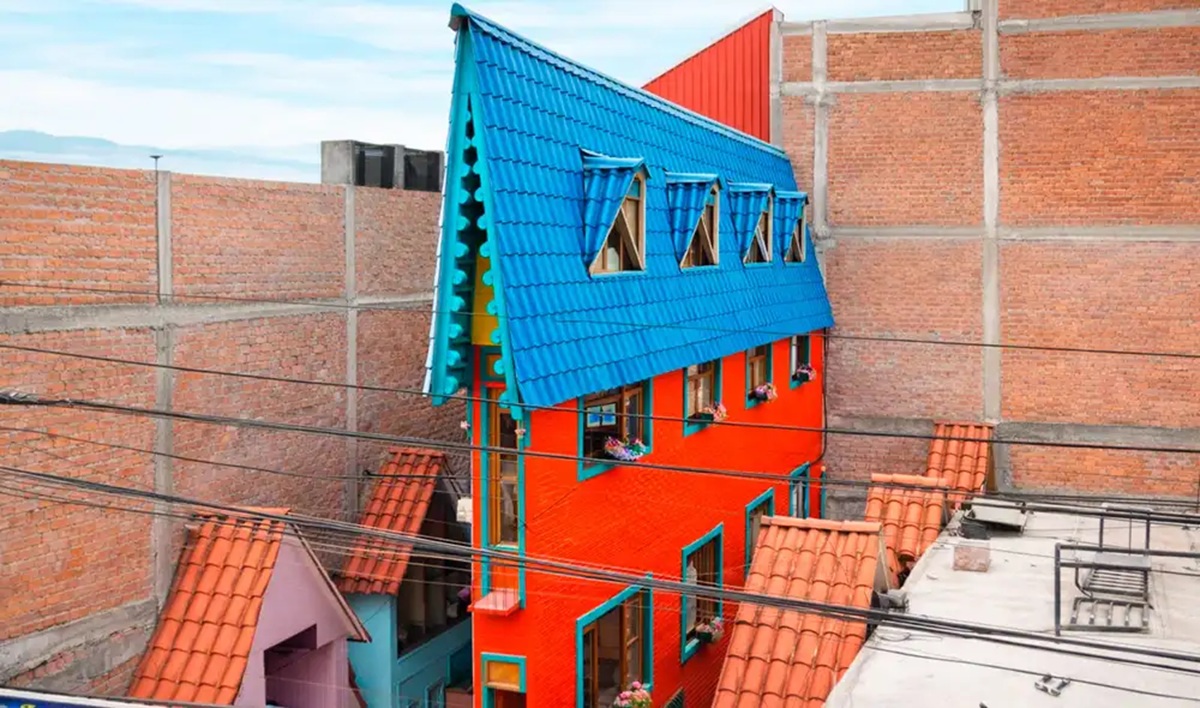
The narrowest house in the world is only 63 centimeters wide, but inside it can accommodate a bathroom, kitchen, bedroom, office, and even two staircases.
-
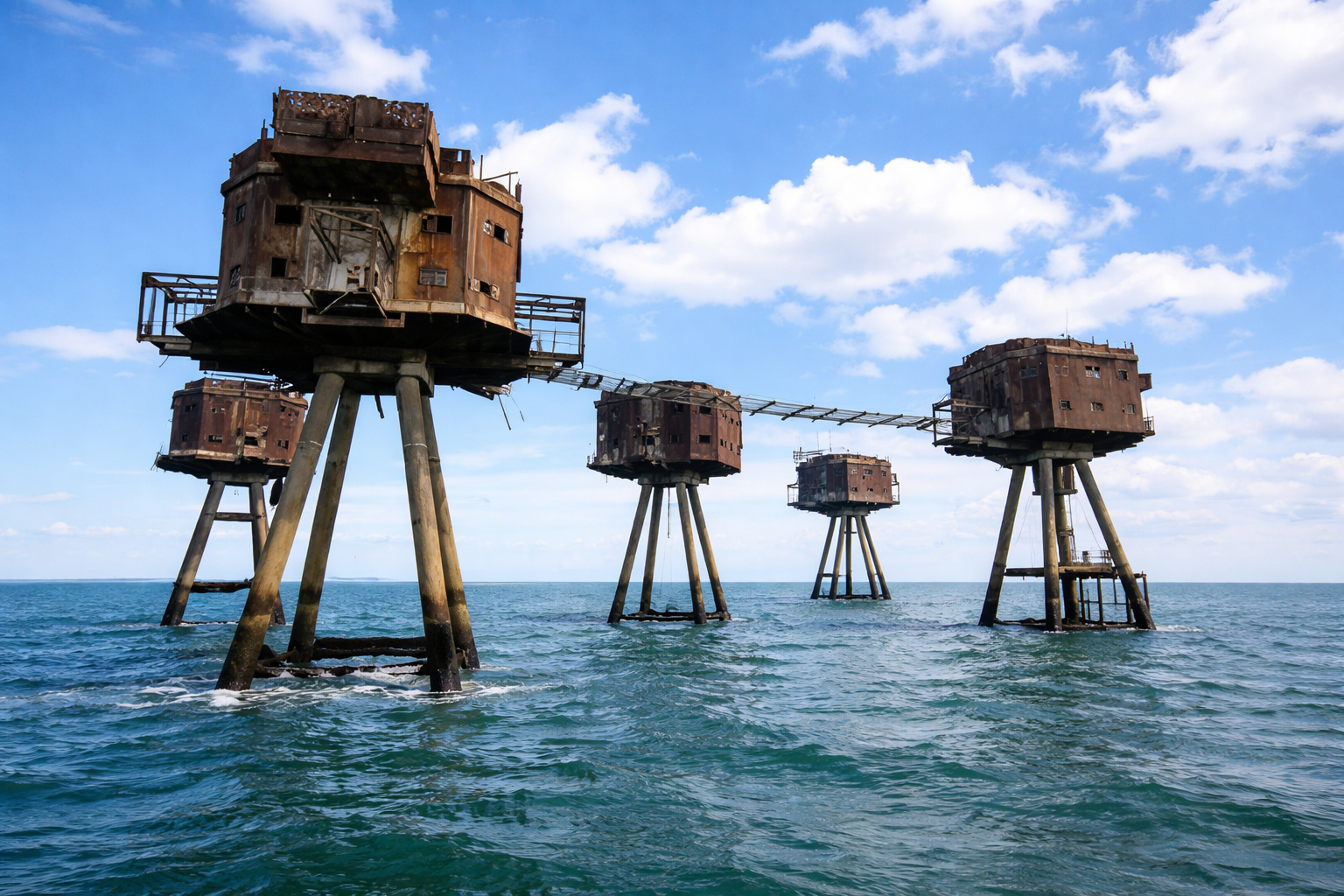
In the middle of the sea, these enormous concrete and steel structures, built by the British Navy to protect strategic maritime routes, look like they came straight out of a Star Wars movie.
-
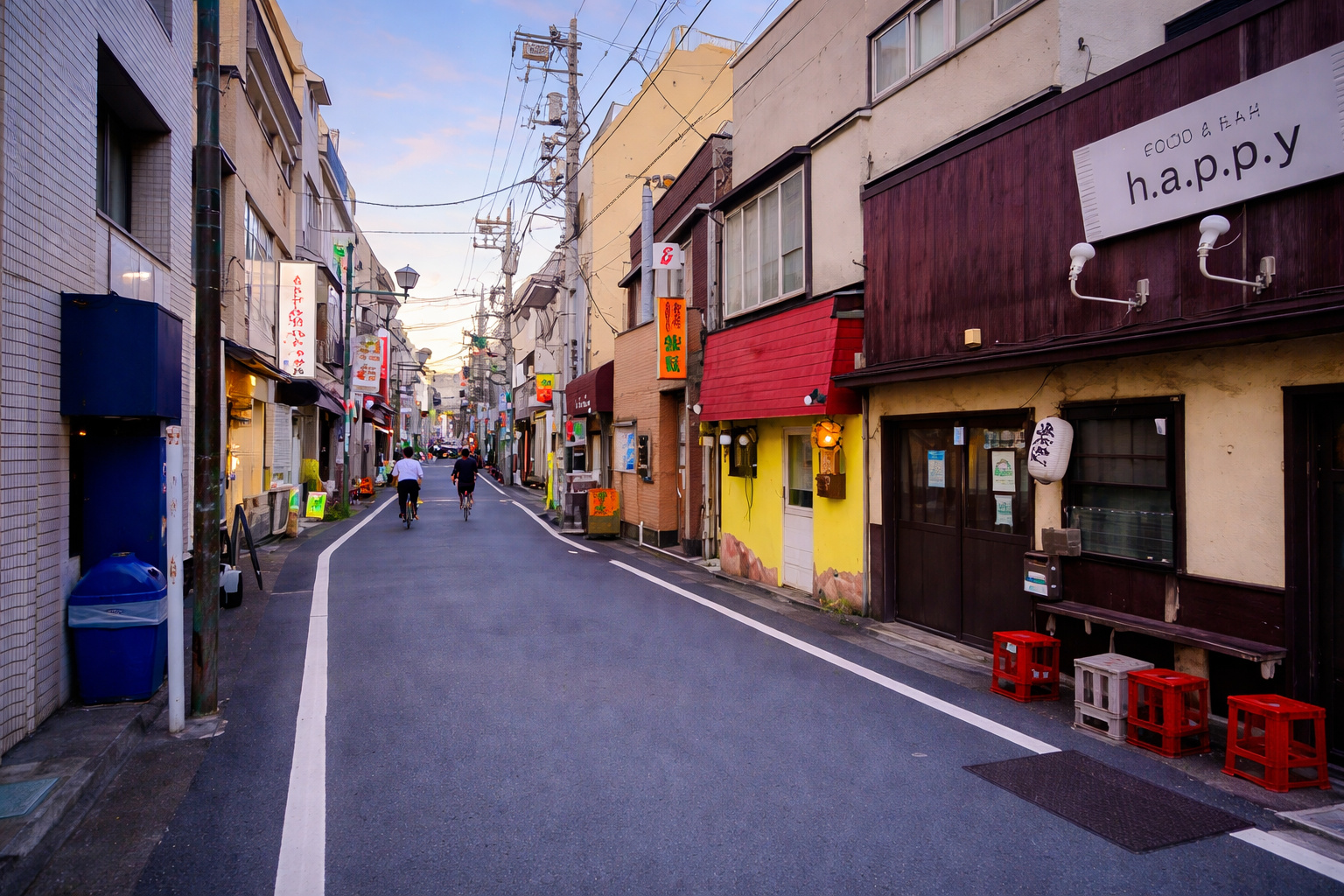
For years, no one could cross a neighborhood in Tokyo because of the tracks, but an impressive solution changed mobility and completely transformed the local routine.

This change accompanies a growing appreciation for minimalist lines and materials that can combine protection with a discreet appearance.
Instead of heavy and visibly robust structures, the new models prioritize visual balance and functionality.
This transition has completely transformed the way home entrances are designed, leading to a decrease in the choice of traditional iron gates.
Striped Aluminum Becomes a Frequent Alternative
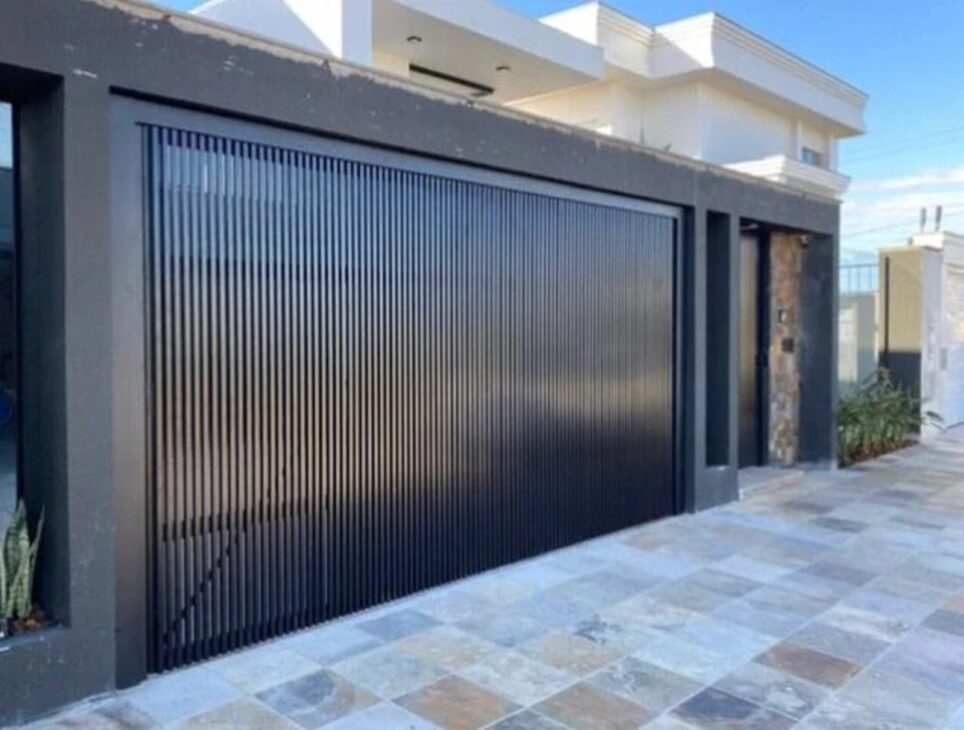
Among the most commonly used solutions today is striped aluminum, a material that has gained prominence in contemporary projects.
The thin strips of aluminum create a visual effect that elongates the facade and immediately conveys a sense of modernity.
Unlike older materials that make the entrance visually heavy, aluminum features a lightweight structure and clean appearance.
In addition to the aesthetic aspect, the material also offers practicality in everyday use.
It has a natural resistance to corrosion and weighs less than traditional structures. This reduced weight facilitates the operation of the garage motor and helps minimize mechanical wear over time.
These characteristics explain why striped aluminum has begun to replace many iron gates in residential projects.
Noble Wood Creates Contrast and a Warm Feeling
Another alternative used in replacing iron gates is the application of noble woods.
Species such as ipe and cumaru frequently appear in facades that seek a warmer look.
Wood creates contrast with the cold elements present in contemporary architecture, such as clear glass and exposed concrete walls.
This contrast softens the rigidity of structural materials and brings a sense of visual comfort.
When properly treated to withstand intense sun and rain, wood shows good durability in outdoor environments.
The assembly in closed continuous panels also reinforces a sophisticated aspect and conveys an impression of exclusivity right at the sidewalk.
Comparison Between Materials Used in New Facades
The choice of material directly influences the aesthetics and the level of maintenance required by the structure.
In the case of thin striped aluminum, the main highlight is the elongation of the visual lines of the wall and the maintenance considered practical and almost non-existent.
On the other hand, solid ipe wood offers a warm feeling and a noble rustic appearance but requires annual varnish application to preserve the structure.
Natural cumaru, in turn, creates contrast with smooth concrete surfaces but needs regular waterproofing.
Assessing these characteristics helps avoid frustration and facilitates the definitive replacement of iron gates with solutions aligned to current projects.
Embedded Social Door Transforms the Facade Design
Another recurring resource in contemporary projects is the embedded social door. This solution eliminates the traditional division between pedestrian access and the vehicle gate.
With the entry leaf integrated into the main panel, the facade now presents a uniform appearance.
The slats discreetly hide the opening, making the passage almost imperceptible for someone observing from the street.
In addition to a cleaner aesthetic, this configuration also makes it difficult for ill-intentioned individuals to identify vulnerable points in the front wall.
This type of solution has been adopted in projects that replace old iron gates with structures that are more integrated into the architectural design.
Planning Is Essential Before Replacement
Replacing the old iron gates requires careful planning to avoid problems during the renovation.
One of the first points to be checked is the power of the electric motor responsible for operating the gate.
It is also important to evaluate the climate conditions of the region to choose materials that can withstand moisture and intense sun.
Another relevant factor involves the positioning of external night lighting, which can enhance the lines and textures of the newly installed structure.
This set of analyses avoids hasty decisions and ensures that the new facade functions properly.
Dark Colors Replace Traditional Paint
The choice of color also influences the visual perception of the home’s entrance.
Dark and matte tones have come to dominate contemporary projects and are frequently used to replace finishes associated with old iron gates.
Colors such as matte black and graphite create discreet frames that highlight the landscaping of the residence.
Grayish brown also appears as an alternative that conveys sophistication.
These options help to completely renew the facade’s appearance and eliminate the worn-out aesthetic associated with traditional metal gates, which often exhibited peeling paint over time.
With information from BMC News.





-

-

-

4 pessoas reagiram a isso.