





 Portuguese
  English
  Spanish
  6 min of reading
  0 comments


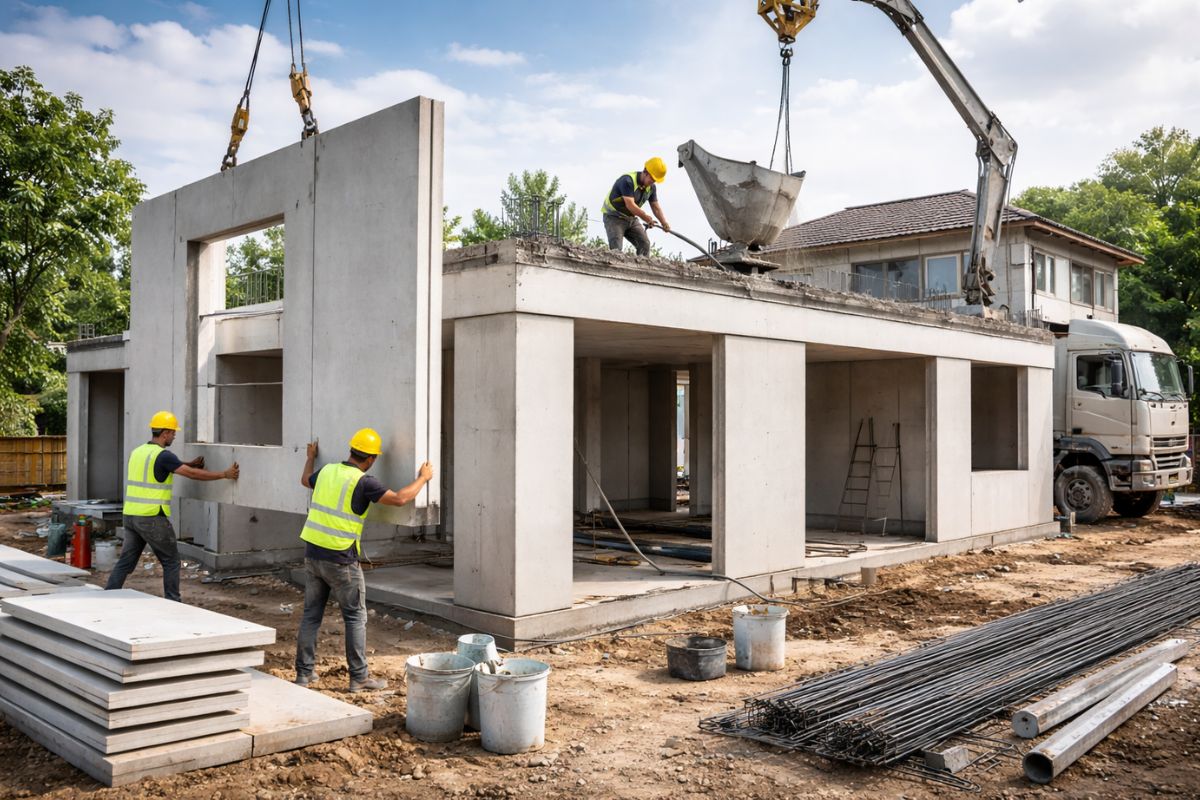
Without Relying on Traditional Brick and Thick Plaster, The Tunnel Form Completes Walls and Slabs in a Single Operation, in a Daily Cycle, Combining Precision of Prefabricated Production with On-Site Execution and Catering to Repetitive Works Such as Residential Buildings, Hotels, Student Accommodations, Barracks, and Prisons with Less Waste and Added Safety.
The brick, a historical piece of residential construction, loses space in this method when walls and slabs begin to be born together, within a daily concreting cycle. Instead of building masonry in stages and correcting imperfections later, the tunnel form concentrates structural execution in a single operation and pushes the worksite towards a more predictable logic.
This change does not mean just speed. It Alters the Entire Construction Sequence, because it combines the typical factory repetition with the flexibility of on-site concreting, reduces dependence on heavy finishing, and delivers surfaces smooth enough to require minimal preparation before direct decoration.
When The Brick Exits The Scene and The Structure Begins To Be Formed Entirely

In the traditional model, bricks usually organize the rhythm of the construction in layers: the wall rises, plumb is corrected, plaster is applied, connection is adjusted, points are redone, and only then does it advance to new fronts.
-
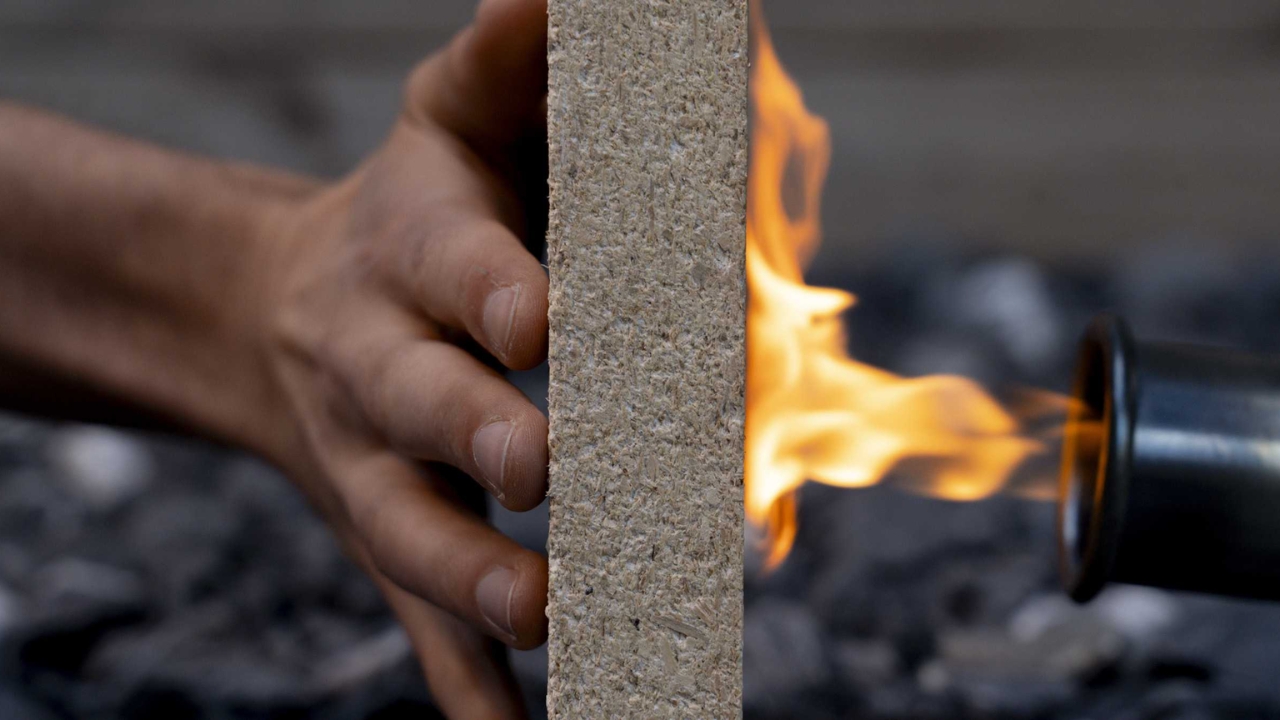
Scientists transform sawdust into fire-resistant panels, stabilize the compound with an enzyme extracted from watermelon seeds, and turn waste into promising material for construction.
-
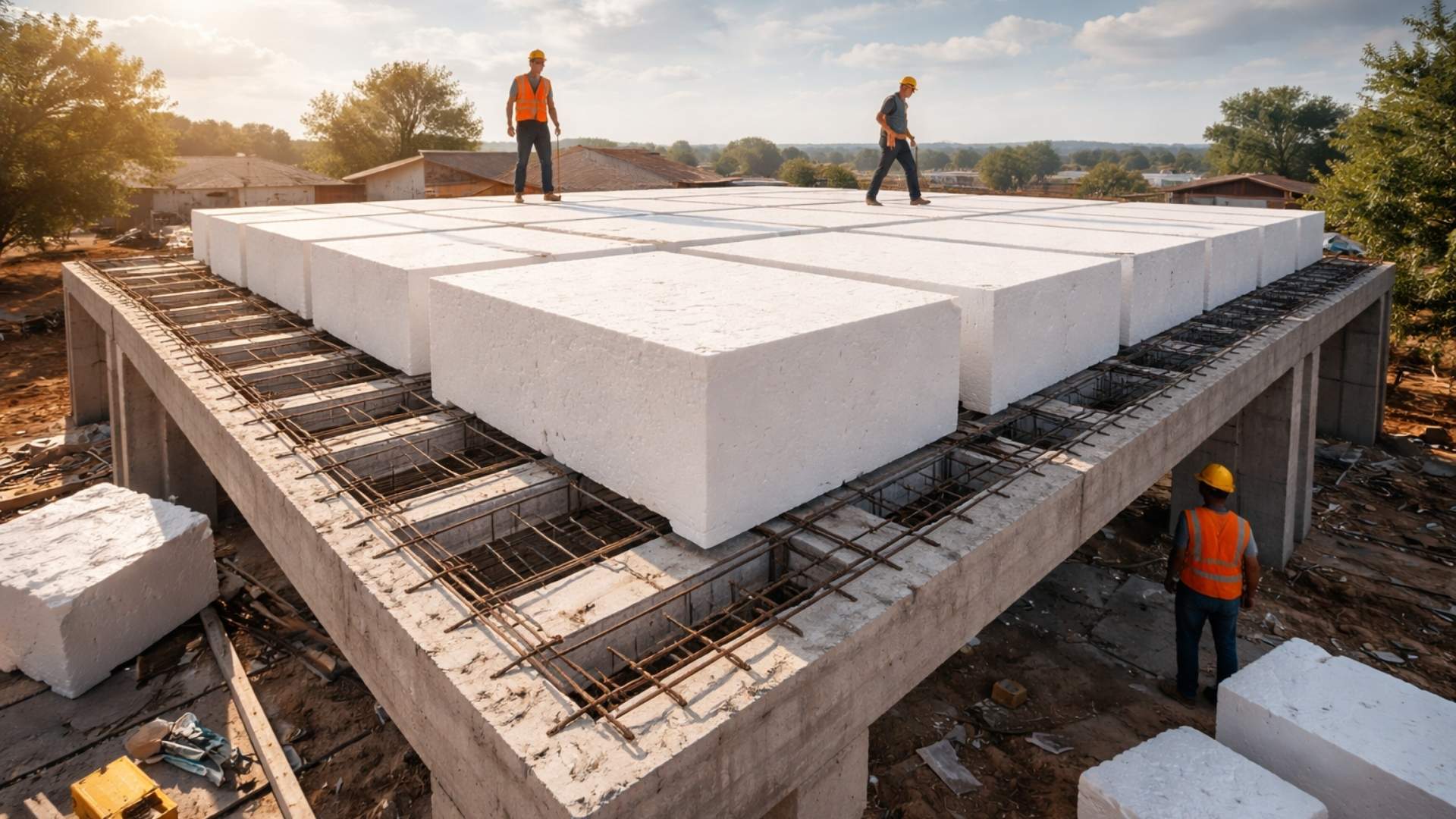
Forget concrete: architects are replacing tons of concrete with giant blocks of expanded polystyrene to build the roofs of houses and reduce structural weight by up to 50%, cut costs, improve thermal insulation, and speed up construction.
-
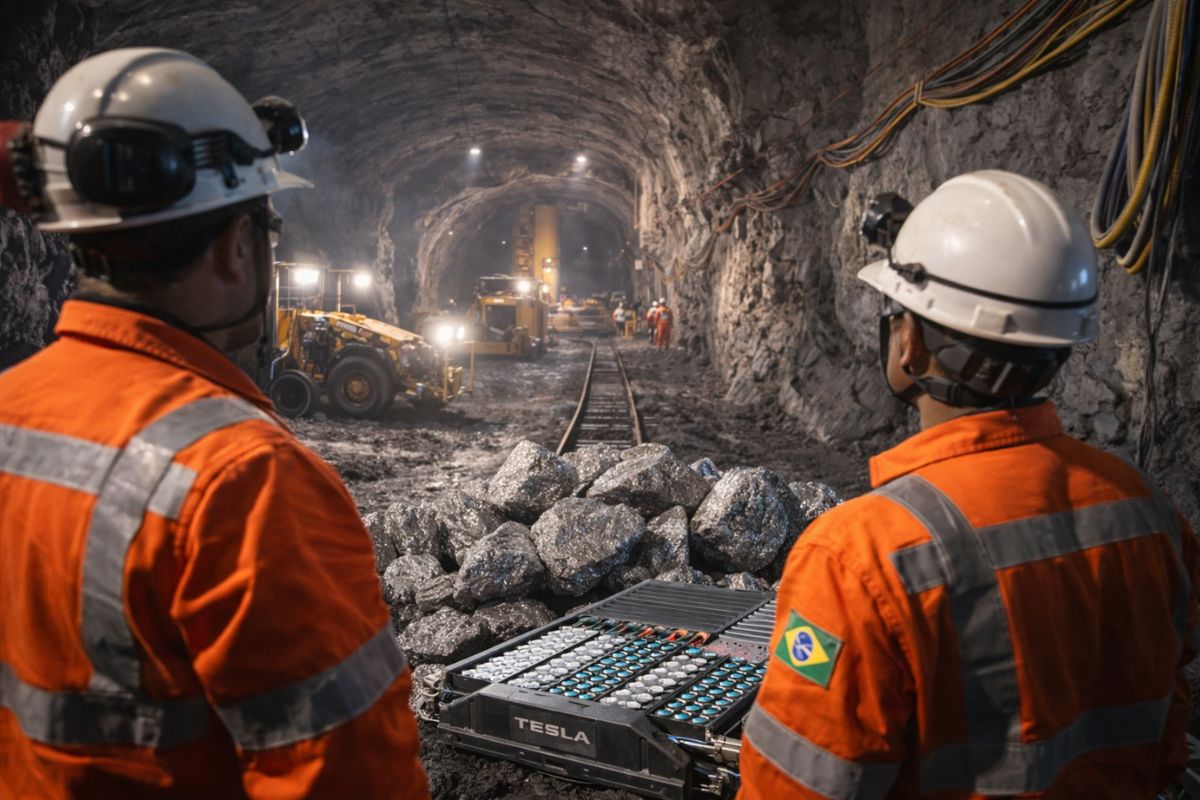
The Brazilian state enters the center of the global race for critical minerals by starting the construction of the largest underground nickel mine in Latin America, a mineral essential for electric car batteries that the entire world is competing for at this moment.
-
New CCR concrete paving technology promises roads up to 3x more durable, less maintenance, and cost reduction in Brazil.


In the tunnel form, this sequence changes because walls and slabs are concreted at the same time, within a system that operates in a daily cycle and transforms repetition into productivity.
The Central Gain Lies in Integration, not just in haste.
By combining elements of prefabricated production with on-site execution, the method delivers a reinforced cellular structure and reduces the number of transitions between stages.
This shortens the path between the finished structure and the finishing, especially in residential projects with repetitive designs.
The constructive logic also shifts the weight of the worksite.
Instead of relying on continuous bricklaying and successive corrections, the construction starts to require organization of forms, reinforcements, and concreting with a well-defined sequence.
The result is a more regular operation, where productivity increases as the team becomes familiar with the repetition of tasks.
For this reason, the system is described as a modern construction method.
It Exchanges Improvisation for Technical Routine, and this routine tends to work better when the building accepts modulation, repetition of cells, and advancement through short cycles, with less variation from day to day.
Ready Surface, Fine Plaster, and Less Rework in Finishing

One of the most visible changes appears in the skin of the construction.
The precise and uniform steel surface of the form produces a smooth and high-quality finish, sufficient to receive direct decoration with minimal preparation.
In many cases, the requirement no longer needs to be a thick plaster and may be, at most, a thin layer of mortar.
This point matters because rework costs time, material, and labor. When the wall comes out more regular, the construction reduces subsequent corrections and shortens the distance between the structure and finishing.
The practical consequence is less waste, fewer intermediate stages, and a cleaner worksite than one based on accumulated corrections.
There is also an effect on financial and operational planning.
Each eliminated or simplified phase reduces interference between teams and minimizes the risk of cascading delays.
The brick, in this scenario, ceases to be just a material choice and comes to represent a more fragmented construction model, with more manual adjustment points along the way.
On façades and side walls, the system still allows completion with thermally insulated units that can be coated according to the needs of the project.
This Expands Control Over Performance and Over The Final Appearance, without forcing the construction to return to a heavy cycle of corrections.
Where The Tunnel Form Works Best and Why Repetition Matters
The tunnel form is especially effective in repetitive cellular construction applications.
That is why the method appears as a suitable solution for residential blocks, hotels, student accommodations, barracks, and prisons. In these cases, the repetition of modules favors the reuse of the system and reinforces the logic of the daily cycle.
In such projects, the large spans built in a tunnel shape offer flexibility of internal arrangement and considerable freedom in the final appearance of the building.
Repetition Does Not Eliminate Design; It Reorganizes The Design so that the structure supports speed without compromising performance and constructive coherence.
There is also a reduction in dependence on highly specialized labor.
As the techniques used are already known to the industry but begin to operate within a more standardized process, the productivity curve tends to grow as construction progresses.
After training, the predictability of tasks helps consolidate rhythm and quality.
This does not mean that the method works for any situation without adaptation.
The formwork system is adjusted for each project, and its best performance appears when the building’s design aligns with the repetitive logic the method demands.
The More Architecture Accepts This Discipline, The Greater The Efficiency of The Whole.
Safety, Logistics, and Sustainability Change Along With The Worksite
The change in method also affects safety. The tunnel form incorporates work platforms and edge protection systems, while the repetition of activities makes operations more predictable for the team.
In a construction environment, predictability is relevant because it reduces improvisation, simplifies routines, and helps decrease the risk of accidents.
Another point is the minimal need for tools and equipment to move the form.
With fewer dispersed operations and less interference between fronts, the worksite tends to become more organized. Organization here is not an aesthetic detail; it is part of productivity and safety.
On the environmental and logistical front, the method also alters the equation. The on-site molding of the units and the local availability of ready-mixed concrete reduce transportation impacts, while just-in-time deliveries and nearly zero waste help control cost and material circulation within the construction.
The result is a more rationalized worksite.
The thermal mass of concrete, when combined with adequate insulation and proper building design, can still minimize heating costs and even reduce the need for air conditioning. This shows that the discussion does not end when the brick exits the main scene.
It Continues In The Use Of The Building, in consumption and performance over time.
In the end, the tunnel form pushes residential construction towards a logic in which the brick ceases to be the center of execution and yields space to a daily cycle that combines structure, cleaner finishing, less rework, and a more predictable worksite.
The method does not promise miracles: it reorganizes stages, reduces dependencies, and tries to bring construction closer to a more industrial routine without taking away from it the on-site concreting.
If this system were to reach a project near you, what would weigh more in your assessment: giving up traditional brick, trusting in almost ready-to-finish walls, or betting on a worksite with less waste and fewer corrections in the middle of the construction? If you have already seen rework turn into delays, at what stage do you think this method would change the game the most?








-

-

-

-

-

-

67 pessoas reagiram a isso.