





 Portuguese
  English
  Spanish
  4 min of reading
  0 comments


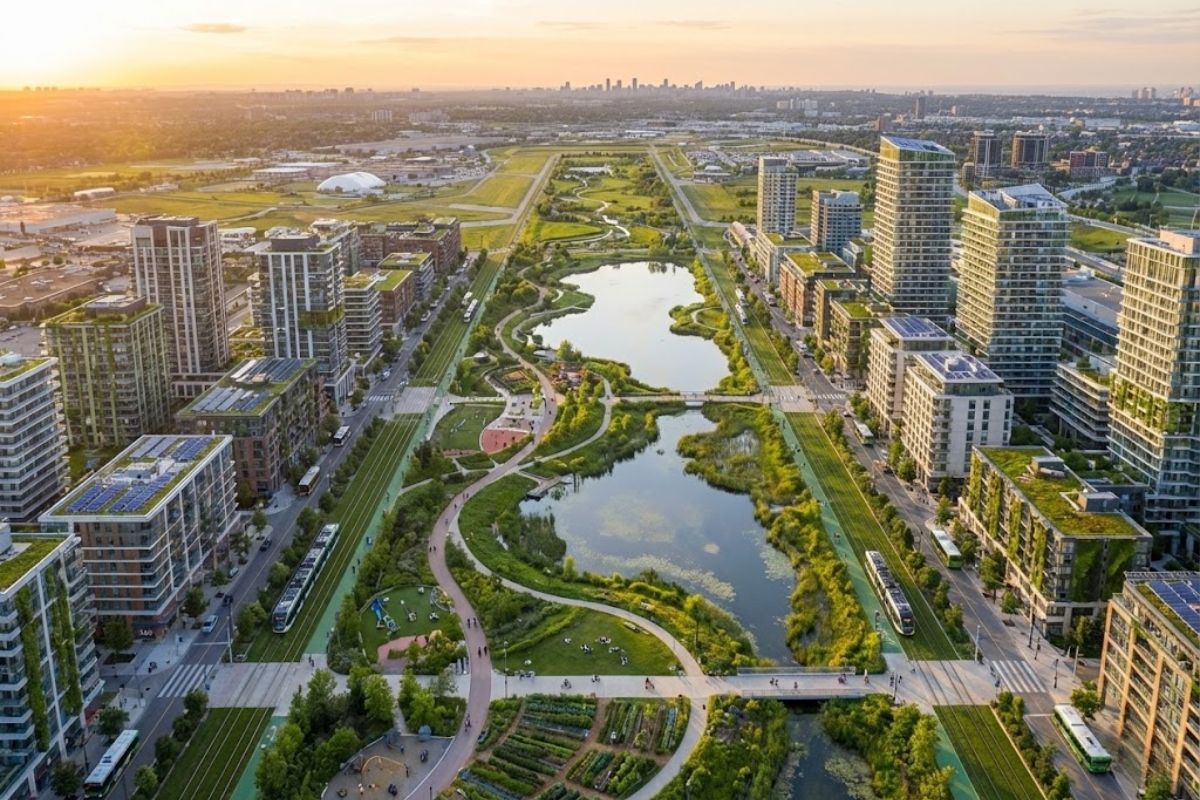
Old Downsview Airport, Decommissioned in 2024 in Northwest Toronto, Begins Transformation into Urban Megaproject with 150 Hectares, Seven Planned Neighborhoods, 30 Hectares of Parks, Green Roofs, Integrated Services and an Investment of CAD 22 Billion Over 30 Years and a Global Sustainable Showcase
For nearly 100 years, the old Downsview Airport shaped the landscape of northwest Toronto, Canada. Since the early 20th century, it has gone through different phases, including the time it was used by aircraft manufacturer Bombardier in the 1990s, until it was officially decommissioned in 2024 to make way for a new sustainable urban megaproject.
Starting in 2026, the old aviation area will be redesigned in phases over 30 years, with an estimated investment of CAD 22 billion, around 13 billion euros. The goal is to transform the land of approximately 150 hectares into a large planned district with capacity for over 50,000 residents, a strong presence of green areas, and solutions designed for the climate of the future.
Centennial Airport Gains New Destination

The old Downsview Airport was born in the early 20th century, alongside the expansion of aviation in Canada.
-
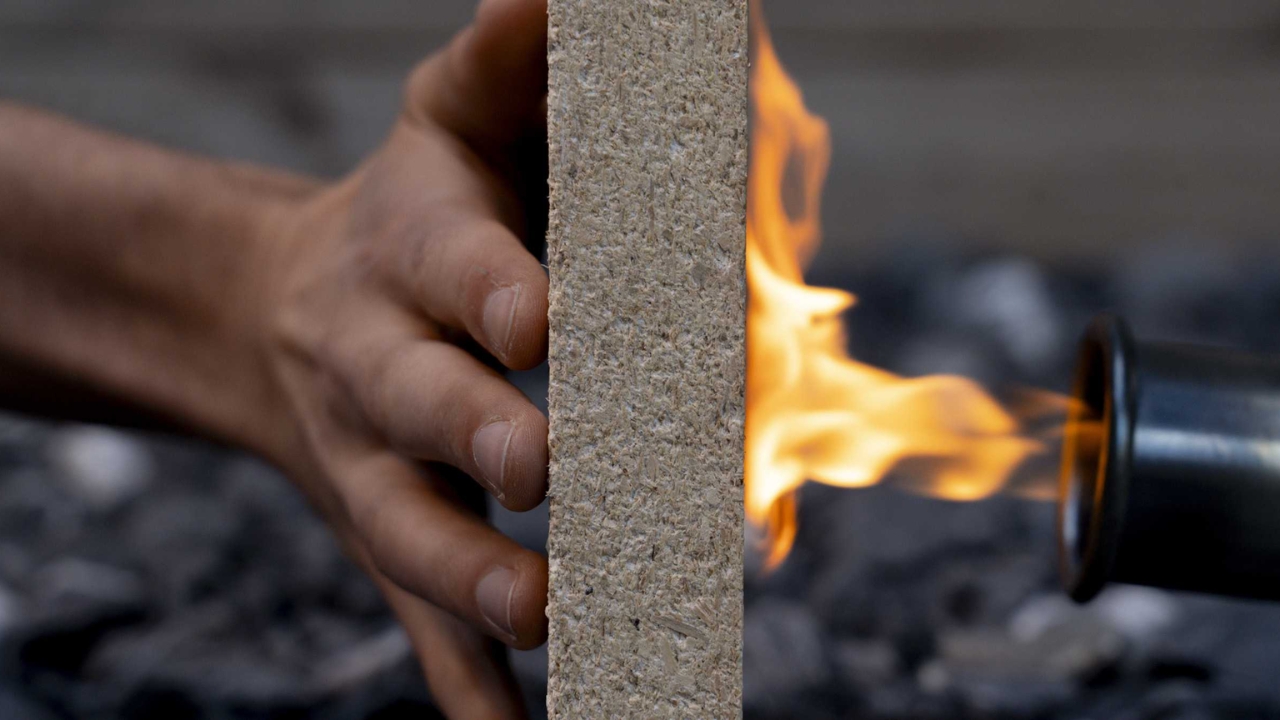
Scientists transform sawdust into fire-resistant panels, stabilize the compound with an enzyme extracted from watermelon seeds, and turn waste into promising material for construction.
-
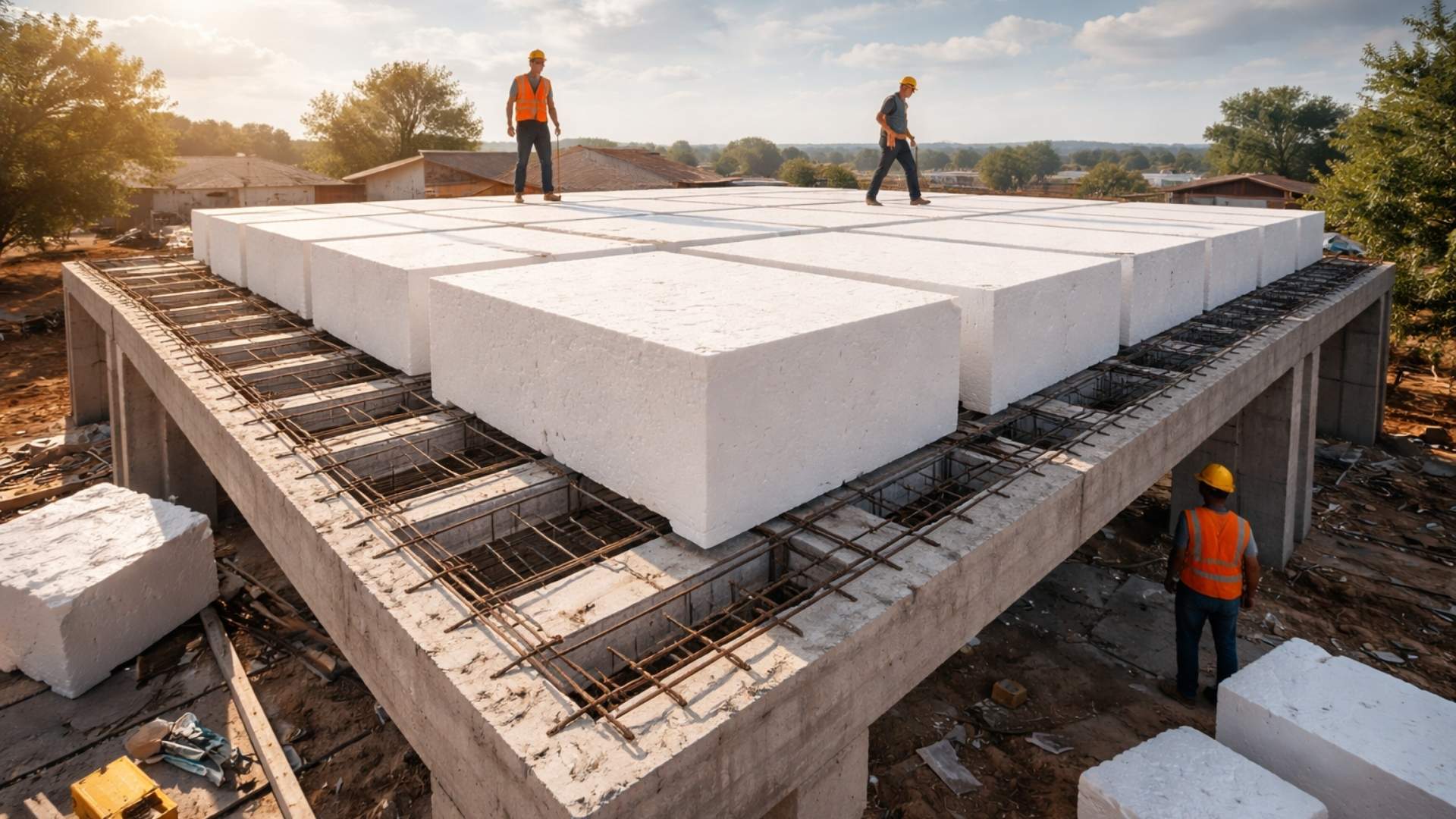
Forget concrete: architects are replacing tons of concrete with giant blocks of expanded polystyrene to build the roofs of houses and reduce structural weight by up to 50%, cut costs, improve thermal insulation, and speed up construction.
-
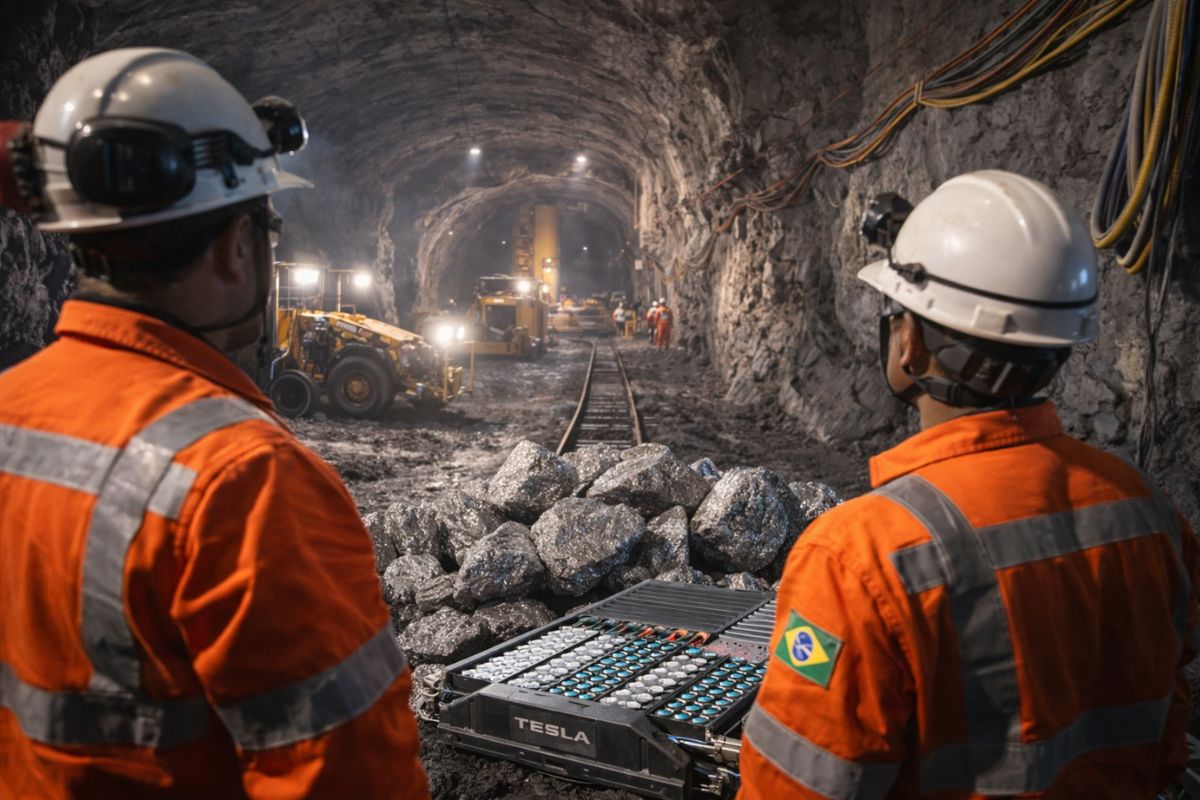
The Brazilian state enters the center of the global race for critical minerals by starting the construction of the largest underground nickel mine in Latin America, a mineral essential for electric car batteries that the entire world is competing for at this moment.
-
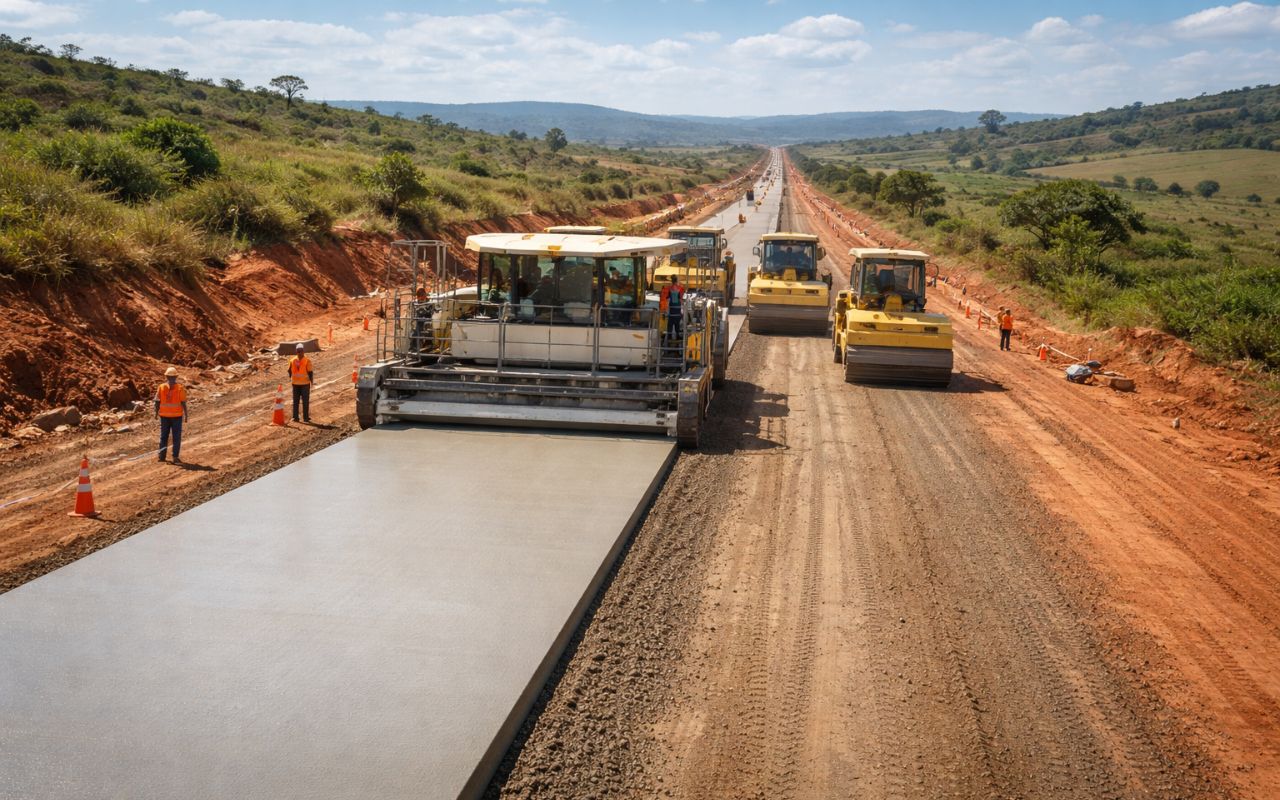
New CCR concrete paving technology promises roads up to 3x more durable, less maintenance, and cost reduction in Brazil.

Over the decades, the space was adapted for different uses, including industrial, until it lost relevance as air infrastructure.
With its definitive closure in 2024, the area stopped seeing landings and takeoffs and began to be treated as a rare opportunity to replan a large urban territory all at once.
Instead of keeping an empty space surrounded by asphalt and concrete, the project proposes to rewrite the site’s history with a focus on housing, nature, and integrated services.
Neighborhood for 50,000 Residents in 150 Hectares
According to the urban plan, the area of approximately 150 hectares will be organized into seven planned neighborhoods, connected to each other.
The expectation is to house more than 50,000 residents, distributed in residential buildings and mixed-use spaces that combine housing, commerce, and services.
According to information released by CNN Travel, about 30 hectares will be reserved for parks, green areas, and spaces open to the public.
This means that a significant portion of the megaproject will be allocated to community living, leisure, and contact with nature, reducing the “concrete jungle” feel typical of large metropolises.
Parks on the Old Runways and Active Central Axis
One of the most symbolic elements of the plan is the repurposing of the old landing and takeoff runways.
Instead of demolishing everything, the project envisions these strips being converted into a large linear park for pedestrians, connecting the seven neighborhoods of the development.
Along this axis, where planes once accelerated to take off, bike paths, wide sidewalks, rest areas, trees, and spaces for outdoor activities are expected to emerge, transforming what was technical infrastructure into a corridor of urban coexistence.
At the center of the megaproject, the old runway alignment will become a mixed-use axis. Businesses, restaurants, schools, libraries, and public spaces, such as terraces and gathering areas, are planned to be there.
The idea is that residents can resolve most of their daily life by walking, without relying so much on cars.
Roofs Covered with Plants and Repurposed Buildings
Instead of completely demolishing the existing structures, the plan calls for the preservation of old hangars, which will be converted into commercial buildings.
There, the architecture will be adapted, but the memory of the airport will remain visible in the form and scale of the buildings.
The roofs of these buildings are expected to receive vegetative cover with grass and plants, helping to reduce heat islands, improve thermal comfort, and reinforce the image of a green neighborhood.
These living roofs also serve as a symbol of the central concept of the project, which unites industrial past and sustainable future in the same urban space.
YZD Megaproject Aims for Showcase of Sustainable City
The megaproject has been named YZD, in reference to the old code of Downsview Airport.
The choice of name reinforces the connection to the area’s history while also pointing to a global repositioning as a showcase of a sustainable city designed for the coming decades.
In addition to urbanization, the plan includes the renaturalization of parts of the land, with the recovery of habitats for animals and the creation of ecological corridors.
The design of the neighborhood also considers adaptation to climate change, anticipating more permeable areas, trees, and solutions that help manage heat, heavy rains, and other extreme events.
The development of YZD is planned to take place over 30 years, allowing adjustments as new technologies, environmental requirements, and community needs arise.
During this time, the goal is to transform the old airport into an international reference for how to recycle large urban areas with a focus on sustainability, walkability, and quality of life.
Would you live in a neighborhood built on an old airport like YZD, with parks on the runways and roofs covered with plants, or do you think it’s better to keep areas like this for industrial and logistical use only?





-

-

-

6 pessoas reagiram a isso.