





 Portuguese
  English
  Spanish
  2 min of reading
  2 comments


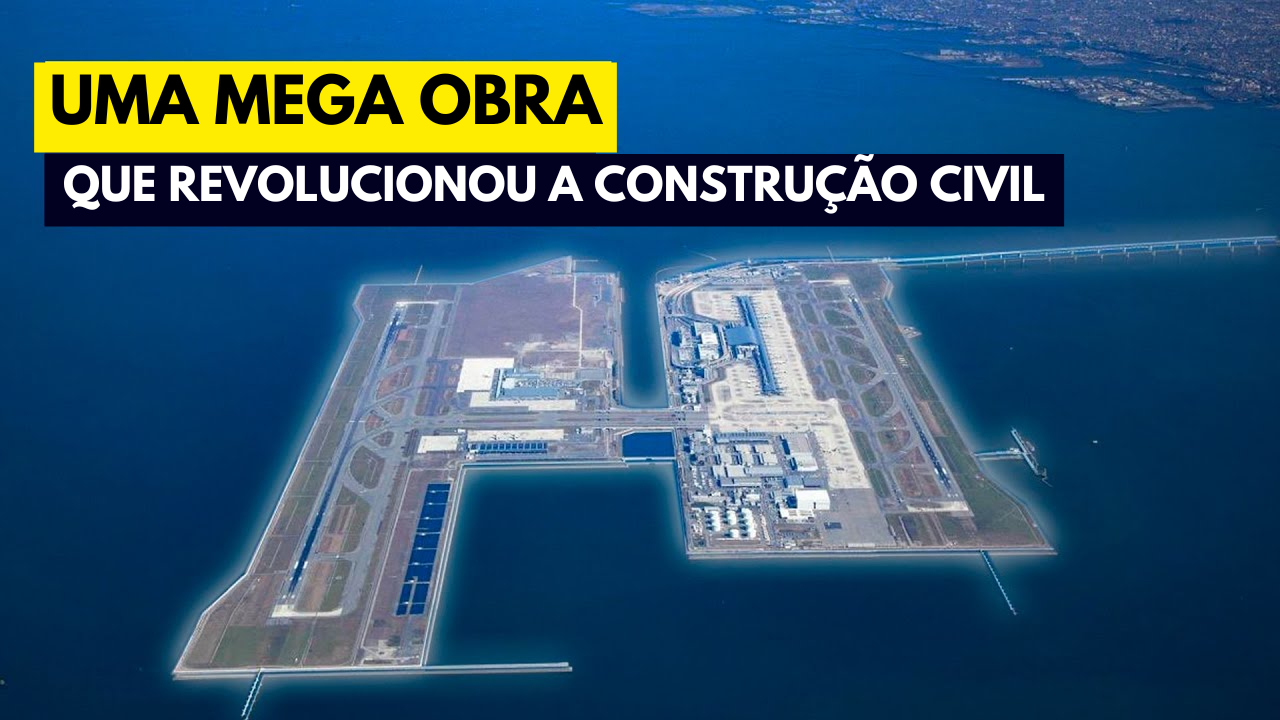


The Construction of Kansai Airport in the Sea Challenged the Limits of Engineering and Became a Symbol of Innovation in Japan.
The Kansai International Airport, located on an artificial island in Osaka Bay, Japan, is one of the greatest achievements of modern engineering. Its construction in the sea was a creative solution to a complex problem: how to expand airport infrastructure in a region where available space is limited. This airport, situated in an area vulnerable to natural disasters such as earthquakes and typhoons, represents a historic milestone in civil engineering, demonstrating how innovative solutions can be applied to construction in challenging environments like the sea.
Construction of Kansai Airport
In the 1980s, Japan faced rapid economic growth, which increased the demand for a new airport in the Osaka region.
However, the lack of land space made the solution audacious: to build an airport in the sea.
-
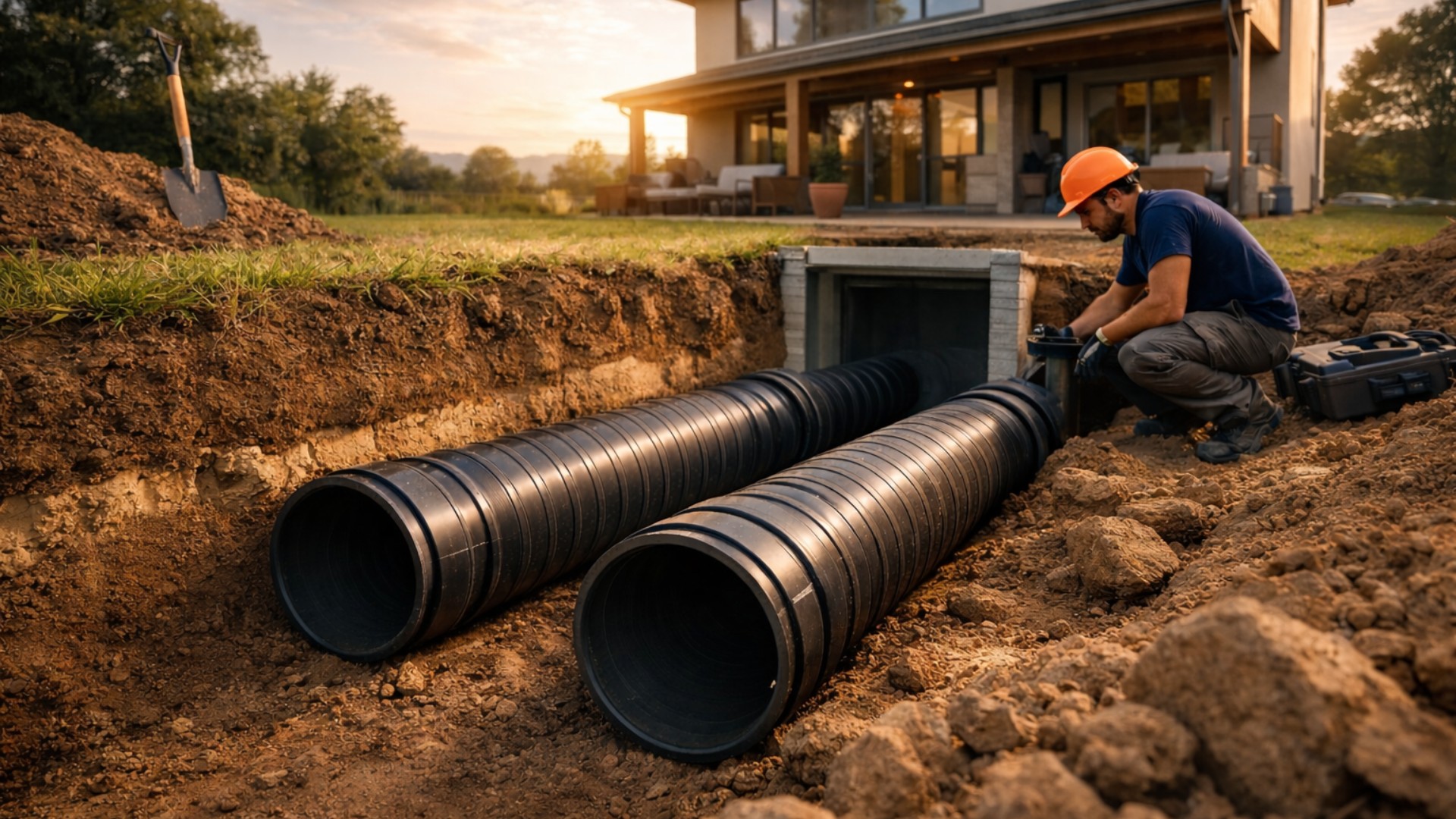
Architects are burying plastic pipes 2 meters deep and using ducts up to 30 meters long to cool homes without electricity, with low-consumption fans and natural heat exchange that drastically cuts the electricity bill.
-
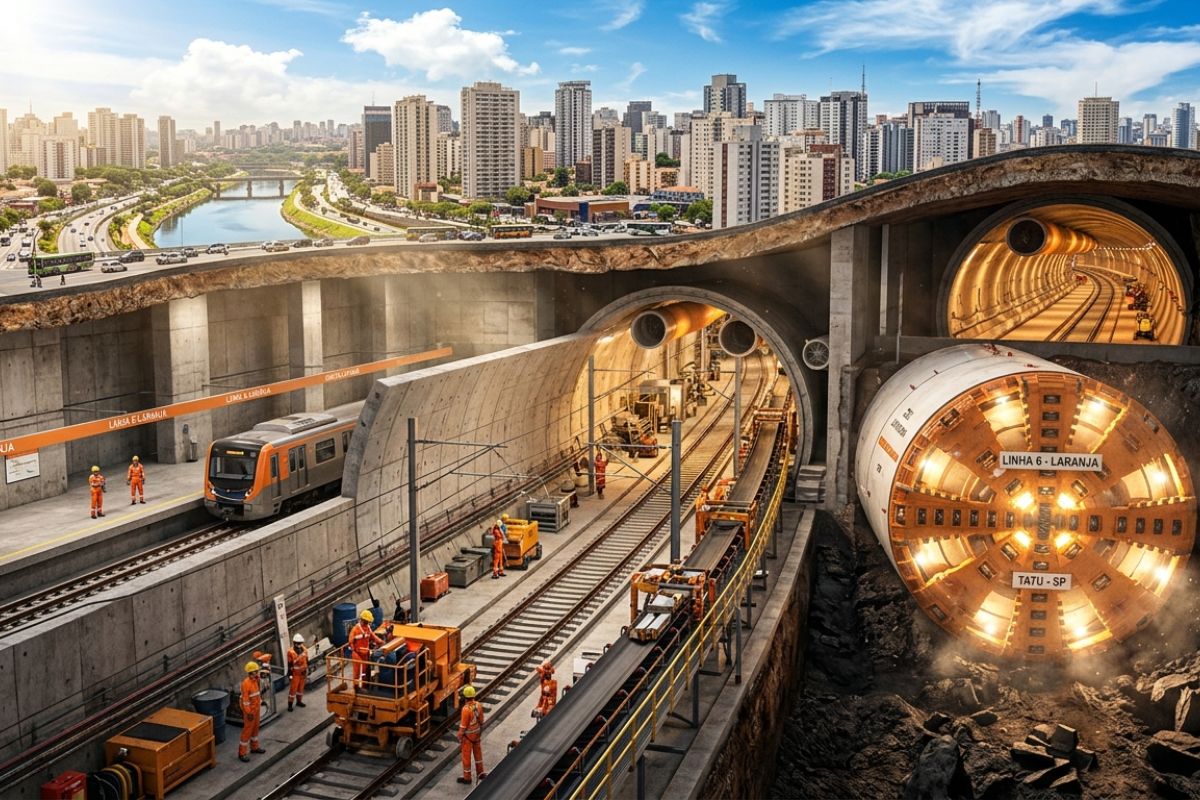
Under São Paulo, Line 6-Orange reaches 15.3 km and 15 stations, promising 23 minutes from Brasilândia to the Center and 633,000 passengers per day; with autonomous trains, it will open a partial section in October 2026.
-
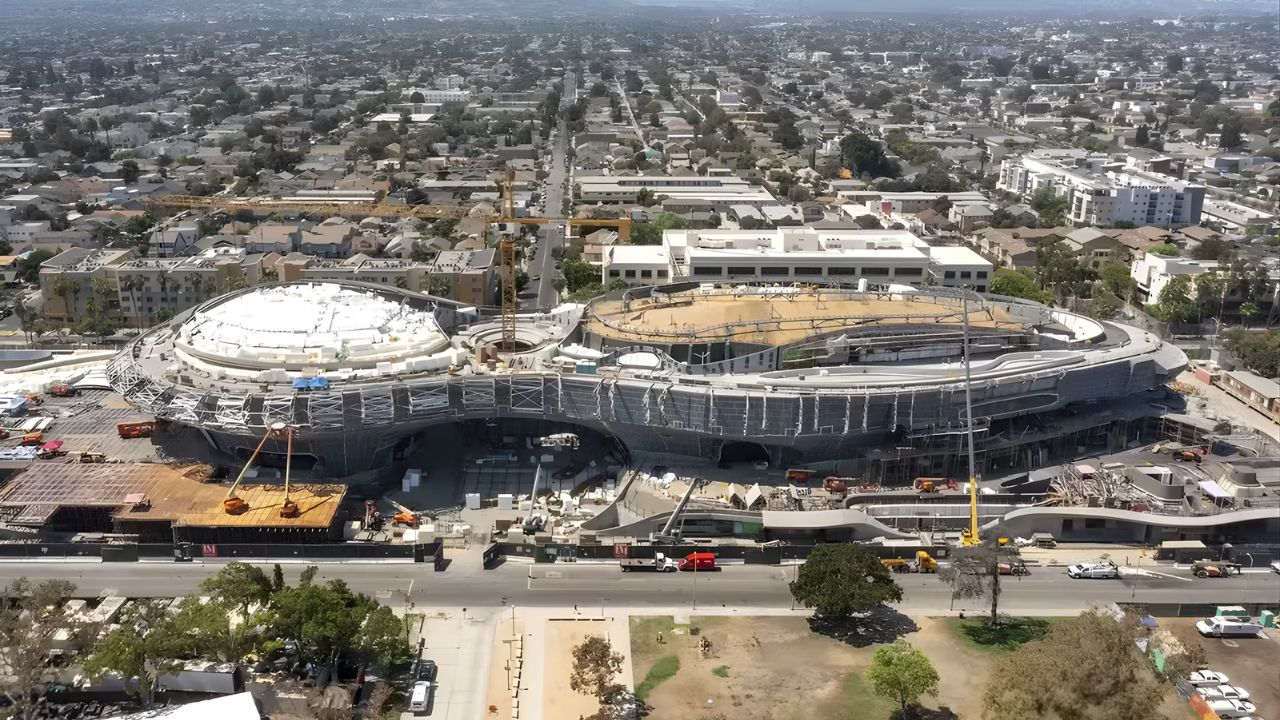
Created by George Lucas with over $1 billion, a futuristic museum in the shape of a spaceship with 1,500 curved panels is about to open in Los Angeles and will house one of the largest private collections of narrative art in the world.
-
Couple shows how they built a retaining wall on their property using 400 old tires: sloped land turned into plateaus, tires are aligned, filled, and compacted with layers of soil, with grass helping in support and at almost zero cost.

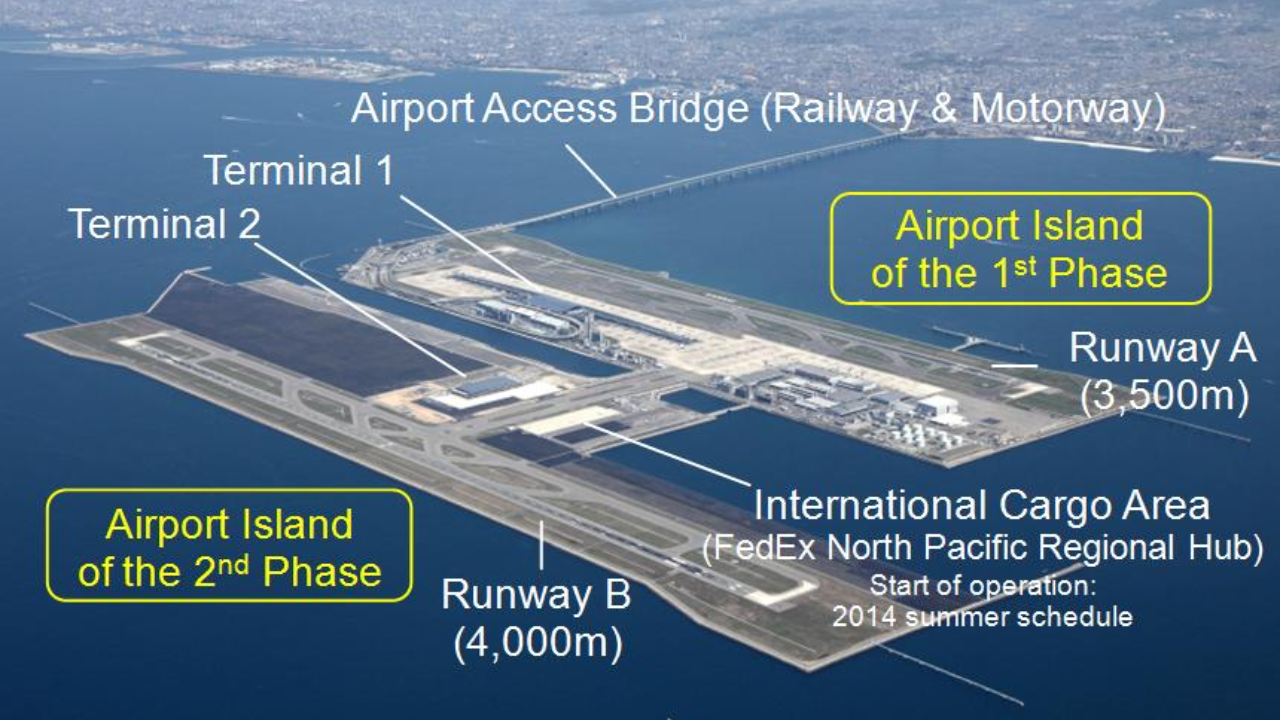
The Kansai Airport project began in 1987 and involved the construction of an artificial island specially created to house the airport infrastructure.
The idea of building in the sea was not only innovative but also a significant challenge for engineering, as it required the application of advanced techniques to ensure the stability of the island and the safety of the structure.
Challenges During Sea Construction
During the construction of Kansai Airport, engineers faced various challenges, especially related to the stability of the artificial island in the sea.
To ensure the durability and safety of the infrastructure, steel columns and advanced engineering technologies were installed, including anti-seismic solutions, that ensured the airport could withstand earthquakes and typhoons.
Furthermore, continuous monitoring and adjustments made to the island’s foundations ensured that the construction remained stable, even under the pressures of the sea.
This process required a meticulous application of structural and geotechnical engineering knowledge.
Innovation and Future of Kansai Airport
Kansai Airport is a clear example of how engineering can create innovative solutions for the challenges imposed by nature.
In addition to its impressive construction, the airport stands out for its use of sustainable technologies, such as harnessing solar energy, which reduce the environmental impact of operations.
The terminal’s design, for example, was conceived to be efficient and environmentally responsible, reflecting the ongoing pursuit of improvements in engineering and infrastructure construction.
As the airport continues to expand its operations, it also leads projects focused on sustainability and reducing environmental impacts, preparing to meet the growing demand for passengers and increasing air traffic.
Today, Kansai Airport is an icon of modern engineering, not only for its construction in the sea but also for its resilience and commitment to innovation.








E agora está afundando e corre o risco de sumir. 🤷♂️
Embarquei num voo da Emirates para o Brasil desse aeroporto, muito bonito e moderno, impressionante como foi feito.