





 Portuguese
  English
  Spanish
  5 min of reading
  2 comments





The Itanhaém Airport, which once had intense traffic and boosted the economy of the South Coast, now operates at a reduced pace after the transfer of Petrobras operations to Rio de Janeiro. The structure remains modern but underutilized.
The Antônio Ribeiro Nogueira Júnior Airport in Itanhaém once had days of intense traffic, with aircraft taking off and landing at a constant pace and the local economy growing around it.
Today, however, the coastal terminal lives a very different reality.
After Petrobras decided to concentrate flights transporting workers and supplies from the Santos Basin to airports in the state of Rio de Janeiro, the airport began to operate far below its capacity.
-
The Judean Desert flourishes alongside the Dead Sea, craters turn into freshwater lagoons with fish, and satellite images show Israel greener, raising debate about biblical prophecies in the world.

-
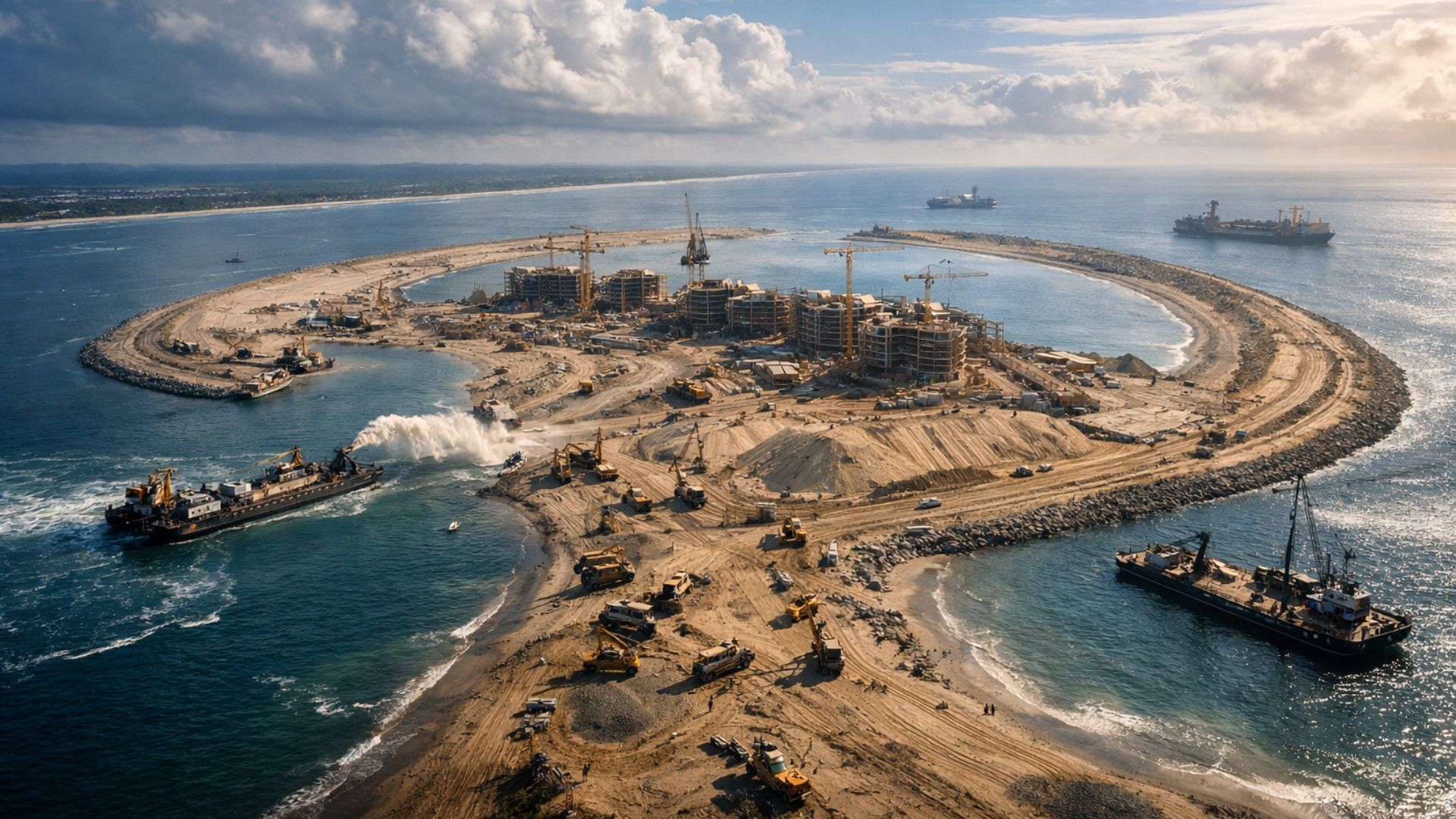
‘Artificial island of Dubai in Brazil’: construction of R$ 65 million inspired by a mega maritime structure, plans for complete urbanization, duplication of 2.2 km of a strategic road, and delivery in 2026, but is ultimately halted by Fepam.
-
The generation that grew up alone at home in the 80s reveals how an unsupervised childhood shaped adults with high adaptability, resilience, and emotional control, according to scientific studies that indicate a significant increase in tolerance for uncertainty.

-
Adolescents who regularly participate in household tasks develop up to 40% more sense of self-efficacy, according to studies in psychology, impacting autonomy, academic performance, emotional health, and the ability to cope with challenges in adulthood.

Potential of the Itanhaém Airport
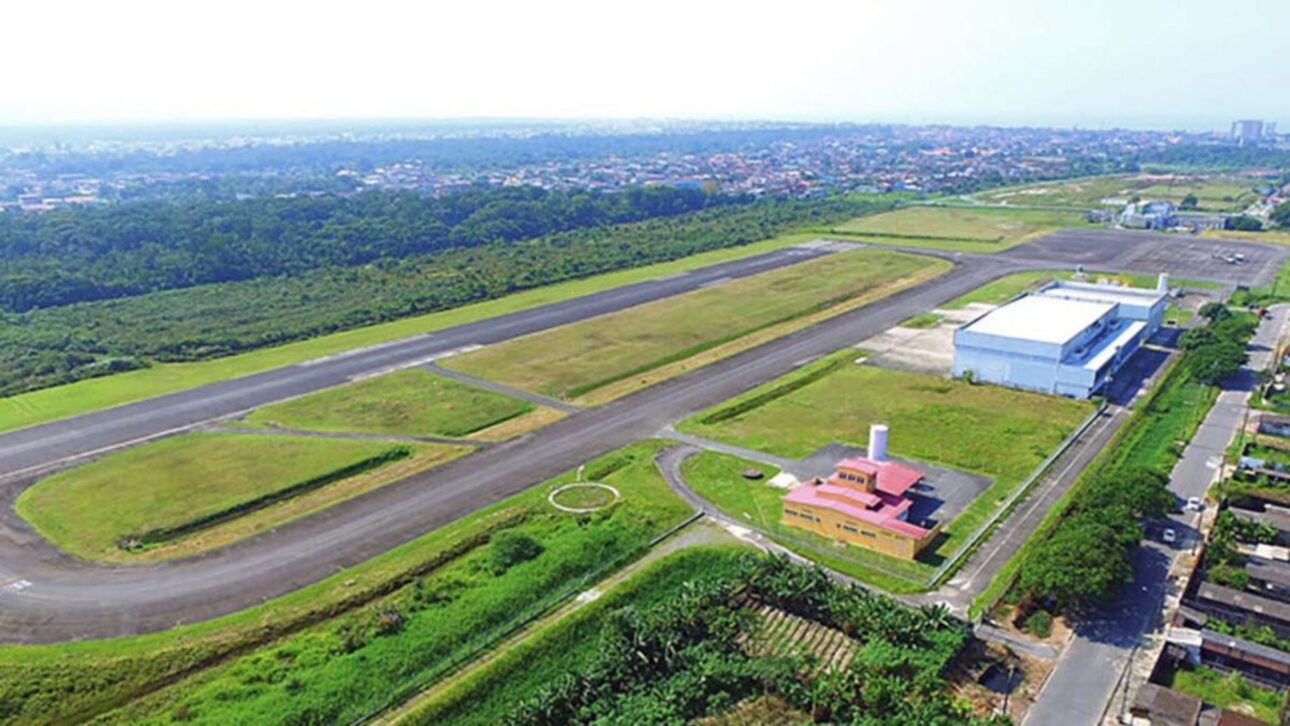
Located along the Padre Manoel da Nóbrega Highway, the airport was inaugurated in the mid-20th century and recorded tens of thousands of operations per year.
During that period, the growth of regional aviation also boosted the city’s commerce and services, attracting new companies and creating jobs.
Studies by industry entities indicate that the facility could handle over 100,000 passengers per year, considering the size of the runway and regional traffic.
However, the current number of departures and arrivals represents only a fraction of that potential.
The terminal, which once handled around 19,000 passengers at its peak, now operates almost like a ghost airport, limited to executive and training flights.
Petrobras’ Decision Changed the Scenario
The logistics reconfiguration by Petrobras permanently altered the scenario.
By transferring operations related to the Santos Basin to airports in Rio de Janeiro — such as Maricá and Jacarepaguá —, the company drastically reduced the volume of flights in Itanhaém.
The state-owned company claims that the redistribution of air bases aims to optimize safety and operational efficiency, continuously assessing the logistical needs of its offshore units.
As a result, workers’ travel has become longer and more costly.
Employees living in Baixada Santista now need to travel to Congonhas in São Paulo, and from there board flights to Rio de Janeiro.
Outsourced workers, in turn, travel by road to the cities in Rio where the boarding for the platforms takes place.
Economic Impacts on the South Coast
The impact on the city’s economy was immediate.
Hotels, restaurants, and small service providers that previously depended on the flow of professionals linked to the oil industry saw their businesses decline sharply.
In a statement, the Itanhaém City Hall acknowledged that Petrobras’ decision caused direct damages to the hotel network, commerce, and service provision.
The absence of regular flights has also stalled private investments around the airport.
Aviation and logistics business leaders indicate that the runway’s idleness represents waste of infrastructure in one of the regions with the greatest tourist and industrial potential in the São Paulo coast.
Structure Ready, but Without Commercial Use
The airport underwent renovations and received significant investments from both Petrobras and the state government.
Millions of reais were spent on safety, signaling, and improvements to the passenger terminal.
Management of the space was transferred to Rede Voa SP, a concessionaire that manages other regional airports in São Paulo.
With a runway capable of accommodating medium-sized aircraft — such as Boeing 737s — the terminal has the technical conditions to operate commercial flights with up to 100 passengers.
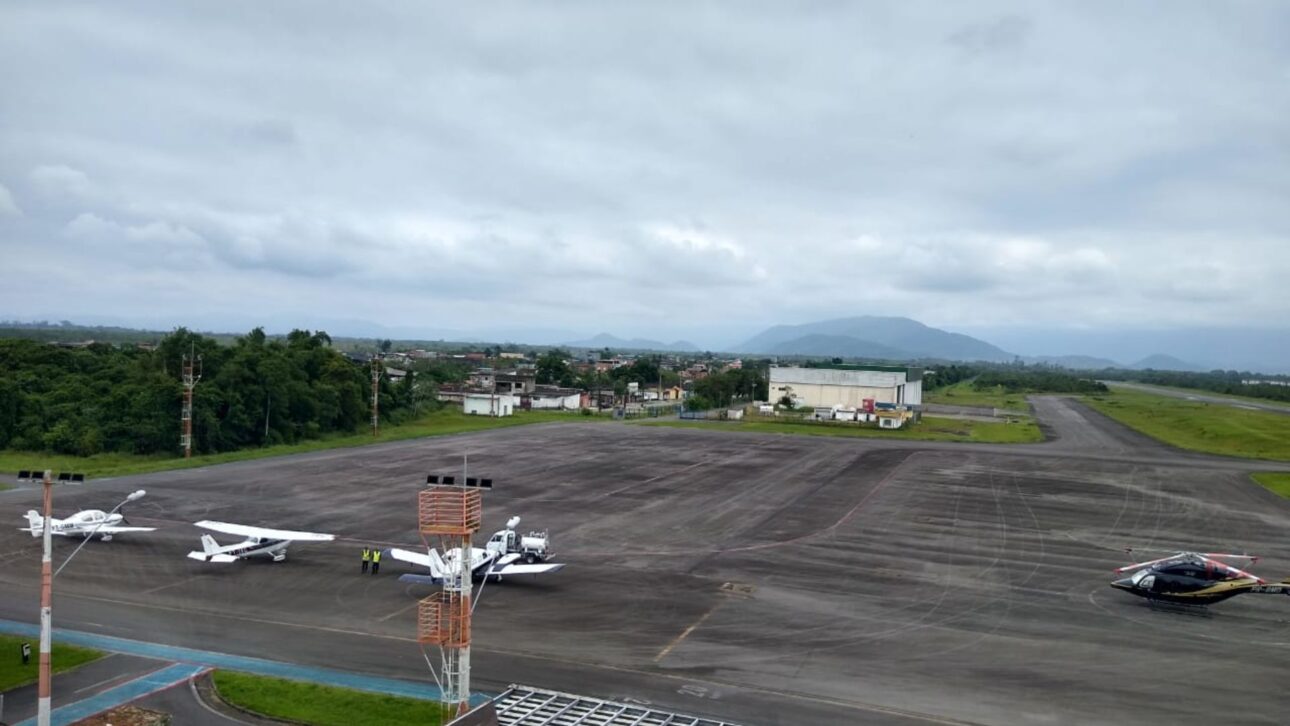
Even so, the lack of corporate demand and regular routes keeps the location underutilized.
According to Rede Voa’s management, the airport remains active for general aviation, helicopters, and air taxis, but without sufficient volume to resume the routine of the more prosperous years.
Oil Industry and Regional Emptiness
For representatives of the National Federation of Oil Workers, the decline in operations is linked not only to Petrobras’s logistical choices but also to the reduction of local content requirements in the oil chain.
According to Secretary-General Adaedson Costa, when there was a mandatory requirement for hiring Brazilian services, activity in Itanhaém was intense, and there were expansion projections.
With the end of this policy, the company focused its bases in other states and emptied part of its operations in São Paulo.
This change in industrial policy affected the economic dynamics of the region, which lost contracts, suppliers, and indirect jobs linked to the naval and aviation sectors.
The centralization of activities in Rio also took with it part of the revenue and investment that used to remain in the southern coast of São Paulo.
Uncertain Future and Dormant Potential
Aviation sector experts claim that the airport has all the technical conditions to resume large operations if new corporate or tourist demand emerges.
The growth of regional aviation in São Paulo and the advancement of nearby logistics hubs may rekindle companies’ interest in utilizing the facility.
In the meantime, the terminal continues to operate modestly, supported by private flights, training, and maintenance.
The landscape, once marked by Petrobras helicopters crossing the sky towards the pre-salt, is now quieter, symbolizing a shift in the city’s economic cycle.
Petrobras, for its part, maintains that it periodically reviews its air transport network and that any base expansion depends on technical and safety criteria.
The city and local entities are still seeking alternatives to attract new investments and diversify the use of the space.
Given the logistical potential and available infrastructure, what would be necessary for the Itanhaém Airport to take off again and recover the traffic that once boosted the entire region?






É difícil passar um avião por aqui, em Itanhaém: é isso que dá a descentralização da economia pois visa apenas interesses individuais e o todo fica prejudicado. Mas Deus é grande e a Petrobrás também!
Isso é que dá, a centralização de recursos, no eixo sul-sudeste do país. O pior de tudo e, que os recursos aplicados nessas regiões é jogado lixo. Recursos que poderiam ser aplicados em outras regiões; como o nordeste e região norte, Esse lado do país, tão esquecido pelos e, nossos governantes. Isso é um absurdo ! Só as regiões do sul-sudeste, tem o direito à essas benesses. De Fortaleza- Ceará.