





 Portuguese
  English
  Spanish
  5 min of reading
  0 comments


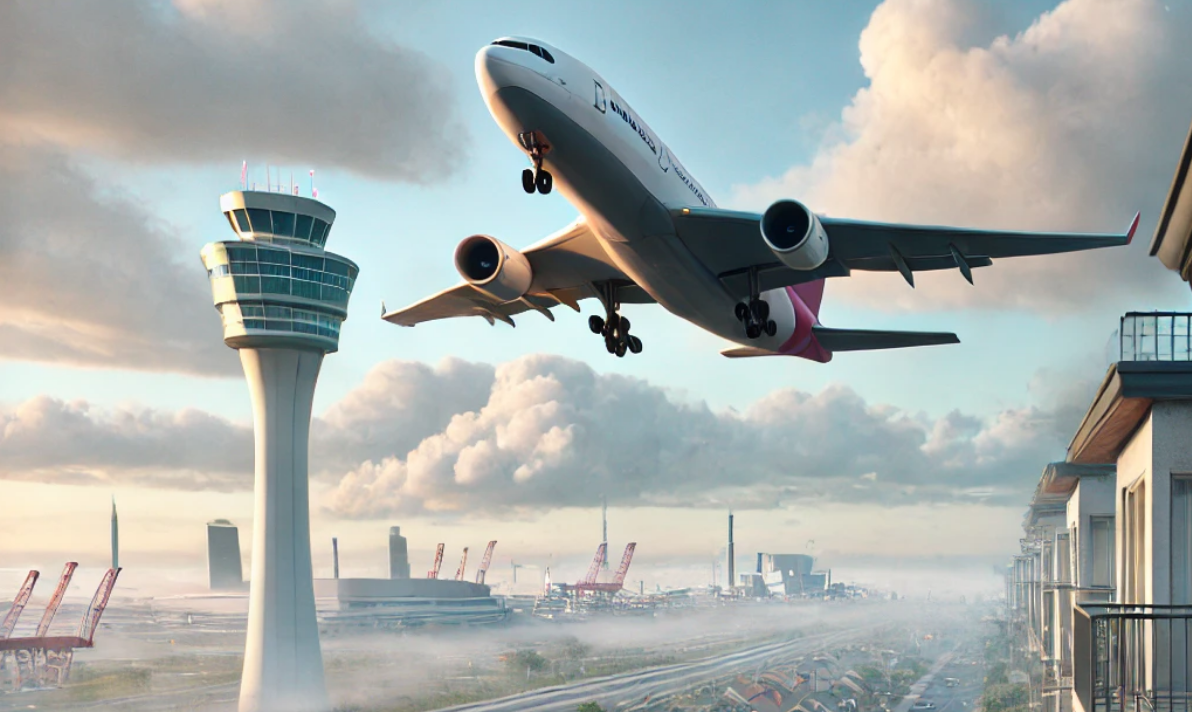
Living Near Large Airports May Be More Dangerous Than Previously Thought. Studies Indicate That Exposure to Constant Aircraft Noise Is Associated With a Significant Increase in the Risk of Serious Heart Problems
People living close to large airports face greater risks of developing serious heart problems due to constant exposure to noise from aircraft.
A study led by researchers from University College London (UCL), published in the respected Journal of the American College of Cardiology (JACC), revealed how constant noise can alter the structure and function of the heart, especially during nighttime periods.
The research, which analyzed over 3,600 individuals in areas adjacent to the airports of Heathrow, Gatwick, Birmingham, and Manchester, identified serious cardiovascular alterations, including muscle stiffness and reduced heart efficiency.
-
They were brilliant! Scientists discover that our ancestors in China were already making super advanced tools 160,000 years ago, changing everything we knew.

-
Scientists unveil 3 million years of climate secrets hidden in the ice of Antarctica.

-
Ancient farmers created “aggressive plants” that changed nature forever.

-
Astronomers find a “backward” solar system that ignores all the rules of space and leaves scientists scratching their heads!


The impact was more pronounced among participants exposed to high levels of noise at night, a time when rest and sleep are often interrupted.
Heart Problems Related to Airports
The results show that excessive aircraft noise is directly linked to changes in the heart’s structure.
Individuals living in areas with high noise levels had thicker and stiffer heart muscles, making it more difficult for them to contract and expand efficiently to pump blood.
These changes increase the chances of serious heart diseases, such as heart attacks, arrhythmias, and even strokes.
Nighttime exposure to noise was identified as the main harmful factor. During the night, the human body has a higher need for rest, but noise directly interferes with sleep and increases stress levels.
Previous studies had already linked noise exposure to hypertension and obesity, but this research provides concrete data on the structural changes in the heart.
Dr. Cristian Topriceanu from UCL’s Institute of Cardiovascular Sciences emphasized that the impact of noise on the heart is multifaceted, affecting both physical and mental health. “The results indicate a clear relationship between noise exposure and cardiac changes, even when other risk factors are controlled,” said the researcher.
The Effects of Nighttime Noise
One of the most concerning findings was the impact of nighttime noise, which directly affects sleep quality, essential for the body’s recovery.
According to Dr. Gaby Captur, a cardiologist at Royal Free Hospital and senior author of the study, sleep interruption stimulates the sympathetic nervous system, known for activating the “fight or flight” response.
This can lead to spikes in blood pressure, increased release of the stress hormone (cortisol), and worsening of inflammation in the body.
“Although our study is observational and does not prove causality, it reinforces a growing body of evidence about the harmful impact of noise on human health. The changes we observed in the heart are consistent with issues that increase the risks of severe events, such as heart attacks and strokes,” explained Dr. Captur.
Professor Anna Hansell from the University of Leicester, also involved in the study, highlighted the importance of addressing nighttime aircraft noise as a public health issue.
“Cardiac abnormalities associated with noise can have lasting effects, putting millions of people at risk. Interrupted sleep, combined with high noise levels, is one of the main factors that exacerbate cardiovascular health,” she emphasized.
Alarming Data on Exposure
According to the study, about 8% of participants lived in areas with high levels of daytime noise, while 3% faced the same problem at night.
To measure noise levels, researchers used data from the UK Civil Aviation Authority, which considers noise elevated for any exposure above 50 decibels during the day and 45 decibels at night.
These values exceed the limits recommended by the World Health Organization (WHO), which suggests maximum levels of 45 decibels during the day and 40 decibels at night.
However, the health impact is not limited to those living near airports. Researchers also analyzed a larger sample of over 21,000 people to investigate how cardiac abnormalities similar to those found in the study could increase the risk of severe events.
They concluded that individuals with these changes may be up to four times more likely to suffer heart attacks, severe arrhythmias, or strokes.
Previous studies conducted by the University of Leicester estimated that 5% of the adult population in England is exposed to noise levels above the recommended limit. This represents millions of people living under conditions that could severely harm their long-term health.
Noise, Stress, and Cardiovascular Health
The impact of noise extends beyond sleep disruptions. Constant and unpredictable noises, such as those from aircraft, trigger chronic stress responses that affect the entire body. The overactivation of the sympathetic nervous system not only raises blood pressure but also contributes to inflammation, weight gain, and atherosclerosis – the buildup of fat plaques in the arteries, a key factor for cardiovascular diseases.
About 25% to 50% of the link between aircraft noise and heart problems can be attributed to the increase in body mass index (BMI) among exposed participants, while up to 36% is related to elevated blood pressure.
These factors, combined with sleep deprivation, form a concerning picture for those living near busy airports.
Additionally, aircraft noise is considered more annoying than road or rail noise due to its unpredictability and varying intensity. This characteristic hinders the body’s adaptation and amplifies the negative health effects.
Call for Concrete Actions
The study authors emphasized the need for immediate actions to reduce noise levels in residential areas near airports.
Dr. Captur reinforced that joint efforts between governments and the aviation industry are crucial to mitigate the impacts of noise. “Millions of people are exposed to unnecessary health risks. We need more effective public policies to limit noise exposure and protect the quality of life of these communities,” she warned.
Professor James Leiper from the British Heart Foundation praised the research for shedding light on a rarely discussed problem. “Most of us associate airplanes with travel and leisure, but for those living near large airports, the health impact can be devastating. This study is an important reminder that noise can be as harmful as other forms of pollution,” he stated.










Seja o primeiro a reagir!