





 Português
  Inglês
  Espanhol
  2 min de leitura


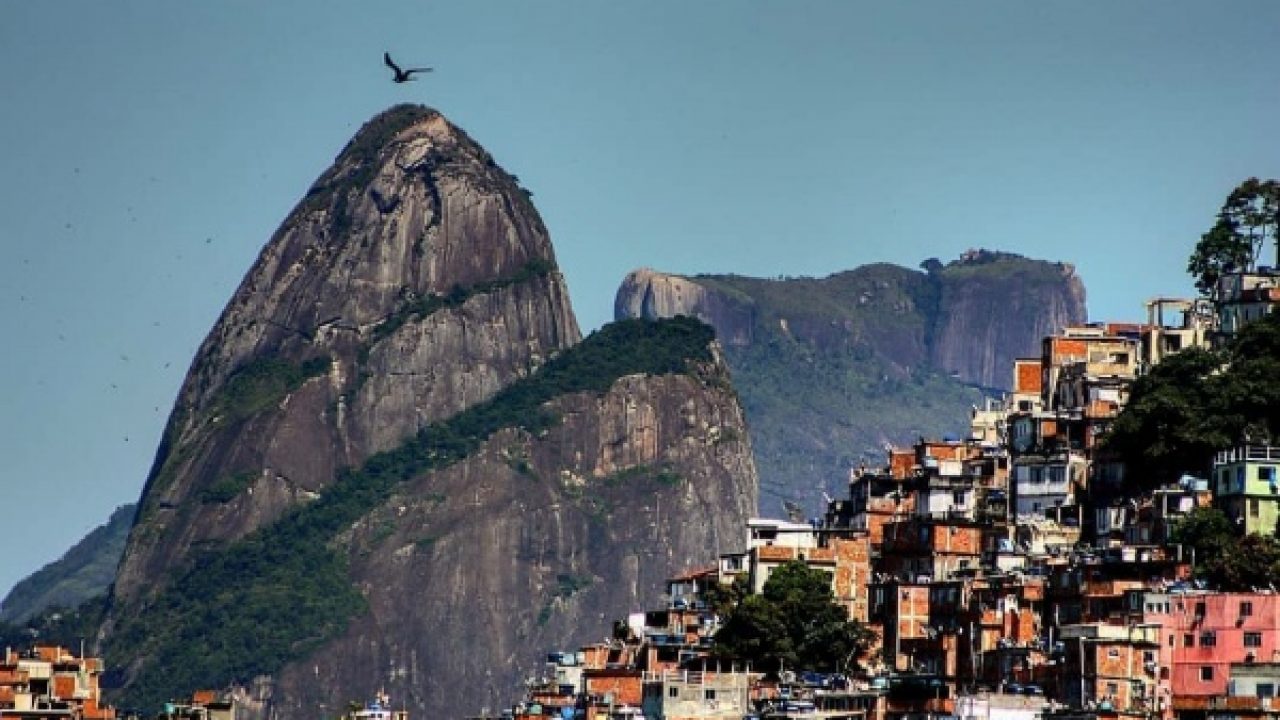
Taxes in Brazil Are Considered the Worst in Allocating Taxes for the Minimum Comfort and Well-Being of the Population, According to Edition 11 of the Welfare Return Index (Irbes) Prepared by the Brazilian Institute of Planning and Taxation (IBPT).
This study shows the 30 countries that collected the most taxes worldwide, with Brazil presented in last place in the survey since it started in 2011. According to the Brazilian Institute of Planning and Taxation (IBPT), the entire calculation of the study also takes into account the total tax burden in relation to GDP (weighted with about 15% importance) along with the Human Development Index (HDI) (weighted with about 85% importance).
For the fourth consecutive time, Ireland was ranked first in the study, considered the country that best allocates taxes for the well-being of its population among all nations that collect the most.
“It is necessary to allocate the Brazilian budget in a more assertive and qualitative manner,” says the executive president of IBPT, Dr. João Eloi Olenike. “The amount Brazil currently allocates for investments that promote growth in the HDI is very low,” emphasizes Dr. Olenike.
-
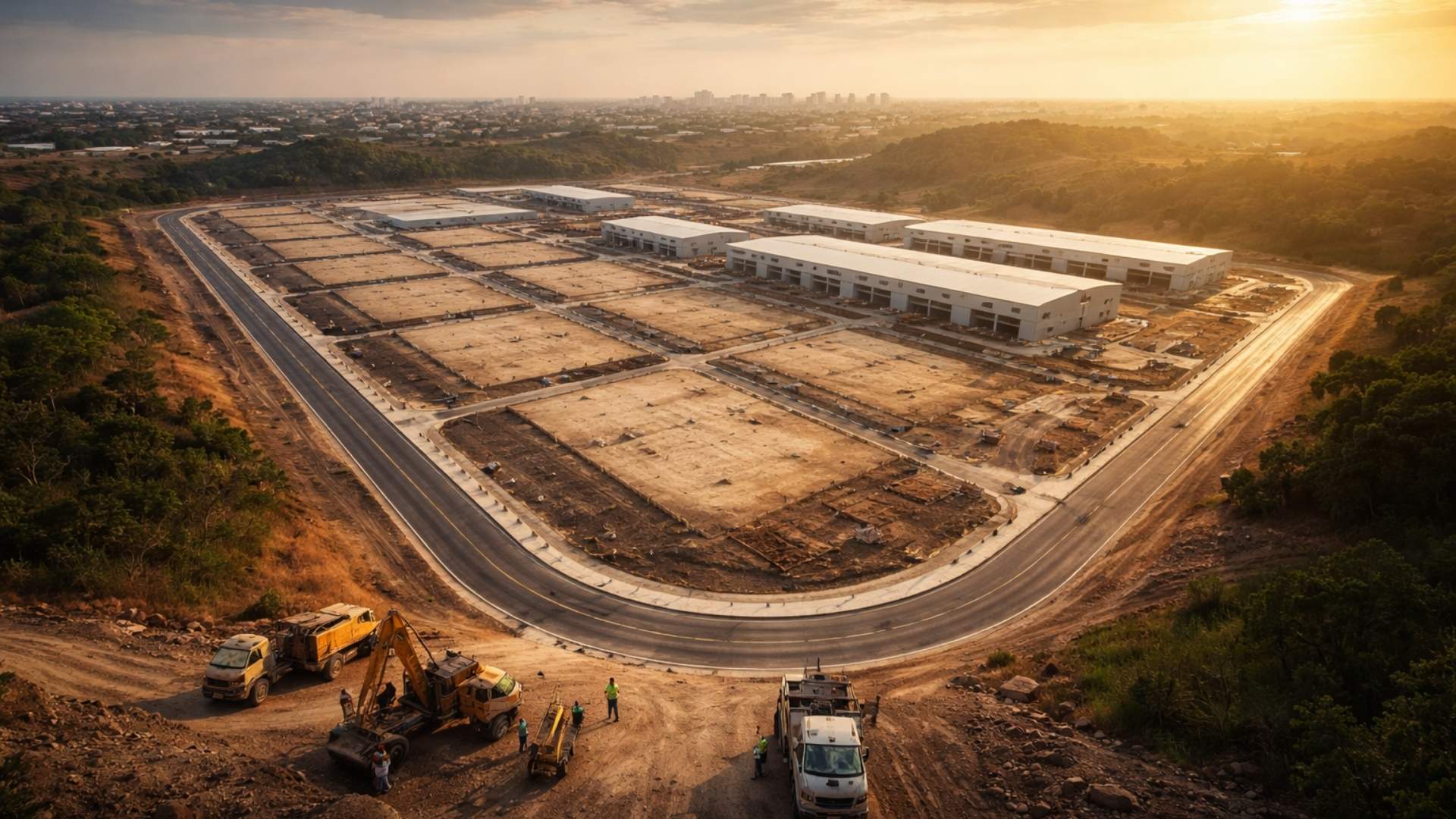
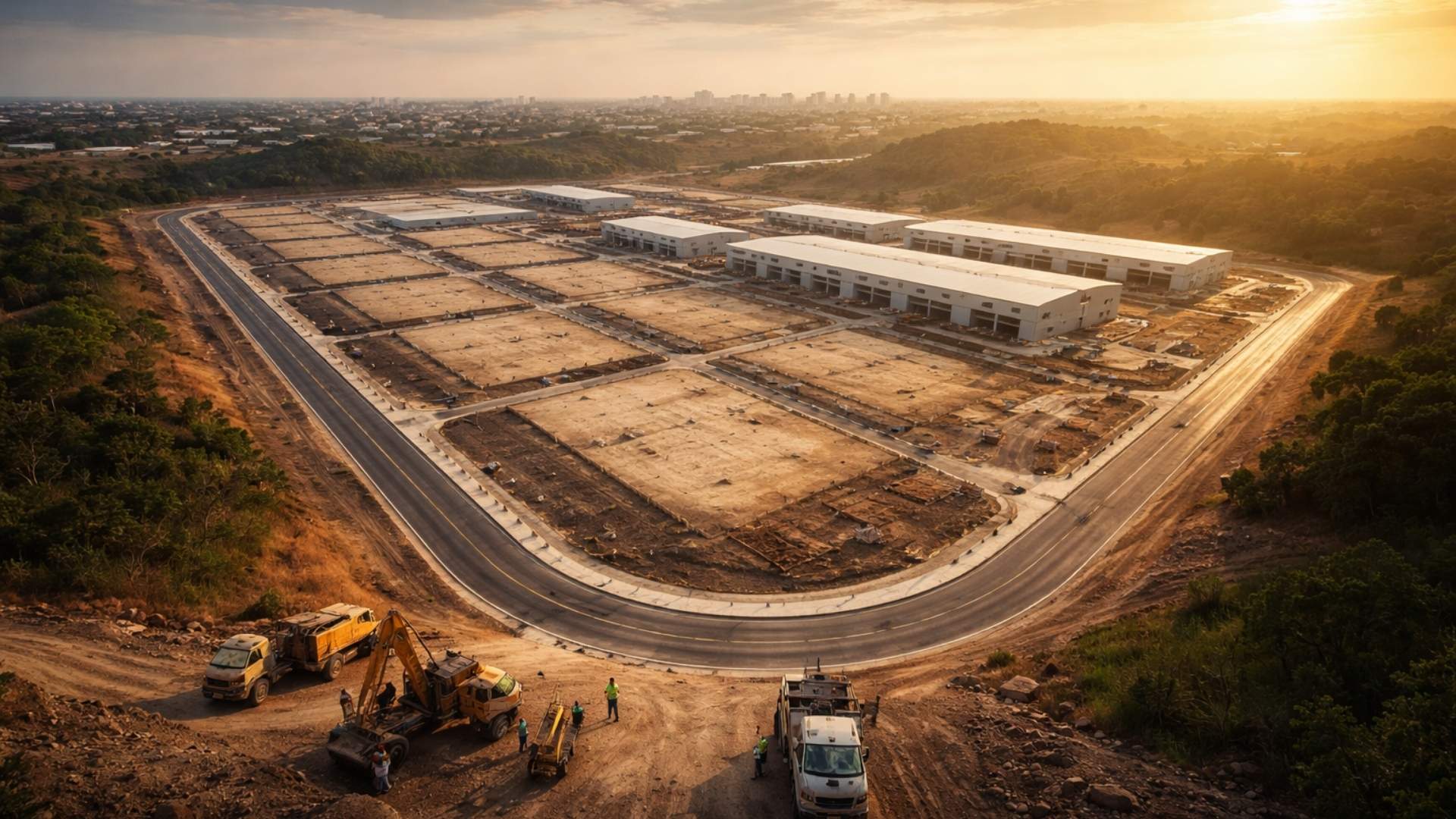
Brazilian city gains industrial hub for 85 companies that is equivalent to 55 football fields.
-
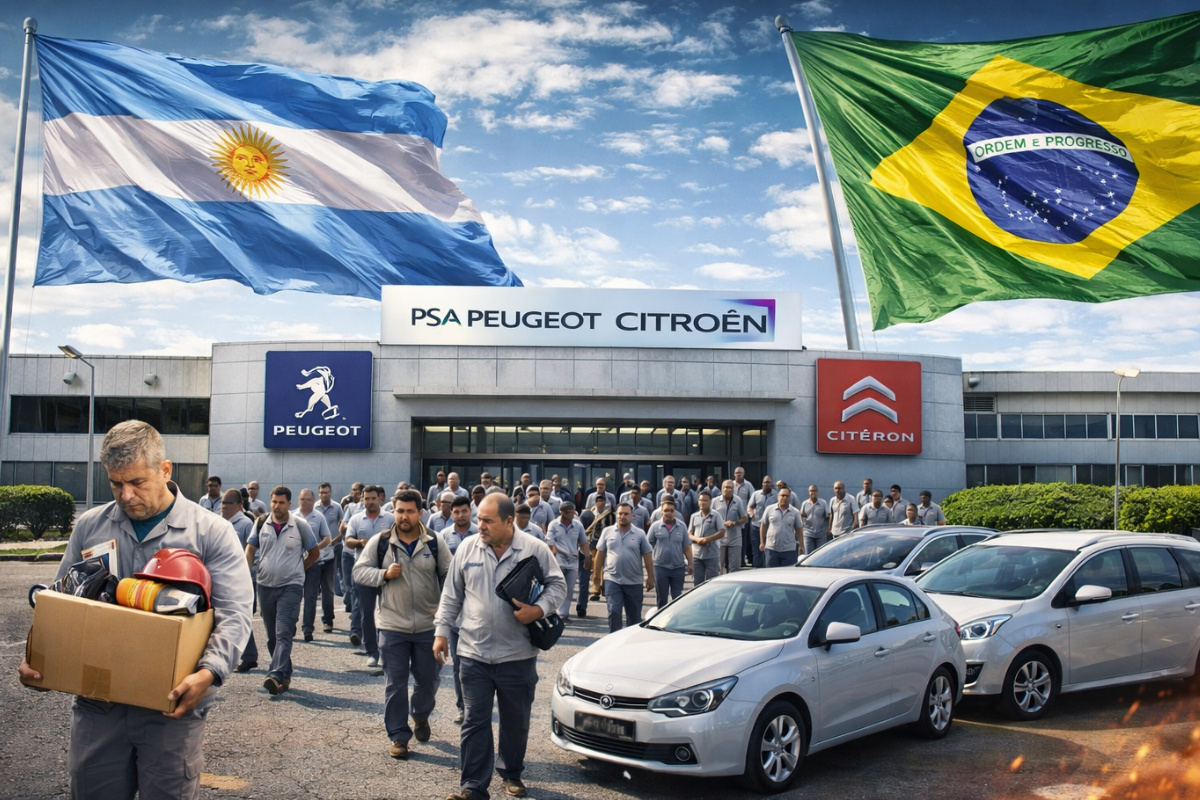
Peugeot and Citroën factory in Argentina cuts production by half and opens a layoff program for more than 2,000 employees after Brazil drastically reduced purchases of Argentine vehicles.
-
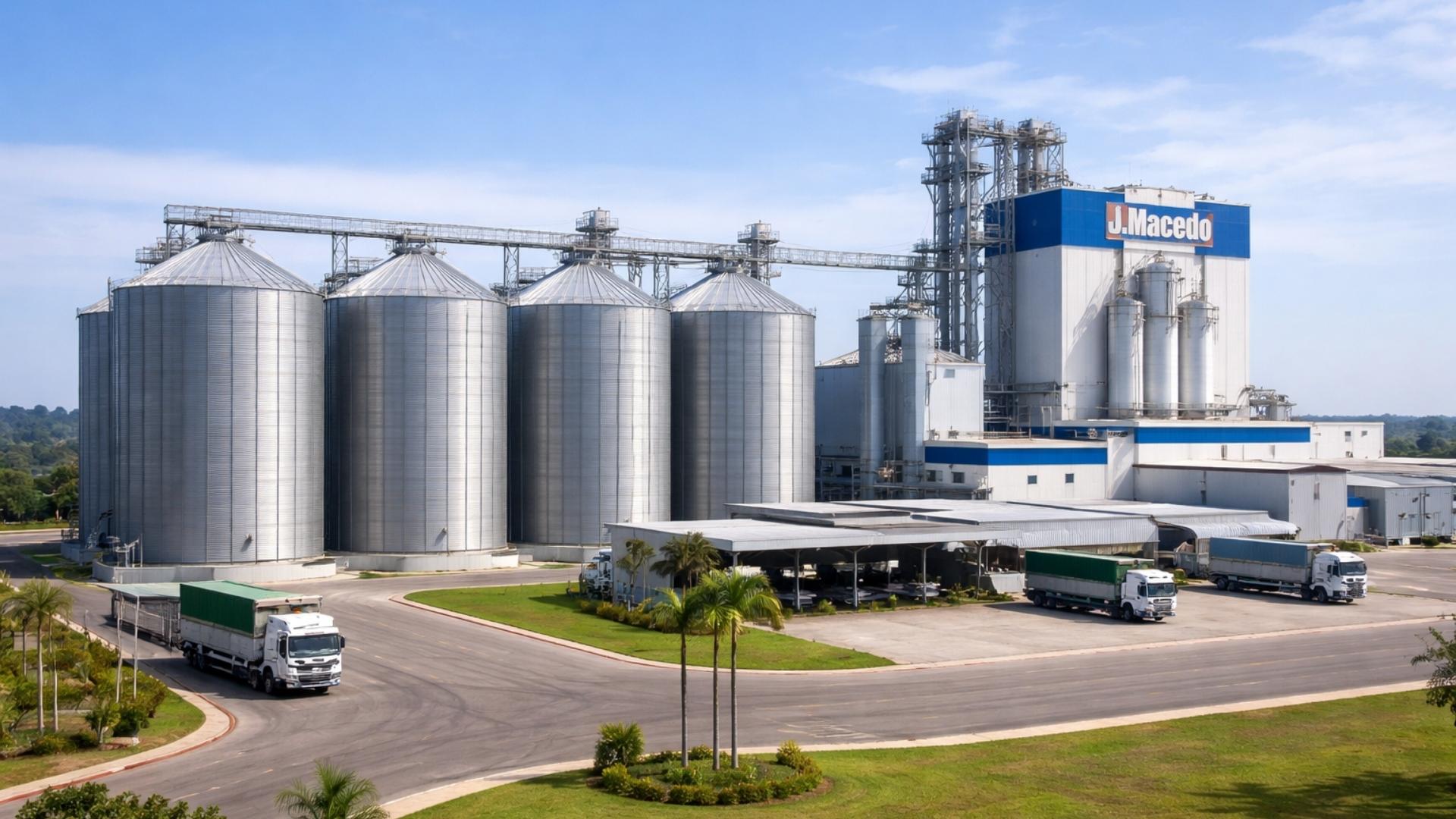
A Brazilian city gains a factory worth R$ 300 million with the capacity to process 200 thousand tons of wheat per year, a mill of 660 tons/day, silos for 42 thousand tons, and an industrial area of 276 thousand m².
-
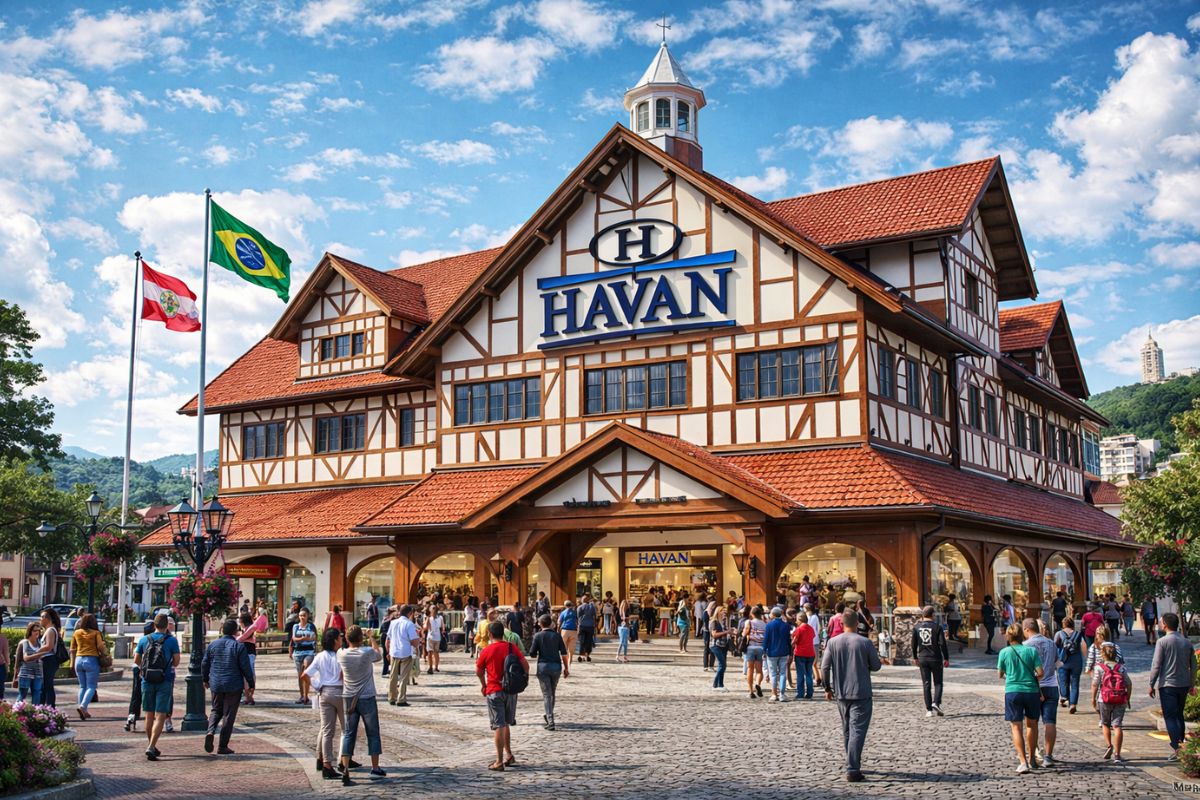
Havan will leave the shopping mall in Blumenau to inaugurate something that the chain has never done before: a megastore in half-timbered style in the Historic Center of the city, which is expected to be completed in May and change the landscape of local retail.

According to estimates from the Impostômetro of the São Paulo Commercial Association (ACSP), in 2022, Brazilian taxpayers paid about R$ 2.89 trillion in taxes to state, municipal, and federal governments.
Cost of Brazil
According to João Olenike, one of the main factors that weigh on the Cost of Brazil is the high taxes charged in Brazil, which influences investment in the country, resulting in significant impacts on improving the quality of well-being and life of the population.
“Many refrain from investing here because costs are too high, the taxation is high, there is legal security, ports that are not very efficient, toll roads, and even when they are good, most are in poor condition,” evaluates João Eloi Olenike. The president also points out the issue of transport logistics, which is not considered adequate for the size of the country, along with the bureaucracy surrounding it.
For João Eloi Olenike, as long as this scenario does not change, Brazil will continue to collect a lot of taxes from the population, but the return will be poor for society.
With all this, last Thursday, the 12th, Lula (PT) stated that changes in Brazil’s taxes will be necessary. According to him, the rich must pay even more taxes than the poor.









Seja o primeiro a reagir!