






 Portuguese
  Spanish
 3 min of reading


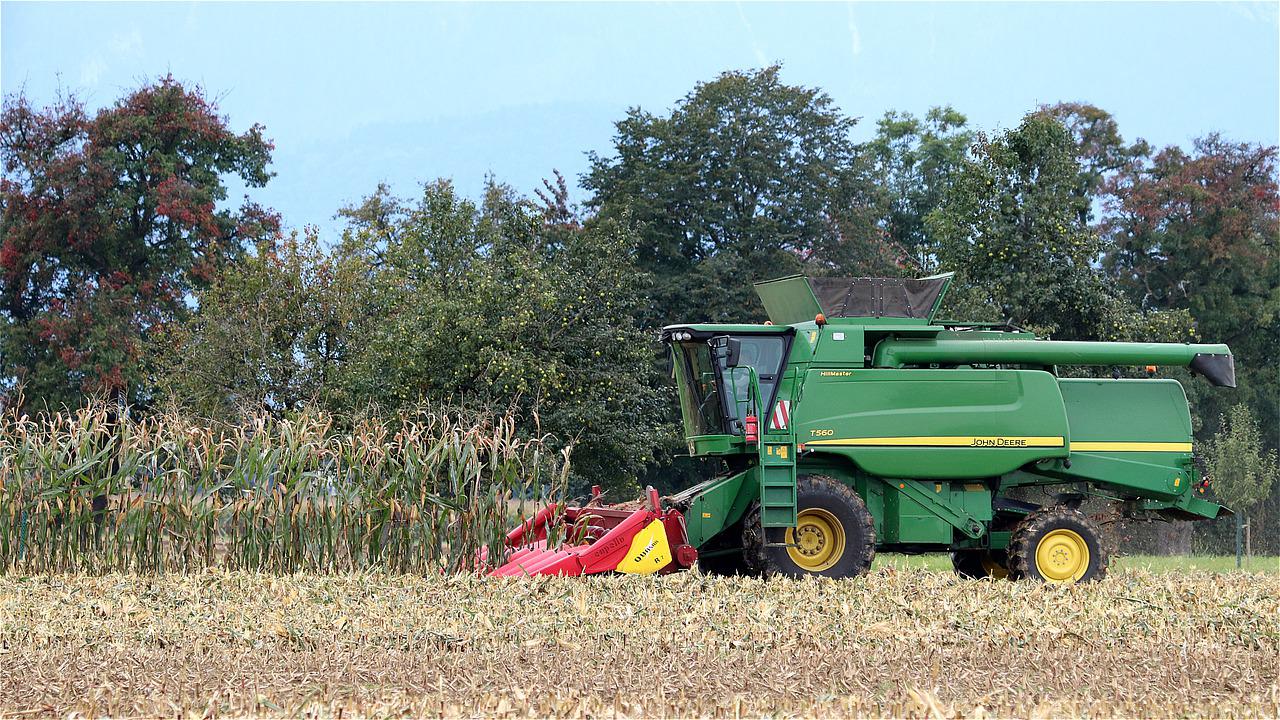
In Recent Years, China’s Demand for Corn Has Grown Exponentially, and the United States Continues Exporting Millions of Tons to the Country. However, Brazil Continues to Grow in the Corn Market and Does Not Seem to Be Slowing Down Its Progress Anytime Soon.
In November of last year, the Chinese market opened up to Brazilian corn, allowing farmers and exporters to take advantage of the opening, in a scenario where the U.S. is losing control of the market they once dominated.
A month ago, Brazil and China reached an agreement to allow corn trade between the countries; however, the market is already booming. This occurred due to Chinese disinterest in American corn, allowing a significant amount of Brazilian corn to be exported to the Asian country.
According to Collin Waters, Director of Exports and Logistics at the Illinois Corn Marketing Board and the Illinois Corn Growers Association, the scenario has indeed allowed the Brazilian corn market to gain value on the international stage.
-
Brazilian Joins Homeownership Consortium, Faces Decade of Dual Payments Totaling $141,000, Surpassing Traditional Mortgage

-
Land Rover to Halt Production in July, Putting 371 Jobs at Risk, as Chinese Automaker Negotiates to Convert Factory to 100,000 Vehicles Annually by 2027

-
Mexican Pest Threatens U.S. Cattle Herds at Historic Lows, Potentially Boosting Brazilian Beef Exports as Burger Prices Soar

-
Brazilian Freight Bill Progresses in Congress with $5,000 Minimum Wage, 70% Advance Payment, and Fines Up to $1 Million, as Agriculture and Industry Warn of Rising Costs and Legal Uncertainty


Brazilian Corn Market Shows Its Power in the Segment


Last week, 22 ships set sail for China carrying 1.2 million tons of Brazilian corn, according to Luiz Carlos Pacheco, Senior Analyst at TF Agro Econômica. In addition, Brazil is already preparing to ship another 800 thousand tons of corn to fulfill an order from COFCO, a Chinese state-owned grain company.
Recently, COFCO placed an order for 2 million tons of Brazilian corn for delivery in February, while considering buying much more. Before the China-Brazil partnership was established last year, the main options for China’s corn imports were the U.S., Argentina, and Ukraine. Now, with the corn market declining in Argentina, and Ukraine being a less viable option due to the Russian invasion, corn prices have risen considerably in the U.S., making this option less feasible for China.
In the past month, the USDA Foreign Agricultural Service noted that U.S. agricultural exports to China reached record highs for the year 2022; however, corn was a commodity that saw a considerable decline.
On the other hand, it is essential to mention that the totals for the 2022 fiscal year still performed well, being the second-largest of all time. However, the fiscal year ended on September 30, before the Brazilian corn market was widely consumed and valued by China.
Despite the cumulative U.S. corn exports to China in the 2022-23 marketing year so far exceeding last year, data from FAS shows that China has significantly reduced its commitments in the corn market for the remainder of the year.
By the end of December, outstanding U.S. corn sales to China were at 292 thousand tons. However, at the same time, China had pledged to buy nearly 10 million tons of corn from the U.S. This indicates that China is purchasing a significant amount of Brazilian corn and does not plan to stop anytime soon.





Be the first to react!