





 Portuguese
  English
  Spanish
  3 min of reading
  2 comments


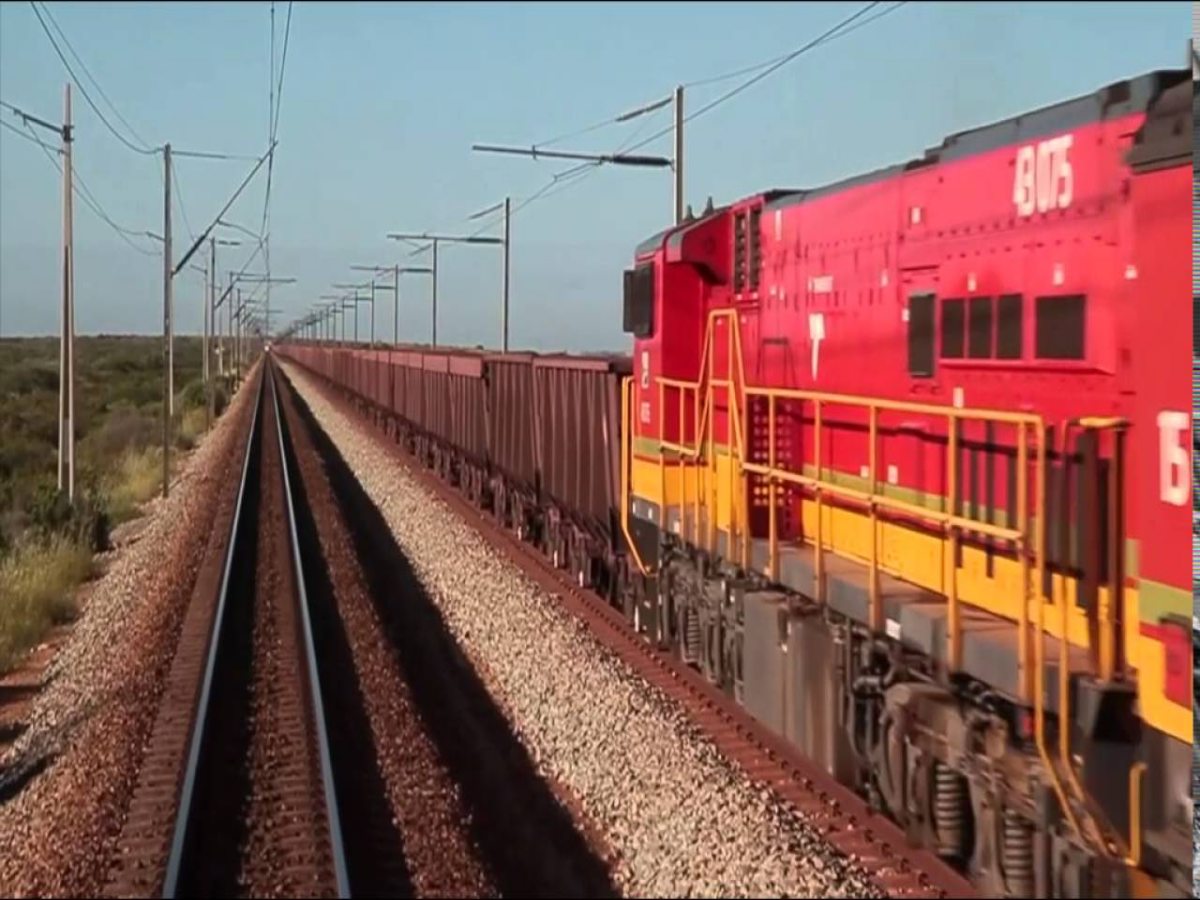


The Largest Iron Ore Train in the World Is in South Africa: Understand the Economic and Geopolitical Impact of the Sishen-Saldanha Railway
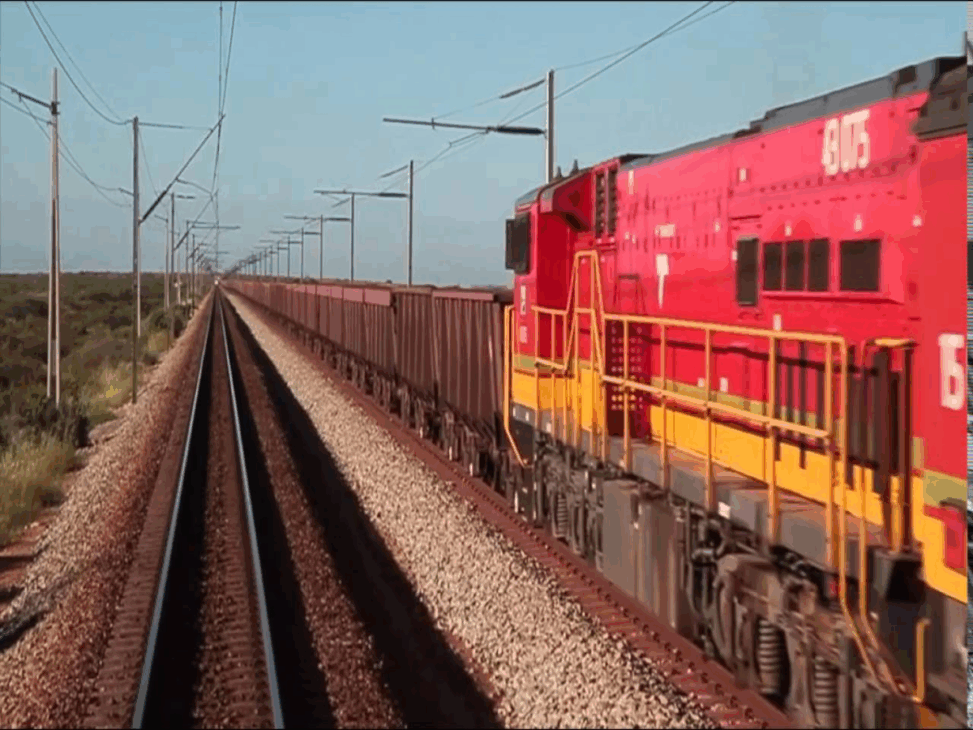
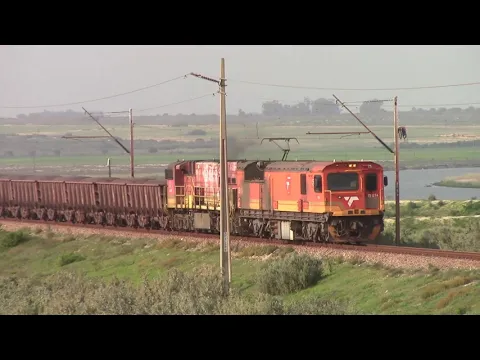
Imagine a metal train nearly 4 km long, carrying tens of thousands of tons of ore across the savanna until it reaches the sea. It is precisely here, between Sishen and Saldanha, in South Africa, that the industrial heart of the country beats. This monster railway was conceived in the 1970s, during the height of apartheid tensions, to ensure that the red gold from the mines reached the coast and was exported smoothly. What started as a plan from ISCOR is now one of the world’s logistical giants, still expanding.
From Discovery to Project Start
When vast deposits of ore were identified in Sishen, in the northwest Cape, ISCOR (South African Iron and Steel Corporation) took charge and presented an audacious plan: a special heavy train that would cross the arid lands and reach Saldanha, on the coast, to accelerate maritime outflow. It was a chance to strengthen exports at a time when the country faced isolation due to international sanctions, a decisive push for the construction of the line.
Controversies, Debates, and the Port Selection
Parliament was heated: the National Party vs the United Party debated every inch of the future railway. In 1973, the Construction Bill crossed the political stage, including the controversial choice between the ports of Saldanha or St. Croix, each version bringing huge impacts on logistics and regional costs.
-
Why was the Great Wall of China built? The truth that many are unaware of!
-
At 73.8 meters tall, the world’s tallest teapot-shaped building has 15 floors, ensures stability, and impresses with an internal space of 28,000 cubic meters.
-
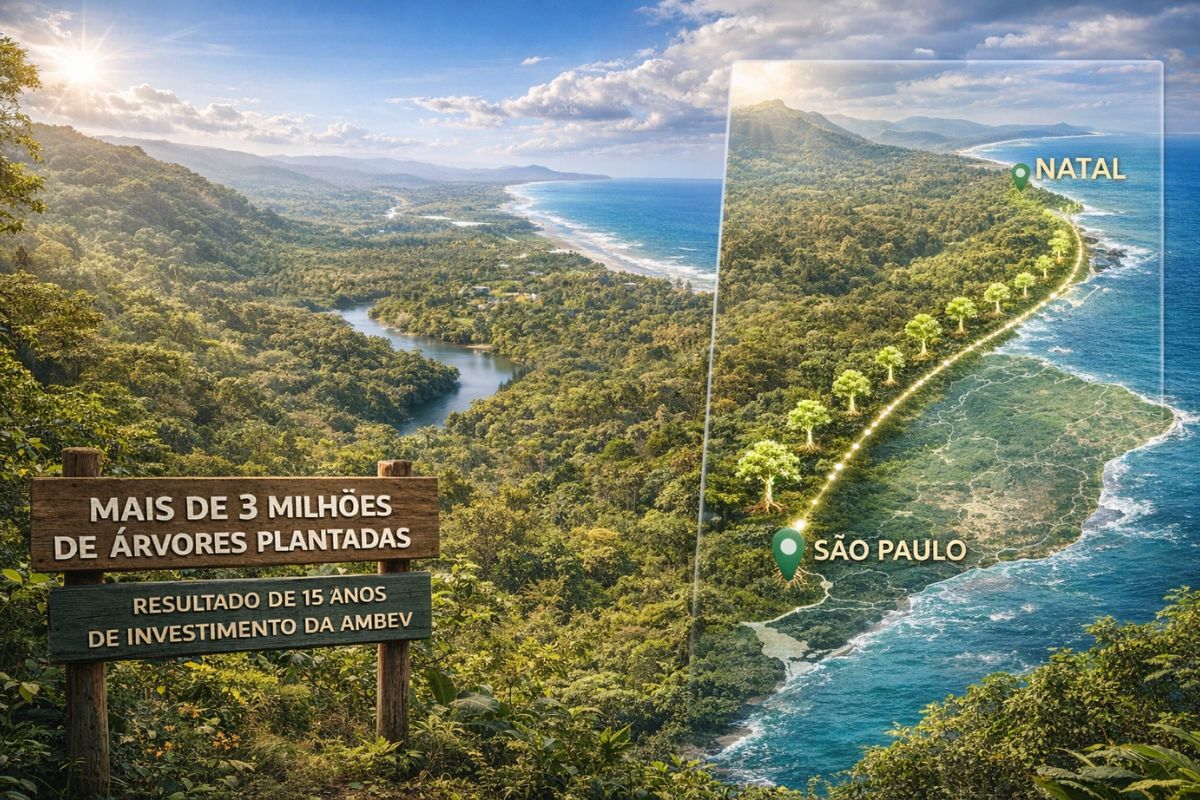
Ambev has planted over 3 million trees and restored an area equivalent to the coastline from São Paulo to Natal, and the result after 15 years of silent investment has finally appeared for all of Brazil to see.
-
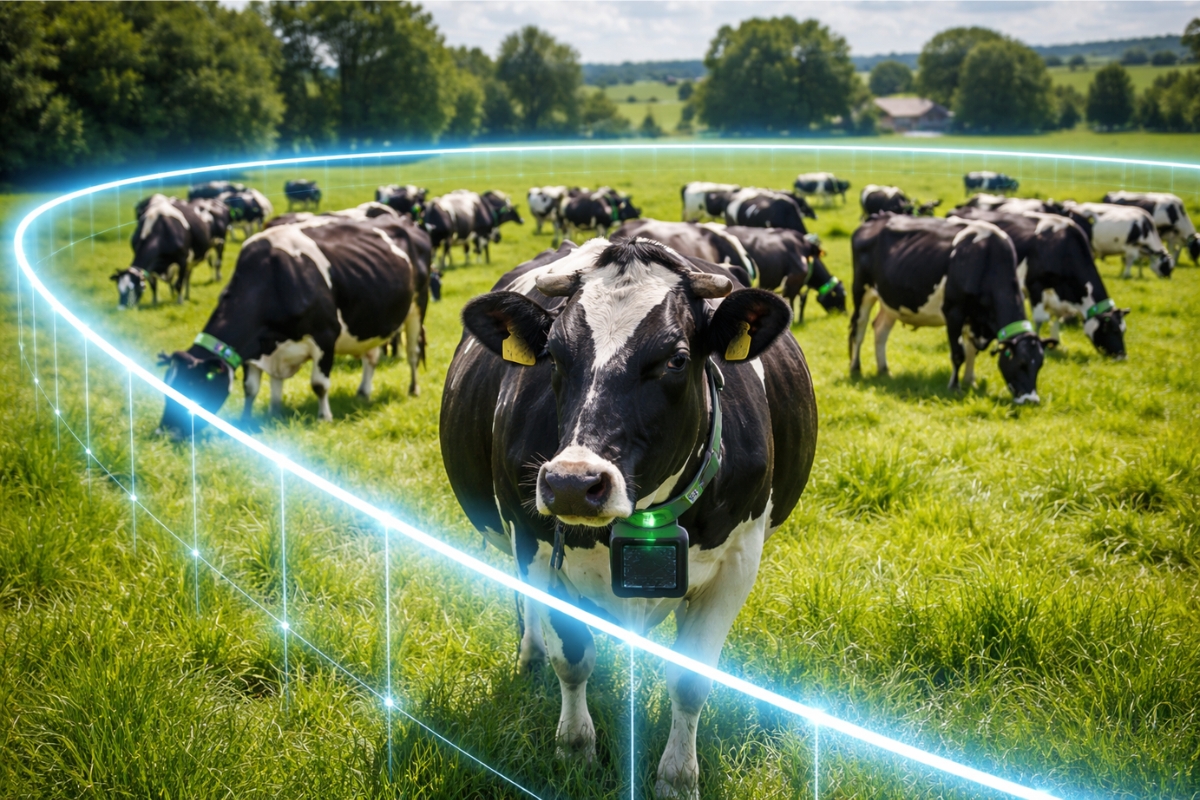
A new AI collar technology for cattle eliminates physical fences, creates virtual barriers, monitors animals 24/7, and detects changes in behavior and health.

Technically Monstrous and Ultra-Modern
When the first train departed in 1976, it was a pure engineering feat. There are 861 km of single track with 50 kV electrification, instead of the usual 25 kV standards, allowing trains of 41,400 tons, currently with 342 wagons and locomotives in RDP technology, protected by loops for crossings.
By 2019, operations expanded to 375 wagons. Yesterday and today, the route moves approximately 60 million tons per year, strengthening ore exports.
Present Day: More Expansion, More Public and Private Partnerships
In recent months, there have been strong negotiations between Transnet and mining companies like Glencore and Anglo American to inject billions of rands into the line, which has suffered from theft, vandalism, and aging infrastructure. Since April 2025, it has opened up to private operators, and investments amount to about R$ 9 billion just for the ore railway.
According to Ian Bird from B4SA, “we are at a point where something needs to be done” to regain capacity and meet export targets.
Why Does All This Still Matter to the World?
Global Economy: With the line stabilized, ore exports become more predictable, impacting global prices.
Geoengineering: The railway remains a laboratory for technological solutions (50 kV electrification, loops, giant trains).
Safety and Maintenance: There were 28 cases of vandalism recorded in 2024, necessitating urgent adjustments and increased surveillance.
And Now, What Comes Next?
ISCOR is now history, and today Transnet, in partnership with private companies, is in charge. Discussions revolve around:
1. Modernization of electrical systems.
2. Enhanced security along the 861 km.
3. Optimization of train dispatch, reducing waiting time and increasing volumes, aiming for targets of 193 Mt annually by 2029.
Will It Be Controversial?
On one hand, you have the largest iron ore railway in the world operating for nearly half a century. On the other, a country struggling to keep this 861 km system alive, competitive, and safe, amid the pressure from groups, crime, and technical failures. But for the South African economy, and for the global commodities circuit, this route remains vital.
What do you think? Does this train journey deserve a conversation? If you enjoyed this journey through the logistical heart of South Africa, leave your comment here or share this text with other infrastructure and industrial history enthusiasts!





Fui diagnosticada com doença de Parkinson há quatro anos. Por mais de dois anos, dependi da levodopa e de vários outros medicamentos, mas, infelizmente, os sintomas continuaram piorando. Os tremores se tornaram mais perceptíveis e meu equilíbrio e mobilidade começaram a declinar rapidamente. No ano passado, por desespero e esperança, decidi experimentar um programa de tratamento à base de ervas da NaturePath Herbal Clinic.
Sinceramente, eu estava cética no início, mas, poucos meses após o início do tratamento, comecei a notar mudanças reais. Meus movimentos ficaram mais suaves, os tremores diminuíram e me senti mais firme ao caminhar. Incrivelmente, também recuperei grande parte da minha energia e confiança. Tem sido uma experiência transformadora. Me sinto mais eu mesma novamente, melhor do que me sentia há anos. Se você ou um ente querido está lutando contra a doença de Parkinson, recomendo muito que você considere a abordagem natural deles. Você pode visitar o site deles em www. naturepathherbalclinic .com
Enorme feito da economia sul africana que atravessou eras políticas complexas, sem perder o foco. Os políticos passam, o país, a economia e o povo continuam… o combate e a antecipação ao crime é fundamental.