





 Portuguese
  English
  Spanish
  4 min of reading
  0 comments


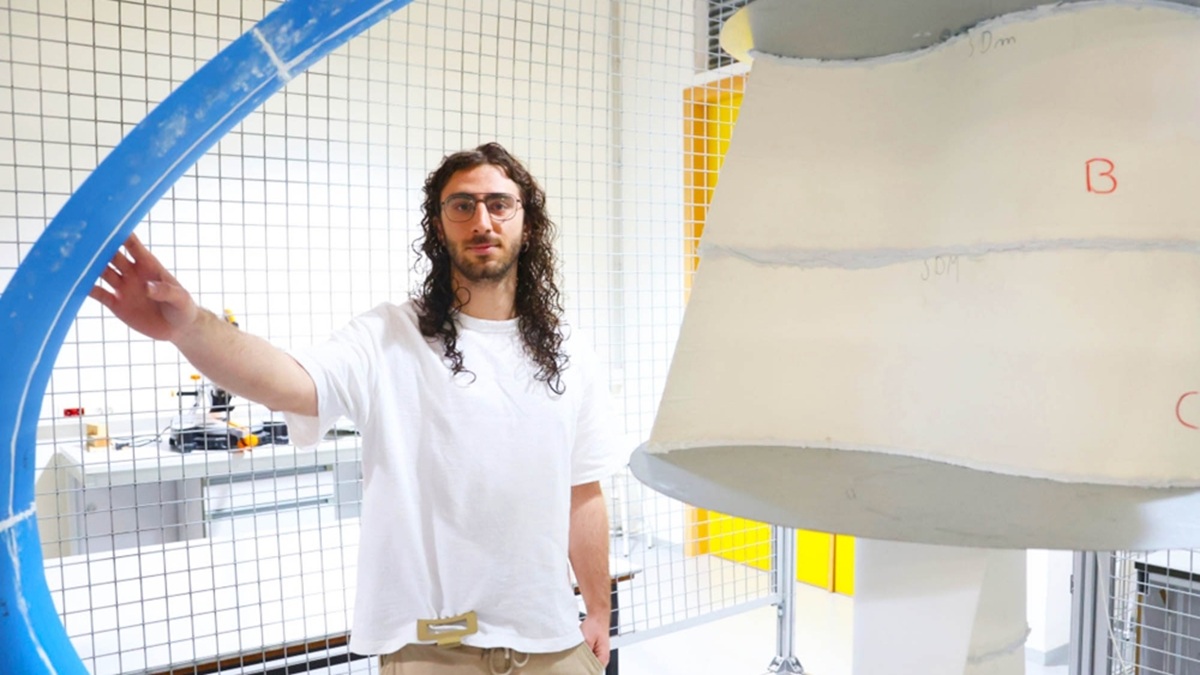
Developed by a student of the Polytechnic University of Cartagena over 10 months, the vertical axis wind turbine surpassed 500 revolutions per minute in the laboratory, was designed to operate in urban areas, and emerges as an alternative to diversify small-scale electricity generation.
A student from the Polytechnic University of Cartagena (UPCT) developed a vertical axis wind turbine aimed at small-scale electricity generation, with the proposal to diversify energy production sources and contribute, in the long term, to reducing electricity prices. The prototype emerged as a Final Course Project and was created to function in environments where wind behavior is more variable.
The initiative was led by Javier Escribano Renard, under the supervision of Professor José Serna from the Department of Fluids and Thermal Machines at the university. Over ten months, the student dedicated himself to the development of the equipment, with about six months of work in an almost full-time capacity.
Development of the wind turbine at the university
The wind turbine created by Javier Escribano Renard uses a hybrid vertical axis configuration, capable of capturing wind from different directions without depending on rotor orientation. This feature makes the model more suitable for installation in buildings or urban areas, where air currents tend to be less predictable than in conventional wind farms.
-
Brazil exposes critical fragility in air defense, says site. With few Gepard, Igla-S, and RBS 70 systems, the country does not cover medium altitude and remains vulnerable to drones, missiles, and attacks that cause billions in recent wars.

-
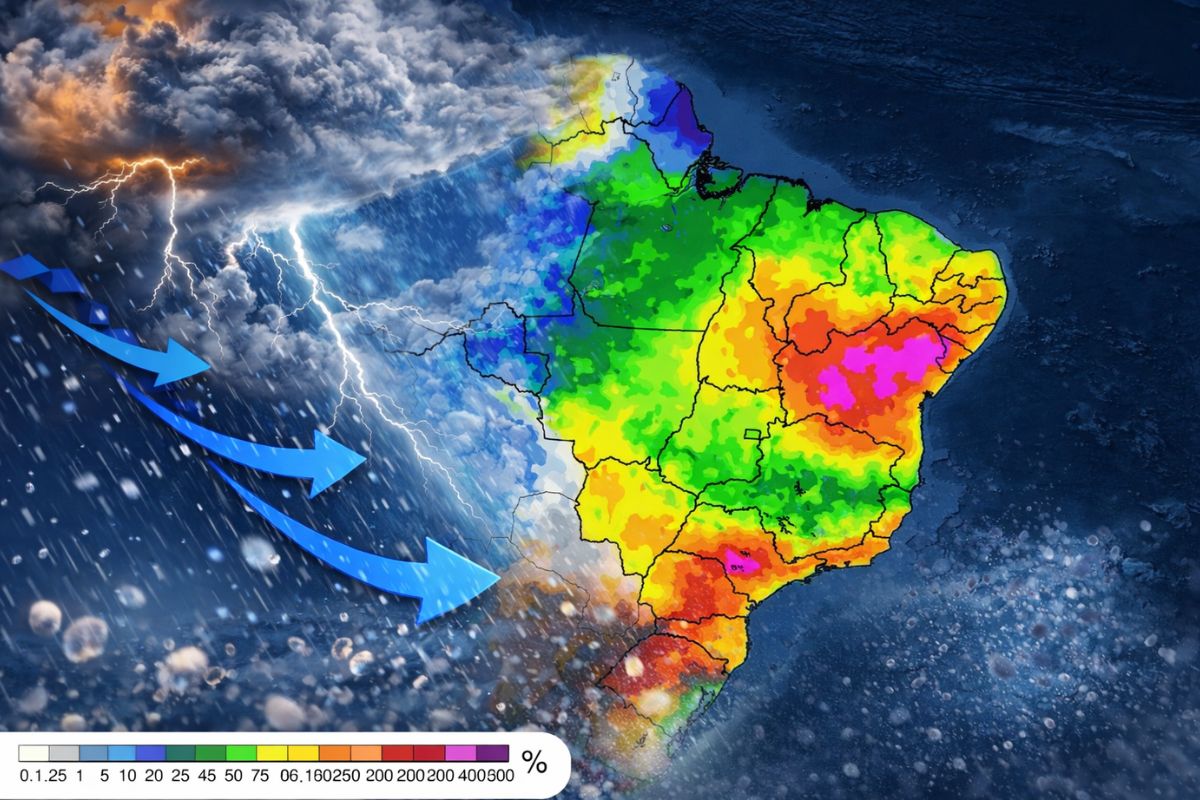
The truce after the last cyclone is over: a new cold front is hitting five states between Saturday and Sunday with up to 100 millimeters of rain, risk of hail, and wind gusts that could cause damage from Rio Grande do Sul to São Paulo.
-
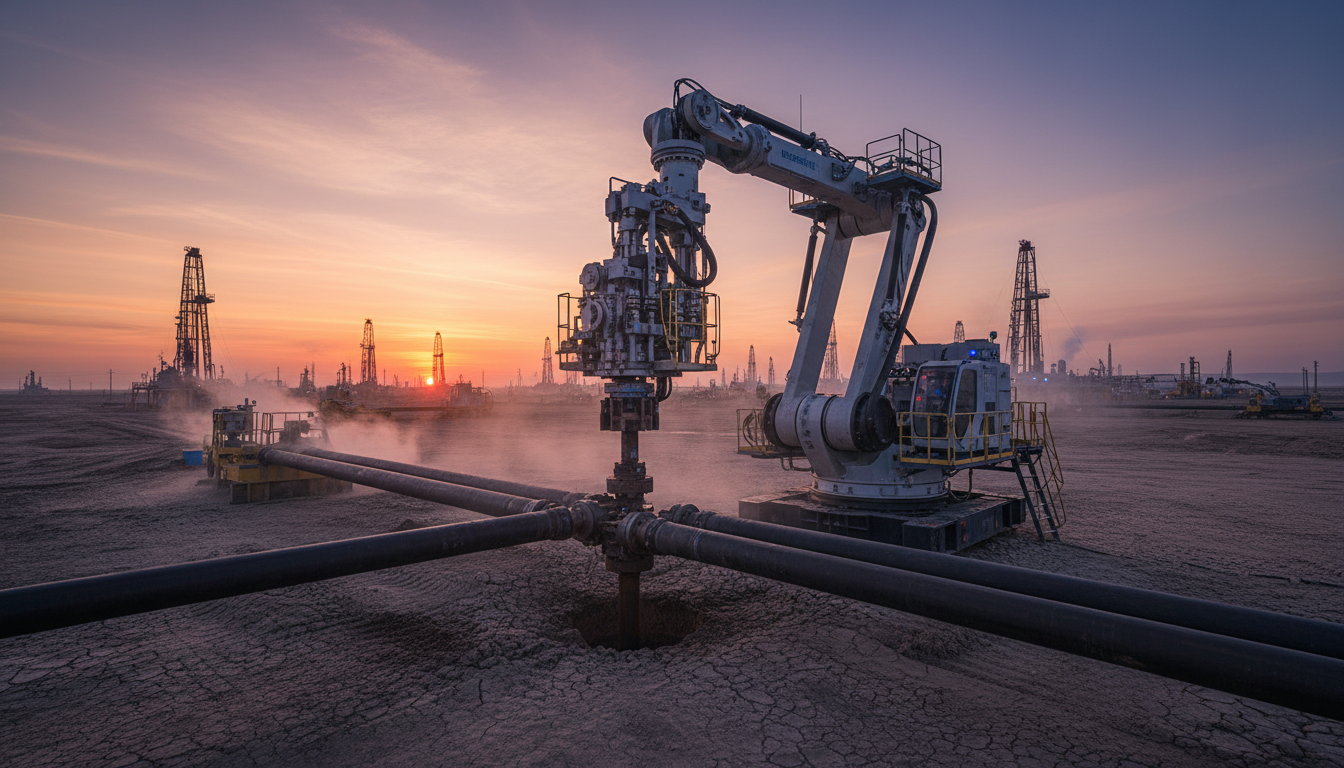
Robots already operate oil rigs without humans, connect pipelines on their own, and inspect platforms in the dark, and the world’s largest drilling company plans to cut 75% of the crew at each well.
-
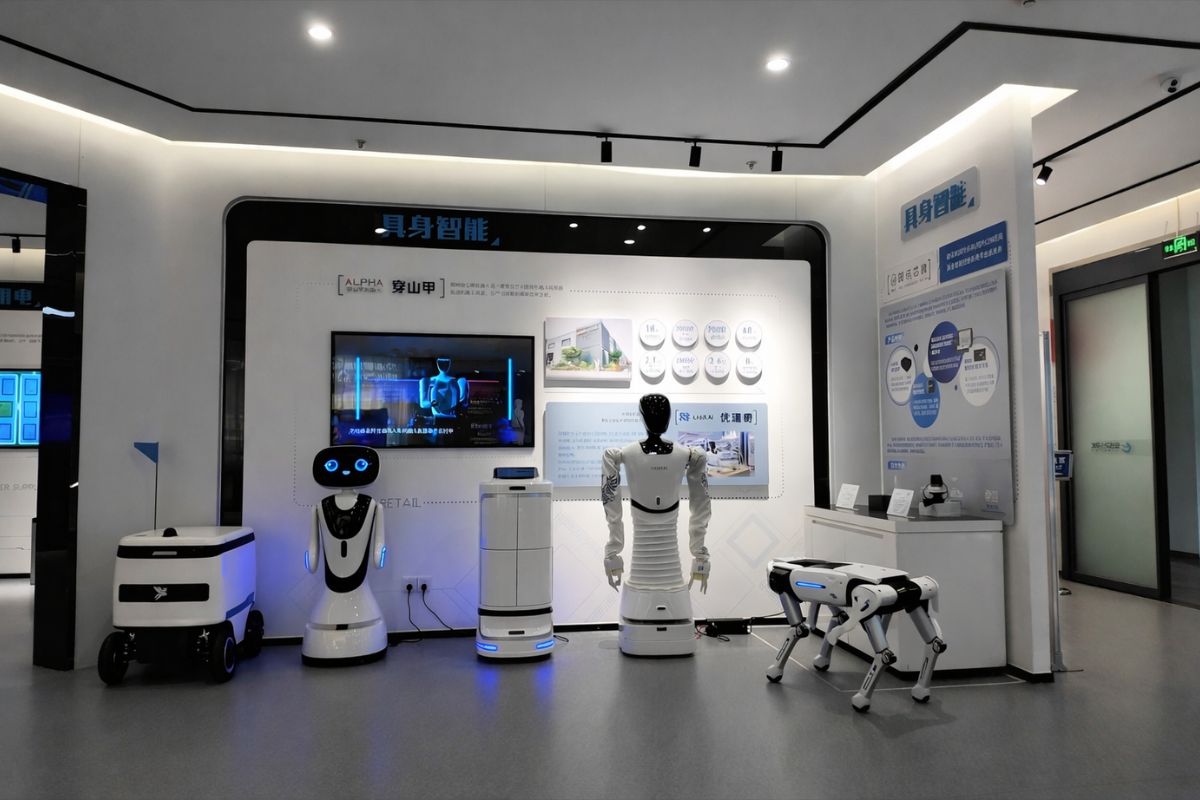
In China, a single person with artificial intelligence tools can already do the work of 50 to 100 employees: the new five-year plan bets on the one-person company model, and Suzhou is the laboratory for this revolution.
The prototype was designed to replicate, on a smaller scale, the operation of commercial turbines. The manufacturing included parts produced by 3D printing, in a process that took several months within the university due to the limited availability of equipment.
In an industrial environment, the production of these parts could be completed in a considerably shorter time. Even so, the demonstrator was finalized and served as a basis to evaluate the system’s behavior under controlled laboratory conditions.
Tests of the prototype and performance achieved
In the tests conducted in the laboratory, the device surpassed 500 revolutions per minute. The result was obtained without coupling the system to a larger electric generator, a condition that, according to the project author, would avoid performance losses during this specific evaluation stage.
Javier Escribano Renard stated to murciaplaza.com that the recorded speed shows the potential of the proposal, although he does not yet consider the losses that would occur in the actual electricity generation. The measured performance, therefore, was treated as a technical indication of the operation of the set in its experimental phase.
The wind turbine was also conceived as a complementary solution within a more diversified energy system. The proposal suggests that distributing generation among different sources and production times could contribute to the balance of the electrical system.
Limited funding hindered project advancement
The development of the prototype faced financial difficulties from the early stages. The project received funding from the university’s own department for the purchase of materials and construction of the demonstrator, but the limitation of resources restricted more ambitious advancements.
The manufacturing of components, conducting new tests, and a potential expansion of the initiative would require additional investments that are still unavailable. For the student, the lack of funding was one of the main obstacles throughout the ten months of work.
Despite these limitations, the project achieved a result considered satisfactory. After the academic defense, the work received the highest grade, reinforcing the recognition obtained within the university.
Possible future use and role in the energy transition
In addition to its value as an experimental demonstrator, the author believes that devices of this type could complement other renewable technologies, especially solar energy. The presented proposal is based on the idea of distributed generation, with units installed in different locations and operating at different production times.
In Javier Escribano Renard’s assessment, the widespread adoption of similar equipment could help reduce electricity prices by distributing generation among various sources. However, this possibility still depends on a subsequent industrialization stage to make mass production of wind turbines viable and reduce their costs.
For now, the student does not consider commercializing the project. Still, he argues that the wind turbine and other distributed generation solutions can play a relevant role in the energy transition, especially in urban environments, where the installation of large-scale infrastructure is more complex.






Seja o primeiro a reagir!