





 Portuguese
  English
  Spanish
  6 min of reading
  0 comments


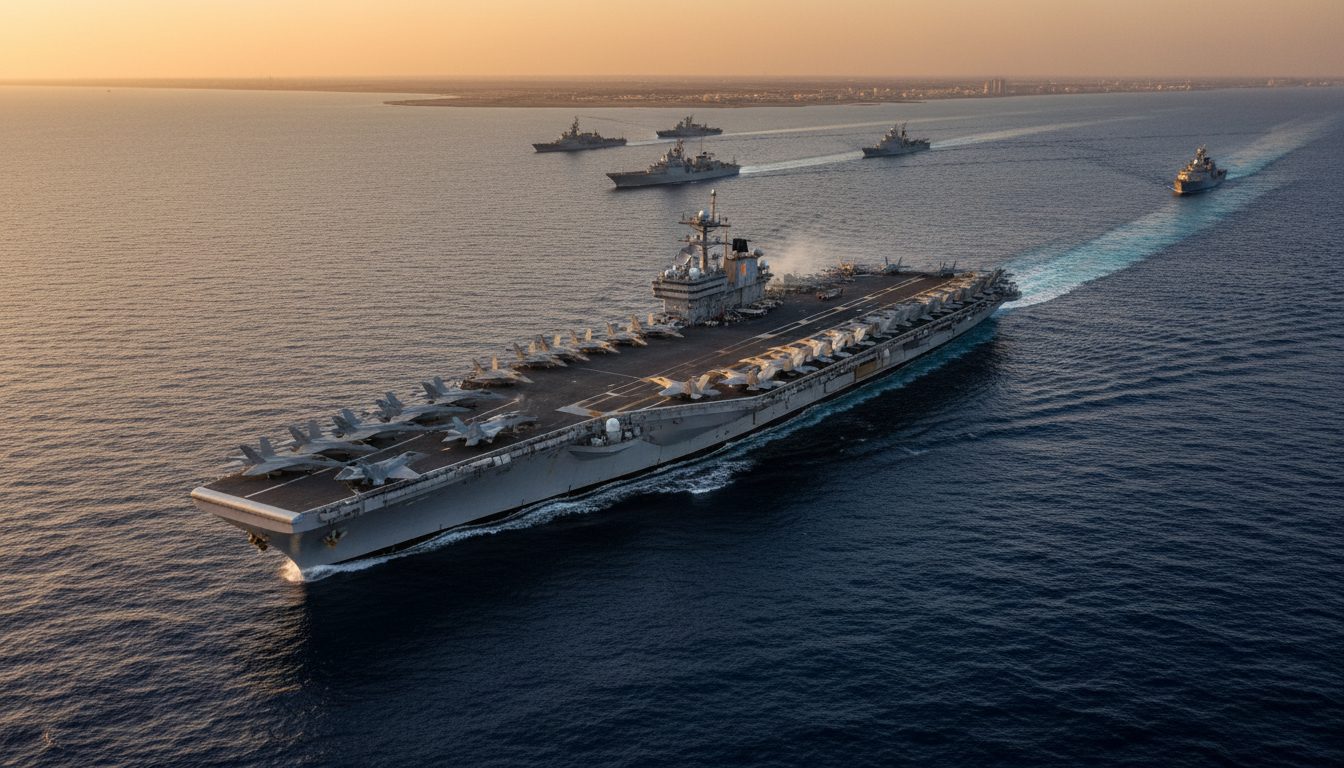
From Fire to the Frontline: How the World’s Largest Nuclear Aircraft Carrier Survived 30 Hours of Flames and Returned to the Most Tense Conflict Since the Gulf War
The nuclear aircraft carrier USS Gerald R. Ford (CVN-78) left the port of Split, Croatia, on April 3, 2026, resuming its route toward the Middle East, as confirmed by the United States Department of Defense. Additionally, the vessel — the largest warship ever built in history — had suffered a severe fire on March 12 in the Red Sea during Operation Epic Fury, which kept crew members engaged in combat against the flames for over 30 consecutive hours.
Consequently, the return of the USS Gerald Ford to the theater of operations reinforces American military presence in the region, where two carrier strike groups — the Ford and the Abraham Lincoln — are now operating simultaneously amid the conflict between the U.S./Israel and Iran, which began on February 28, 2026.
With the Strait of Hormuz effectively closed since the beginning of hostilities and Brent crude oil above $120 per barrel, the Ford’s return to the front has direct implications for the global energy market.
-
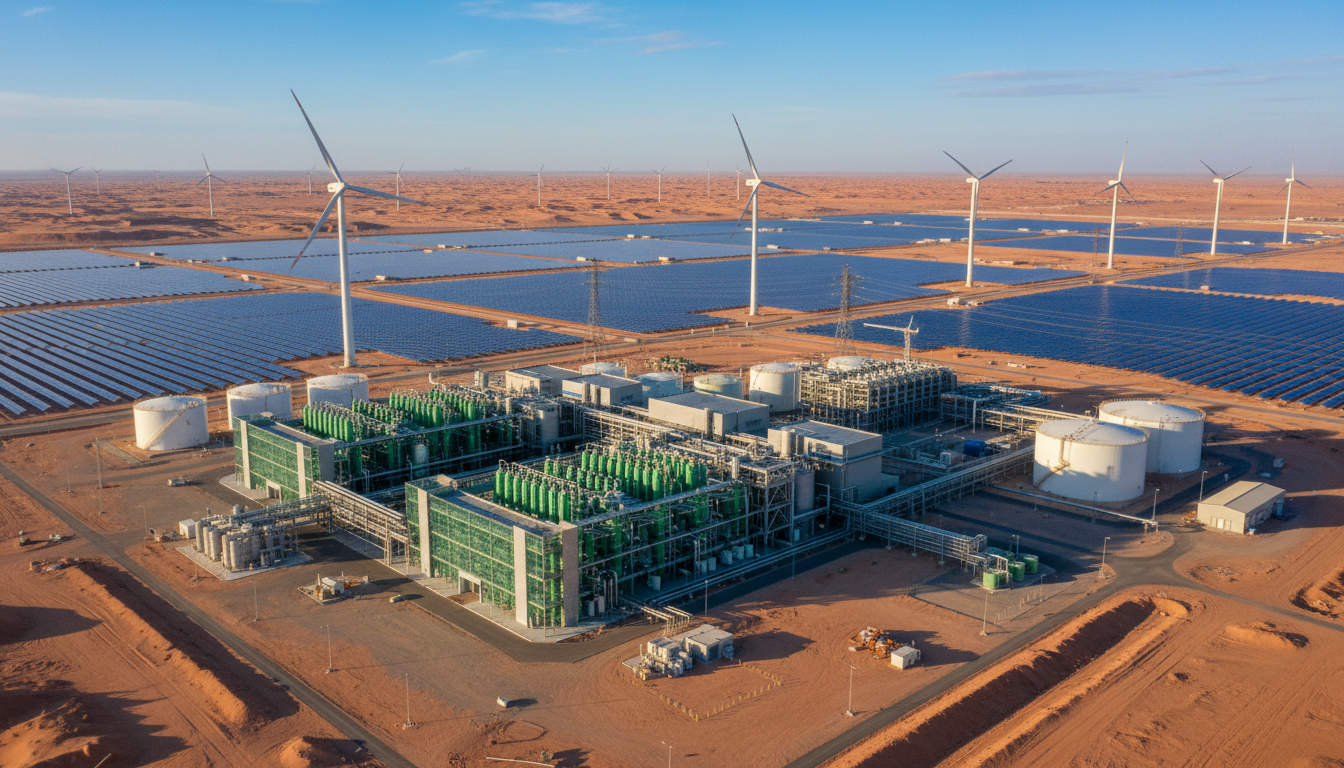
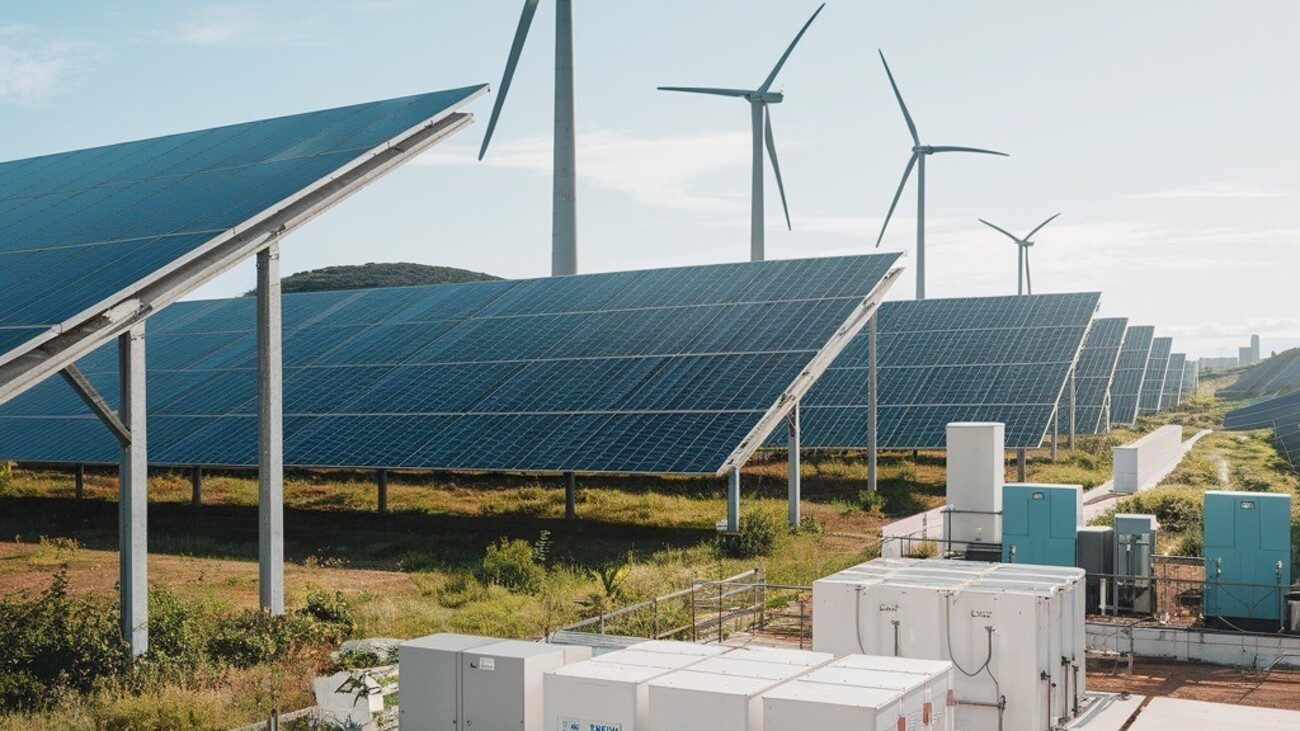
In the Saudi Arabian desert, the world’s largest green hydrogen plant is 80% complete and will use 4 gigawatts of solar and wind energy to produce 600 tons of clean fuel per day when it opens in 2027.
-
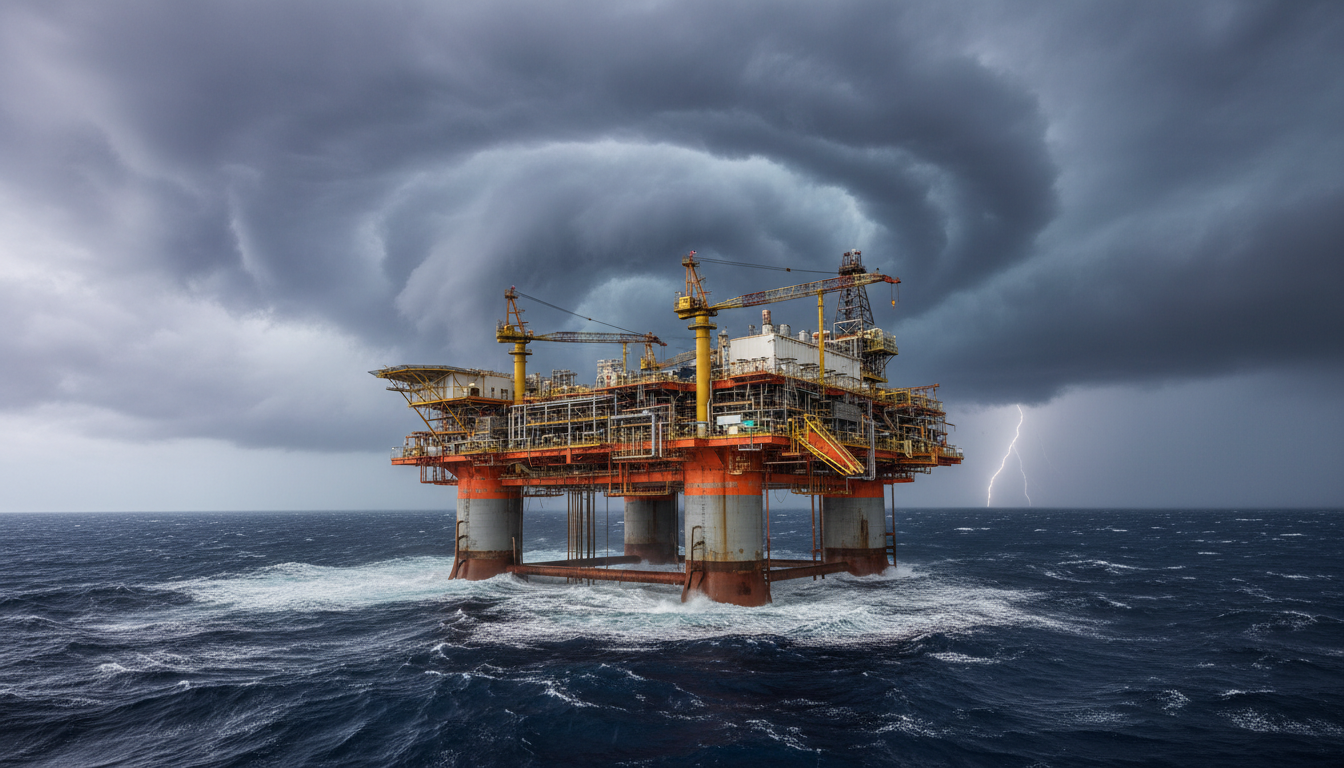
Sixteen years after the largest environmental disaster in oil history, BP has just received approval to open its first new field in the Gulf of Mexico, and the 10 billion barrels are 10 kilometers below sea level.
-
It shouldn’t exist — but it’s there: James Webb telescope captures impossible atmosphere on giant exoplanet that challenges all known astrophysics.

-
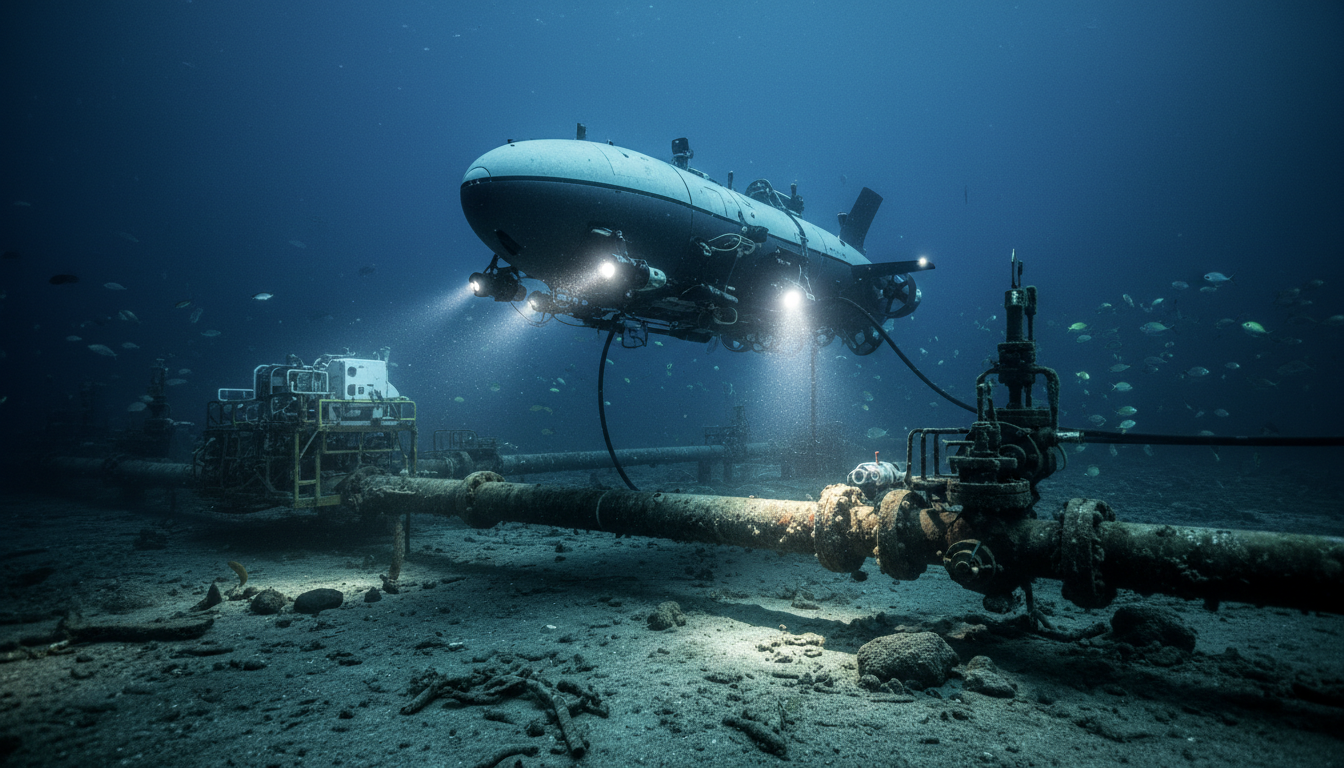
An Italian company has created an underwater drone that lives on the ocean floor for 12 consecutive months without returning to the surface, and the embedded artificial intelligence allows it to inspect and repair oil pipelines on its own.
The Fire That Halted the World’s Largest Warship in the Red Sea
On March 12, 2026, a fire broke out in the aft laundry of the USS Gerald Ford while the ship was operating in the Red Sea. The flames spread rapidly through the vessel’s ventilation system, turning what could have been a controllable incident into a large-scale emergency.
The crew took over 30 hours to completely extinguish the fire. During this period, three sailors were injured, and approximately 200 crew members required medical treatment for smoke inhalation.

The incident represented one of the largest emergencies aboard an American nuclear aircraft carrier in decades. Despite the severity, no fatalities were reported — a fact that experts attribute to the enhanced firefighting protocols of the Ford class.
After the flames were controlled, the U.S. Navy command ordered the ship to proceed to Split, Croatia. The aircraft carrier remained in the Croatian port from March 28 to April 2, 2026, a period dedicated to structural repairs and crew rest, who had already accumulated months of uninterrupted operation.
333 Meters, 100,000 Tons, and $13.3 Billion: The Numbers of the USS Gerald Ford
The USS Gerald R. Ford is not only the largest nuclear aircraft carrier in the world — it is, in fact, the most expensive warship ever built by humanity. Its total cost of $13.3 billion exceeds the GDP of several countries. However, this astronomical investment translates into unprecedented technological capabilities.
- Length: 333 meters — equivalent to more than three football fields lined up
- Flight deck width: 78 meters
- Displacement: approximately 100,000 tons
- Propulsion: 2 A1B nuclear reactors, 25% more powerful than those of the Nimitz class, generating 3 times more electrical power
- Nuclear endurance: 20 to 25 years without the need to refuel
- Speed: over 30 knots (approximately 55 km/h)
- Crew: 4,539 people (ship, air wing, and command staff)

Furthermore, the Ford operates more than 75 aircraft simultaneously, including F/A-18 Super Hornet fighters, stealth F-35C Lightning II, early warning aircraft E-2D Hawkeyes, and MH-60R/S helicopters for anti-submarine warfare and search and rescue.
One of the most significant innovations of the USS Gerald Ford is the EMALS (Electromagnetic Aircraft Launch System), which replaces traditional steam catapults with electromagnetic launchers. This technology allows for smoother and more precise launches, reducing wear on aircraft and increasing the cadence of air operations.
For comparison, while nuclear submarines are often cited as the greatest threat to conventional aircraft carriers, the Ford incorporates multi-layered defense systems specifically designed to mitigate these vulnerabilities.
281 Days at Sea: The Longest Deployment Since the Vietnam War
The current operational cycle of the USS Gerald Ford has already accumulated approximately 281 days — making it the longest deployment of an American aircraft carrier since the Vietnam era. In other words, the 4,539 crew members aboard have spent nearly ten consecutive months away from their families, operating in high-risk zones.
The stop in Split, therefore, served not only for technical repairs after the fire but also as a rare opportunity for rest for a crew subjected to extreme levels of operational stress.
Although long deployments are not uncommon in the U.S. Navy, the current duration of the Ford significantly exceeds contemporary standards. However, the escalation of the conflict with Iran left American command with no immediate alternatives for rotation.

With two carrier strike groups now positioned in the region — the Ford and the Abraham Lincoln — the United States maintains its largest concentration of naval power in the Middle East in over two decades.
War with Iran, Closed Strait of Hormuz, and Oil Above $120
The context that makes the return of the USS Gerald Ford so significant is the conflict between the United States/Israel and Iran, which began on February 28, 2026. Since then, the Strait of Hormuz — through which about 20% of the world’s oil flows — has been effectively closed to commercial traffic.
As a direct result, the price of Brent crude oil has skyrocketed to above $120 per barrel, putting pressure on economies around the globe. Thus, the presence of the Ford in the region goes far beyond a military issue — it is a central piece in the American attempt to stabilize global energy supply routes.
Interestingly, China has already been preparing for naval confrontation scenarios involving American aircraft carriers. As revealed by satellite images capturing replicas of aircraft carriers in the Taklamakan Desert, Beijing has been training for years to face exactly the type of strike group that the Ford leads.
Additionally, the U.S. Navy has already demonstrated the versatility of its embarked aviation in joint operations with allies. A notable example was when the Embraer Super Tucano flew alongside U.S. Navy fighters aboard the USS Nimitz, demonstrating interoperability between Western forces.

What the Return of the Ford Means for the Energy Market
For the oil and gas sector, the return of the USS Gerald Ford to the Middle East is simultaneously a sign of escalation and an attempt at containment. On one hand, the presence of two strike groups suggests that the U.S. does not intend to back down from the conflict. On the other hand, the Ford’s power projection capability may eventually contribute to the reopening of the Strait of Hormuz.
As long as Brent remains above $120 and the Strait of Hormuz continues to be closed, every movement of the USS Gerald Ford will be monitored not only by military strategists but by commodity traders around the world.
Moreover, the prolonged deployment of the Ford raises questions about the operational sustainability of the U.S. Navy. With a crew of 4,539 people operating for 281 days, the human and logistical costs are enormous — even for a power with a defense budget in the hundreds of billions of dollars.
Final Considerations
The USS Gerald R. Ford represents the pinnacle of military naval engineering: 333 meters long, 100,000 tons, two nuclear reactors, and a cost of $13.3 billion. Its return to the front after the fire in the Red Sea demonstrates, above all, the American determination to maintain a dominant naval presence in the region.
However, it is important to emphasize that information about ongoing military operations is often limited by national security concerns. Accurate data on structural damage, operational capacity post-repair, and the exact positioning of forces may not be fully available to the public. Thus, this article is based exclusively on information confirmed by official sources from the Department of Defense and international news agencies.





Seja o primeiro a reagir!