





 Portuguese
  English
  Spanish
  6 min of reading
  0 comments


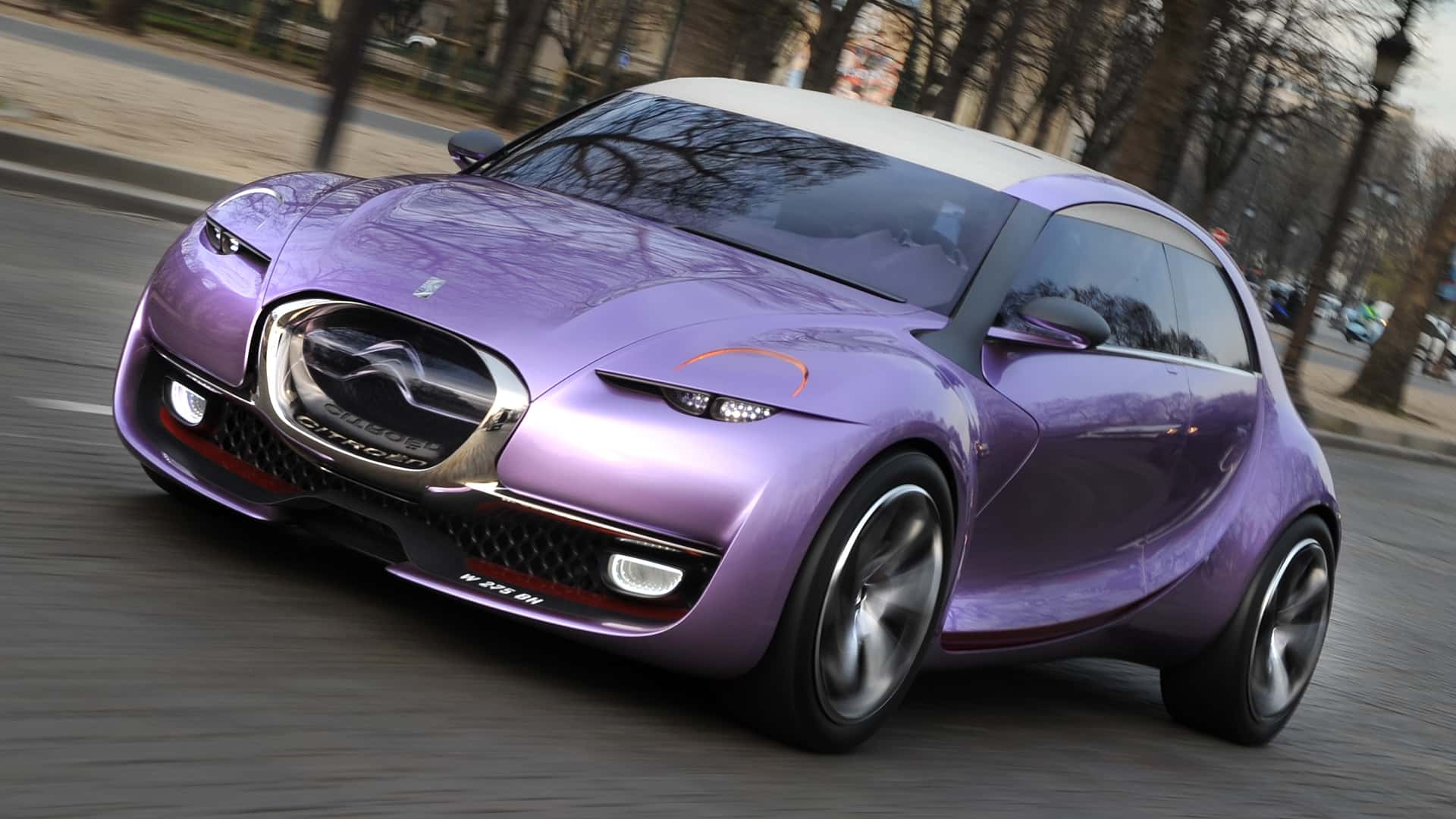
Citroën movement repositions an automotive industry symbol in the debate on compact electrics, as regulatory changes, production costs, and retrofit solutions help redraw the space of urban cars in Europe.
Citroën has decided to move forward with the return of the 2CV in a new electric and low-cost proposal.
According to the British website Auto Express, the brand plans to present a concept of the model at the upcoming Paris Motor Show in October, reviving a historic name amid the competition for more affordable electric compacts in Europe.
This information indicates a change in direction after years of rumors about the possible revival of the model.
-
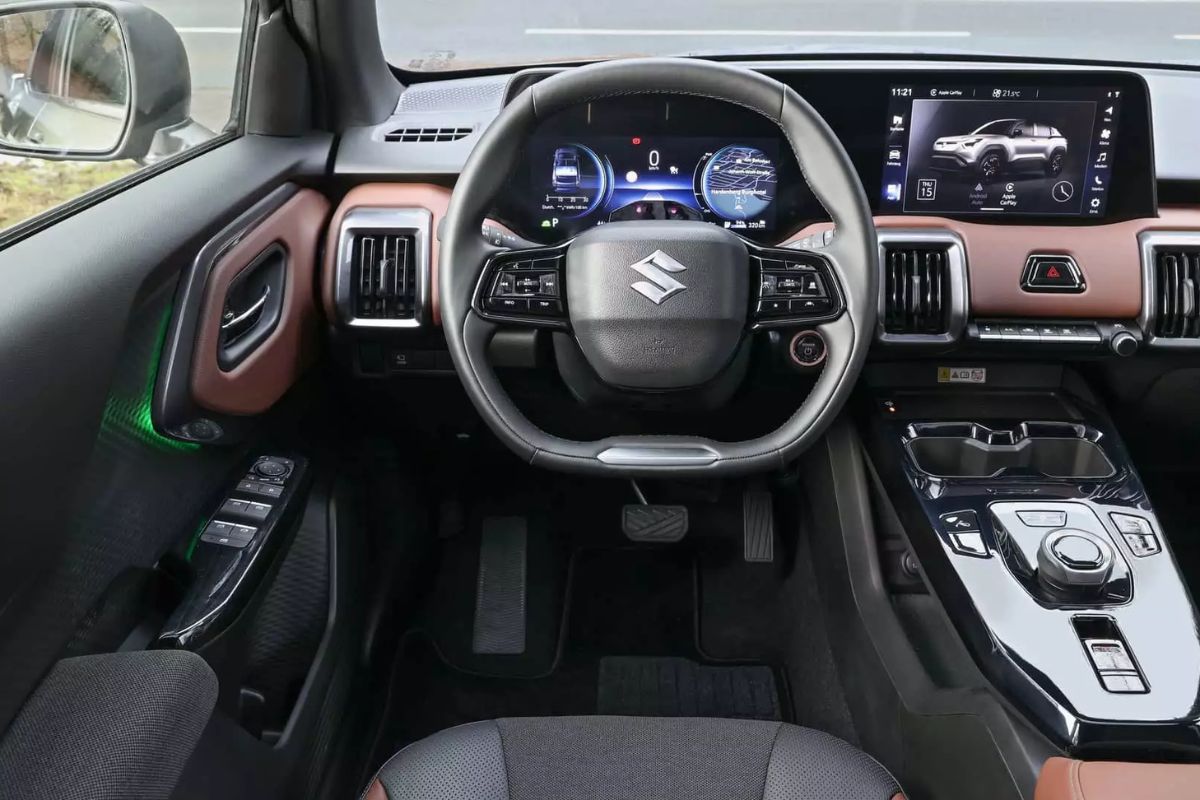
The 2026 electric Vitara arrives in Brazil and proves that Suzuki is not leaving: 4×4 traction, 184 hp, 61 kWh LFP battery, 293 km range, R$ 259,000, and a trunk capacity of 224 L.
-
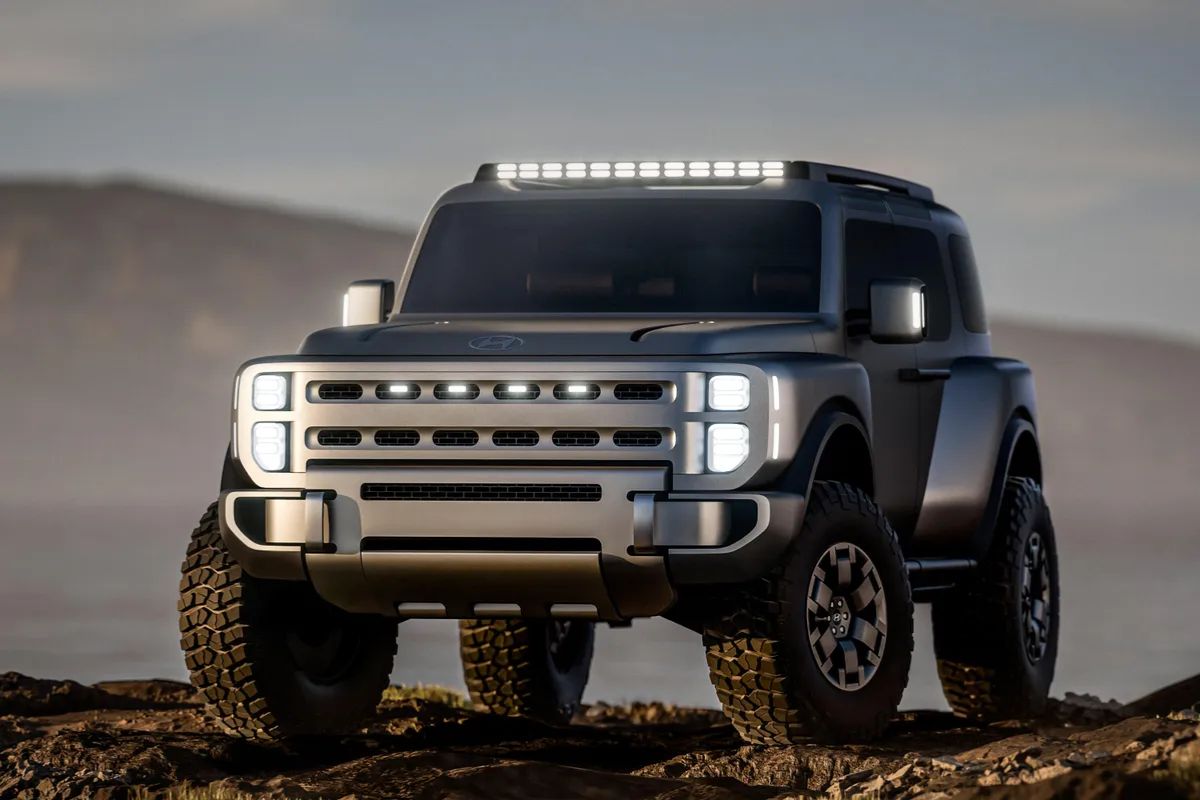
Hyundai has unveiled the Boulder, a square SUV with a body-on-frame design, 37-inch mud tires, and carriage-style doors that seems to be made to take on the Ford Bronco and the Scout Traveller in the United States.
-
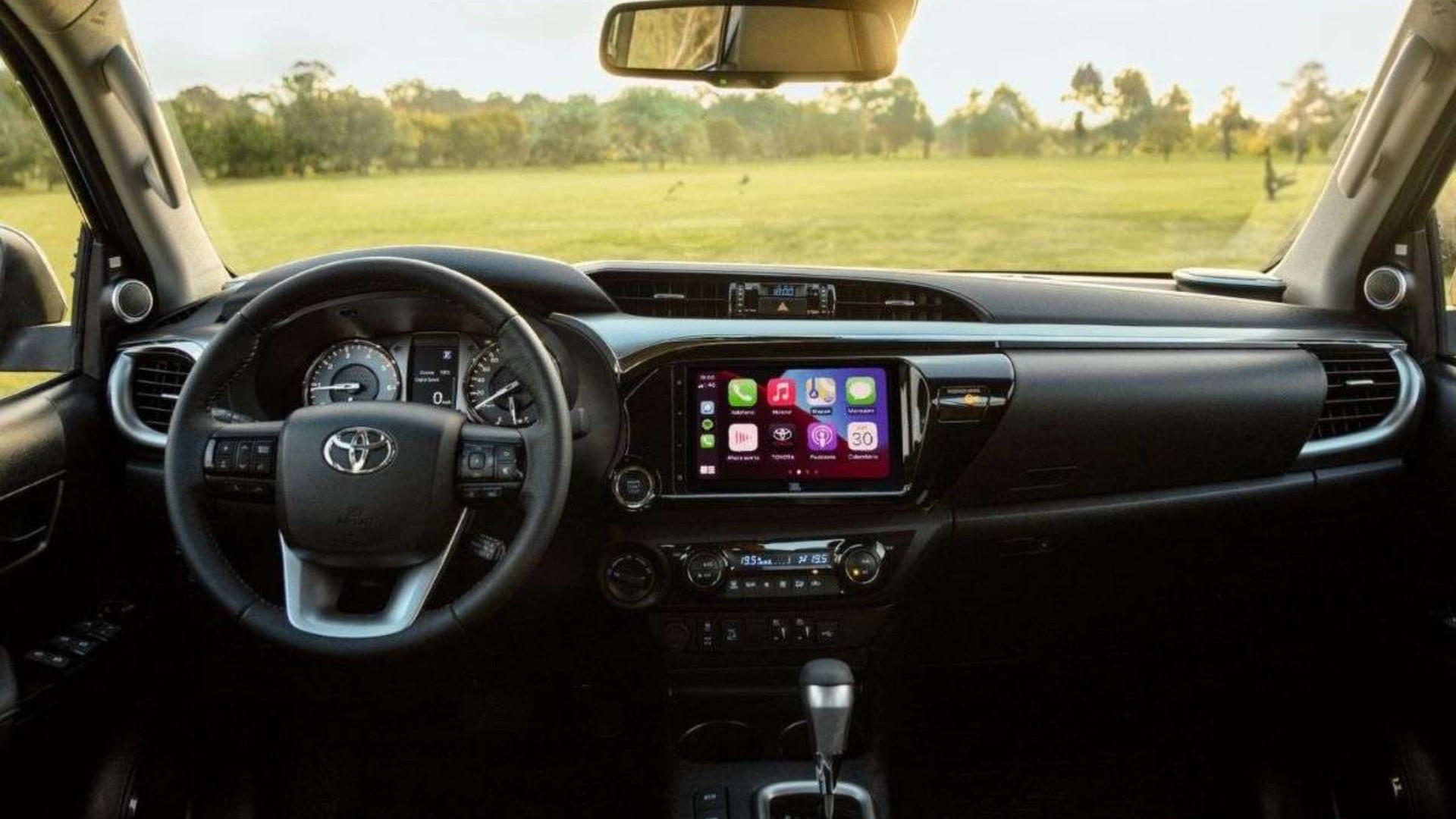
The Toyota Hilux is R$ 75.5 thousand cheaper and bets on the 2.8 turbodiesel engine with up to 204 hp and 50.9 kgfm to catch up with the VW Saveiro, which leads with 4,472 sales.
-
The new Renault Koleos has a screen exclusively for the passenger that is invisible to the driver, heated rear seats, and 29 assistance systems, but its Chinese competitors cost R$ 40,000 less and deliver more power.
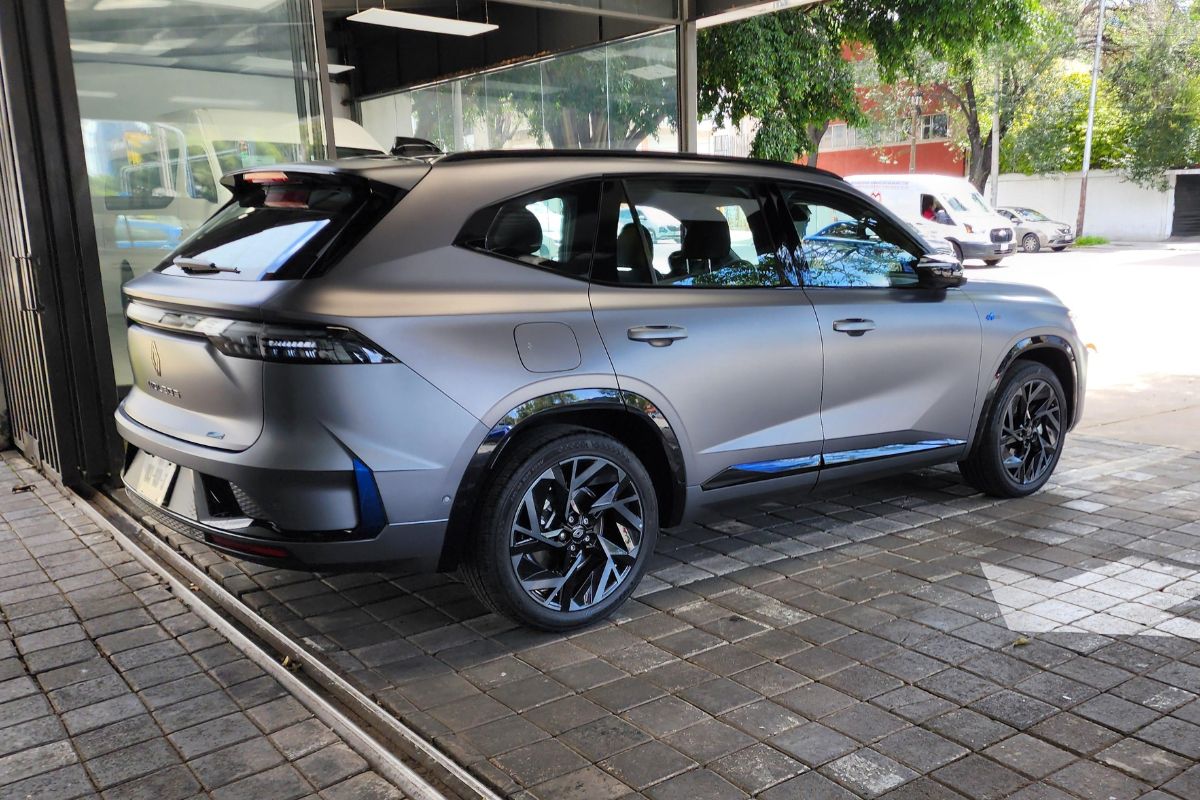

According to the publication, Citroën’s CEO, Xavier Chardon, has authorized the development of the project, which is now part of the manufacturer’s strategy for a segment that has regained space in the European market.
The movement occurs in a context of greater attention from automakers to electric compacts with lower prices.
The good commercial performance of the Renault 5 E-Tech and the expectations surrounding the new Twingo are cited as signs that there is demand for urban vehicles with their own identity and more accessible proposals.
Citroën 2CV electric tries to update the original model proposal
The development of the new model is under the command of Pierre Leclercq, Citroën’s design director.
The proposal, according to Auto Express, is to bring to the present the principles that marked the original 2CV: constructive simplicity, low cost, comfort, and practicality.
In an interview reproduced by the British site, Leclercq stated that, when thinking of the 2CV as a cheap car aimed at rural areas, it is essential to preserve its philosophy and values.

He also said that if it is possible to reinterpret these elements in a current car, the project makes sense.
The idea, therefore, is not to reproduce the classic model literally.
The intention, according to the publication, is to adopt a neo-retro reading, with discreet references to the past, without turning the car into a caricatured reinterpretation.
Some historical elements, such as the canvas roll roof, are still under discussion and will depend on the structural limitations of the new architecture.
This care accompanies the attempt to update the concept that originated the 2CV in 1948.
At that time, the model was conceived to offer simple and functional mobility.
Now, the goal is to translate this logic into a scenario marked by demands for electrification, higher industrial costs, and new market rules.
Smart Car platform and price range of the new 2CV
According to Auto Express, the chosen base for the project is an evolution of the Smart Car Platform (SCP), already used in the current C3 and C3 Aircross, as well as in the European Fiat Grande Panda and the future national Argo.
This architecture was designed to reduce costs and accommodate different types of engines.
Within Citroën, the assessment is about how far this base can be simplified to give rise to a car positioned below the C3 and above the Ami.
The goal, according to the report, is to occupy a range close to 20,000 euros, still little explored among European electrics.
The manufacturer has not disclosed technical specifications for the possible new 2CV.
Still, the British publication reports that equivalent projects are working with batteries close to 27.5 kWh, a range of around 260 kilometers, and electric motors of about 80 hp.
As there is no official confirmation from Citroën, these numbers serve only as market references, not as finalized data for the model.
Even without a confirmed technical sheet, the proposal mentioned in the report points to a car focused on lightness, energy efficiency, and reduced cost.
In this type of project, performance tends to take a back seat, just as it did in the original 2CV, whose vocation has always been linked to practical and economical mobility.


European regulation influences compact electric cars
The revival of the 2CV is also associated with the regulatory debate in Europe.
The original text mentions the discussion in the European Union of a package that could redefine the space of urban electric cars through the creation of the M1E category, aimed at compact, lightweight, and more affordable vehicles.
At the center of this proposal is the so-called Small Affordable Cars Initiative, which foresees a specific category for electrics of up to 4.2 meters in length and 1.5 tons.
The idea is to create more flexible requirements than those applied to conventional cars, in an attempt to make the production of mass urban models viable.
Among the measures under study are regulatory simplifications and revisions in parts of the safety standards and the requirements linked to the environmental impact package Euro 7.
According to the original text, these rules raise engineering costs even in electric vehicles, which puts pressure on smaller models.
The proposal seeks to reduce development and production costs at a time of greater competition with Chinese automakers and difficulty for European brands to offer truly affordable electric cars.
In this environment, urban compacts are once again treated as a relevant part of the industrial strategy of the sector.
Furthermore, the mentioned package provides usage advantages for small electrics, such as facilities related to parking, restricted zones, and charging infrastructure.
The measure reinforces the role of these cars in congested urban centers, in a logic similar to that of Japanese kei cars.
Stellantis, batteries, and impact on the cost of electrics
Another point associated with the project is the supply chain.
The original text mentions that Stellantis announced a joint venture with the Chinese CATL to produce batteries in Spain starting in 2026.
The expectation is that this structure will help reduce costs and also meet European requirements related to local content.
For a vehicle with a popular proposal, this factor weighs directly.
The cost of batteries remains one of the main components of the final price of electrics.
Therefore, regional production appears as a relevant element within the strategy of manufacturers trying to increase their presence in price-sensitive segments.
Retrofit of the Citroën 2CV is already progressing in Europe
While Citroën works on the concept of the new electric 2CV, the classic model is already undergoing a phase of electrification in Europe through retrofit.
The original text informs that many owners have converted old units, taking advantage of a central characteristic of the car: the low weight of 575 kilograms.
In this process, the air-cooled two-cylinder boxer gasoline engine is replaced by an electric set.
The conversions, according to the text, can be reversed, allowing the vehicle to return to its original conditions if the owner wishes.

The best-known kit for this type of transformation is the R-FIT, developed by MCC Automotive for the 2CV Méhari Club Cassis, a historic partner of Citroën.
According to the material provided, this is the first retrofit solution officially approved in France for the classic.
The set uses a synchronous motor of 20 kW, equivalent to 27 hp, a power close to that of the original 602 cm³ boxer.
The lithium iron phosphate (LFP) battery has 10.2 kWh and offers a range of 90 kilometers in the WLTP cycle.
Charging can be done at a domestic 220 V outlet, with an estimated time of about 3h30 to go from 0 to 100%.
The system retains the car’s transmission and preserves the traditional lever under the dashboard.
According to the original text, the installation takes about 20 hours and includes batteries, a new dashboard, and an electronic management system.
The package costs around 14,000 euros, a value that can be reduced in some countries with public incentives.
If the schedule mentioned by Auto Express is maintained, the concept shown in Paris will serve as a basis for a production model to be launched by the end of the decade, possibly in a future edition of the French show.
It remains to be seen whether Citroën will be able to transform the historical weight of the 2CV into an entry-level electric with a competitive price and a proposal compatible with what the European market has come to demand.









Seja o primeiro a reagir!